
Romeinse ruïnes — History & Facts
Is this a mirror — or a memory? The echoes of a timeless past linger in the brushstrokes, inviting us to reflect on the weight of history embedded in the ruins. Look closely at the center, where the crumbling arches and towering columns draw your gaze into their embrace. Notice how the soft, warm hues of ochre and earthy browns play with shadows, imbuing the stone with a sense of life almost forgotten. The composition balances decay and grandeur, as the foreground invites you to wander among the stones, while the hazy skyline suggests the resurgence of nature reclaiming its dominion. This artwork subtly contrasts permanence with transience.
The weathered structures, remnants of a once-majestic civilization, whisper stories of human achievement and ambition, now rendered vulnerable to the relentless passage of time. A sliver of light spills across the scene, illuminating particular fragments, hinting at the beauty that remains even in ruin. The juxtaposition of grandeur and decay evokes a profound nostalgia — a longing for what has been lost and the inevitable cycle of creation and destruction. Pieter Bartholomeusz Barbiers created Romeinse ruïnes between 1782 and 1837, a period when Neoclassicism was flourishing and the fascination with antiquity was prevalent in European art.
Working primarily in Amsterdam, Barbiers sought to capture the majesty of Roman architecture, reflecting a broader cultural trend of exploring the remnants of the classical world amidst a society grappling with rapid change and industrialization.
More Artworks by Pieter Bartholomeusz. Barbiers
Browse all →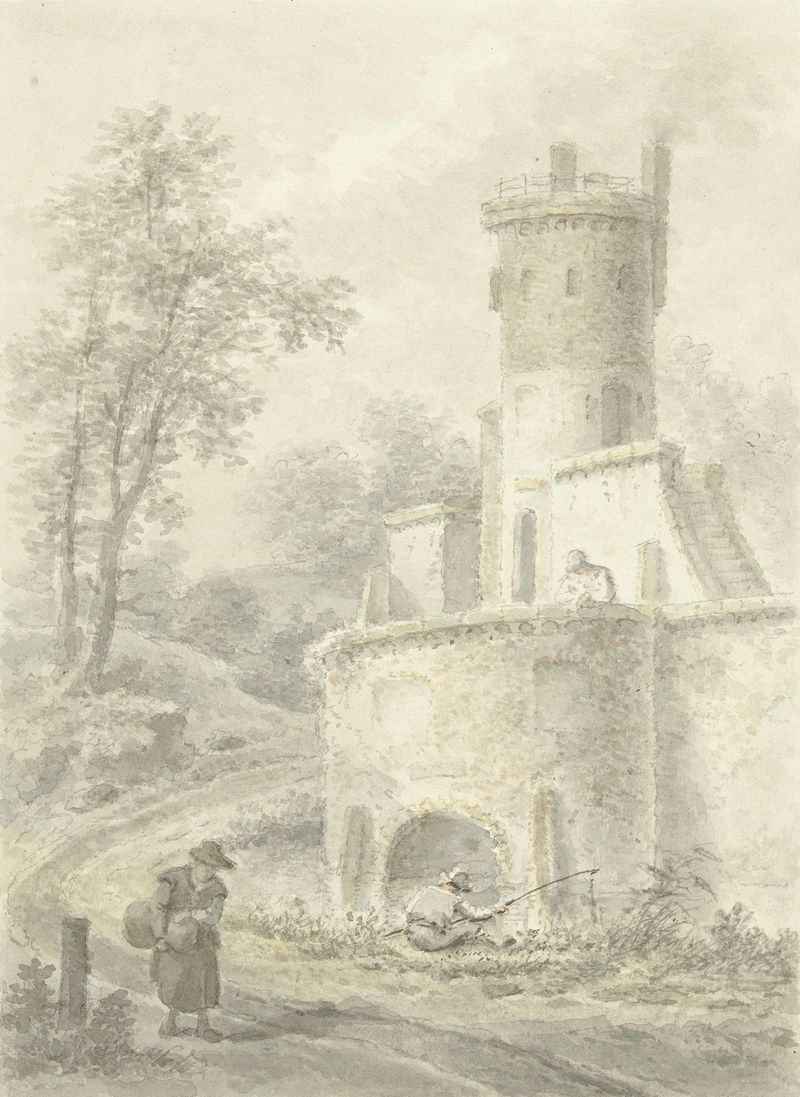
Landschap met hengelaar en wandelende vrouw bij een vestingtoren
Pieter Bartholomeusz. Barbiers
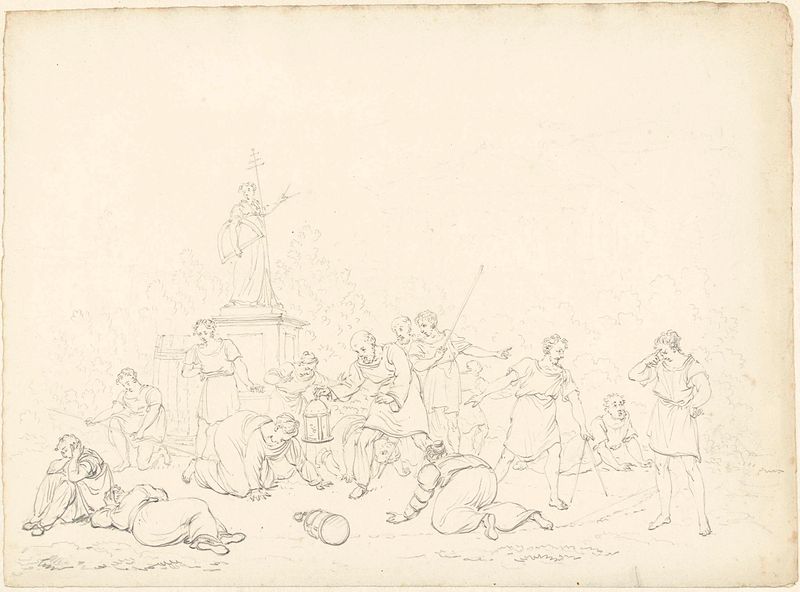
Diogenes met een lantaren een mens zoekend
Pieter Bartholomeusz. Barbiers
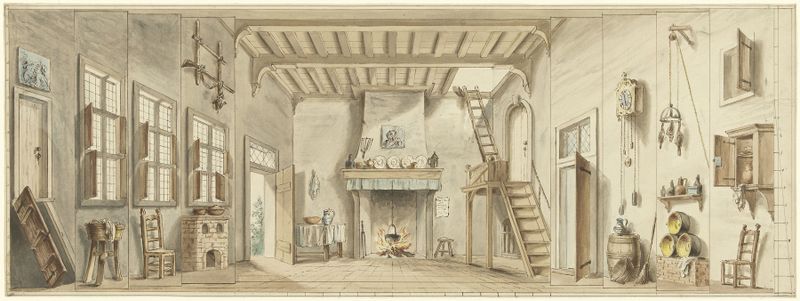
Ontwerp voor een toneeldecor voor de Vlaamse opera Het Kapertje
Pieter Bartholomeusz. Barbiers
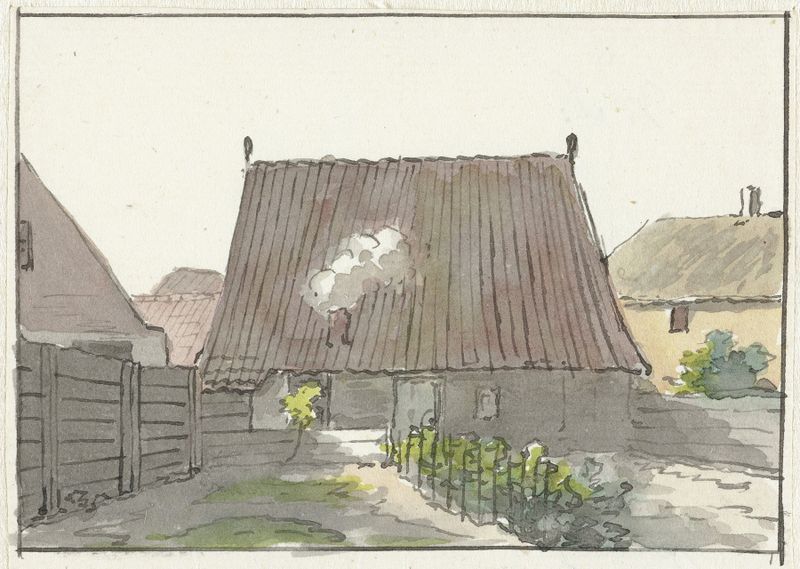
Huis met achtertuin
Pieter Bartholomeusz. Barbiers
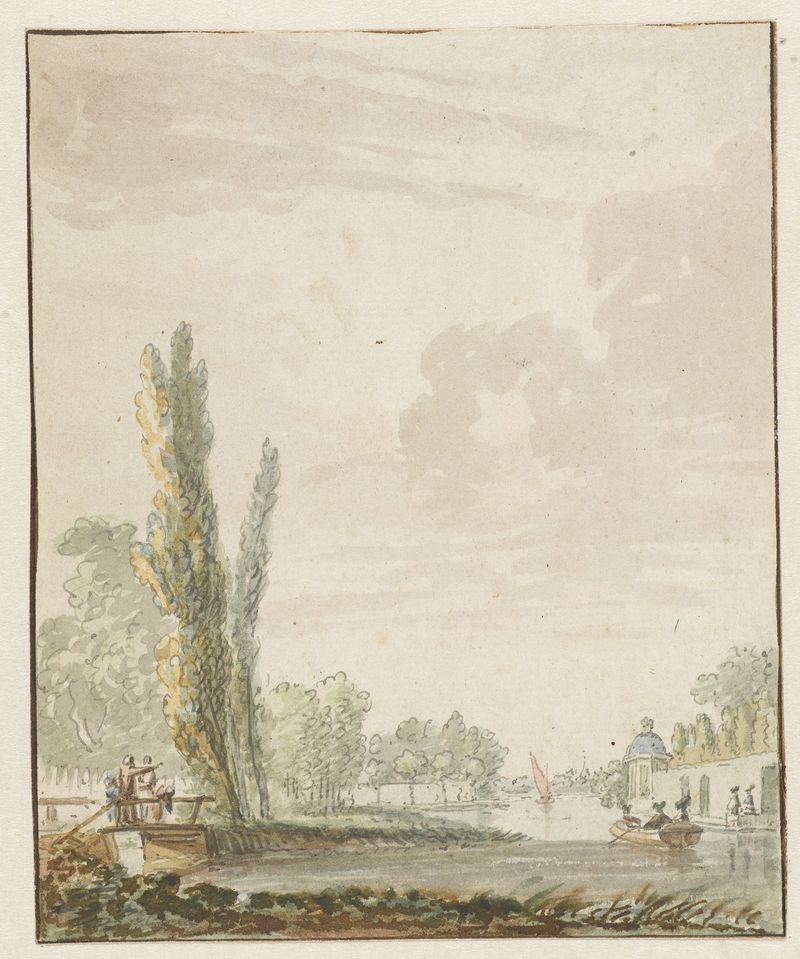
Gezicht langs een rivier met rechts een theekoepelje
Pieter Bartholomeusz. Barbiers
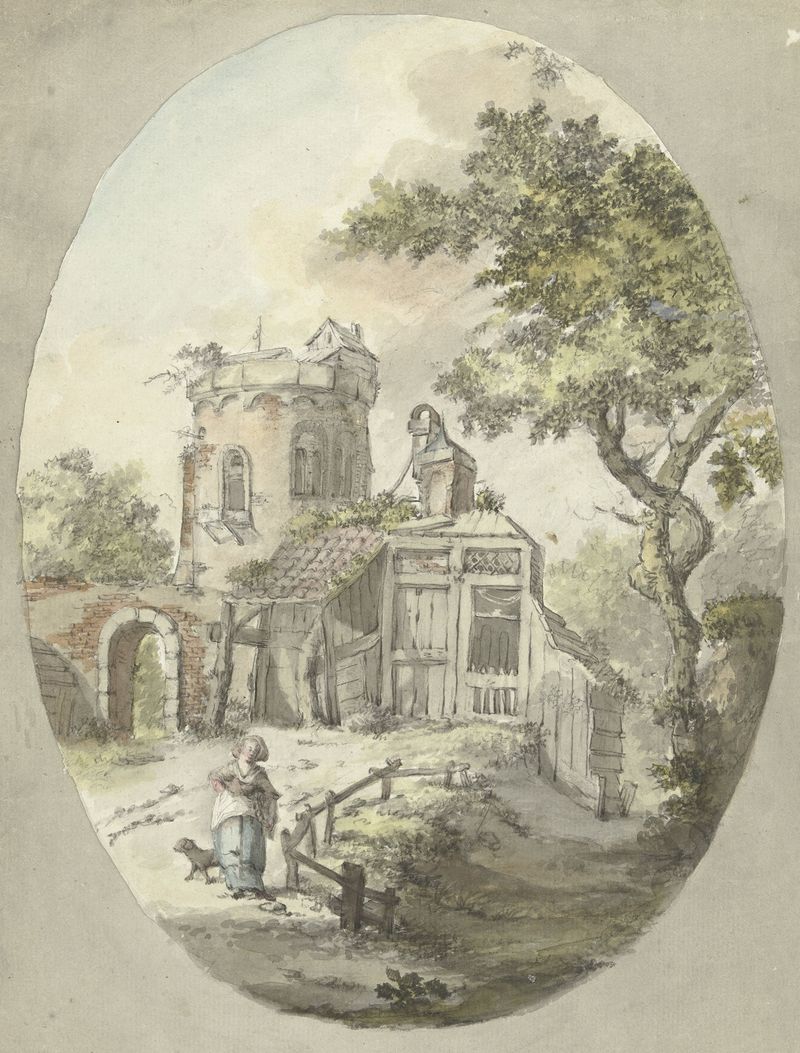
Vrouw met hond voor bouwval aan een toren
Pieter Bartholomeusz. Barbiers
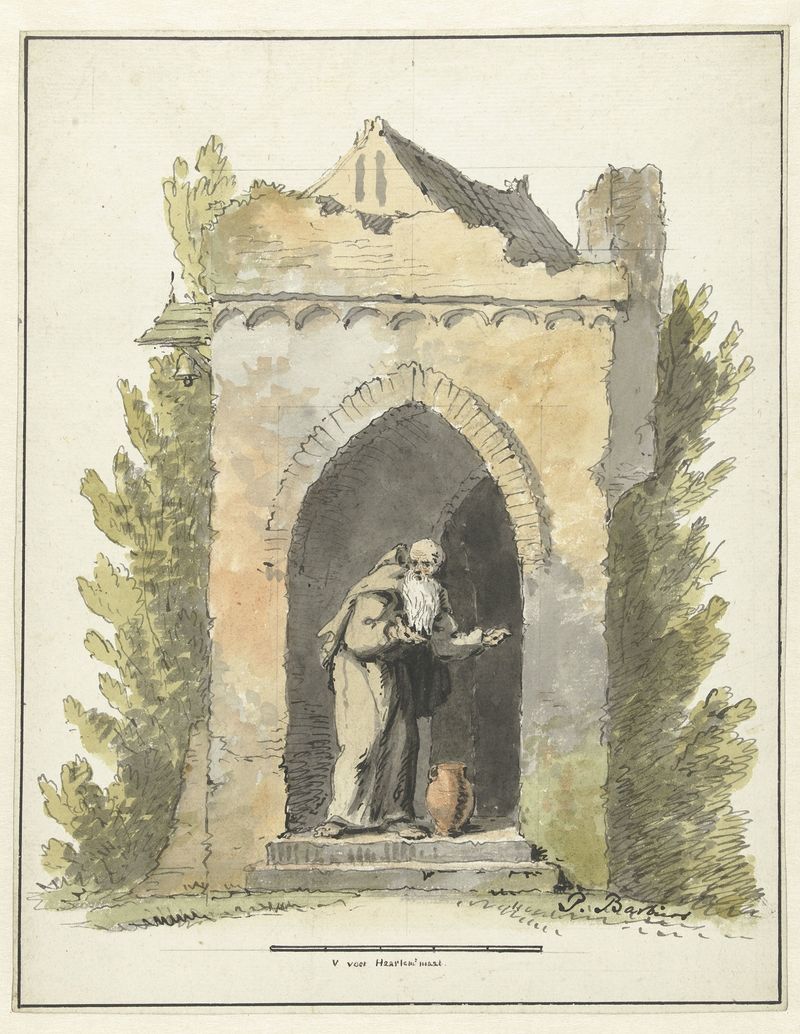
Kluizenaar voor een stenen kapel
Pieter Bartholomeusz. Barbiers
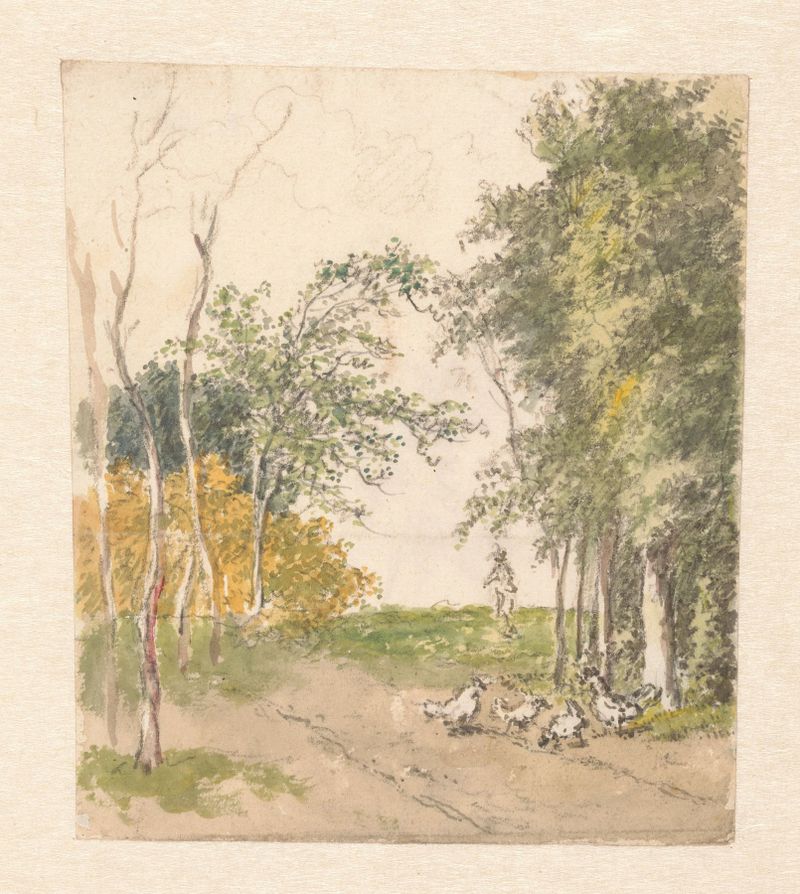
Landschap met kippen langs de weg
Pieter Bartholomeusz. Barbiers
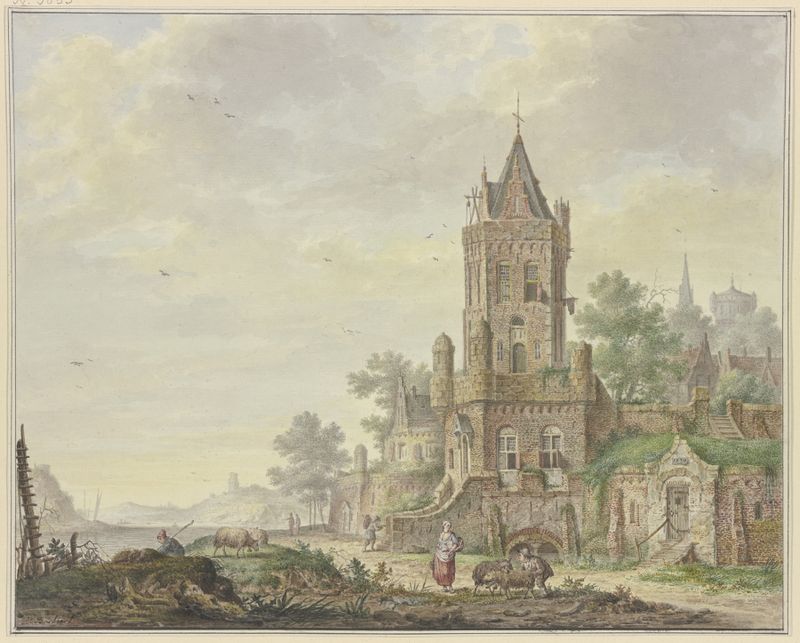
Stadt mit einem alten Turm am Wasser, vorne eine Frau bei einem Knaben mit zwei Schafen
Pieter Bartholomeusz. Barbiers
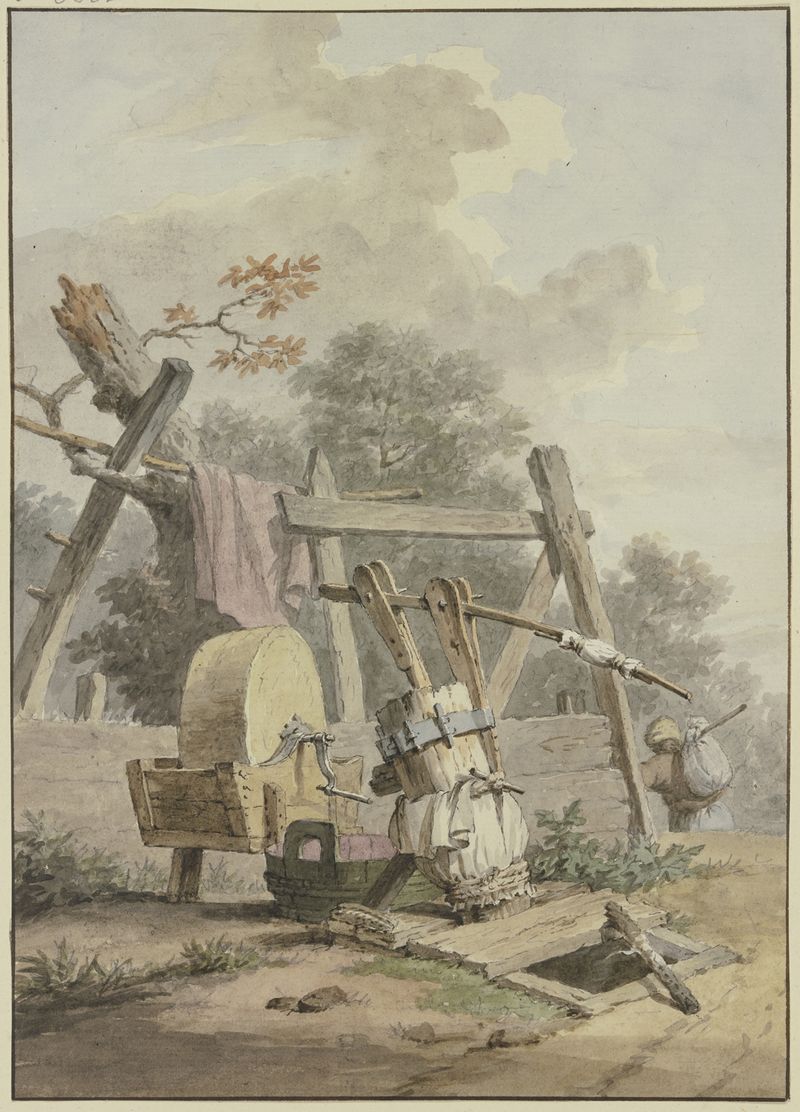
Ein Schleifstein bei einem Brunnen
Pieter Bartholomeusz. Barbiers
More Architecture Art
Browse all →
The statue of Liberty
Frédéric Auguste Bartholdi

View of Houses in Delft, Known as ‘The Little Street’
Johannes Vermeer

View of Houses in Delft, Known as ‘The Little Street’
Johannes Vermeer

The Cathedral in Rouen. The portal, Grey Weather
Claude Monet

The yellow house
Vincent van Gogh

The Church in Auvers-sur-Oise, View from the Chevet
Vincent van Gogh