
Diogenes met een lantaren een mens zoekend — History & Facts
What if silence could speak through light? In Diogenes met een lantaren een mens zoekend, the interplay of illumination and shadow invites us to ponder the essence of existence and the divine within the mundane. Focus first on the figure of Diogenes, centrally placed, his lantern casting a warm, golden glow against the cool tones of the surrounding darkness. The subtle chiaroscuro brings depth to his weary yet determined expression, as if he embodies both despair and hope. Notice how the soft light outlines his silhouette, contrasting with the obscured background, which creates a juxtaposition of enlightenment and ignorance.
Each brushstroke reveals Barbiers’ meticulous attention to detail, from the flicker of the lantern flame to the rugged texture of Diogenes' cloak. Delve deeper into the emotional weight of this scene. The solitary figure, searching for truth amid the shadows, reflects a profound existential quest, echoing the tension between enlightenment and the human condition. The lantern, a symbol of knowledge and divine insight, stands in stark contrast to the darkness surrounding him, raising questions about the nature of humanity and the elusive pursuit of understanding.
This dichotomy resonates with viewers, inviting introspection about our own searches for meaning in a world often shrouded in ambiguity. Pieter Bartholomeusz. Barbiers painted this work during a period when he was deeply influenced by Enlightenment ideals, between 1782 and 1837. Living and working in the Netherlands, he found inspiration in the philosophical dialogues of the time, which explored themes of reason and individualism.
The painting reflects a moment in art history where the search for truth became an essential pursuit, merging the realms of philosophy and visual representation.
More Artworks by Pieter Bartholomeusz. Barbiers
Browse all →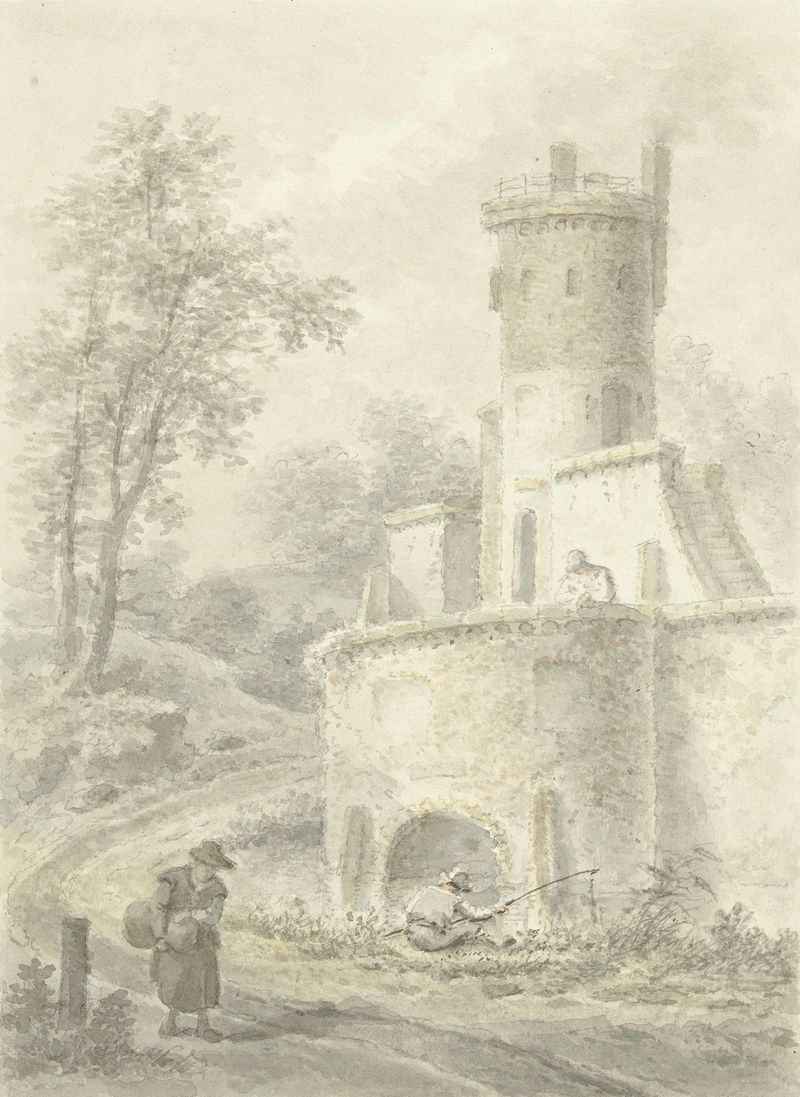
Landschap met hengelaar en wandelende vrouw bij een vestingtoren
Pieter Bartholomeusz. Barbiers
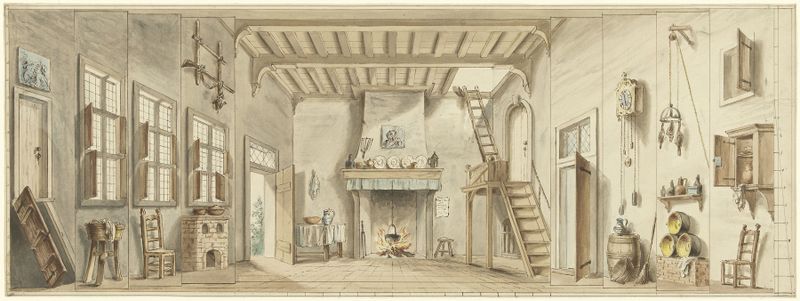
Ontwerp voor een toneeldecor voor de Vlaamse opera Het Kapertje
Pieter Bartholomeusz. Barbiers
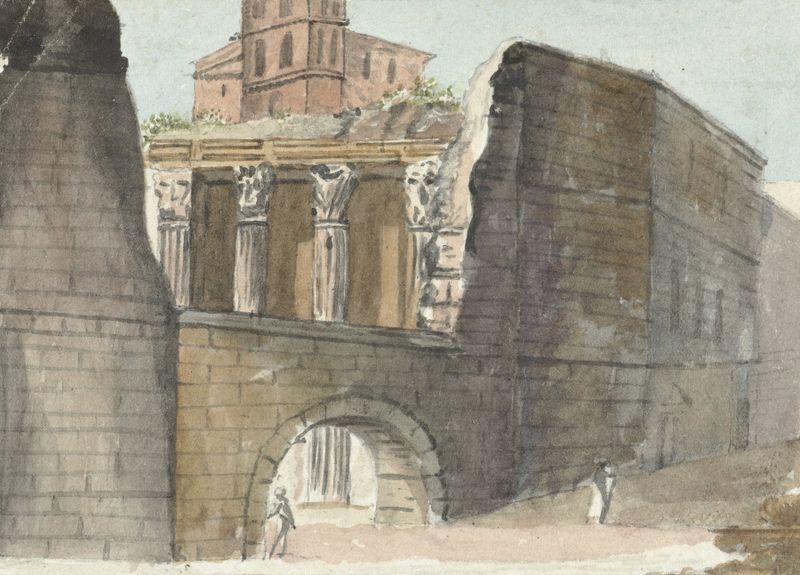
Romeinse ruïnes
Pieter Bartholomeusz. Barbiers
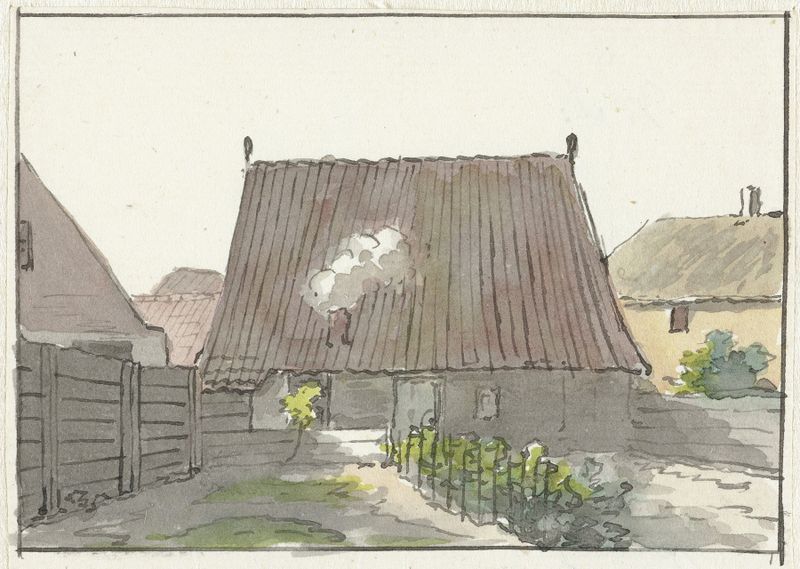
Huis met achtertuin
Pieter Bartholomeusz. Barbiers
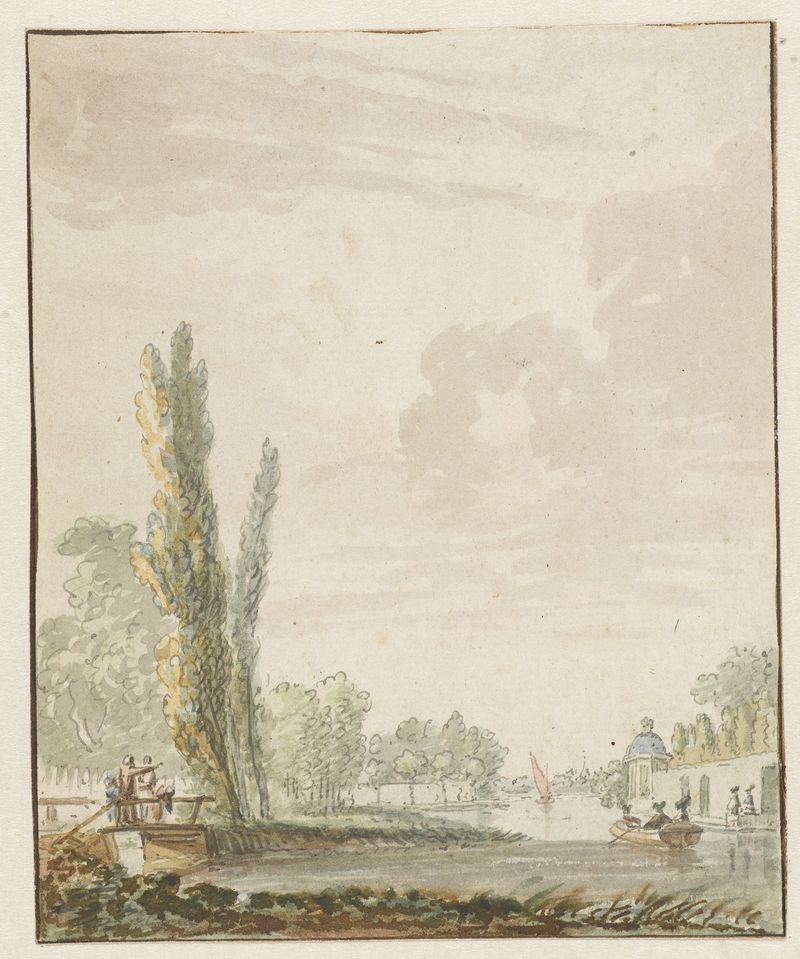
Gezicht langs een rivier met rechts een theekoepelje
Pieter Bartholomeusz. Barbiers
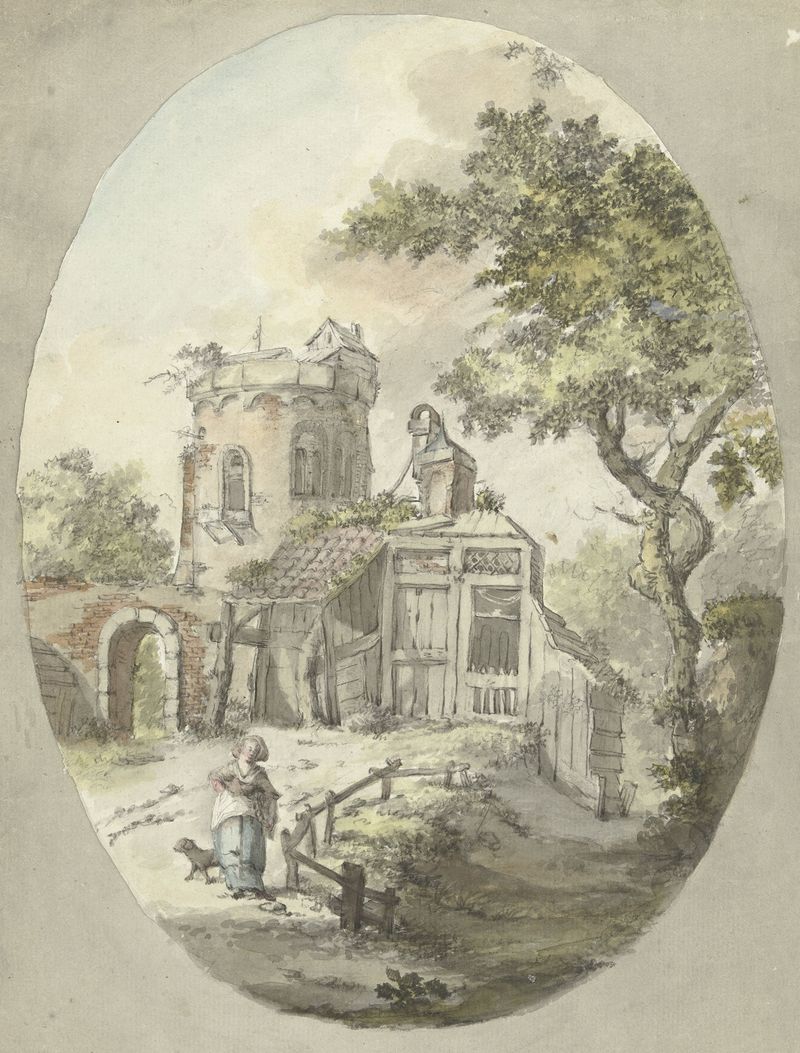
Vrouw met hond voor bouwval aan een toren
Pieter Bartholomeusz. Barbiers
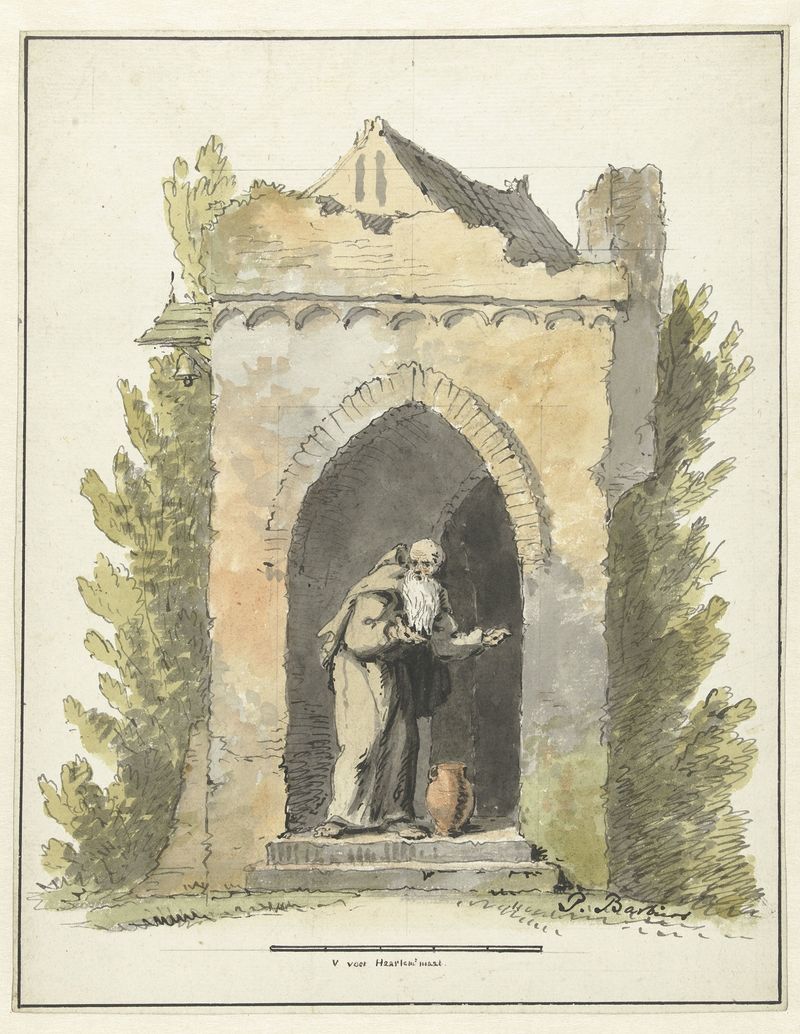
Kluizenaar voor een stenen kapel
Pieter Bartholomeusz. Barbiers
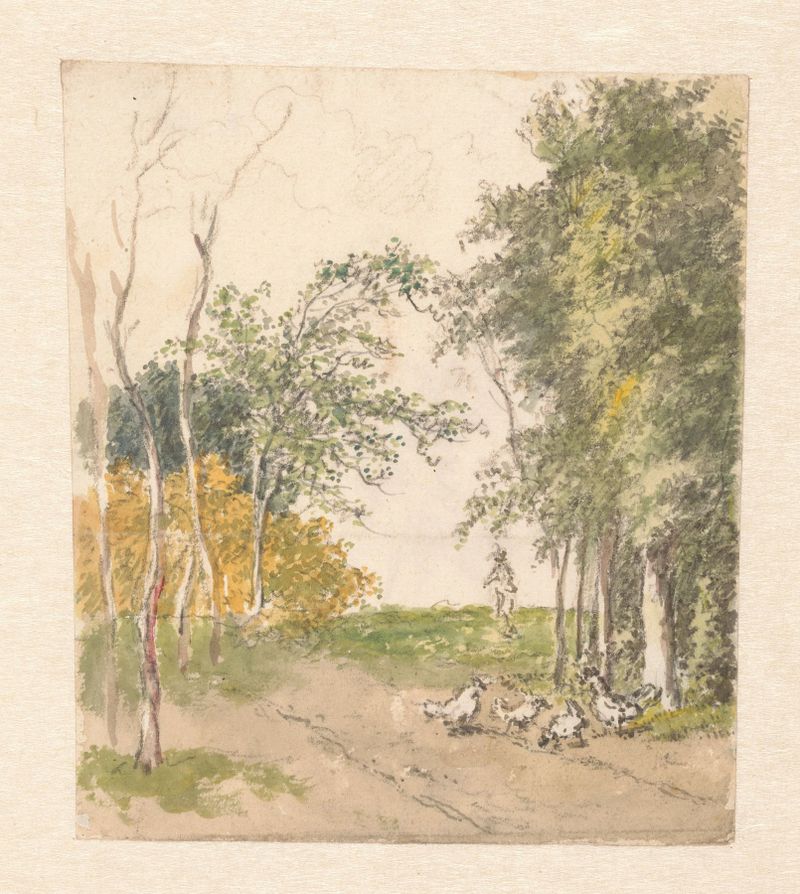
Landschap met kippen langs de weg
Pieter Bartholomeusz. Barbiers
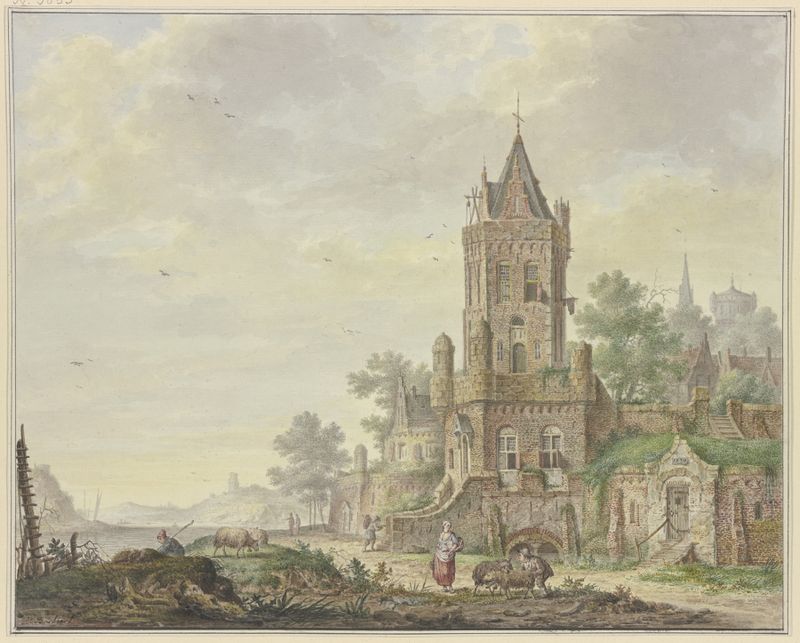
Stadt mit einem alten Turm am Wasser, vorne eine Frau bei einem Knaben mit zwei Schafen
Pieter Bartholomeusz. Barbiers
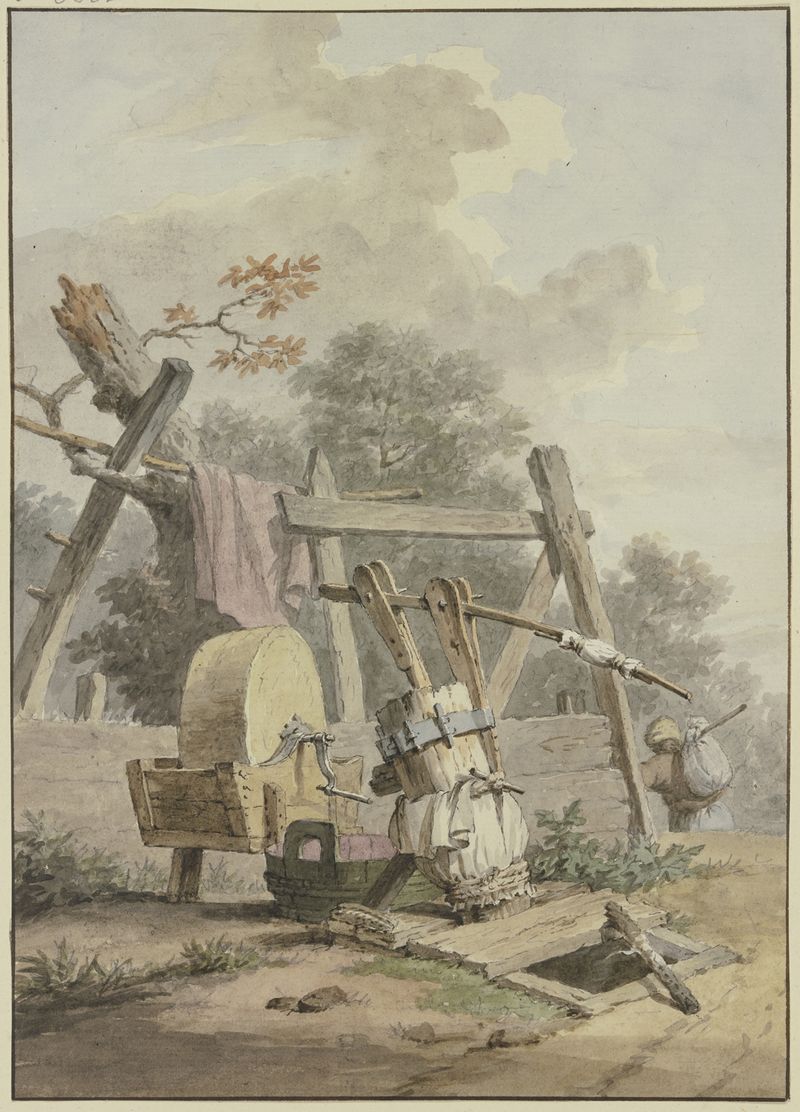
Ein Schleifstein bei einem Brunnen
Pieter Bartholomeusz. Barbiers





