
Huis met achtertuin — History & Facts
Could a single brushstroke hold eternity? In Huis met achtertuin, the delicate interplay of light and shadow transcends time, inviting contemplation of how our spaces shape our destinies. Look to the left at the quaint house, its walls warm with hues of ochre and cream, radiating a sense of domestic tranquility. The artist’s meticulous attention to detail draws your gaze to the garden, where vibrant greens intertwine with bursts of colorful blooms, each petal seemingly alive with movement. Notice how the sun filters through the leaves, casting dappled patterns onto the ground—a visual echo of nature's embrace that underscores the serenity of this domestic sanctuary. In this composition, the stillness of the scene contrasts with the bustling world outside its garden gate.
The meticulously painted foliage suggests growth and renewal, hinting at the passage of time, while the rigid structure of the house embodies permanence and stability. Together, they reflect the tension between the fleeting nature of life and the enduring impact of our chosen spaces—reminders that our surroundings can shape the very essence of our existence. Created between 1782 and 1837, this work emerged during a period when Bartholomeusz. Barbiers was establishing himself within the art community of the Netherlands.
The early 19th century was marked by a transition in artistic styles, as Romanticism began to influence painters, leading them to explore intimate themes of home and belonging. This painting represents a moment of balance as the artist sought to capture the quiet lives within the ever-changing tides of society.
More Artworks by Pieter Bartholomeusz. Barbiers
Browse all →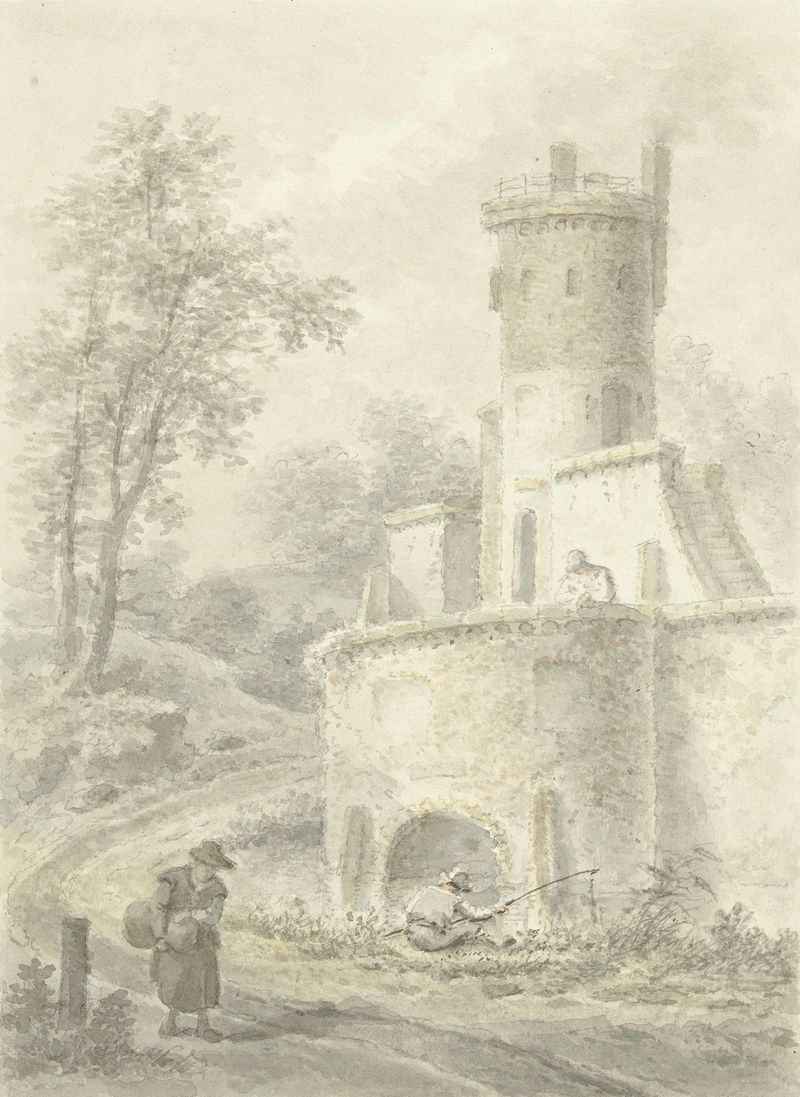
Landschap met hengelaar en wandelende vrouw bij een vestingtoren
Pieter Bartholomeusz. Barbiers
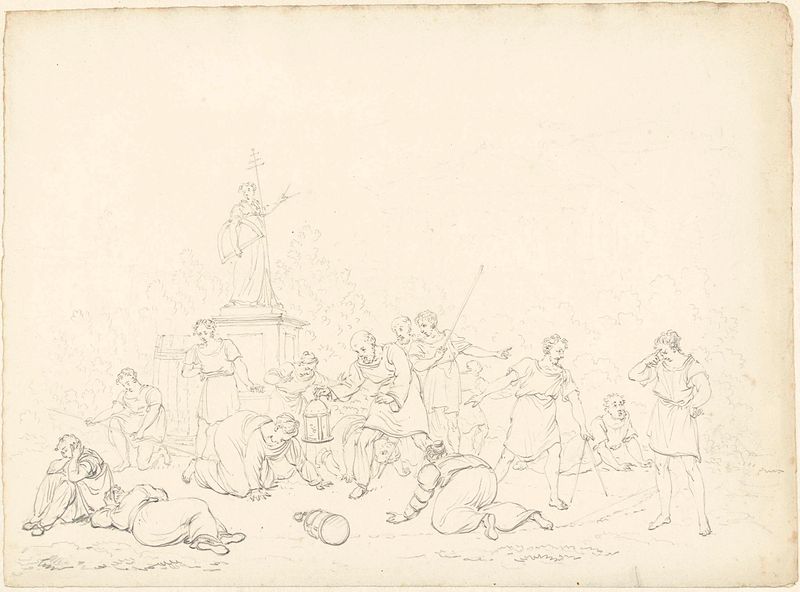
Diogenes met een lantaren een mens zoekend
Pieter Bartholomeusz. Barbiers
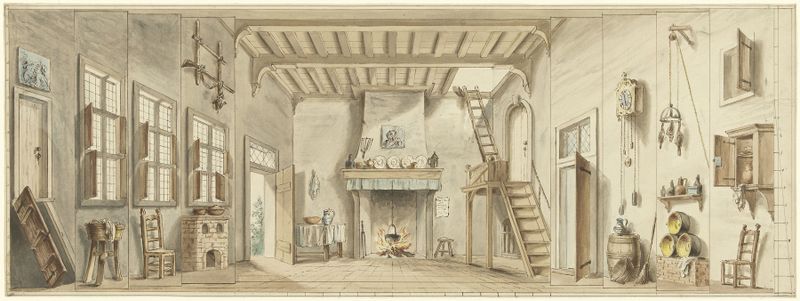
Ontwerp voor een toneeldecor voor de Vlaamse opera Het Kapertje
Pieter Bartholomeusz. Barbiers
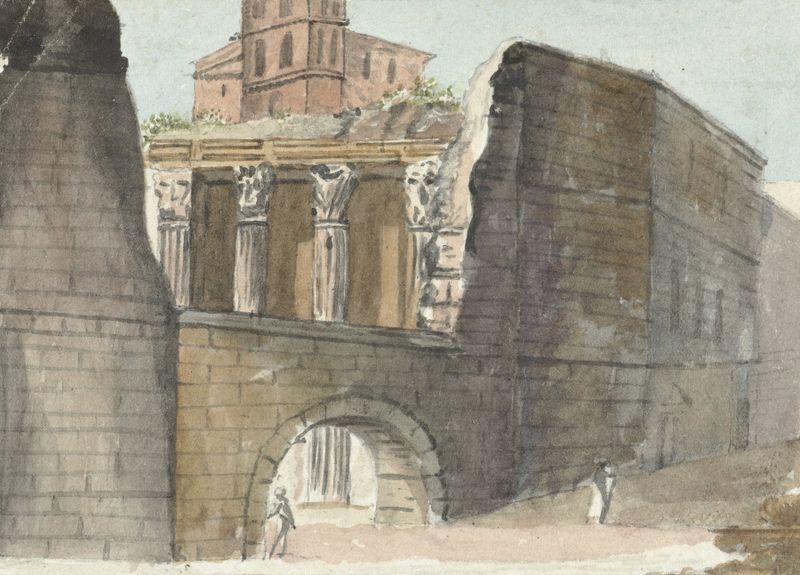
Romeinse ruïnes
Pieter Bartholomeusz. Barbiers
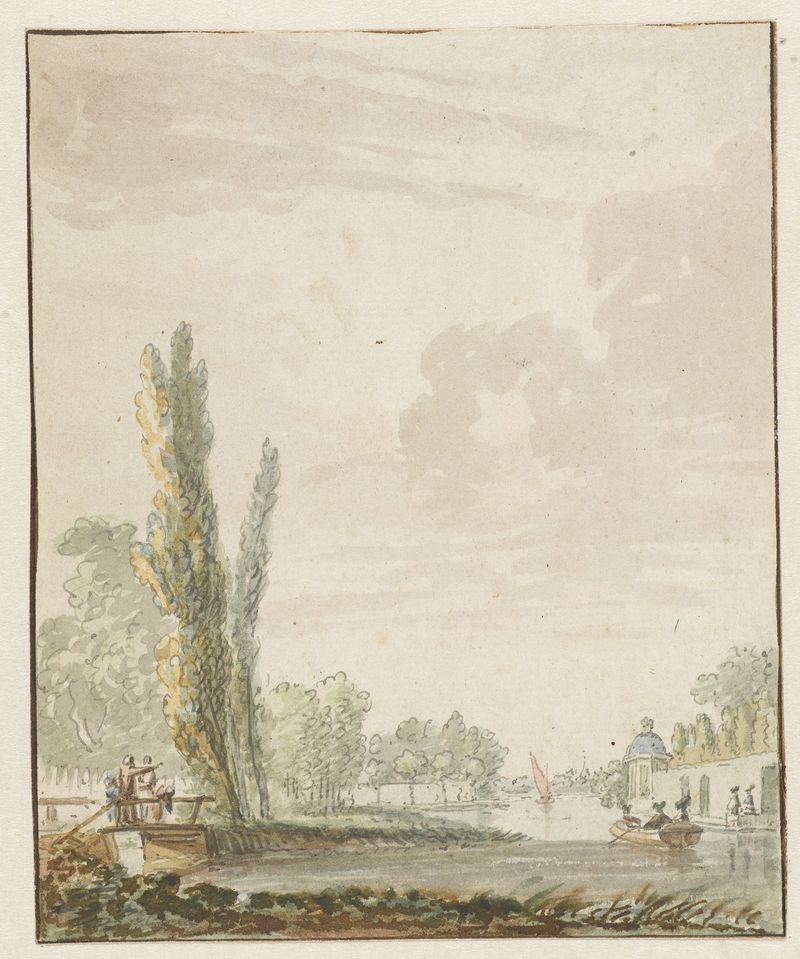
Gezicht langs een rivier met rechts een theekoepelje
Pieter Bartholomeusz. Barbiers
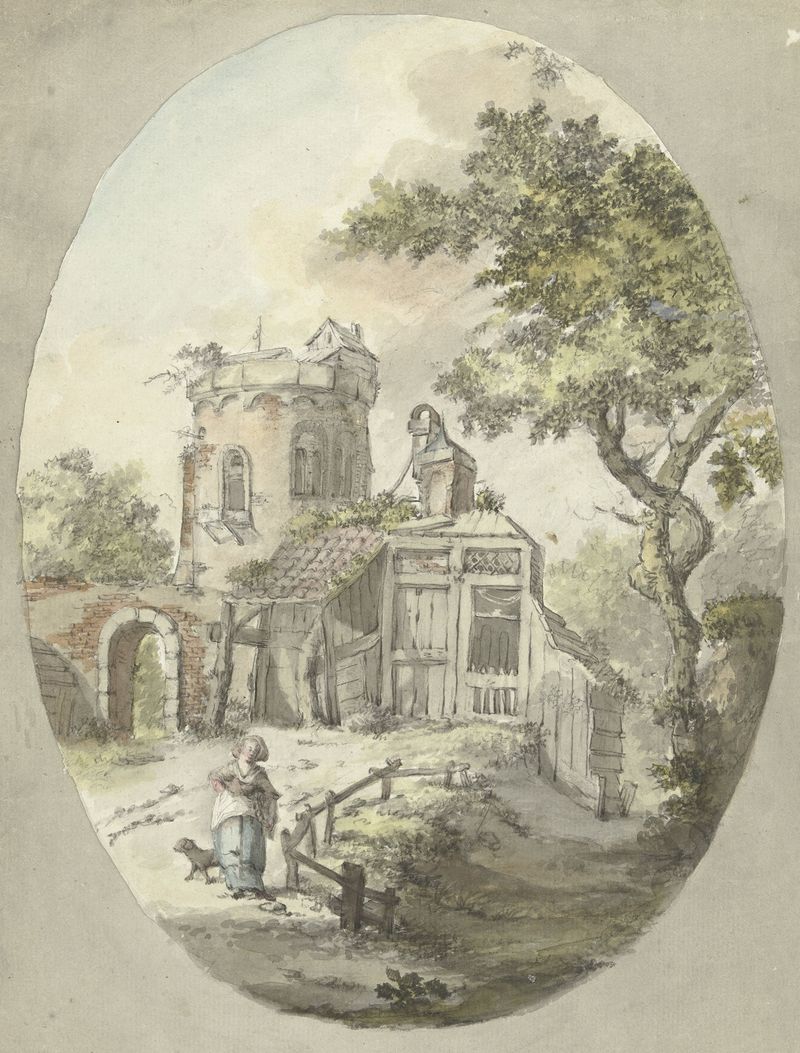
Vrouw met hond voor bouwval aan een toren
Pieter Bartholomeusz. Barbiers
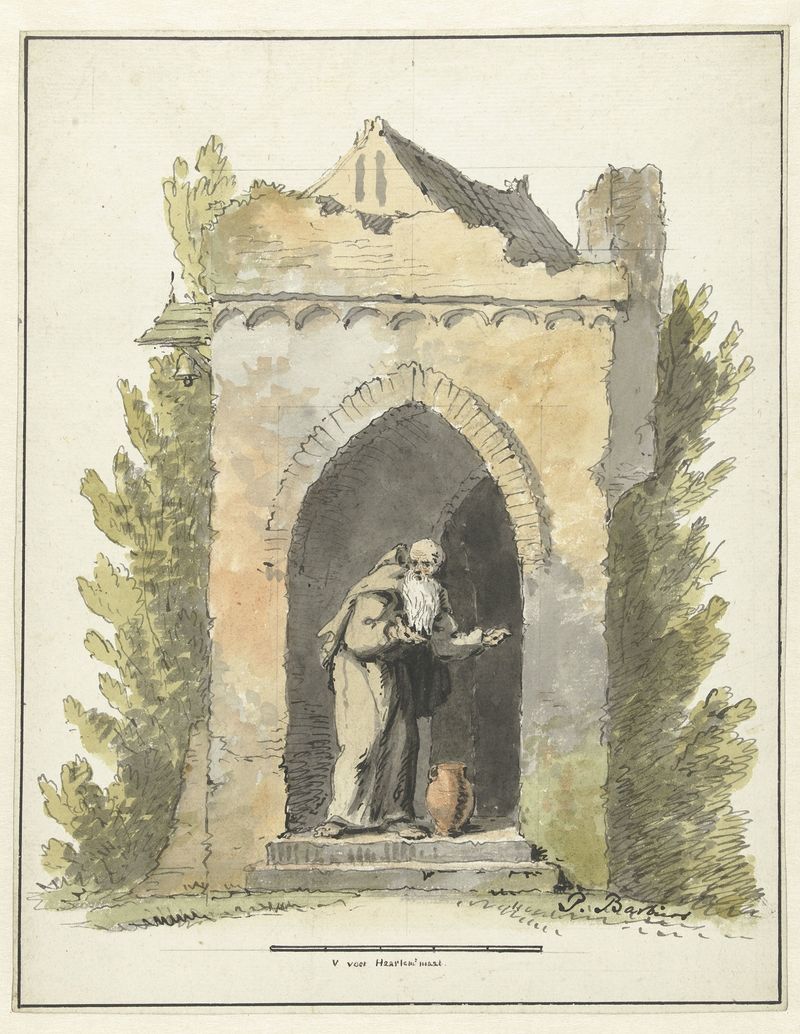
Kluizenaar voor een stenen kapel
Pieter Bartholomeusz. Barbiers
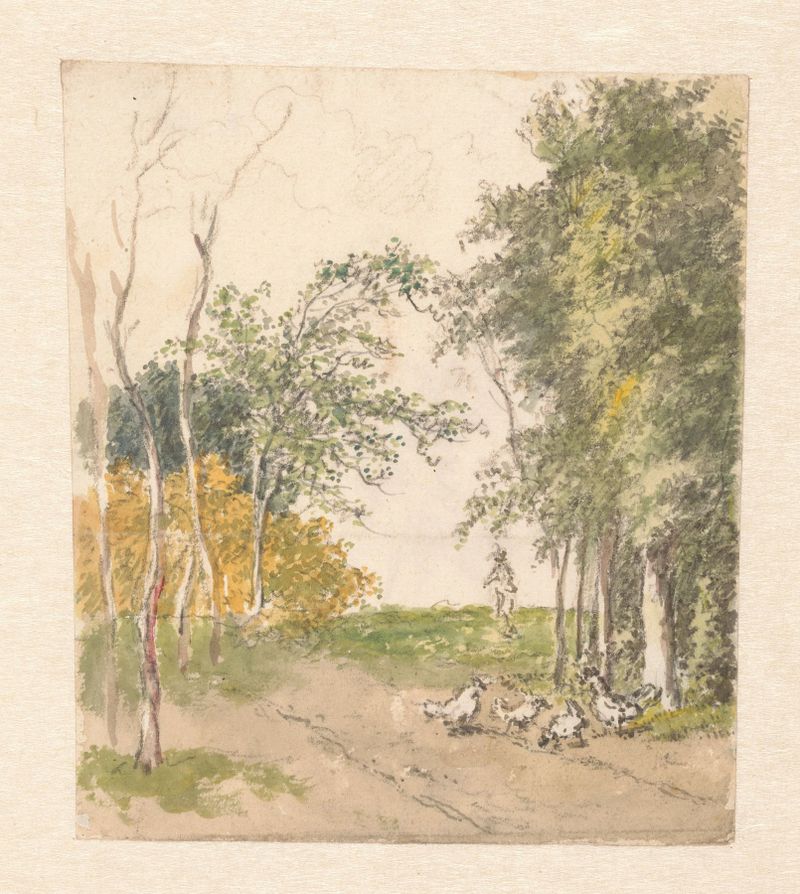
Landschap met kippen langs de weg
Pieter Bartholomeusz. Barbiers
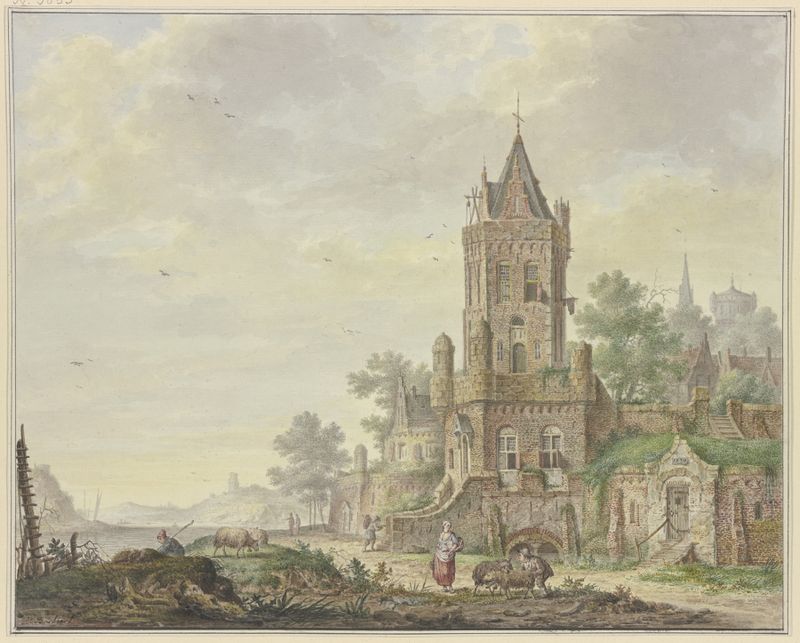
Stadt mit einem alten Turm am Wasser, vorne eine Frau bei einem Knaben mit zwei Schafen
Pieter Bartholomeusz. Barbiers
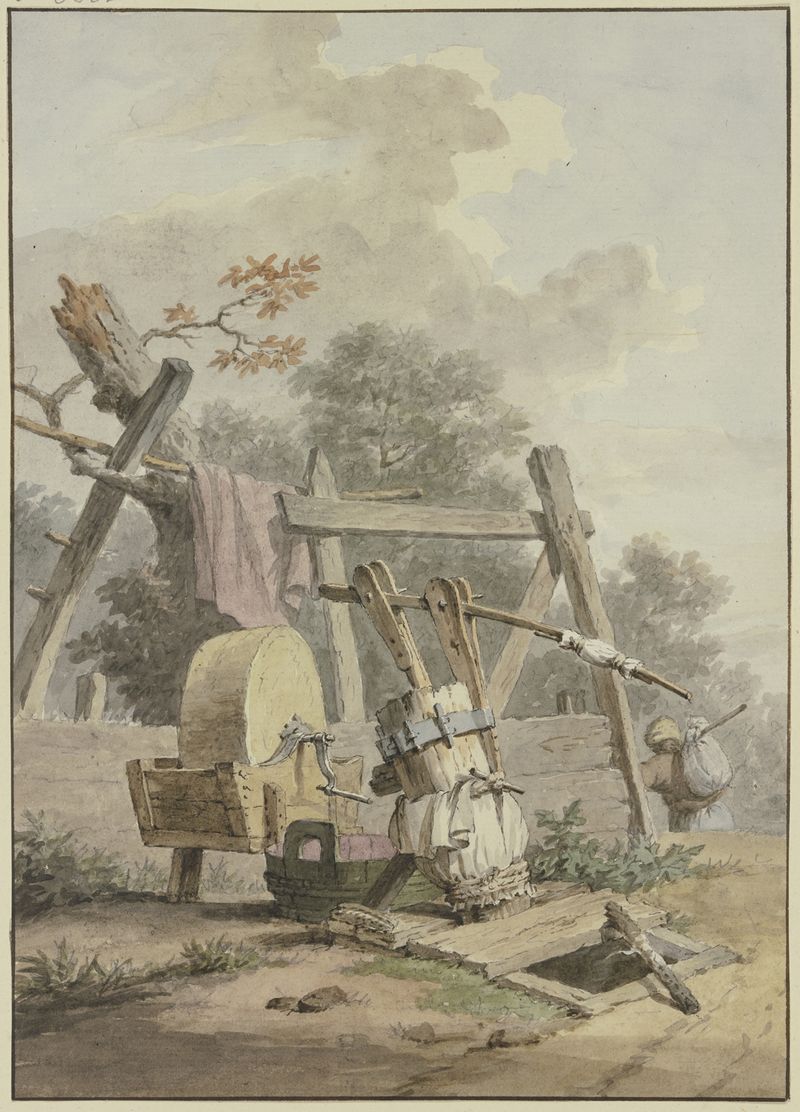
Ein Schleifstein bei einem Brunnen
Pieter Bartholomeusz. Barbiers





