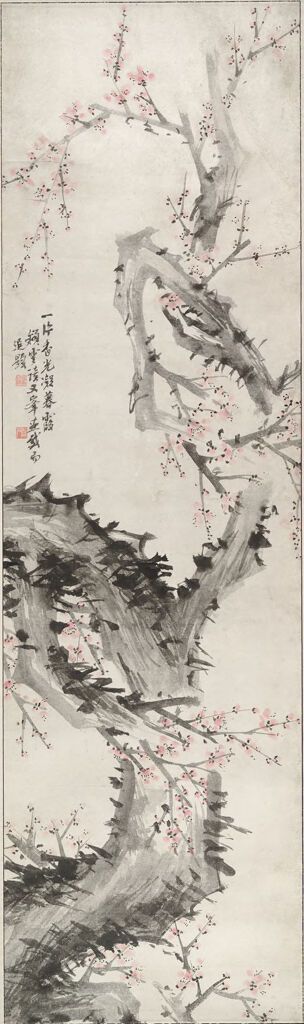
Rosengarten — History & Facts
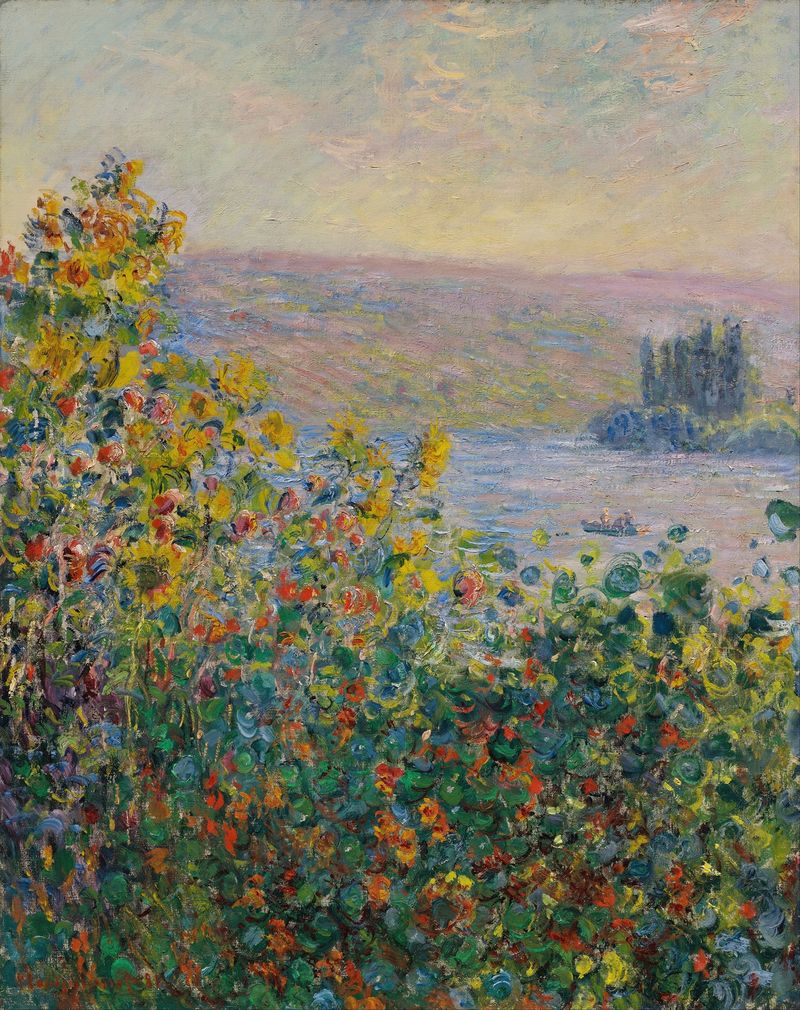
What if silence could speak through light? In the interplay of colors and forms, Rosengarten unveils a world where ecstasy breathes through stillness. Look to the left at the radiant blooms, where lush petals burst forth in a symphony of pinks and reds, effortlessly drawing the eye. The delicate brushstrokes create a vibrancy that feels almost palpable, while the soft golden light bathes the scene, highlighting the textures of each flower. Notice how the background fades into a gentle blur, allowing the foreground to pulsate with life.
This juxtaposition of clarity and abstraction invites contemplation, urging the viewer to delve deeper into the garden’s essence. Hidden within the riot of colors are whispers of deeper emotions—the tension between joy and melancholy, the fleeting nature of beauty. The shadows that dance among the petals mirror the darker undertones of existence, suggesting that ecstasy is often intertwined with the impermanence of life. Each bloom, a moment of bliss, stands in stark contrast to the inevitable decay, challenging us to embrace the transient joys that punctuate our existence. In 1926, Charles Vetter painted this piece during a time of personal exploration and artistic development.
Living in a world recovering from the turbulence of war, he sought solace in nature and the beauty it offered. The burgeoning movements in art, particularly the rise of modernism, influenced his approach, as he navigated the balance between emotion and representation, ultimately capturing a moment of pure, unspoken ecstasy in Rosengarten.
More Artworks by Charles Vetter
Browse all →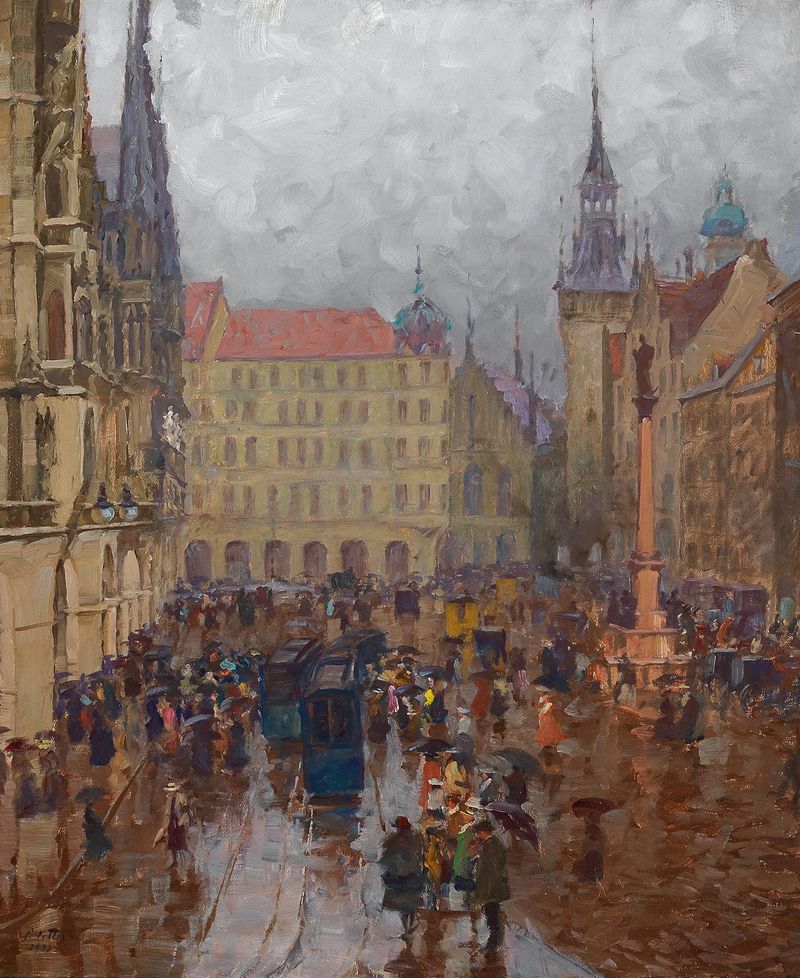
München Marienplatz und altes Rathaus
Charles Vetter
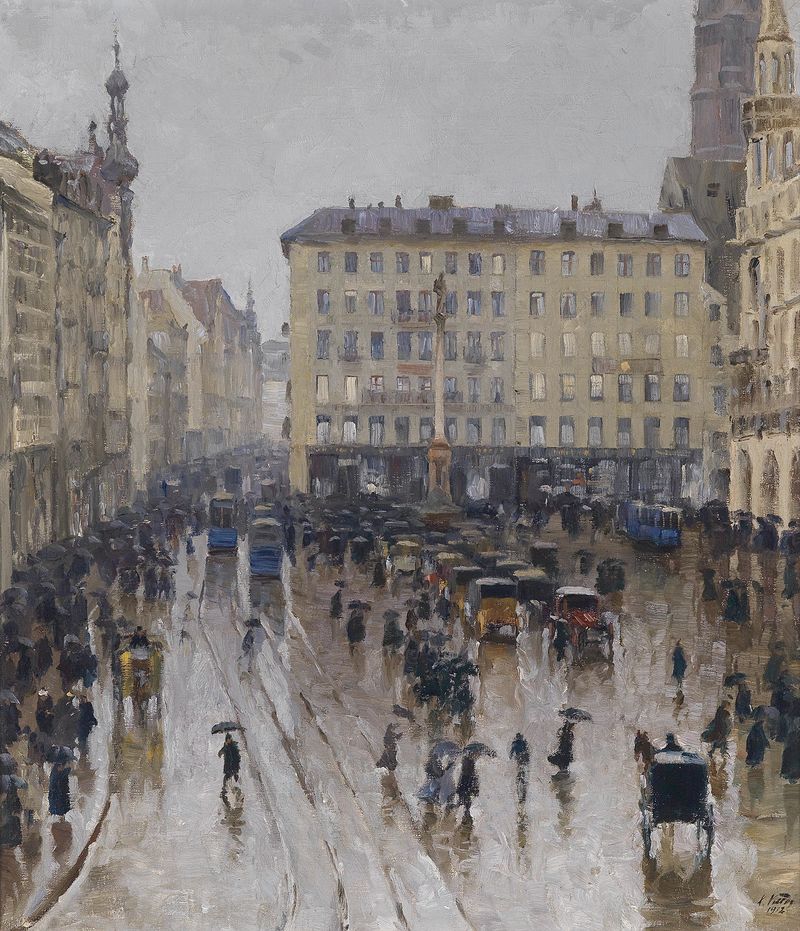
Blick auf den Marienplatz in München
Charles Vetter
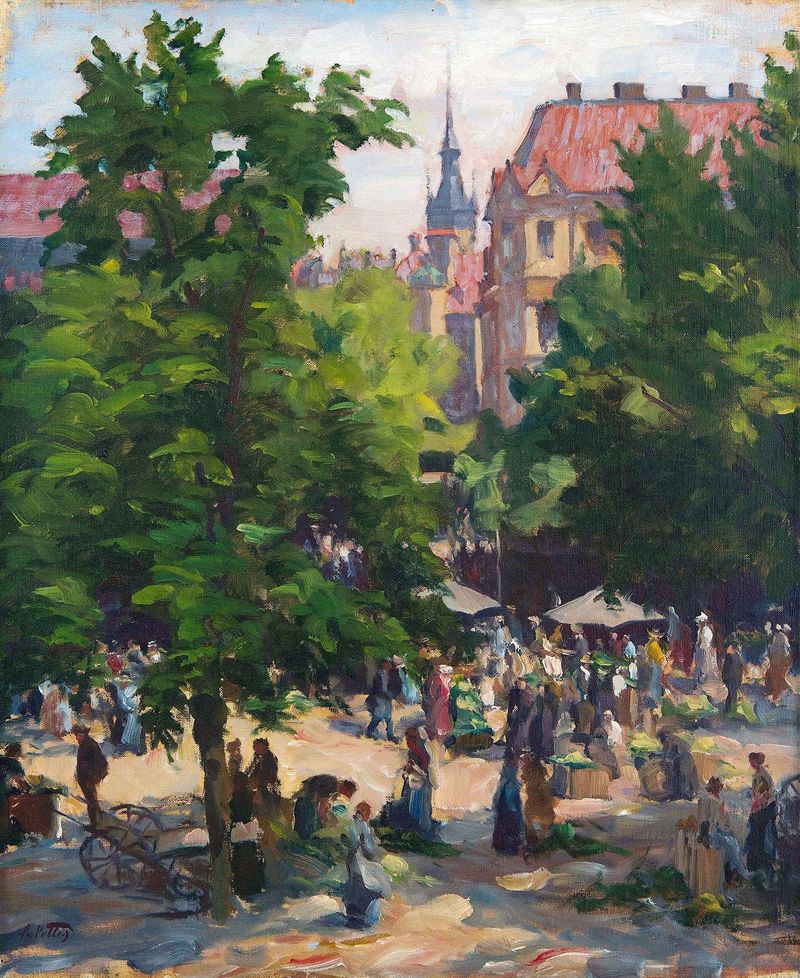
Der Viktualienmarkt in München
Charles Vetter
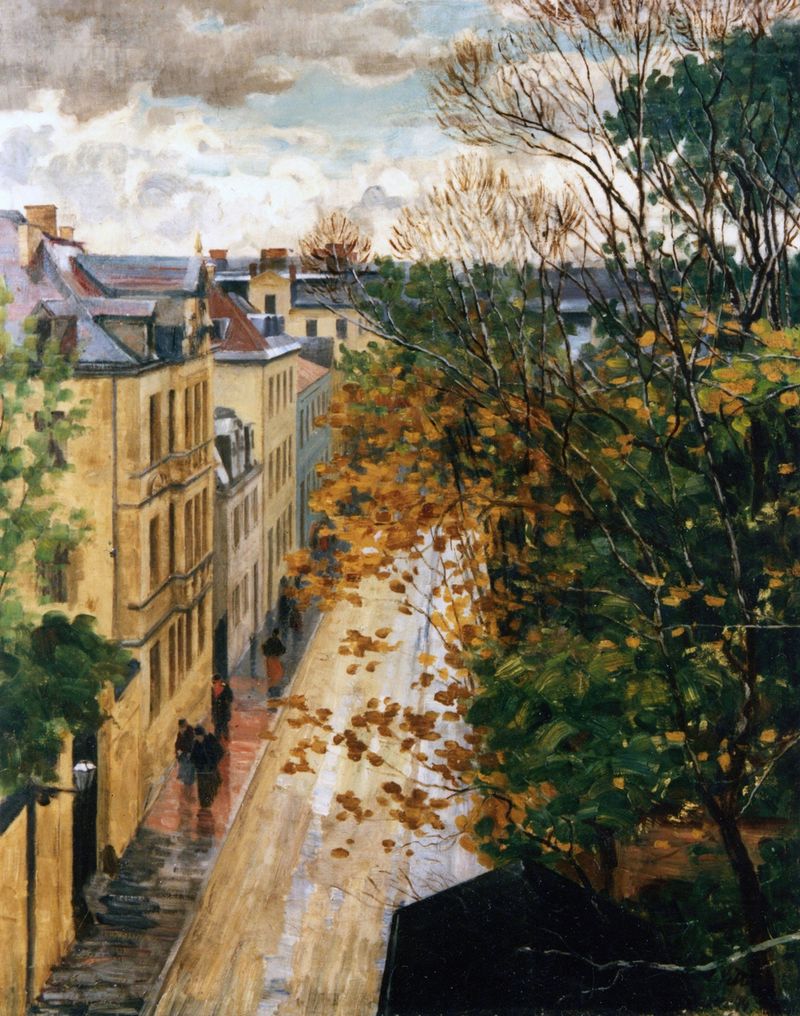
Die Kaulbachstraße in München nach dem Gewitter
Charles Vetter
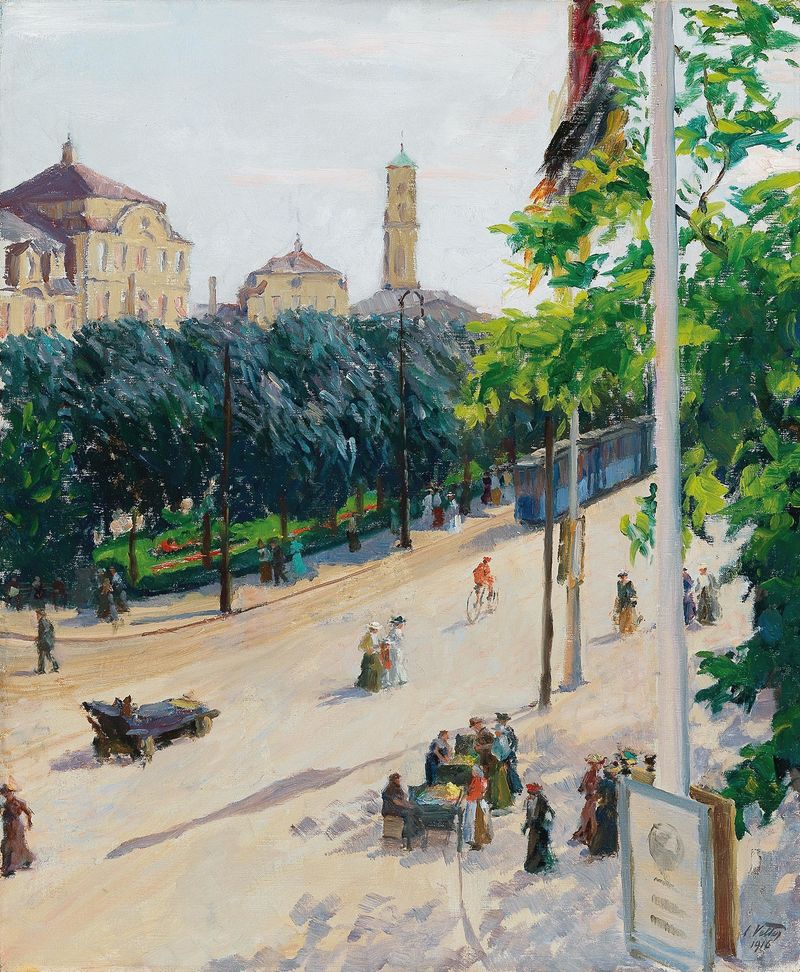
A view of the southern Stachus Rondell, the Sonnenstraße and the old St Matthew’s Church
Charles Vetter
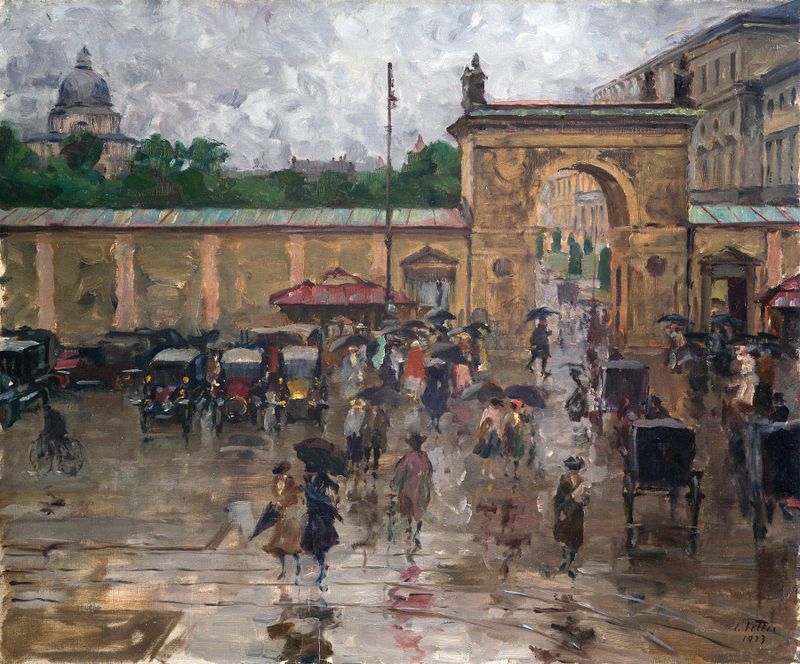
München – Odeonsplatz im Regen
Charles Vetter
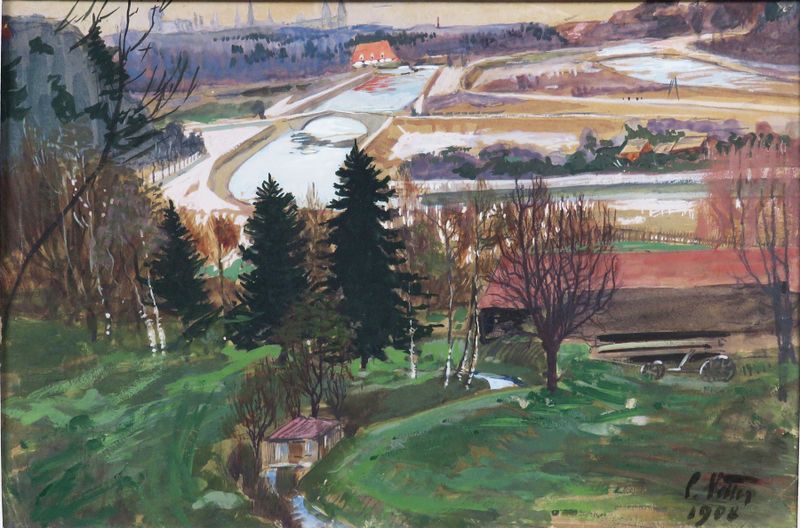
Au Vorstadt-Landschaft
Charles Vetter
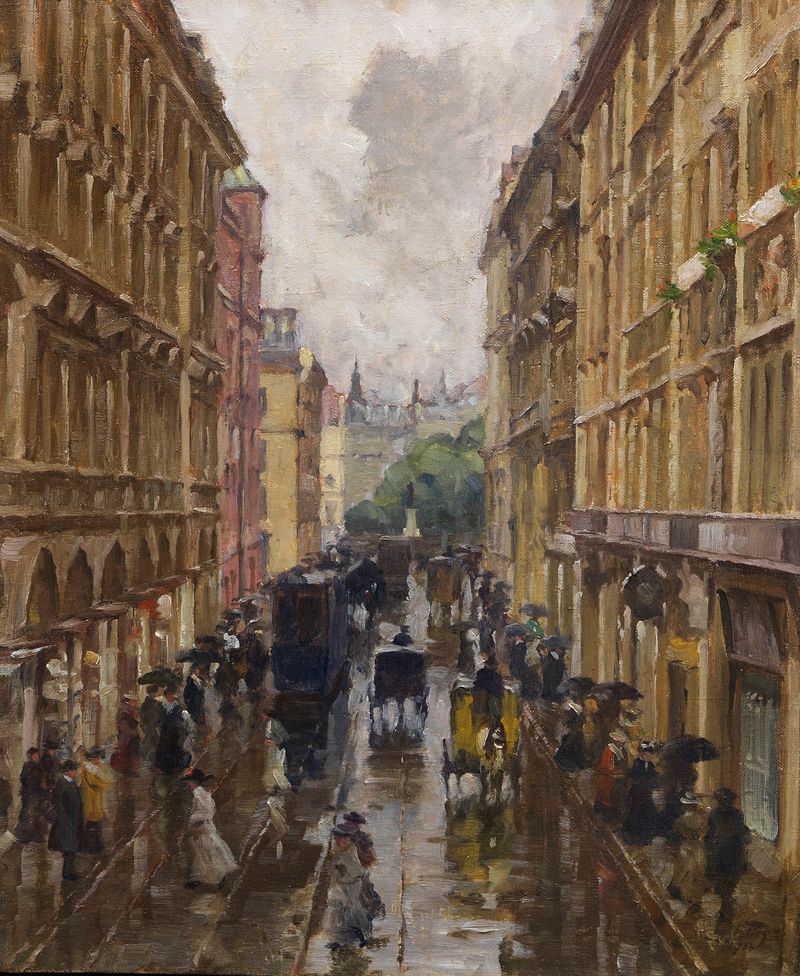
Maffeistraße im Regen
Charles Vetter
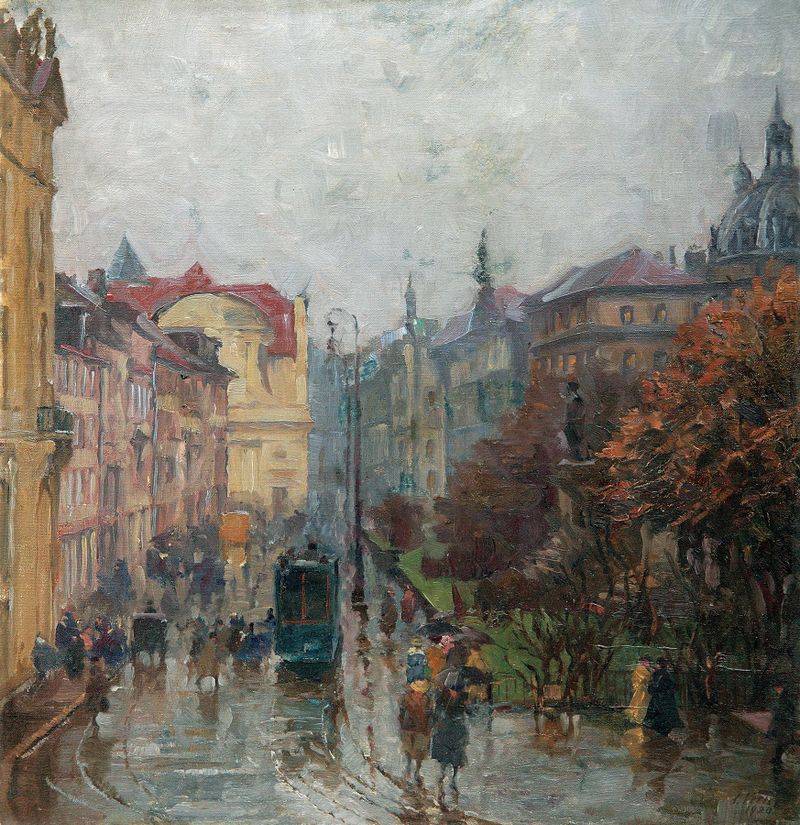
Promenadeplatz in München im Regen
Charles Vetter
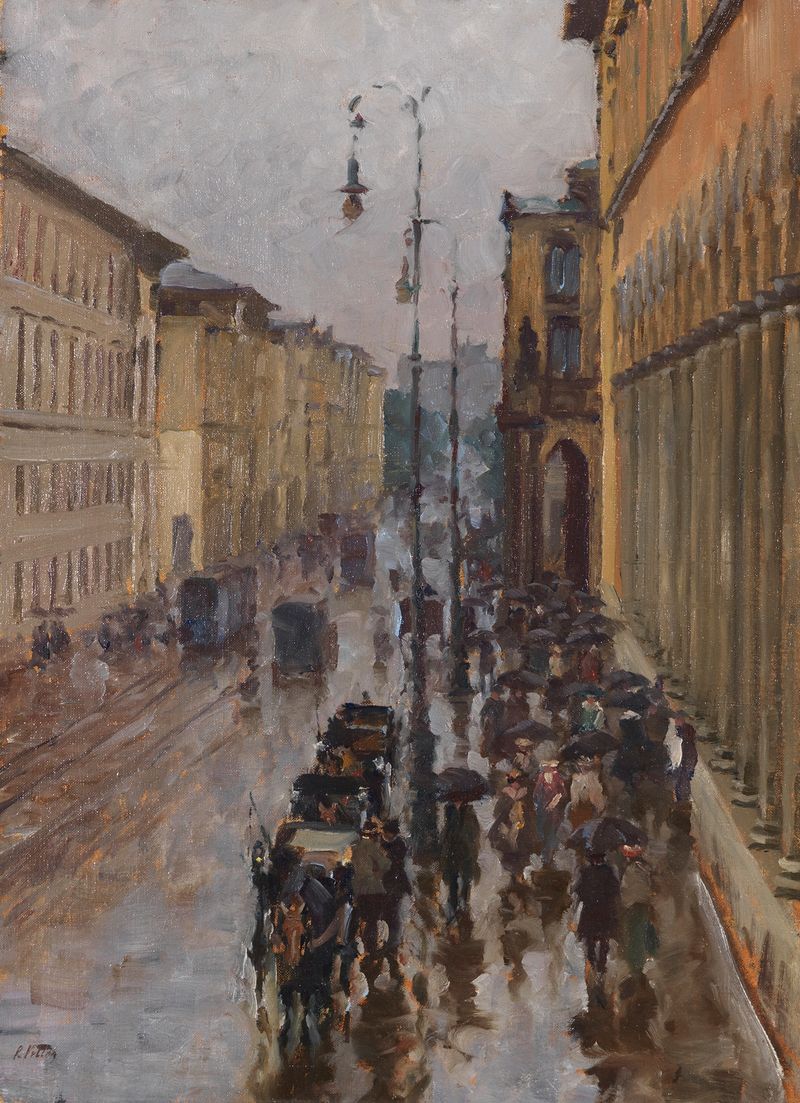
Die Maximilianstraße in München
Charles Vetter