Orchard — History & Facts
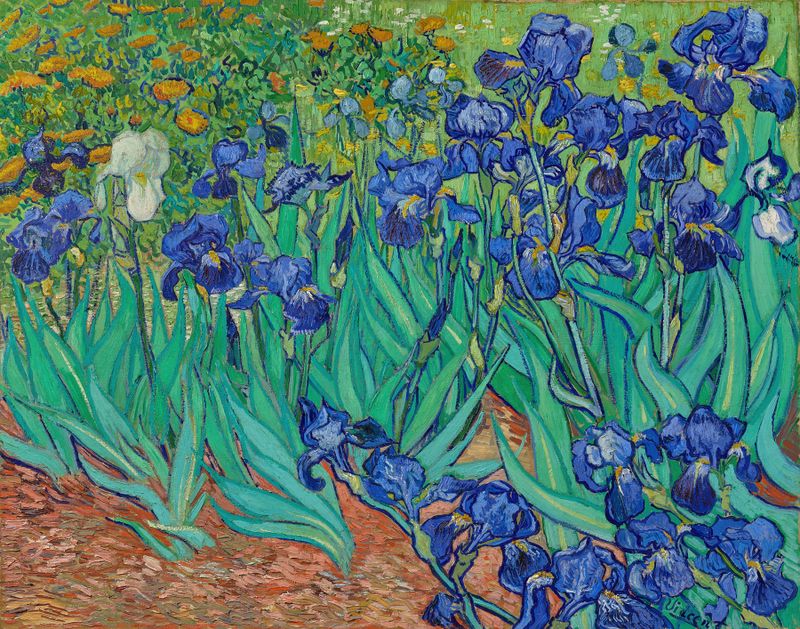
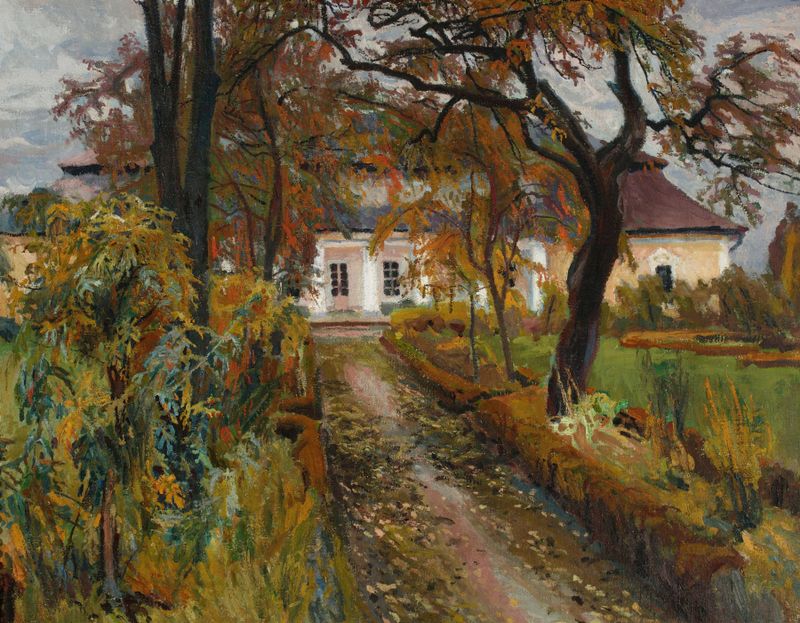
The essence of longing permeates the air, whispering secrets of moments lost and dreams yet to be fulfilled. Here, in the embrace of nature, we find a world captured with delicate honesty. Look to the left at the cascade of blossoms, each petal a brushstroke of fervent white and soft pink. The sunlight filters through the foliage, casting a dappled glow that dances across the canvas.
Notice how the deep greens of the leaves harmonize with the warm earth tones, creating a serene backdrop that invites reflection. The careful composition draws your eye downward, leading you to the winding path that beckons explorers to wander deeper into this orchard of possibility. Beneath the surface, one can sense a duality; the vibrant life of the blossoming trees contrasts sharply with the stillness that envelops the scene. Each flower represents the potential of renewal and hope, yet there’s an undercurrent of melancholy—a reminder of transience and the inevitable passing of time.
The painter’s choice of color and light reflects not just the beauty of the orchard, but also a yearning for connection, echoing the delicate balance between joy and sorrow. Created during the late 19th century, the artist's work often captured the poignant beauty of rural landscapes. At this time, he was deeply influenced by the Impressionist movement, striving to encapsulate fleeting moments of nature. This was a period when artists sought to convey their emotional responses to the world, allowing personal and universal themes of longing to resonate through their art.
More Artworks by Stanisław Kamocki
Browse all →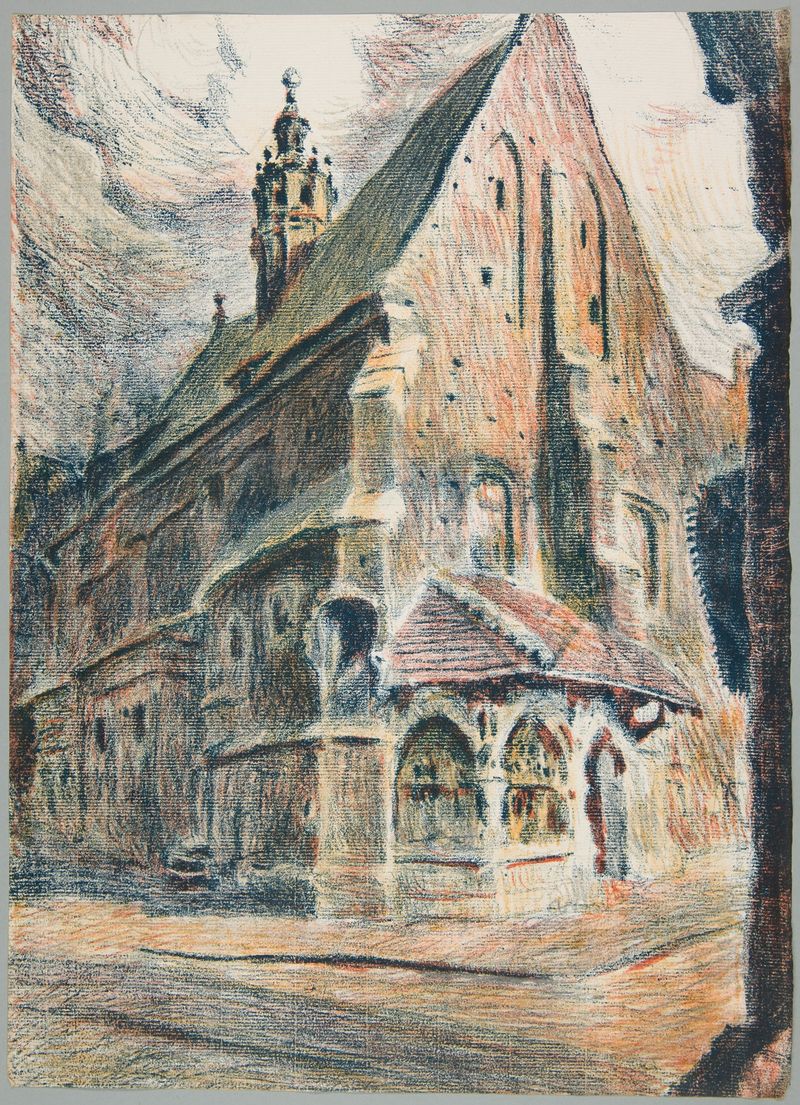
Church of St. Barbara
Stanisław Kamocki
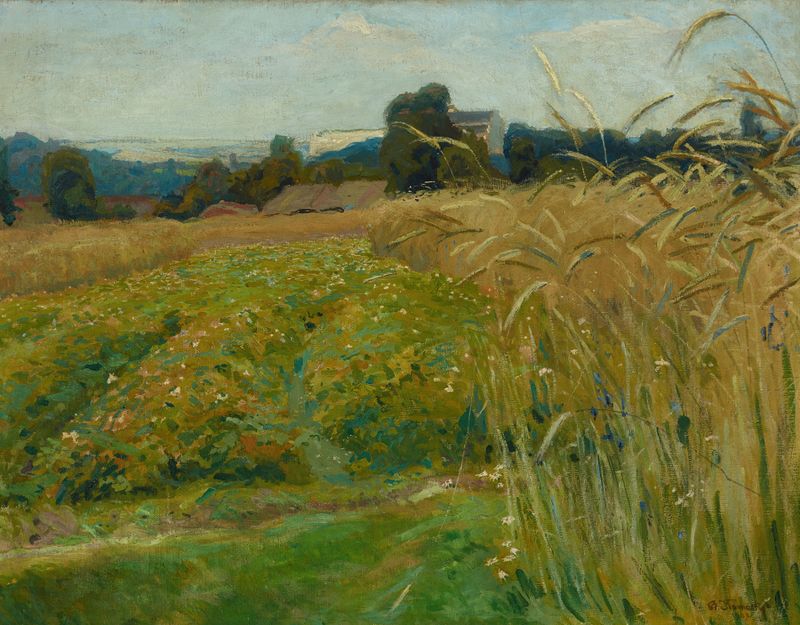
Landscape from the Vincity of Krakow
Stanisław Kamocki

Rialto Bridge in Venice
Stanisław Kamocki
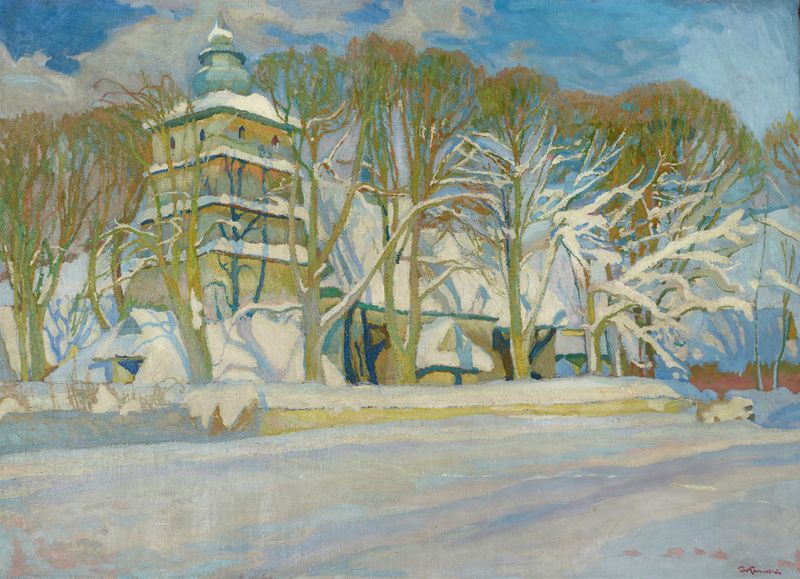
Church in Poronin
Stanisław Kamocki
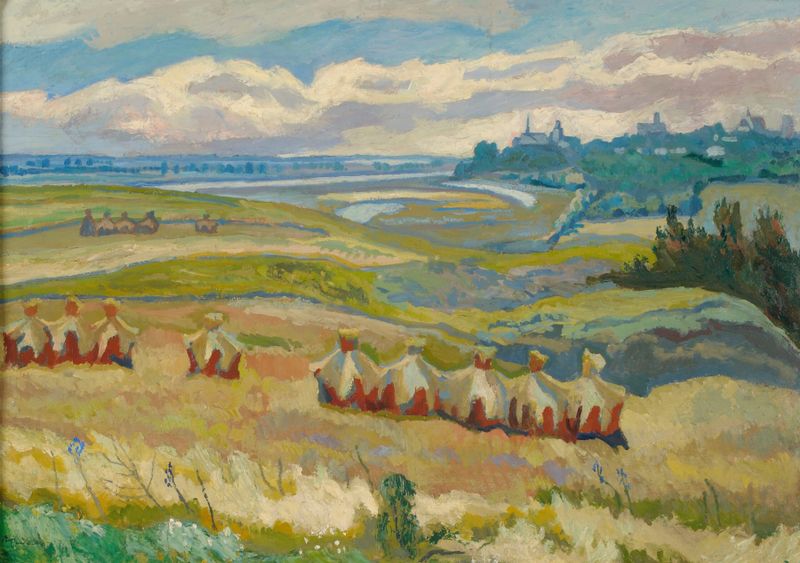
View of Sandomierz
Stanisław Kamocki
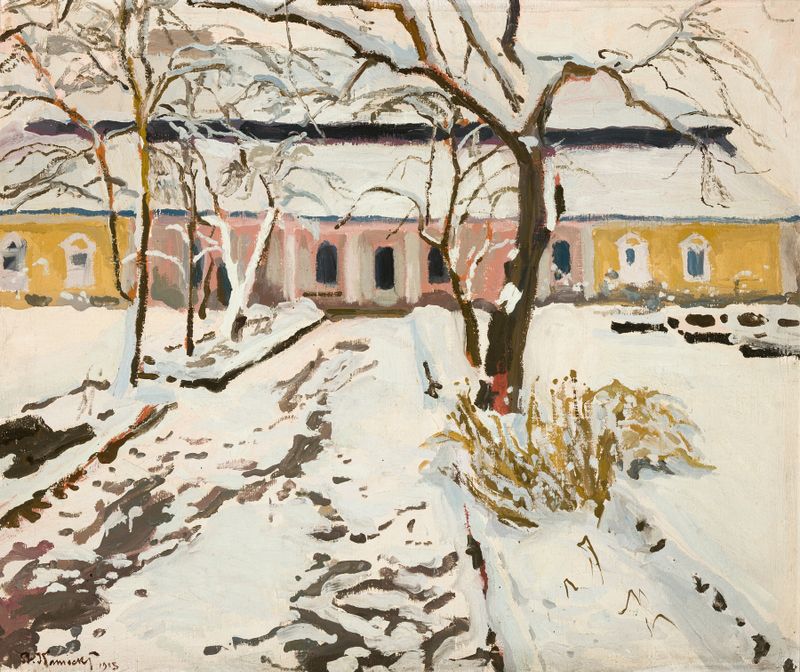
Manor-House at Modlnica in Winter
Stanisław Kamocki

Church in Libusza
Stanisław Kamocki
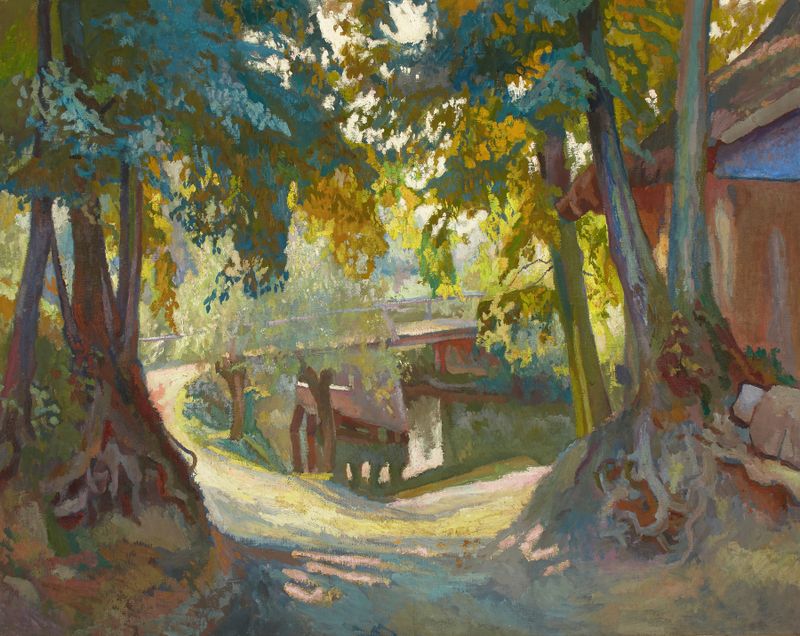
Day in Autumn
Stanisław Kamocki
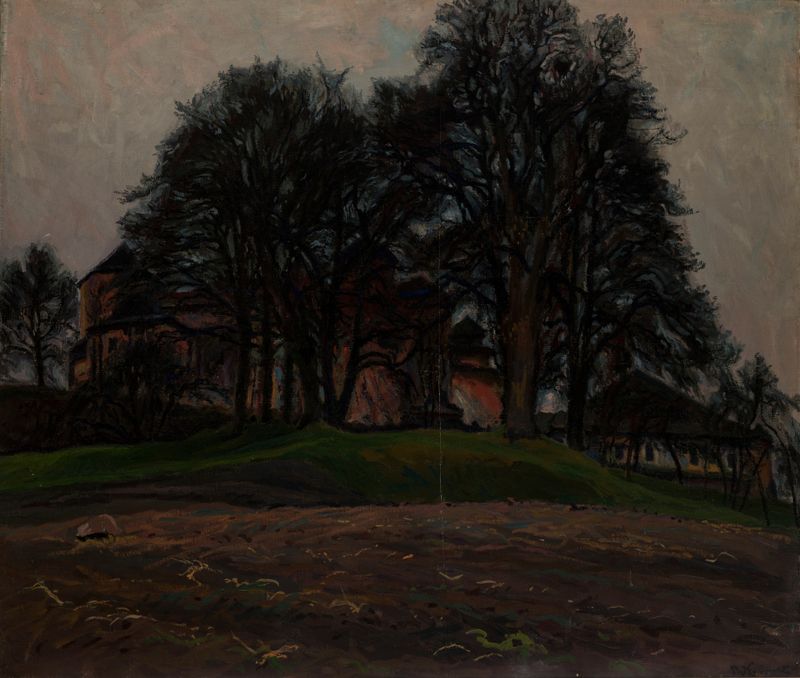
Late Autumn
Stanisław Kamocki
Manor house in autumn
Stanisław Kamocki