
Rotterdam — History & Facts
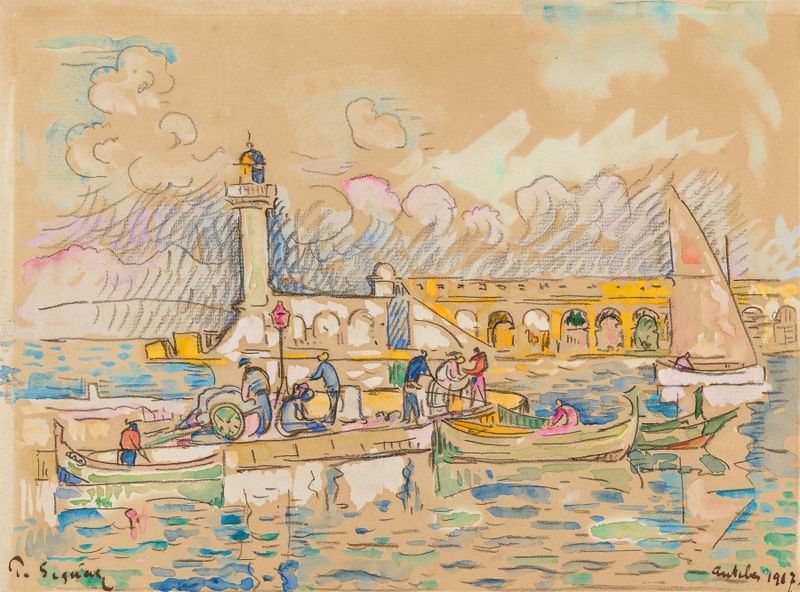
In a world often preoccupied with noise and distraction, the silent depths of a canvas can speak profoundly of human experience and emptiness. Look to the left at the vibrant hues of blue and green swirling into one another, forming the tranquil waters of the port city. The sharp, angular lines of the buildings loom in the background, their muted colors contrasting the lively palette of the sea. Notice how the brushstrokes vary in intensity, some sharp and others soft, inviting the eye to wander over the surface and explore the transitional moments between the two realms of city and water. Delve deeper into the piece, and you’ll sense an intriguing tension between the bustling life of Rotterdam and an underlying stillness that permeates the composition.
The juxtaposition of the vibrant reflections in the water against the immobile façade of the structures hints at the duality of existence—where vibrancy coexists with solitude. The distant horizon, a blend of colors and forms, captures both the vibrancy of life and the emptiness that often accompanies urban landscapes. In 1906, the artist painted this work during a time when he was deeply engaged with the Neo-Impressionist movement, exploring the interplay of color and light. Living in France, Signac was influenced by the evolving artistic landscape and the burgeoning modernity of cities, while also grappling with the emotional resonance of what it meant to depict urban life.
His mastery of color theory is evident, as he crafts a narrative that reveals the complexities of human experience against a backdrop of urban emptiness.
More Artworks by Paul Signac
Browse all →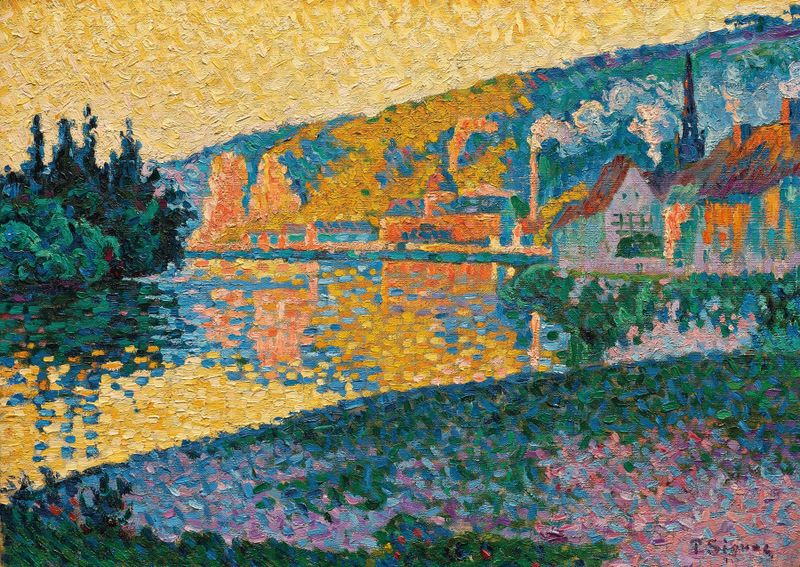
Les Andelys. Soleil couchant
Paul Signac
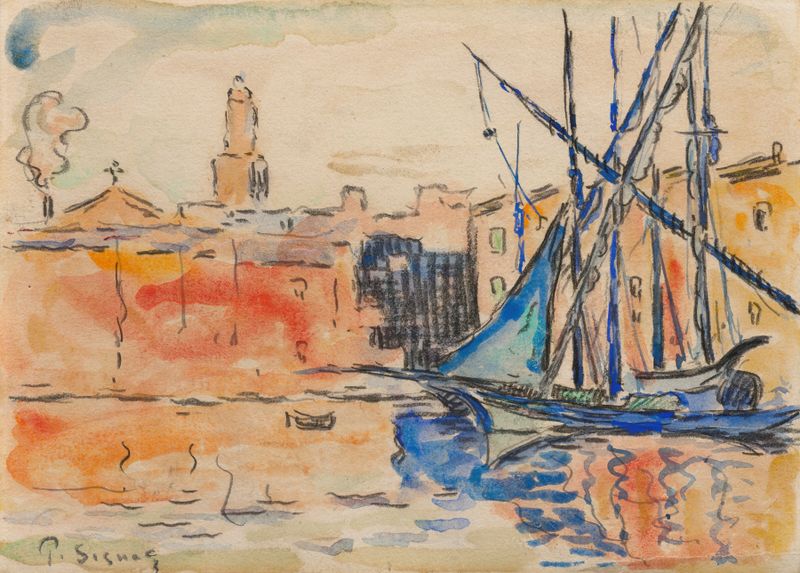
Saint-Tropez, le port
Paul Signac
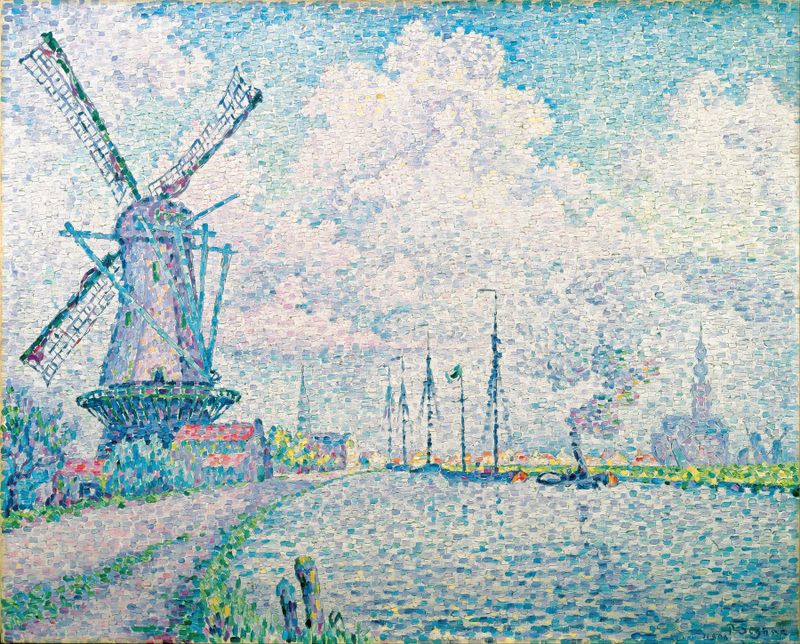
Canal of Overschie
Paul Signac
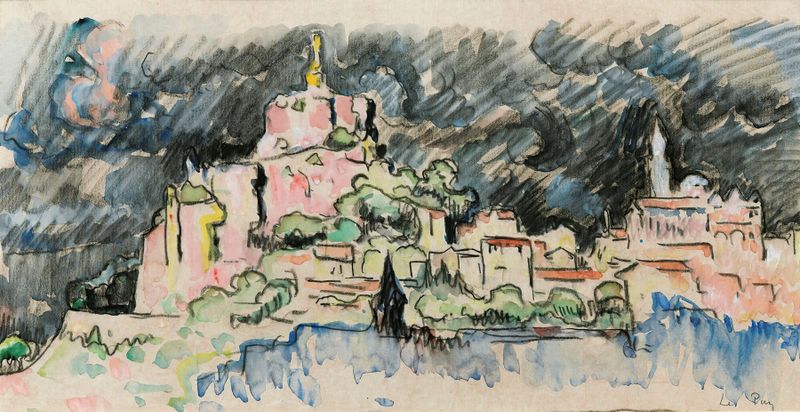
Le Puy-En-Velay, Ciel D’orage
Paul Signac
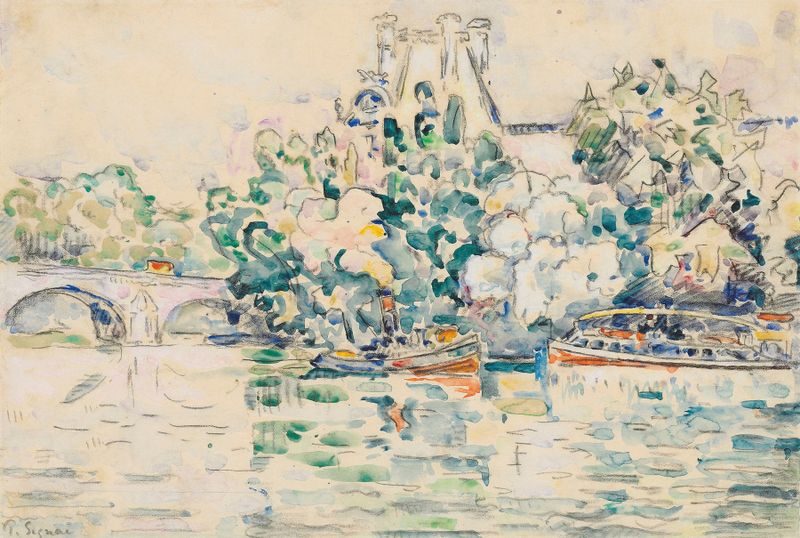
Paris, La Seine au Pont-Royal
Paul Signac
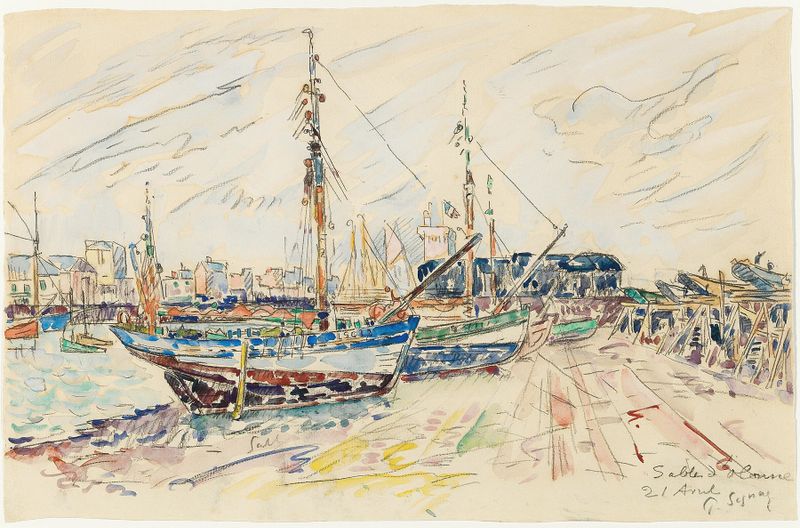
Sables d’Olonne
Paul Signac
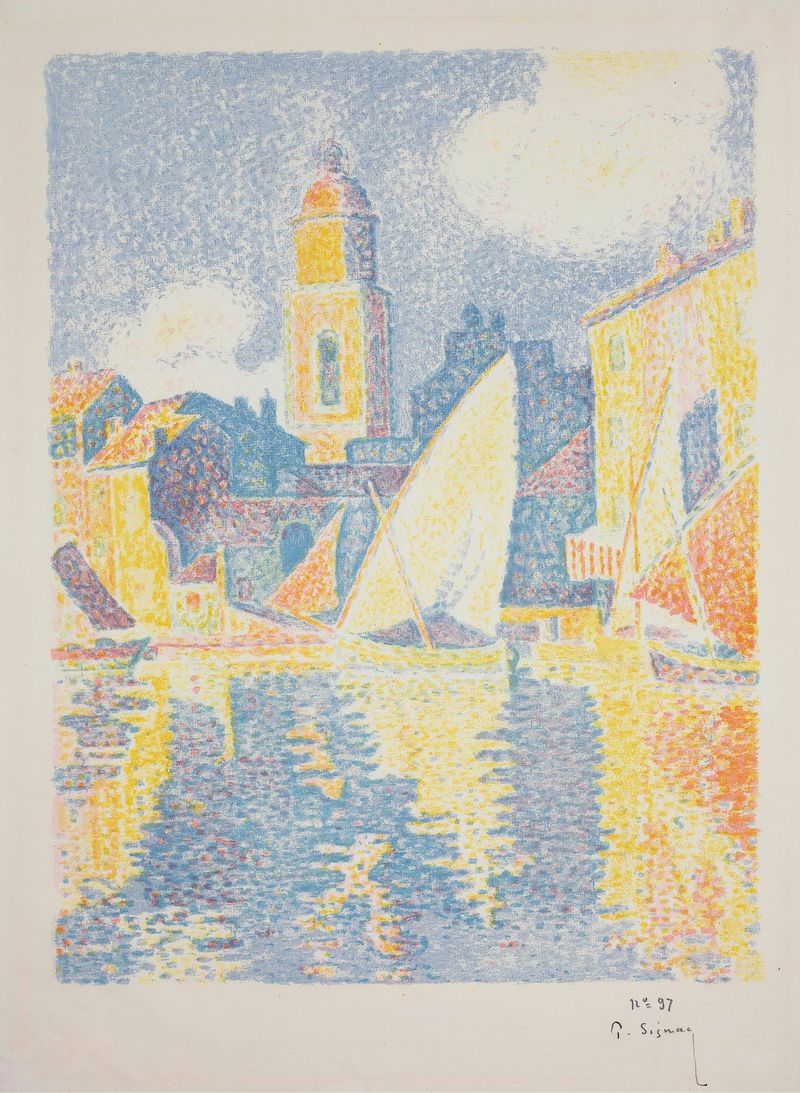
The Port of St. Tropez
Paul Signac
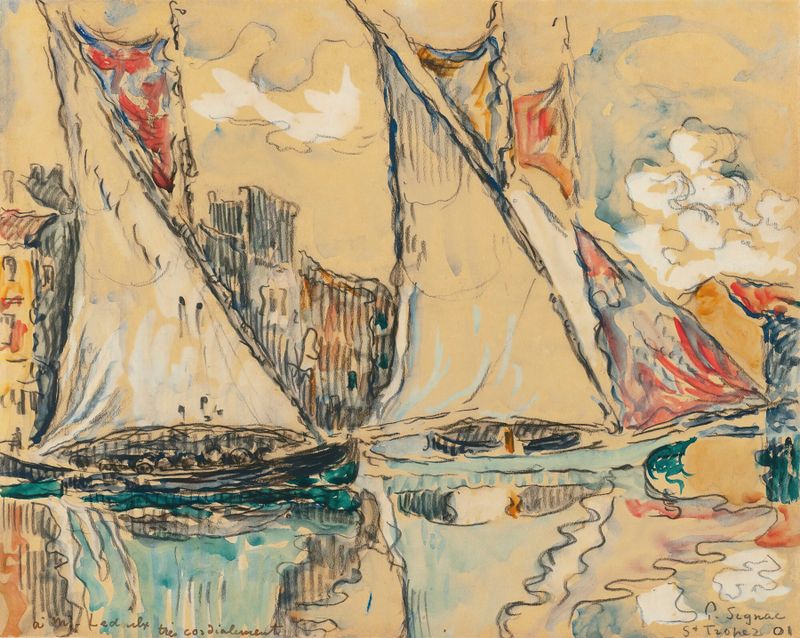
Saint-Tropez, Voiles Au Sec
Paul Signac
Antibes
Paul Signac

Saint-Tropez
Paul Signac





