
Route À Louveciennes — History & Facts
In Route À Louveciennes, the shadows cast by overhanging branches whisper of hidden stories, echoing the quiet struggles beneath the surface of serene landscapes. Look to the center, where a winding path leads the viewer's eye into a shimmering embrace of light and shadow. The soft, dappled sunlight filters through the foliage, illuminating patches of vibrant greens and earthy browns, while dark shapes cling to the edges, hinting at the complexities of nature. Pissarro's brushstrokes dance with spontaneity, capturing the essence of a moment, as if he sought to immortalize the fleeting play of light that defines this tranquil scene. Beneath the idyllic facade, there lies a tension between the illuminated parts of the landscape and the shadows that linger, suggesting the duality of existence.
The vibrant colors of the path contrast sharply with the darker hues that frame it, embodying the struggle between joy and sorrow, clarity and obscurity. This interplay serves as a poignant reminder that tranquility often exists alongside unease, and beauty can be a mask for deeper truths. In 1870, Pissarro painted this work while living in France, a time of great change and upheaval. The Franco-Prussian War was looming, and the artist found himself grappling with personal and societal challenges.
As he captured the rural landscape of Louveciennes, he was also navigating his place within the impressionist movement, searching for a voice that could articulate both the exquisite beauty and underlying complexities of life.
More Artworks by Camille Pissarro
Browse all →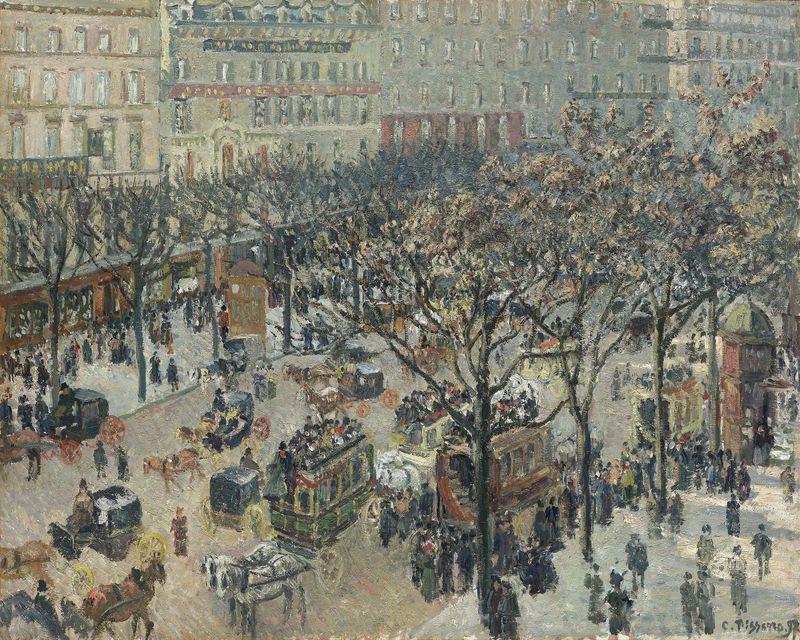
Boulevard des Italiens,Morning_Sunlight
Camille Pissarro
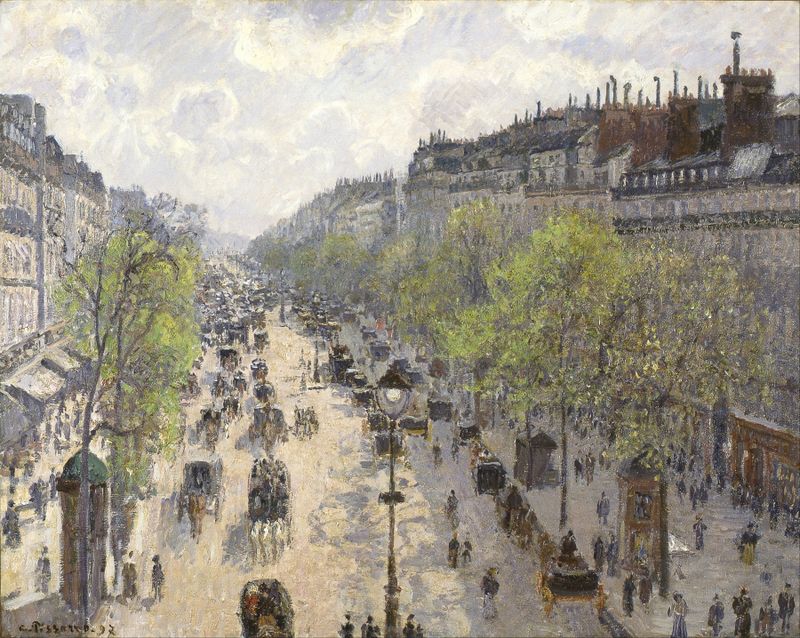
Boulevard Montmartre, Spring
Camille Pissarro
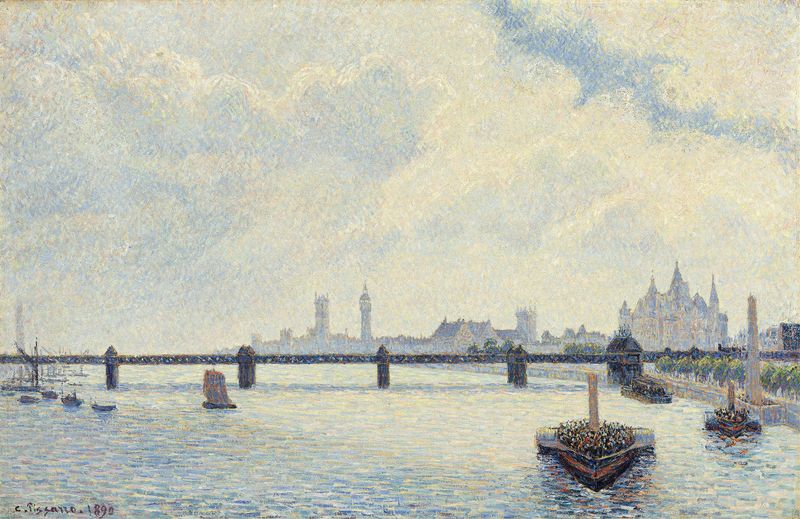
Charing Cross Bridge,London
Camille Pissarro
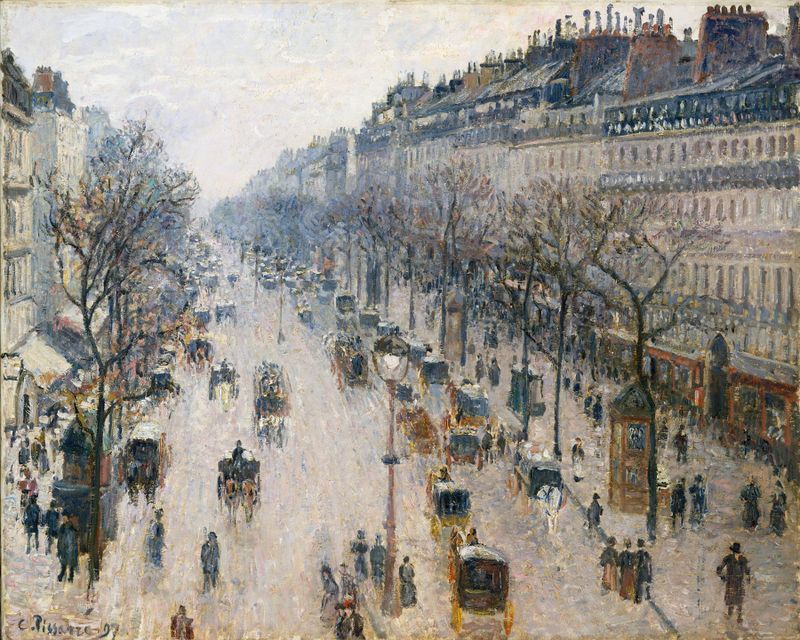
The Boulevard Montmartre on a Winter Morning
Camille Pissarro
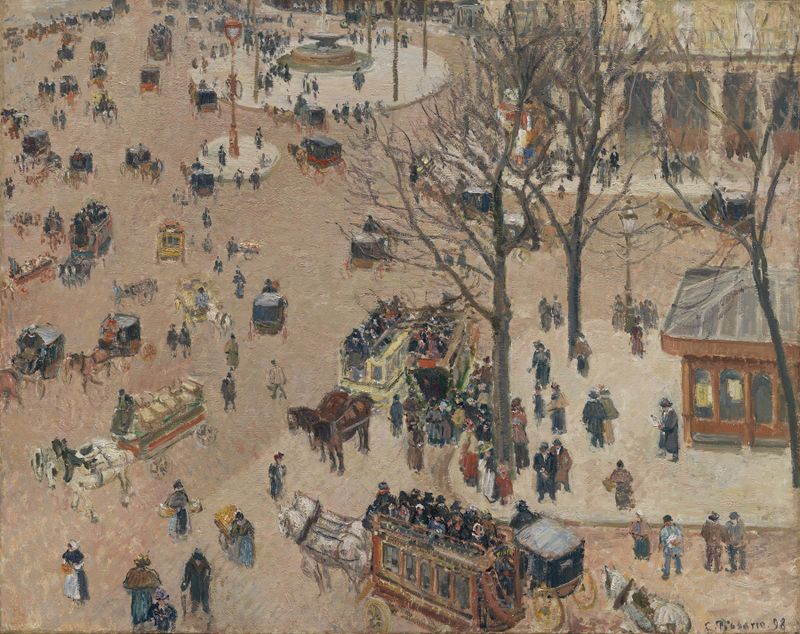
La Place du Théâtre Français
Camille Pissarro

Rue Saint-Lazare, Paris
Camille Pissarro
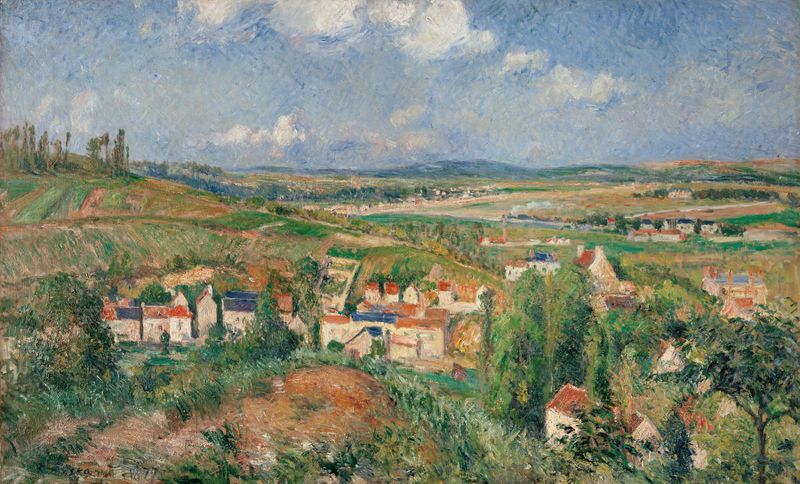
L’hermitage En Été, Pontoise
Camille Pissarro

Place du Theatre Francais,Fog Effect
Camille Pissarro
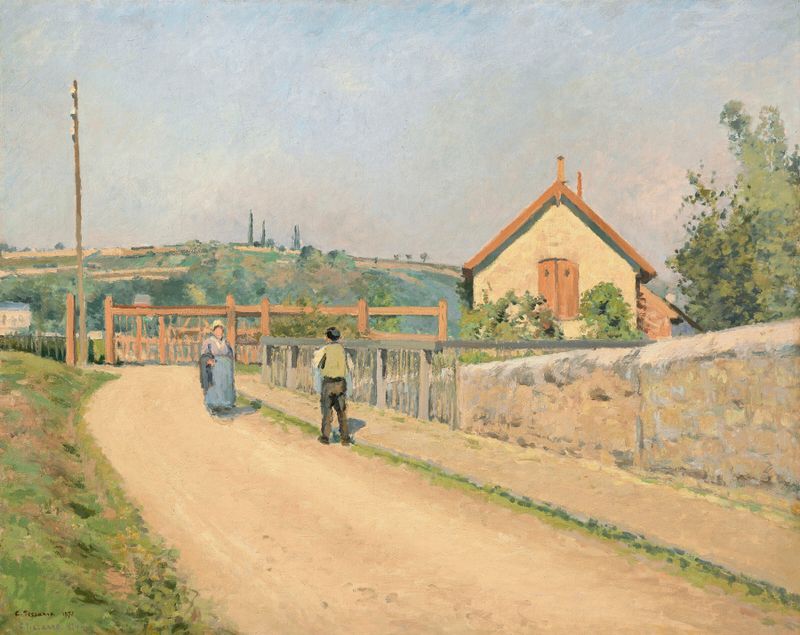
La barrière du chemin de fer, aux Pâtis près Pontoise
Camille Pissarro
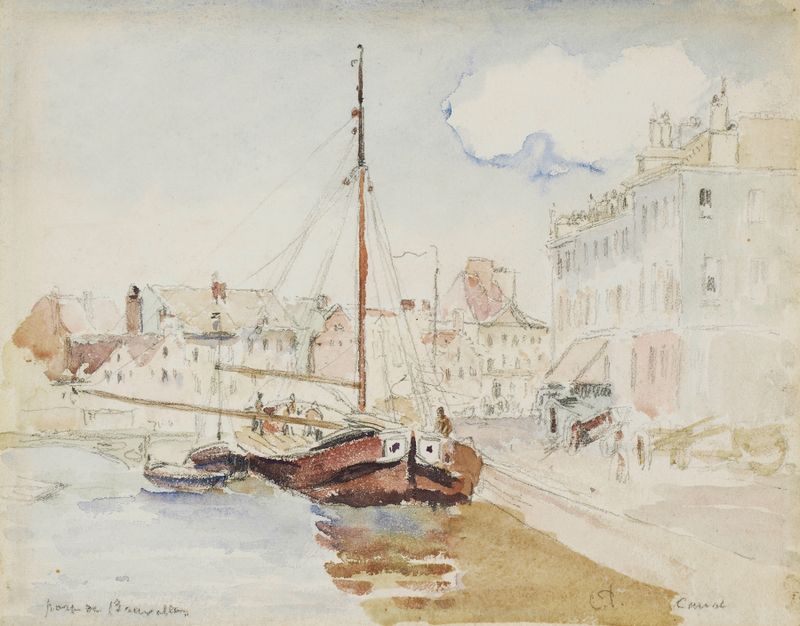
Port de Bruxelles
Camille Pissarro





