
Rue des Pyramides — History & Facts
In the quiet moments of our lives, the shadows of fear often lie just beneath the surface. Look to the left at the vibrant blues and greens that pulse with an unsettling energy, contrasting sharply with the muted earth tones of the street. As your gaze travels along the cobblestones, notice the figures that punctuate the scene, rendered with a delicate yet anxious touch. Their postures—slightly hunched or agitated—hint at an undercurrent of apprehension, while splashes of color seem to bloom like thoughts unspoken amidst the stillness of the urban environment. Delve deeper into the composition, and you may find the interplay between light and dark reveals a power dynamic.
The stark brightness illuminating the buildings can be seen as a metaphor for truth, illuminating the vulnerabilities of its inhabitants who traverse the dim streets. The juxtaposition of vibrant hues alongside those of shadow encapsulates the human experience—vivid aspirations tempered by the ever-looming presence of fear. The artist painted this evocative piece during a period marked by both personal exploration and a broader examination of modern life. Creating Rue des Pyramides, Scott navigated the complexities of urban existence, reflecting the anxieties of his time.
While the specific date remains uncertain, the work resonates with the historical shifts in society, capturing the essence of fear that frequently dances around the edges of progress.
More Artworks by Frank Edwin Scott
Browse all →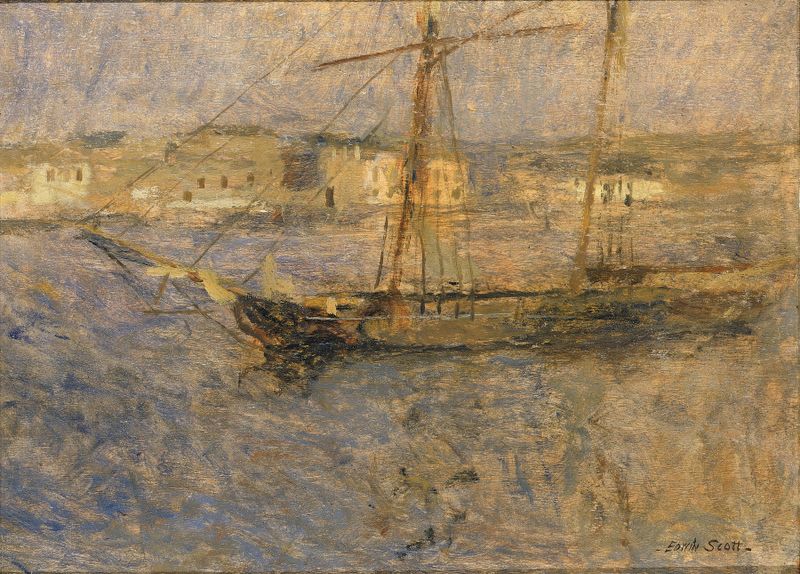
Ships at Anchor, Cherbourg no. I
Frank Edwin Scott
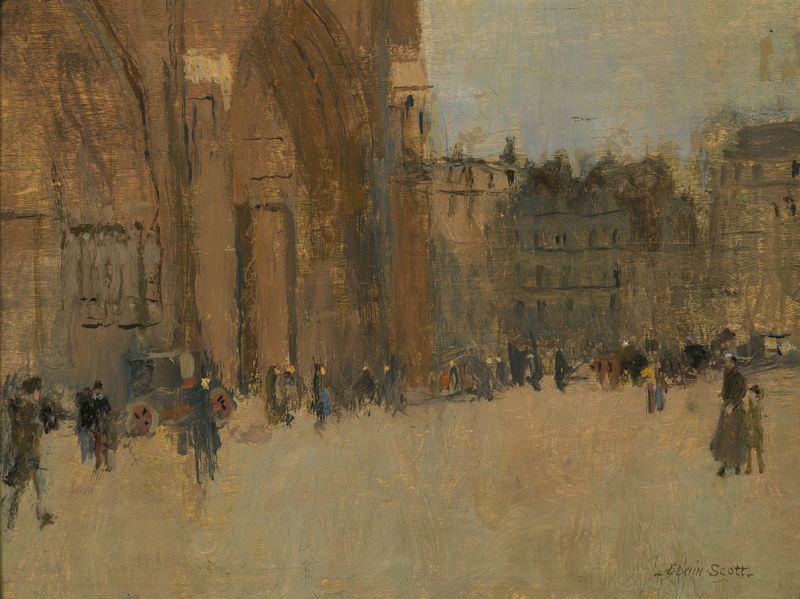
Notre Dame no. III
Frank Edwin Scott
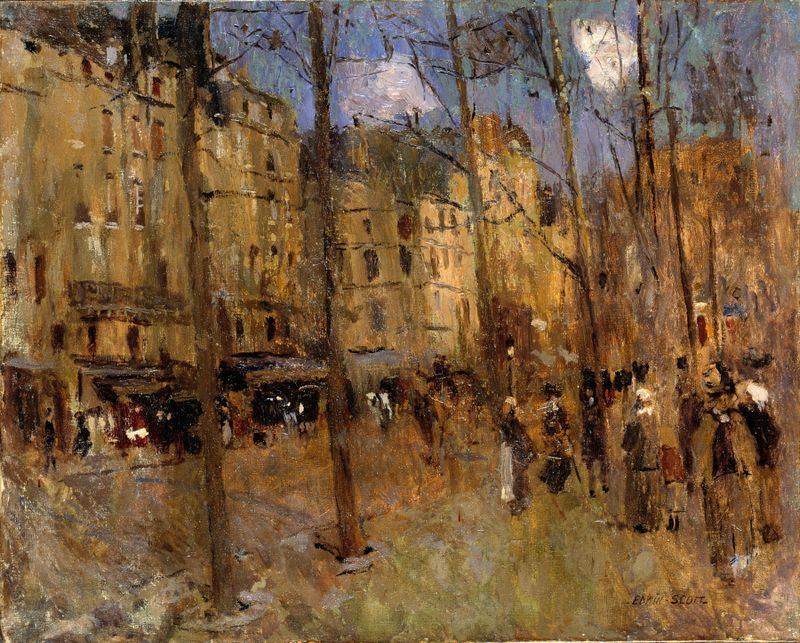
Boulevard St. Germain
Frank Edwin Scott
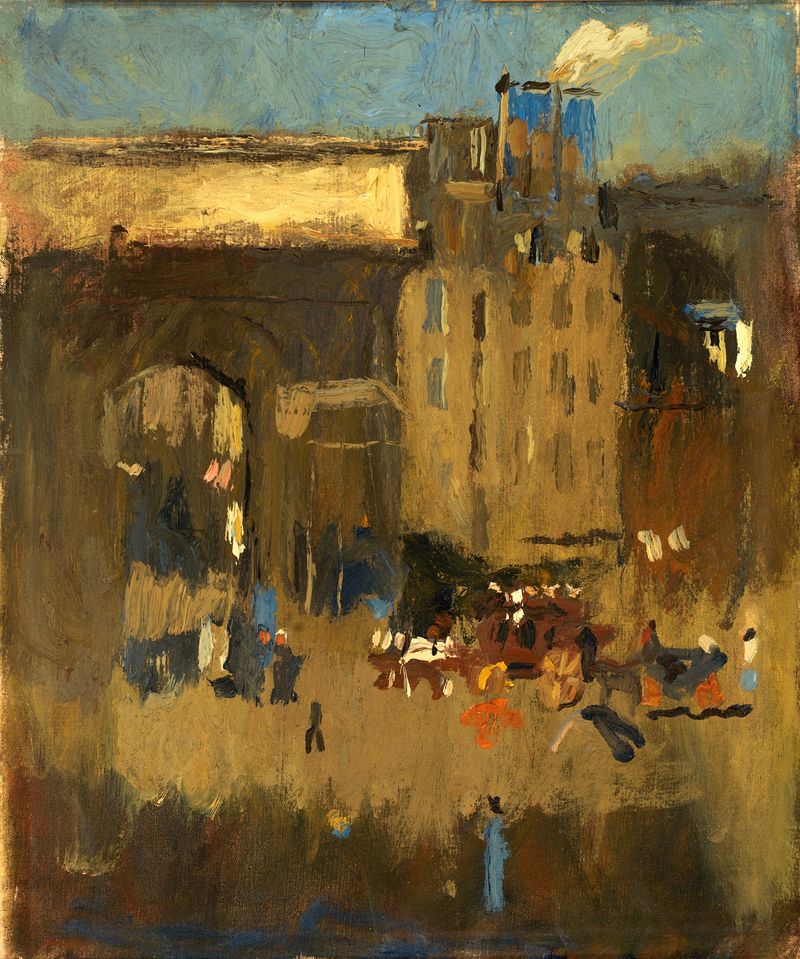
Porte St. Martin et Enterrement
Frank Edwin Scott
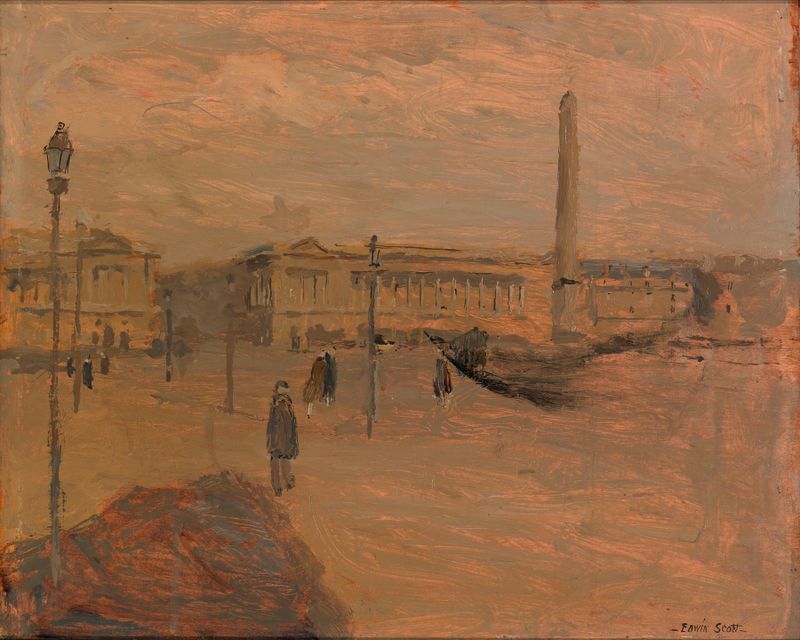
La Concorde
Frank Edwin Scott
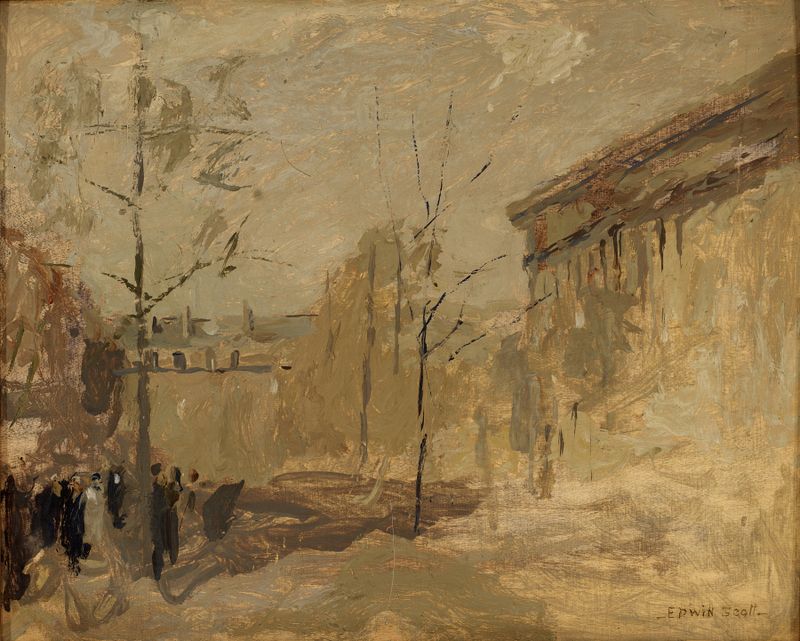
Place de la Madeleine no. II
Frank Edwin Scott
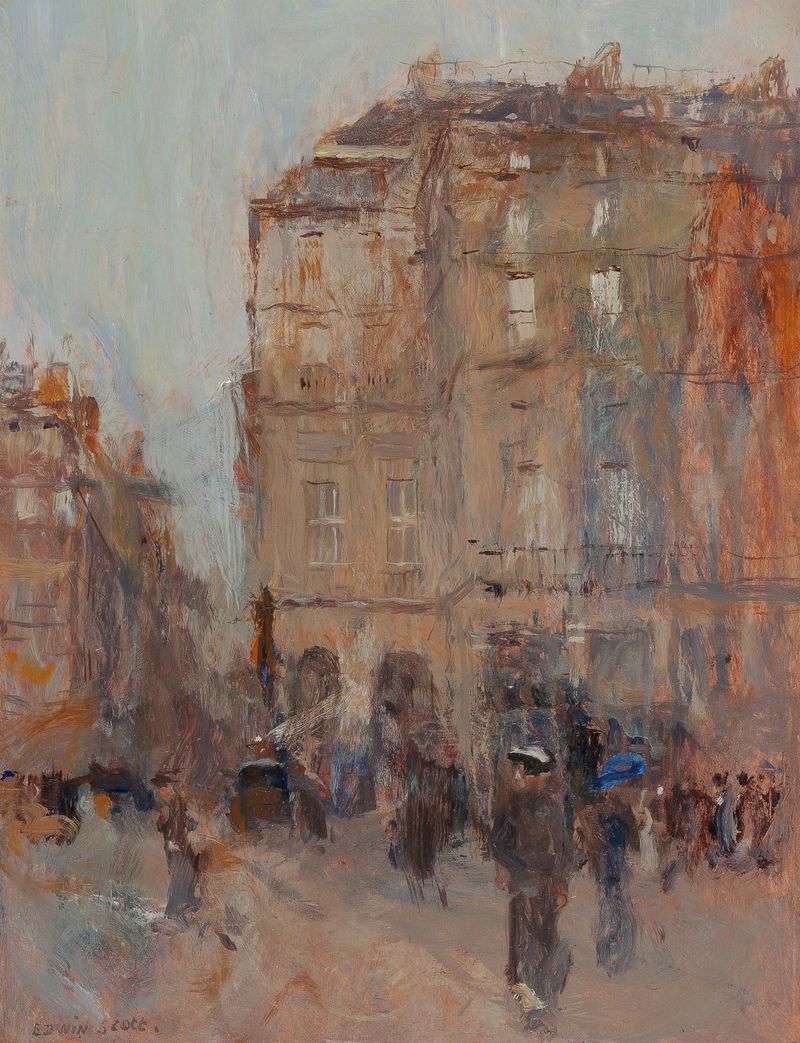
A Gray Day in Paris
Frank Edwin Scott
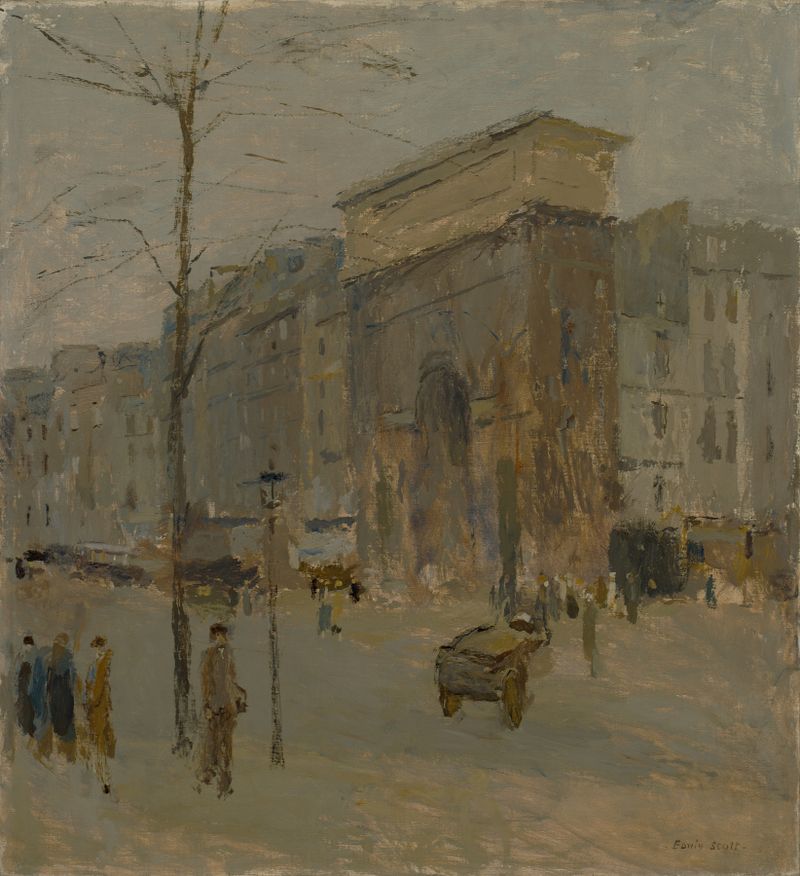
Porte St. Martin no. II
Frank Edwin Scott
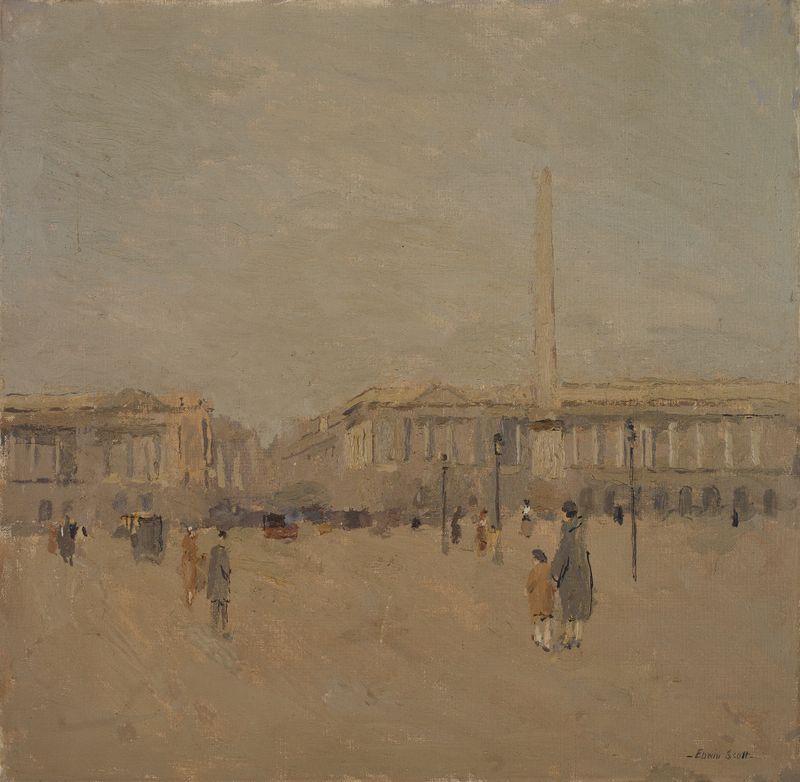
Place de la Concorde no. II
Frank Edwin Scott
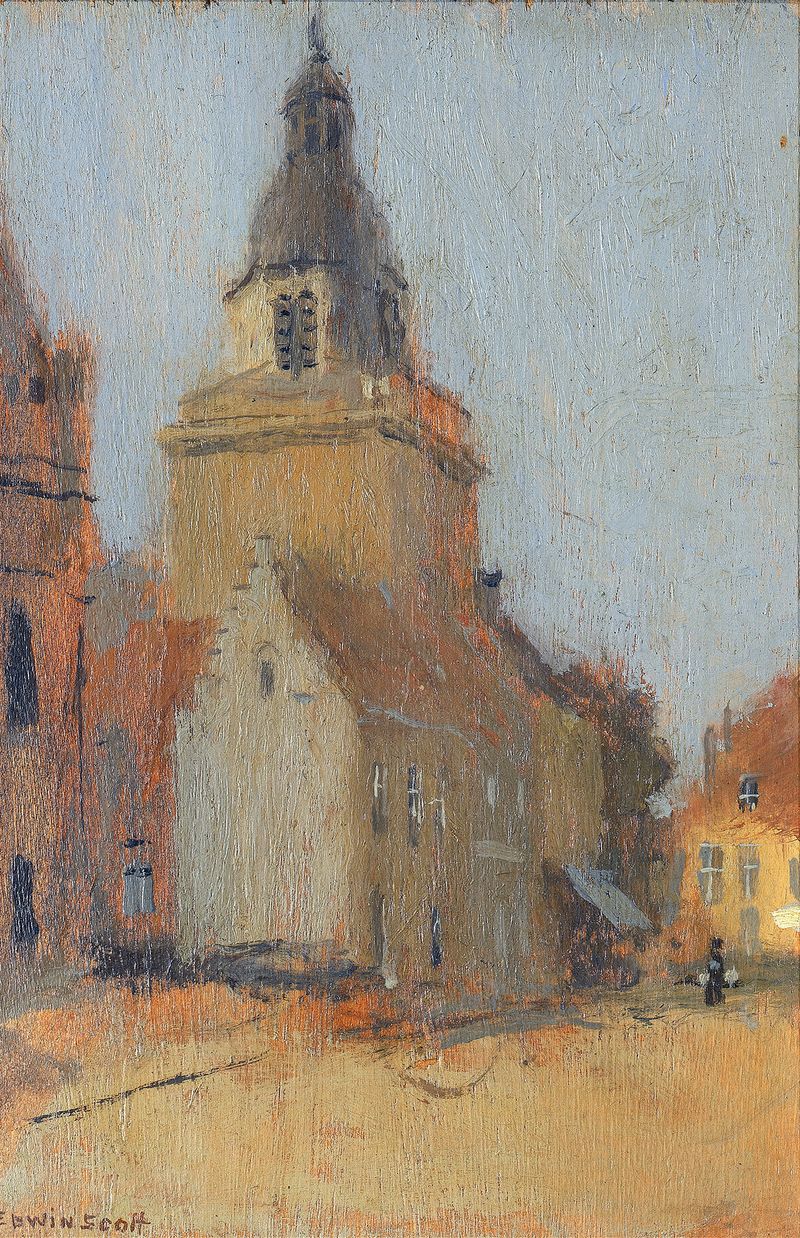
Eglise de Ville
Frank Edwin Scott





