
Rue Saint Julien, le Pauvre — History & Facts
When did color learn to lie? In the vibrant strokes of this landscape, the hues seem to pulse as if imbued with the very essence of ecstasy itself. Look to the left at the warm golden sunlight filtering through the leaves, casting a gentle glow over the cobblestones of the rue. The composition draws your eye down the inviting path, leading to the distant structures that nestle together like old friends in a quiet conversation. Notice how the artist employs bold brushwork to create a sense of movement, allowing the foliage to sway and dance in an unseen breeze, while cool shadows contrast sharply against the lively colors, heightening the emotional rhythm of the scene. Yet beneath the vibrant surface lies a poignant tension.
The juxtaposition of the lively street and the solitary pedestrians evokes a sense of isolation amid community. The lively colors might suggest joy, but the desolate nature of the figures reminds us of the transient moments in life, where happiness can feel elusive. Each brushstroke becomes a whisper, a fleeting reminder of what it means to exist amidst the chaos and beauty of the world. David Young Cameron painted this piece in 1904, during a period of artistic exploration and innovation.
Living in Glasgow at the time, he was influenced by the burgeoning Impressionist movement while also forging his own path in the realm of color and light. This artwork reflects his desire to capture the essence of urban life, a contrast to the traditional subjects of his contemporaries, marking a significant moment in his evolving style and the broader scope of early 20th-century art.
More Artworks by David Young Cameron
Browse all →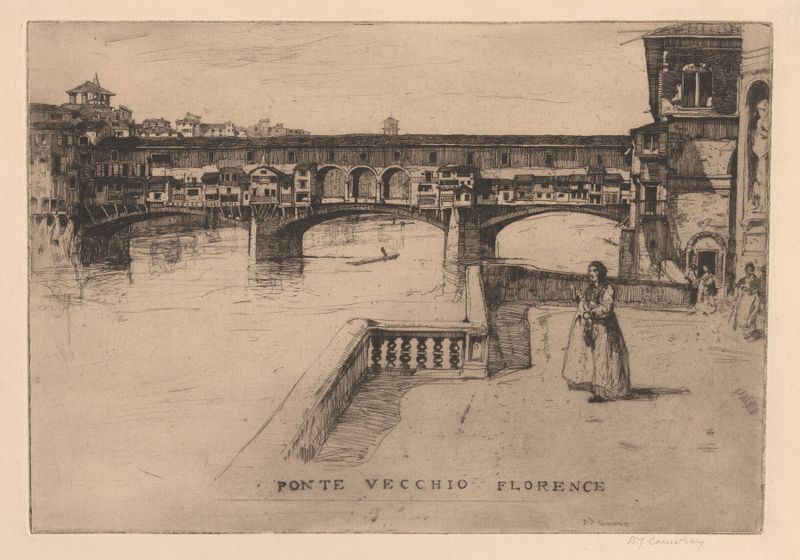
Ponte Vecchio
David Young Cameron

The Deanery, Winchester
David Young Cameron
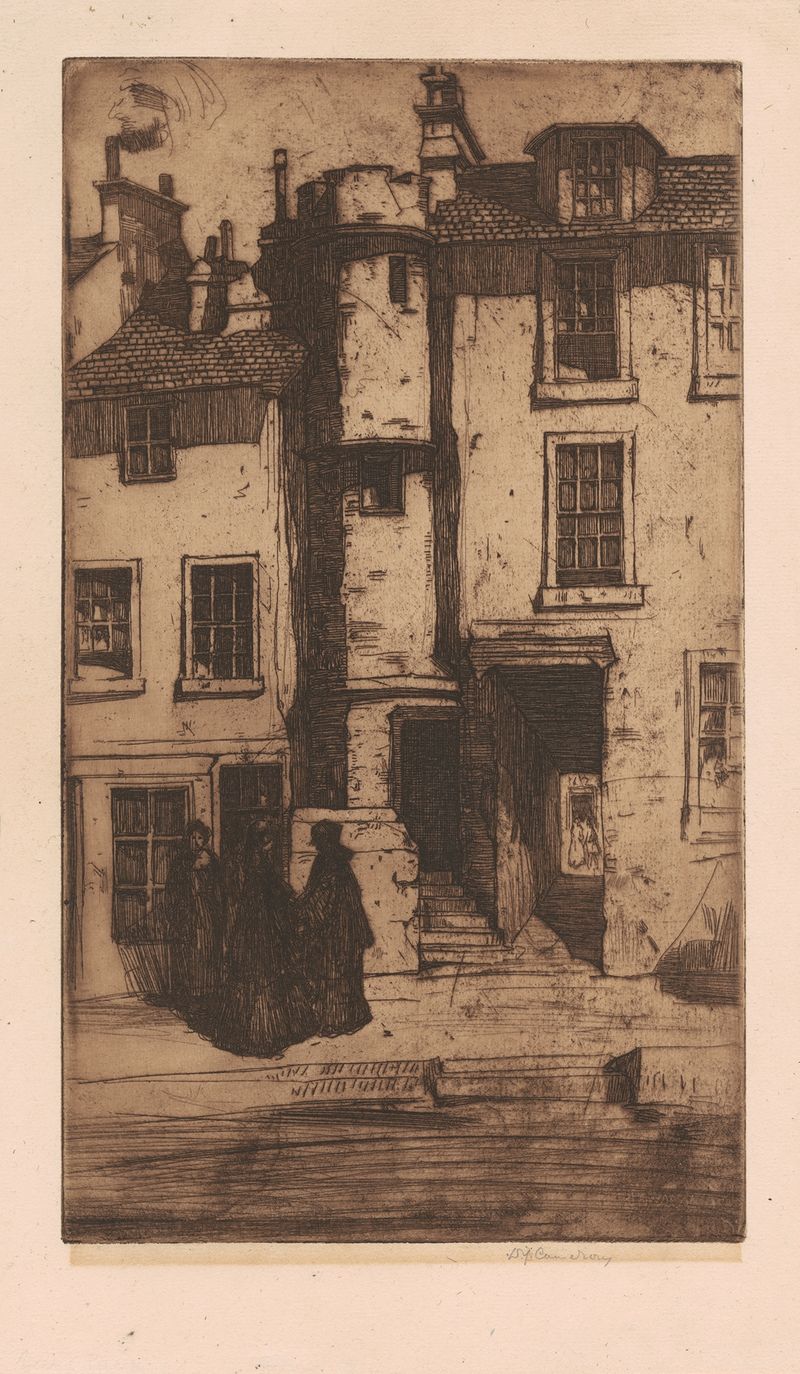
Old Houses, Stirling
David Young Cameron
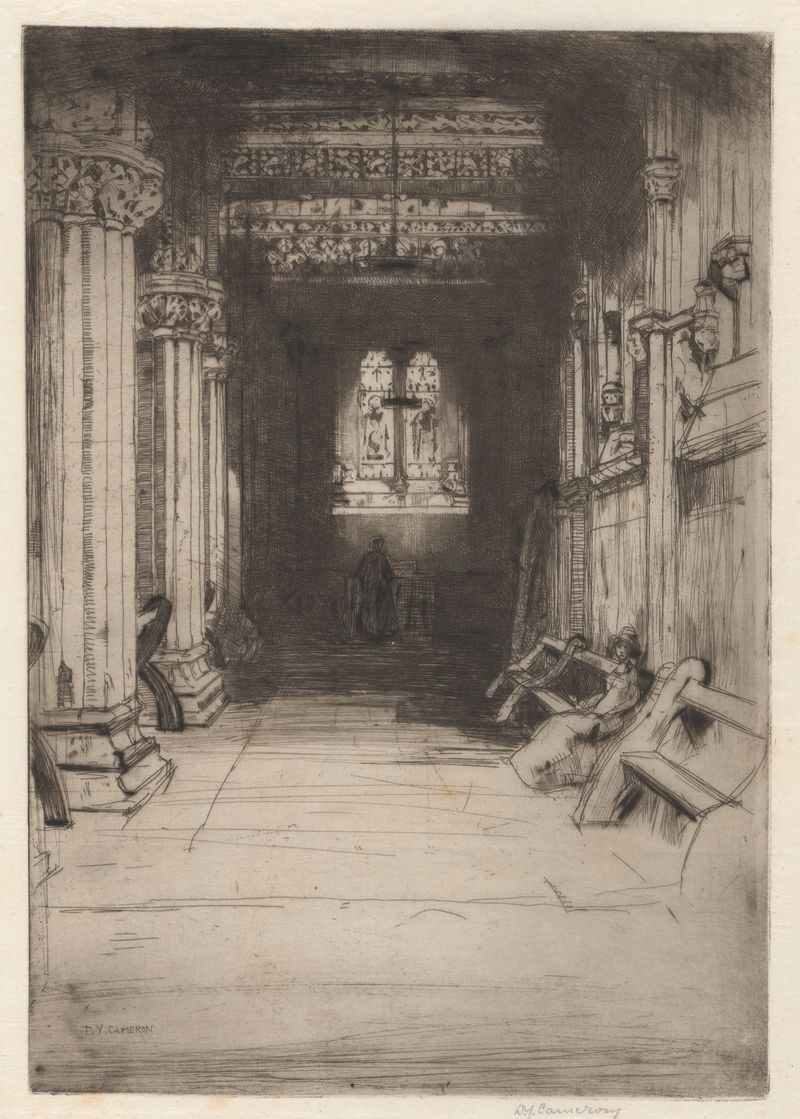
Rosslyn Chapel
David Young Cameron

The Old Museum, Beauvais
David Young Cameron
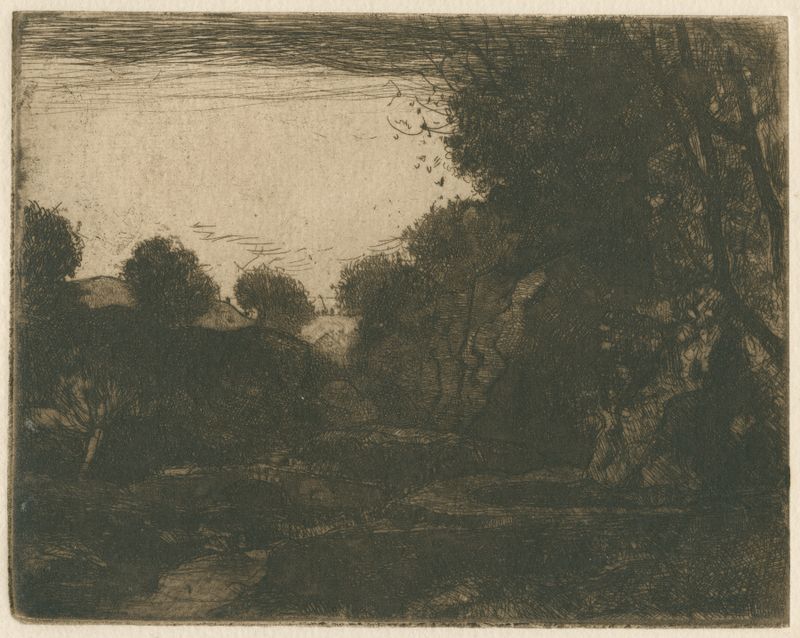
On the Bradford
David Young Cameron

The Smithy
David Young Cameron
Castle Moyle
David Young Cameron
Downing Street
David Young Cameron

Glasgow Cathedral
David Young Cameron





