Ruelle — History & Facts
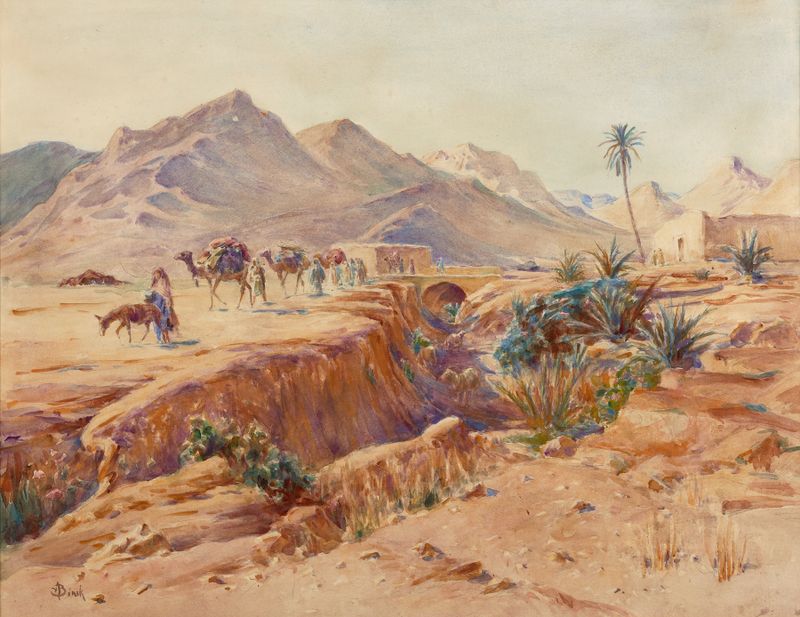
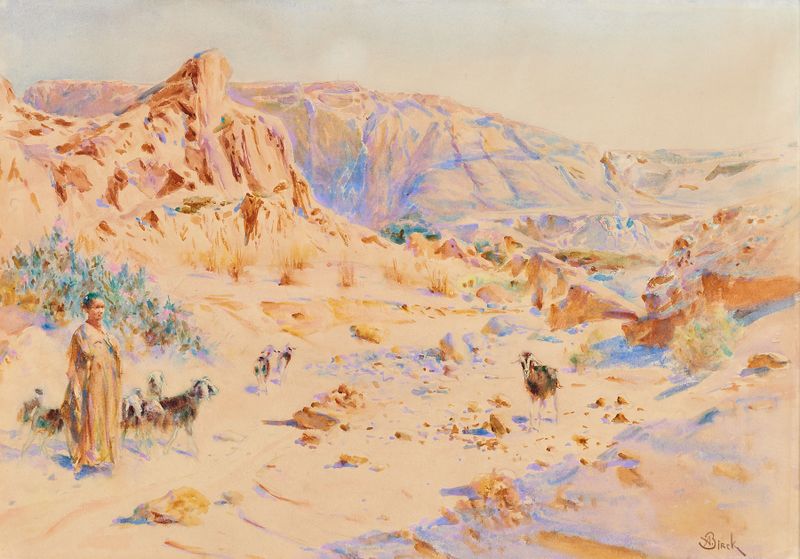
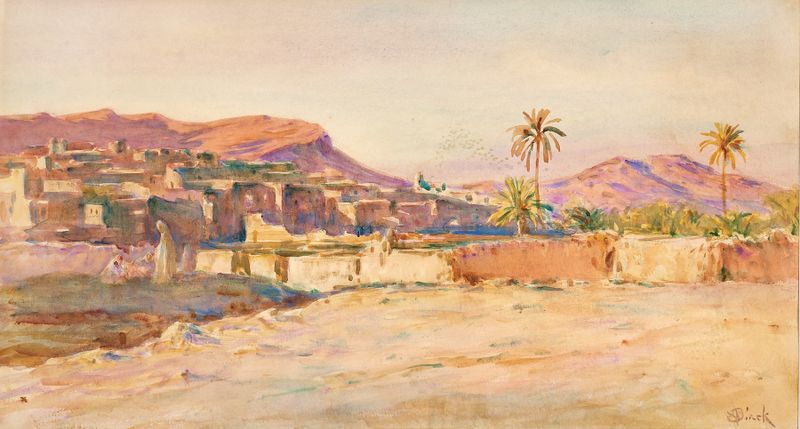
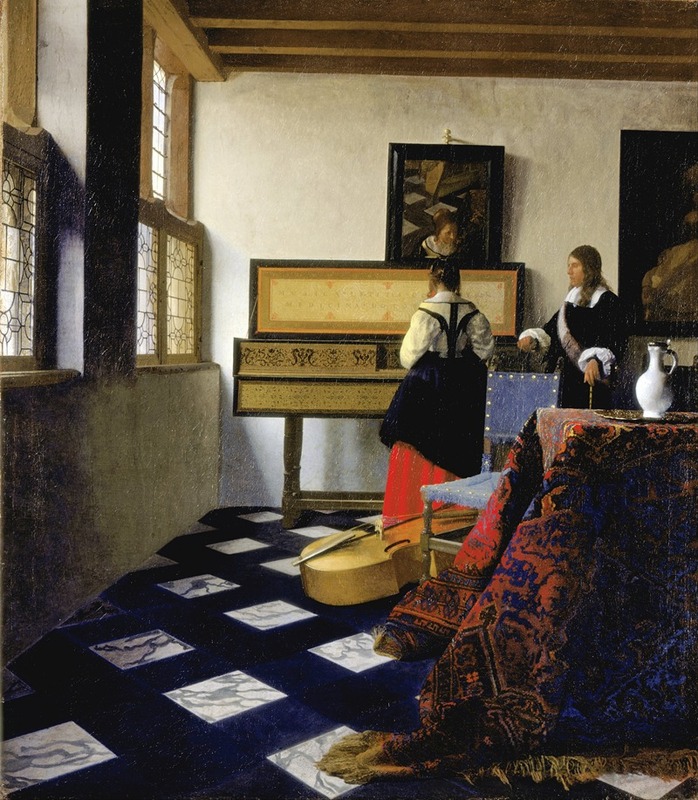
Can paint confess what words never could? In the stillness of Ruelle, unspoken emotions linger in the air, whispering secrets of longing and solitude. Look to the left at the delicate play of shadows cast by soft, muted light filtering through an open window. The faint reflection dances on the worn cobblestones, inviting you to step inside this intimate alleyway. Notice how the subtle palette of ochres and grays creates a melancholic atmosphere, expertly evoking a sense of nostalgia.
Each brushstroke seems deliberate, as if capturing fleeting time, while the quietness of the scene pulls you into a contemplative embrace. In this artwork, contrasts abound—the starkness of the cobblestones against the gentle light suggests a bittersweet reminiscence of cherished moments. The empty space speaks volumes, hinting at the absence of companionship, while the warmth of the light symbolizes unattainable connections. Every detail, from the weathered walls to the soft glow, encapsulates a yearning for what once was or what might have been, embodying the heart's silent confessions. Alphonse Birck created this piece during a period of introspection in his life, likely influenced by the broader artistic movements of the late 19th century in France.
Amidst the transition from Impressionism to Symbolism, he sought to convey deeper emotional truths through subtle realism. This painting, undated yet resonant, reflects both personal longing and the universal quest for connection, capturing a moment that feels both timeless and deeply personal.