Ruelle — History & Facts
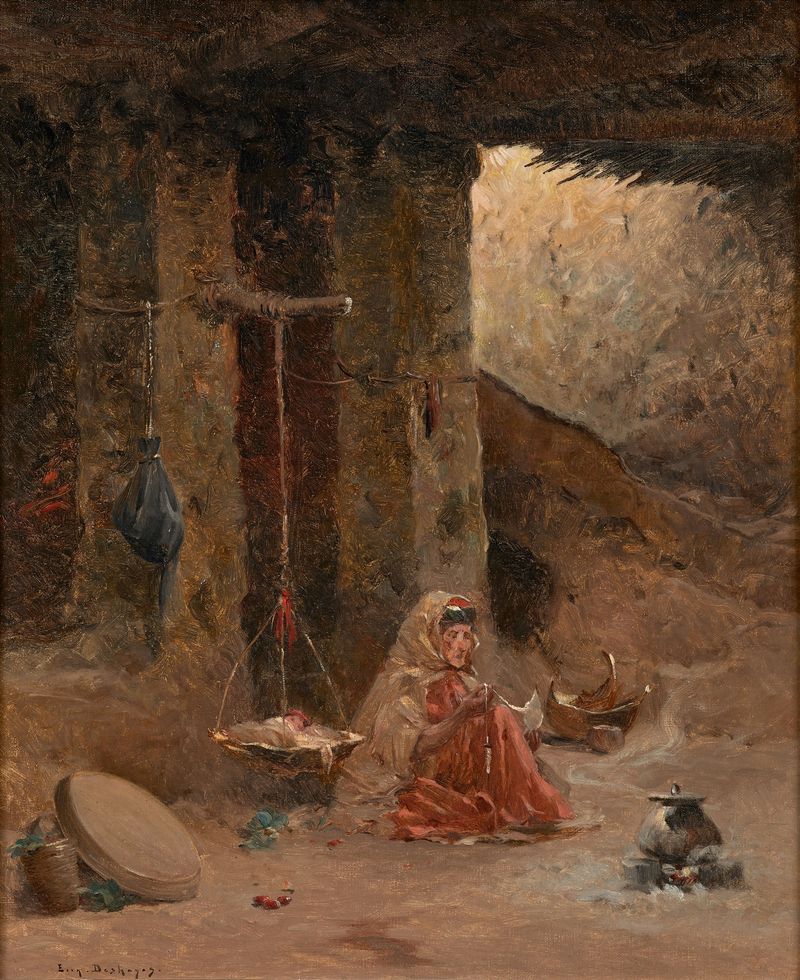
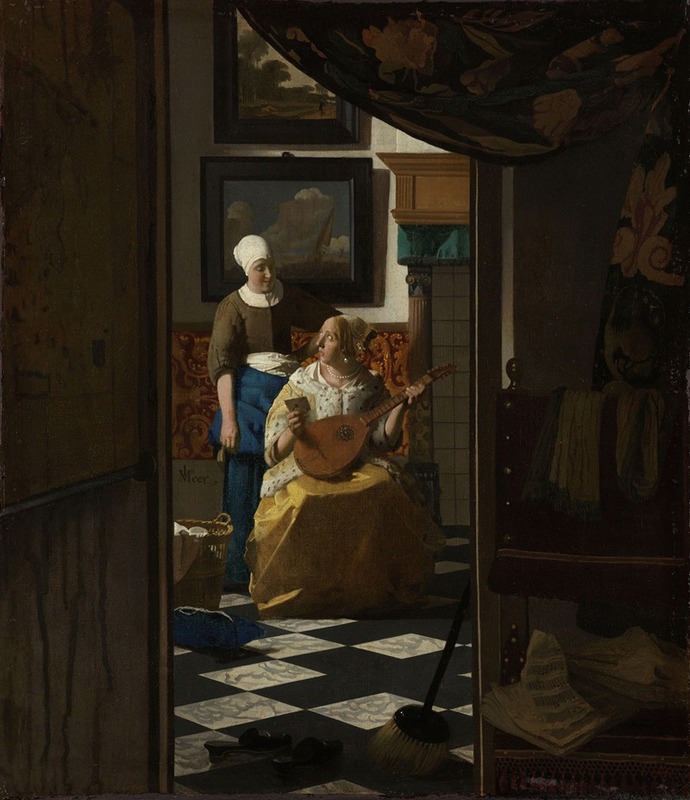
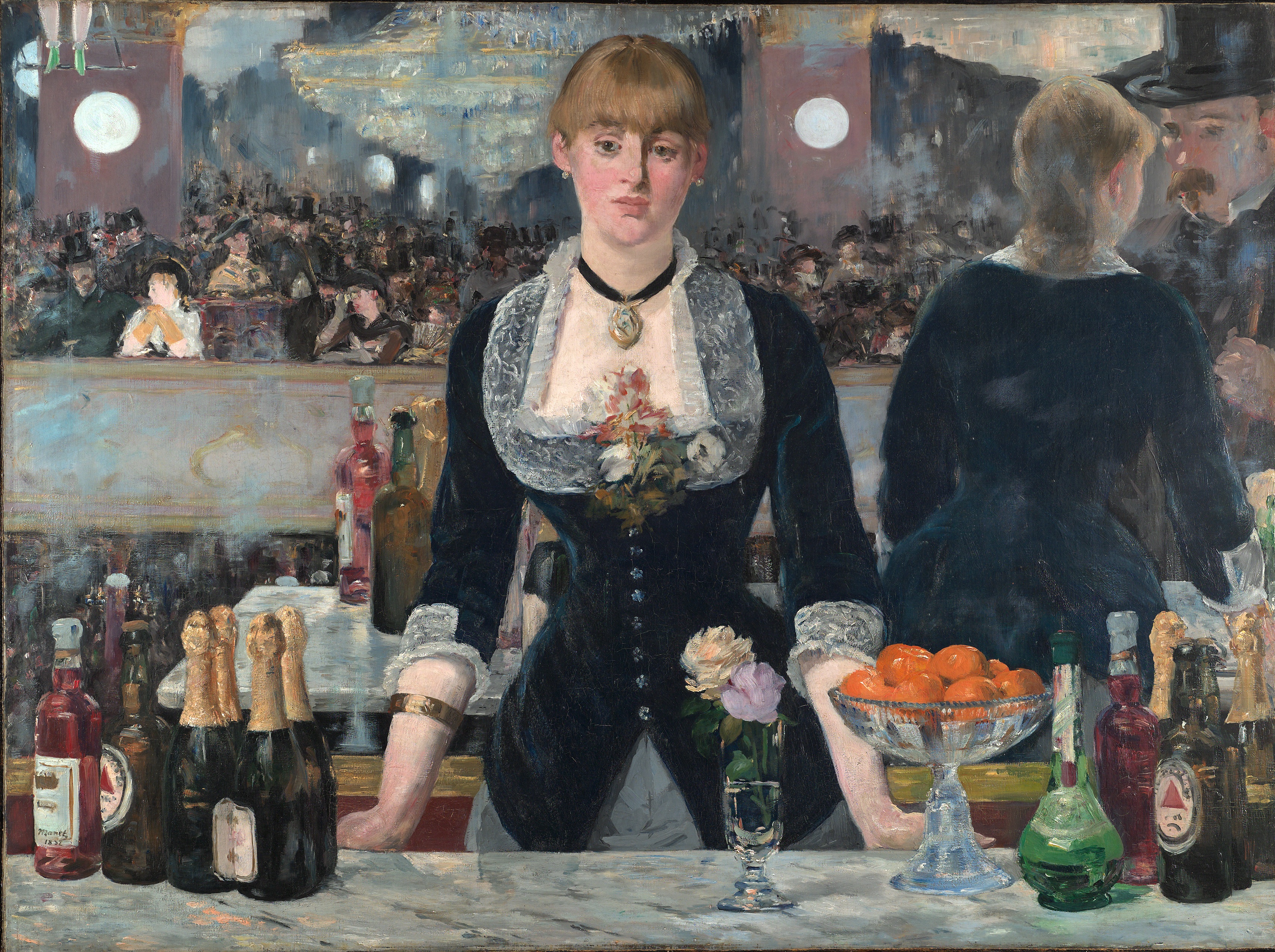
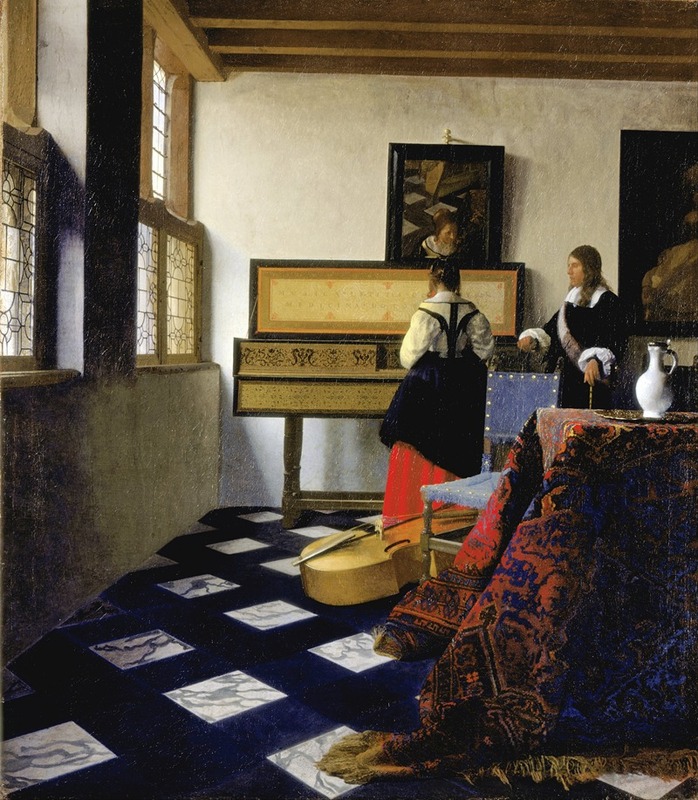
What secret hides in the quiet of the canvas? In the stillness of Ruelle, a sense of reverence envelops the viewer, drawing them into the hush of a private moment. Look to the left at the softly rendered doorway that invites you into an intimate space, its edges blurred to evoke warmth and mystery. Notice how the light filters through the opening, casting an ethereal glow that dances upon the textured walls, illuminating the simple yet profound details of the scene. The muted palette of earth tones and gentle highlights creates a harmonious balance, inviting contemplation while suggesting a world that exists just beyond the frame. Within this serene composition lies a delicate interplay of presence and absence.
The vacant doorway hints at stories untold, whispering of lives lived and moments shared. The stillness prompts a reflection on solitude and the beauty found in everyday life, suggesting that even in silence, vibrant narratives unfold. Each brushstroke captures not only the physical space but also a profound emotional landscape that connects the viewer to their own experiences. The artist, working during an indeterminate time in the 19th century, was part of a movement that sought to capture the nuances of daily life.
In a world shifting rapidly with industrialization, Ruelle stands as a testament to the artist's exploration of intimacy and the ordinary. At this moment in history, paintings such as this challenged traditional narratives, inviting viewers to appreciate the quiet poetry woven into the fabric of their surroundings.