
Ruined Palace by a River — History & Facts
Could a single brushstroke hold eternity? In the delicate balances of the chaotic and serene, Ruined Palace by a River captures the enduring dialogue between beauty and violence, inviting us to ponder the scars left behind by time. To understand the emotional resonance of this piece, look to the left where the crumbled remnants of a once-grand palace emerge from the canvas. Notice how the muted earth tones convey decay while the vivid strokes of the river ripple in a vibrant blue, contrasting the stillness of the ruins. The light, filtered through an unseen canopy, creates a stark interplay of shadow and illumination, guiding our gaze across the painting's surface.
Each brushstroke serves not only to depict but to evoke a sense of history layered with loss. As you delve deeper, consider the tension between the flowing river and the lifeless stone. The water, a symbol of life and movement, speaks to the passage of time, while the ruins signify destruction and abandonment. This juxtaposition embodies a poignant narrative—one that echoes the violence of nature and humanity, the relentless cycle of creation and erosion.
Each element harmonizes to reflect the fragility of existence, inviting us to confront the inevitable decay that shadows beauty. Samuel Davis painted this harrowing scene during a time of personal and societal transition. Though the exact date remains unknown, his work emerges from an era rich with exploration in landscape painting. As industrialization burgeoned and the world shifted beneath the weight of progress, Davis's brush captured not merely the physical landscape but the emotional landscapes of his time, preserving a moment of poignant reflection amid upheaval.
More Artworks by Samuel Davis
Browse all →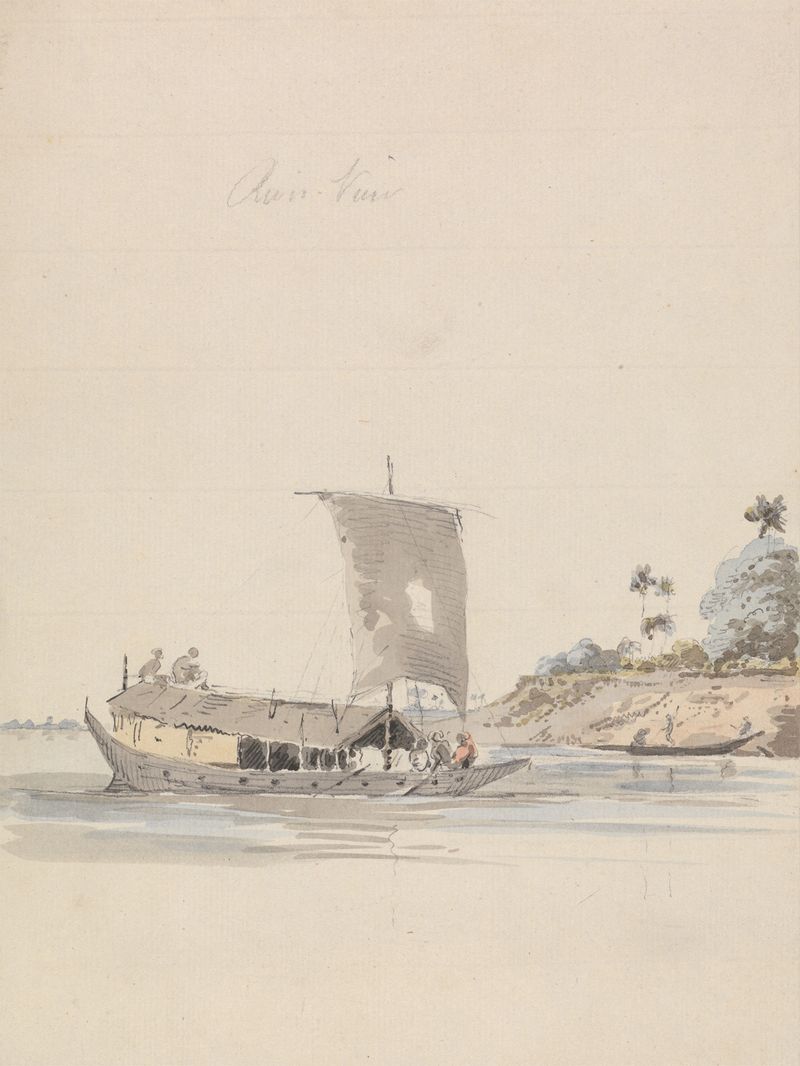
River View with a Junk (near Rajmahal)
Samuel Davis
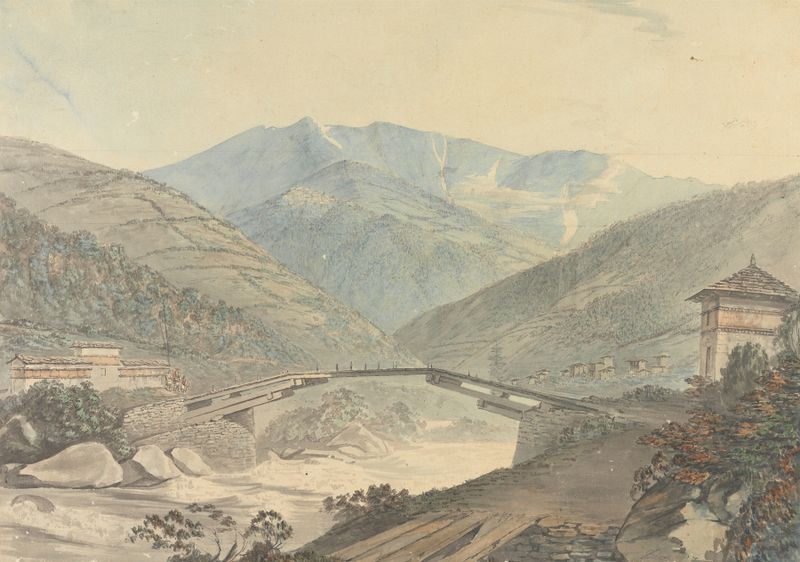
View near Tassisudon [Tashicho Dzong] in Bhutan
Samuel Davis
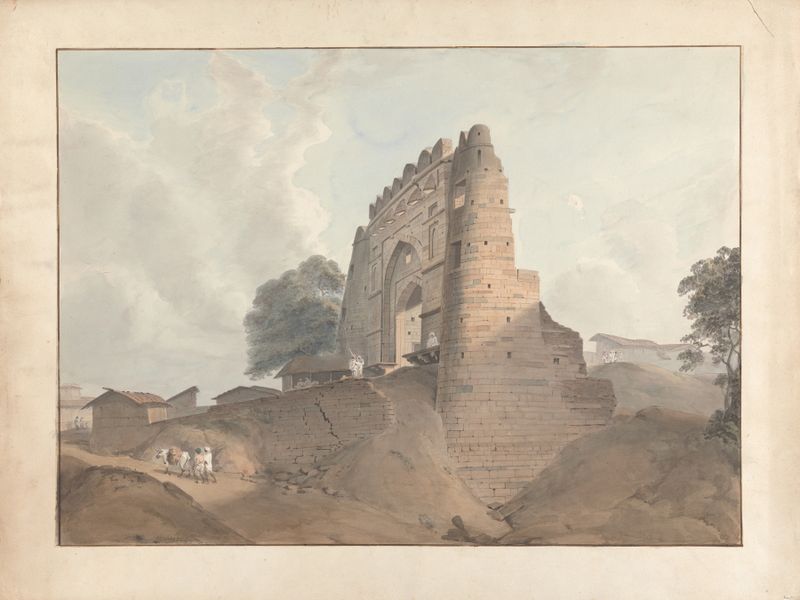
Gate of the Old Fort at Old Benares
Samuel Davis
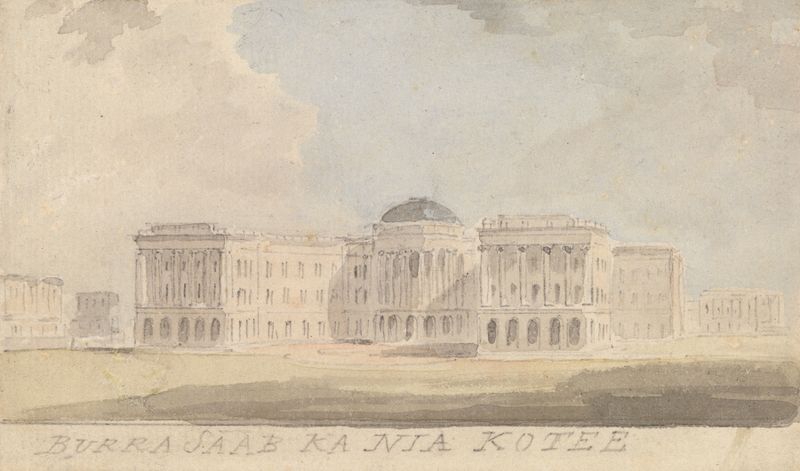
New Government House at Calcutta
Samuel Davis
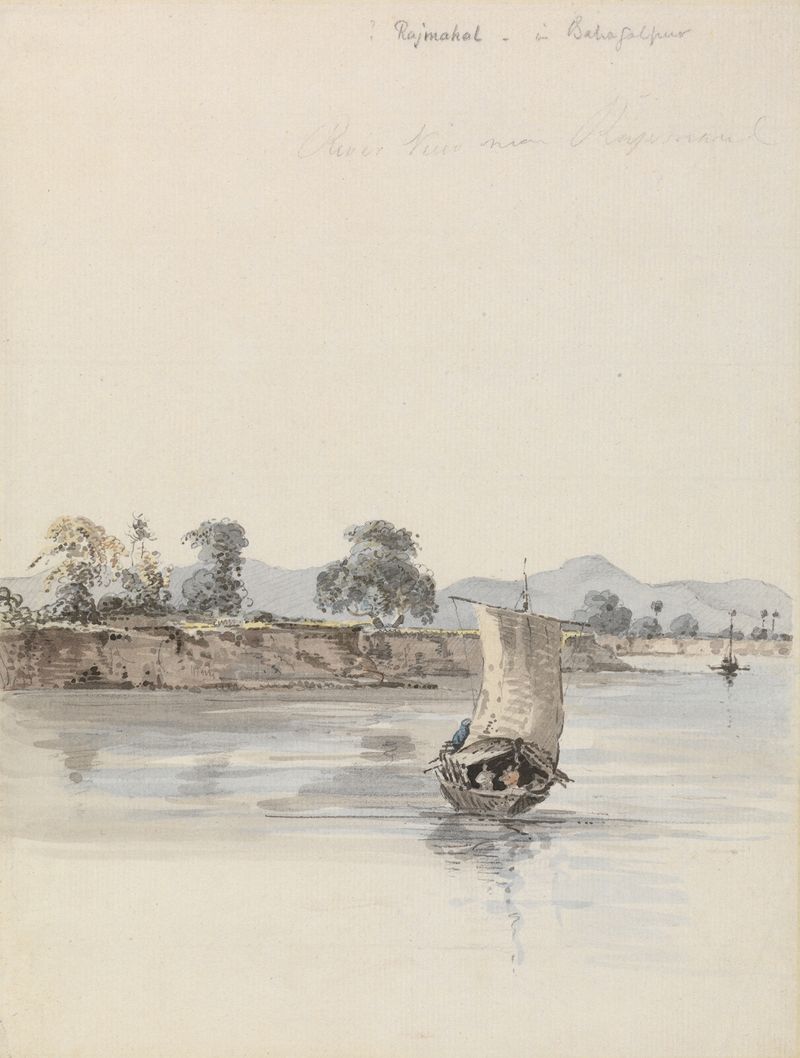
River View near Rajmahal
Samuel Davis
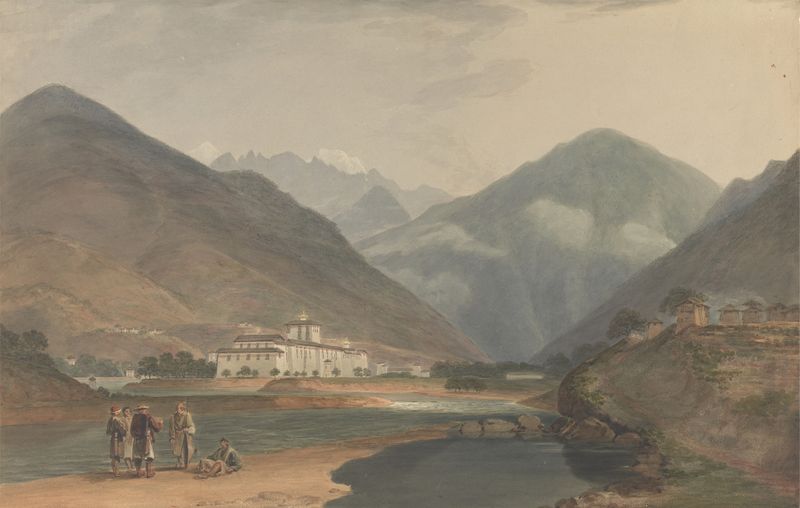
The Former Winter Capital of Bhutan at Punakha Dzong
Samuel Davis
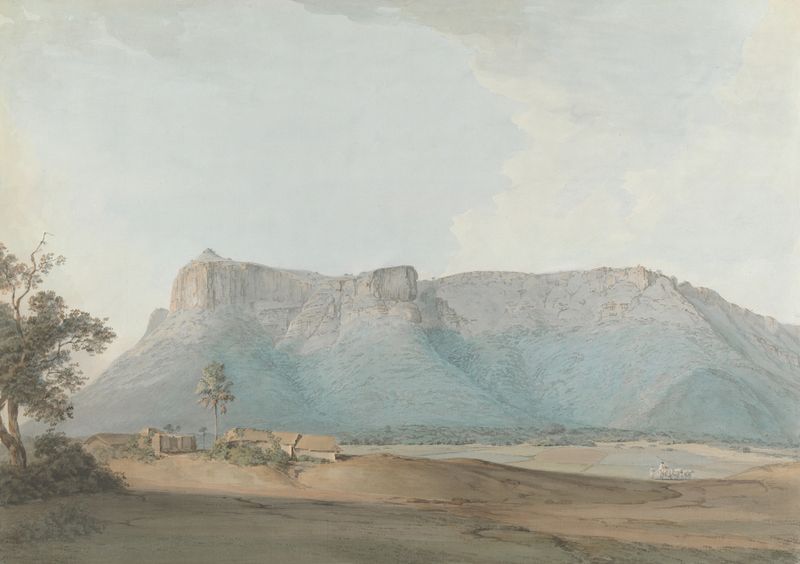
Rhotas from Akberpore
Samuel Davis
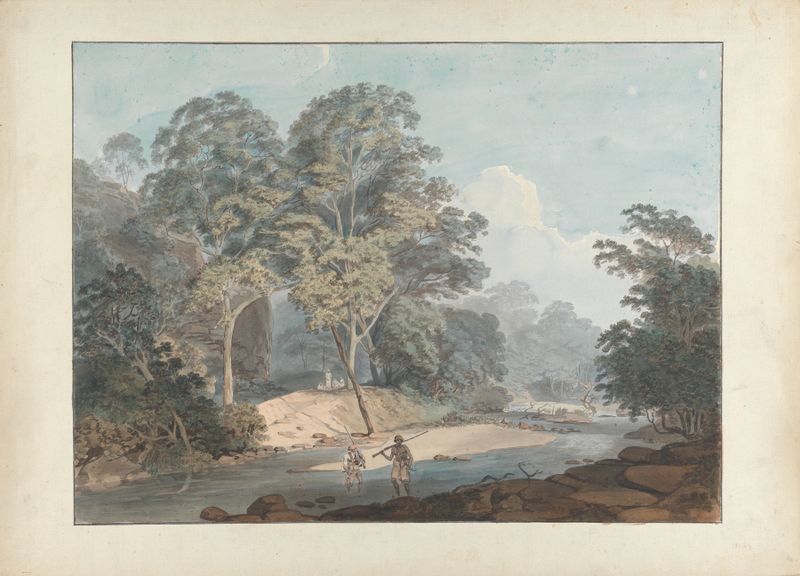
Rocky River Scene with Sepoys
Samuel Davis
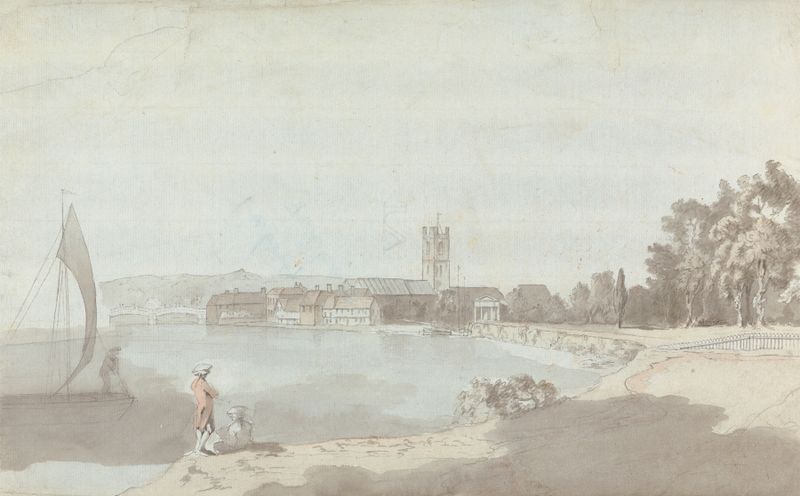
West Country Town by a River
Samuel Davis
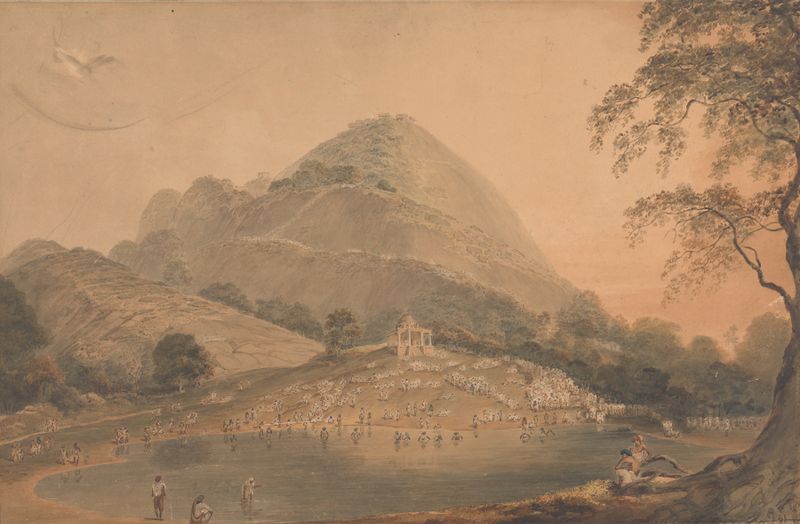
The Annual Resort of Hindoos to Mundar Hill near Bhagulpore [Bhagalpur]
Samuel Davis





