
Ruines Du Château De Mont-Saint-Jean (Saône et Loire) — History & Facts
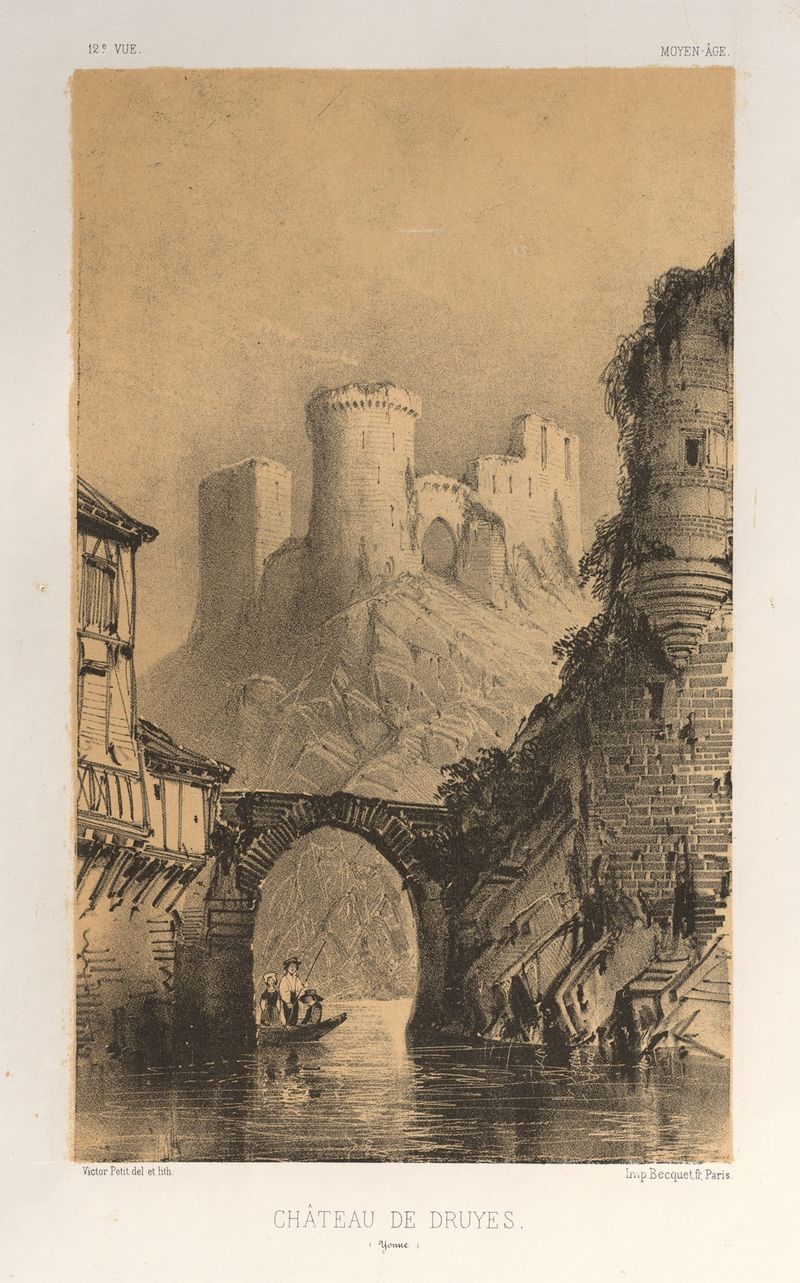
In the crevices of forgotten walls, echoes of a grandeur long past reveal the fragility of time. Reflecting on this haunting scene, one senses the weight of history layered beneath the delicate brushstrokes. Look to the center where the remnants of the castle emerge, proudly yet melancholically against a backdrop of muted greens and browns. Notice how light dances across the crumbling stone, illuminating the intricate details of age while casting shadows that speak of loss.
The composition draws your gaze inward, inviting contemplation on the duality of decay and beauty, where nature's reclamation intertwines with man's aspirations. Amidst the ruins, subtle contrasts emerge—the starkness of the once-mighty architecture against the soft encroachment of wild flora. This interaction symbolizes the passage of time, suggesting that beauty can reside in decay. The almost ethereal quality of the light hints at the fleeting nature of existence, urging viewers to reflect on their own journey through the remnants of life. In 1860, Victor Petit painted this piece while navigating the evolving landscape of post-Napoleonic France.
The country was undergoing a cultural renaissance, with artists increasingly drawn to themes of nostalgia and the sublime. During this period, Petit sought to capture not only the physical ruins but also the emotional resonance of history, blending his observations with the romantic ideals that permeated the art world of his time.
More Artworks by Victor Petit
Browse all →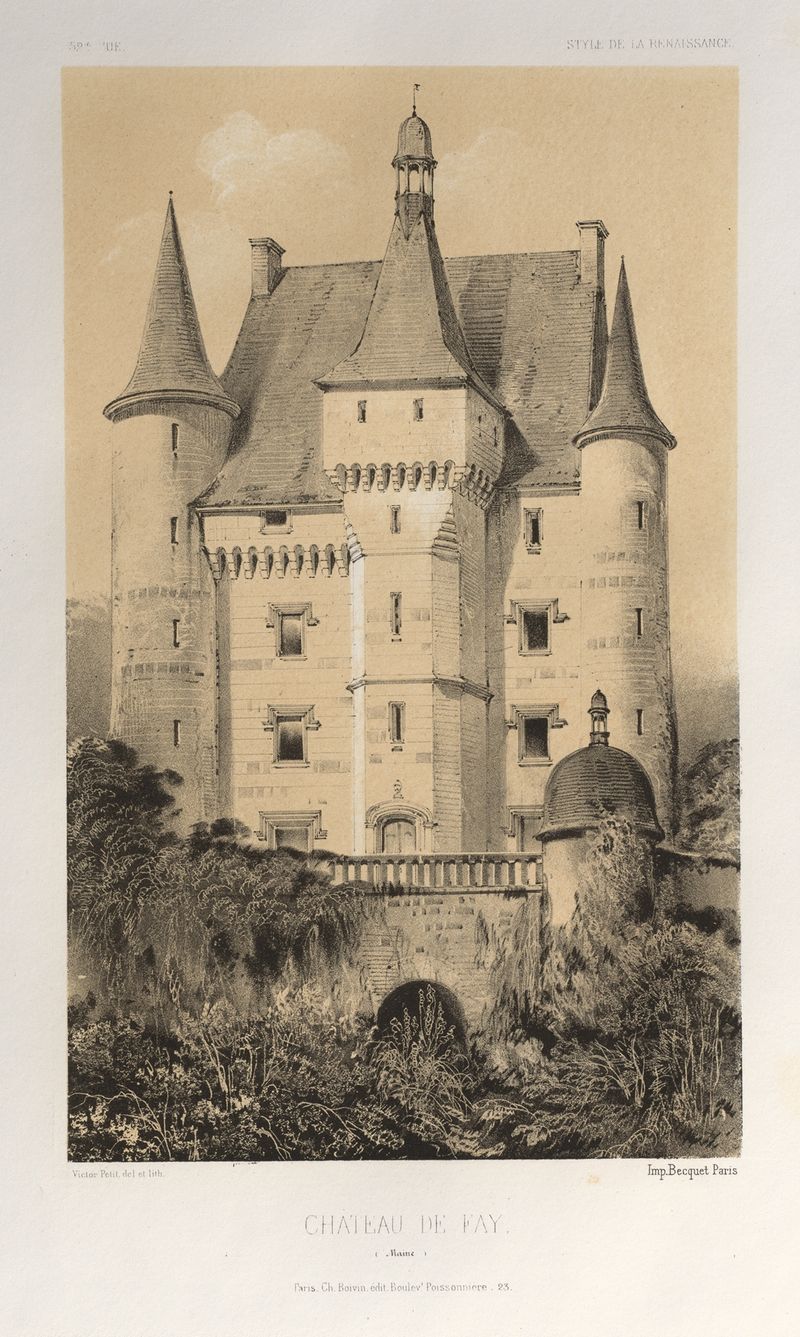
Château De Fay (Maine)
Victor Petit
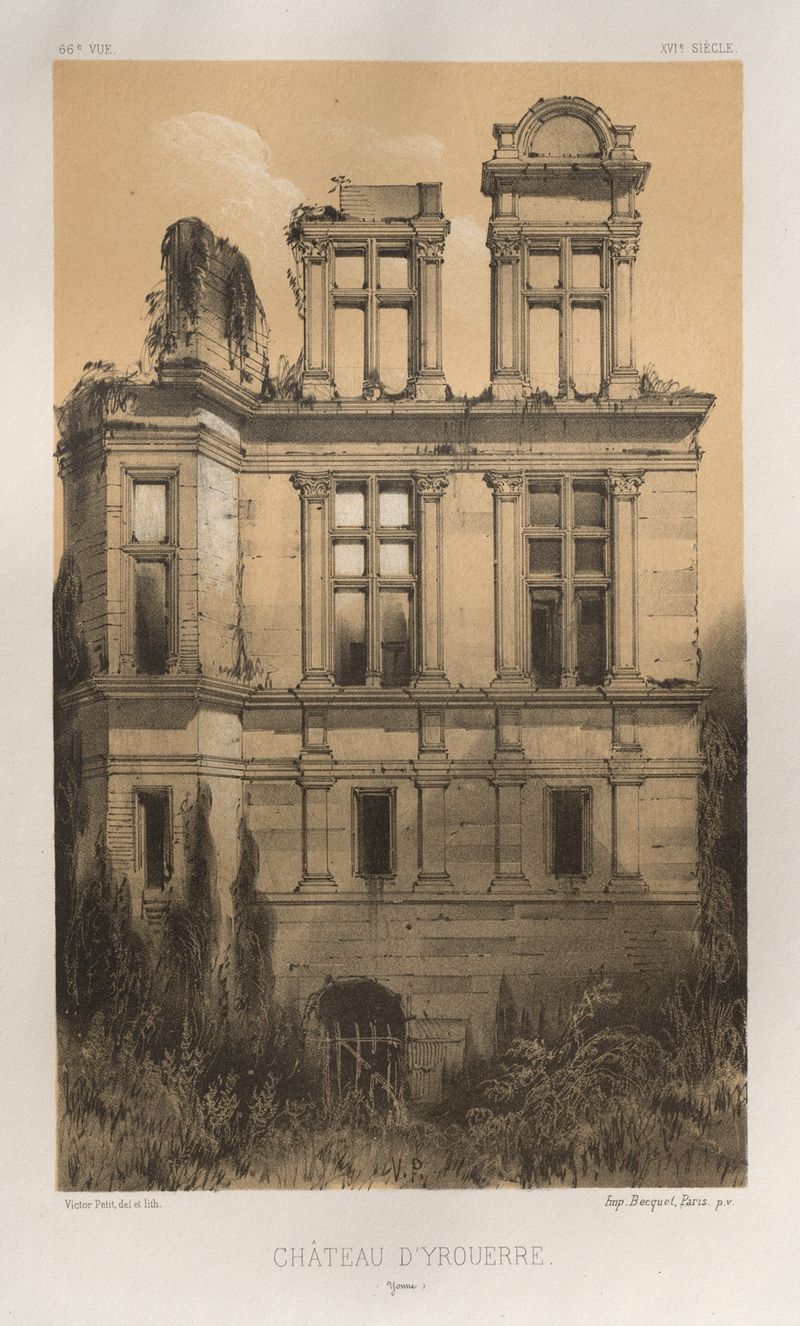
Château D’Yrouerre (Yonne)
Victor Petit
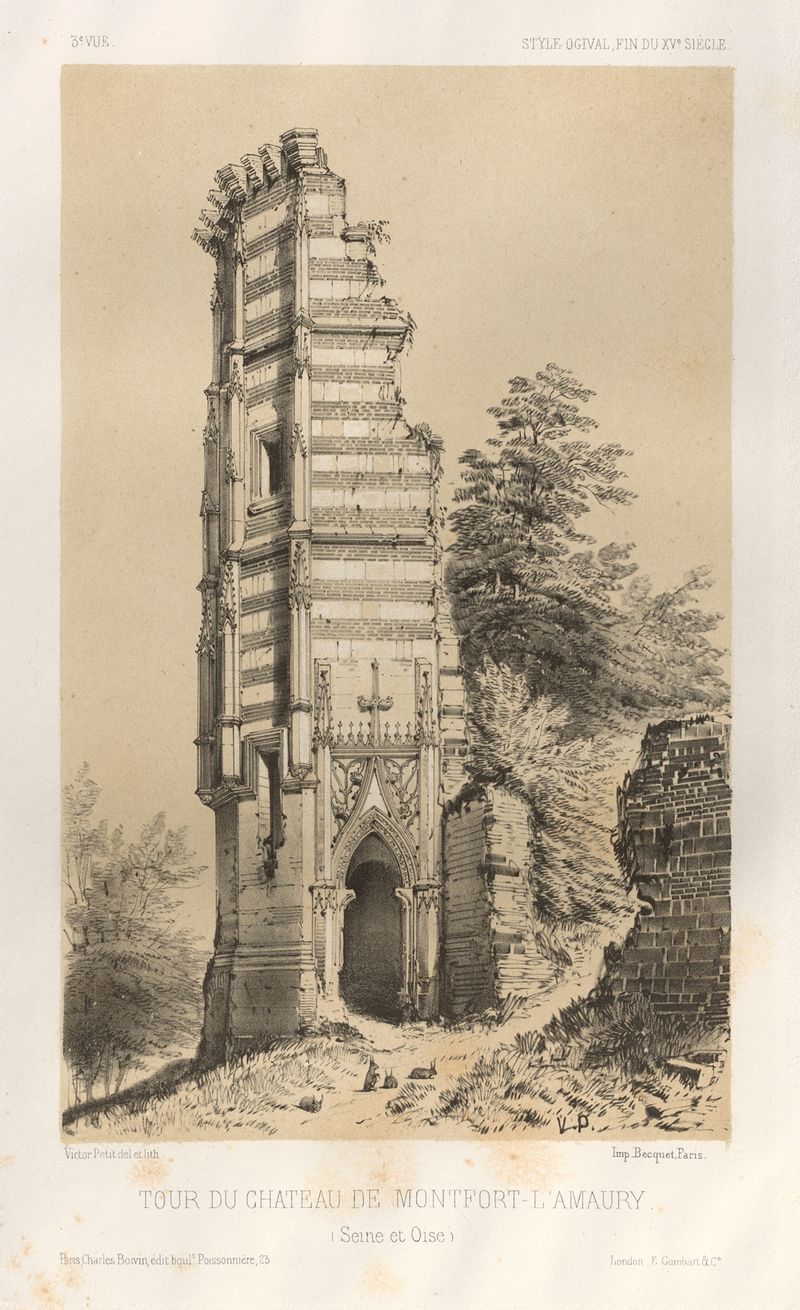
Tour du chateau de Montfort-l’Amaury (Seine-et-Oise)
Victor Petit

Tour Du Port De Marseille (Bouches Du Rhône)
Victor Petit
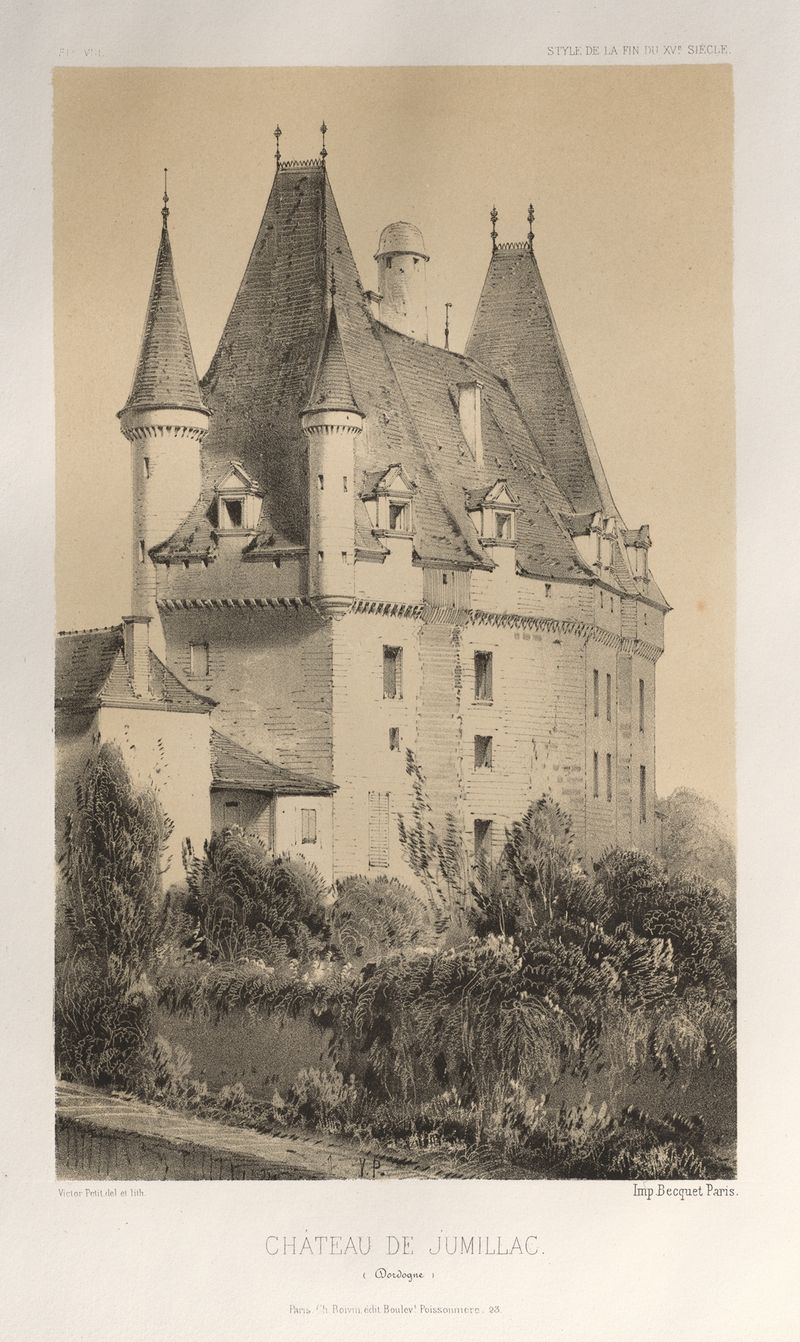
Château De Jumillac (Dordogne)
Victor Petit

Château de Tévray (Eure)
Victor Petit

Galerie Du Château De Jouancy (Saone et Loire)
Victor Petit

Château De Mello (Oise)
Victor Petit
Chateau De Druyes (Yonne)
Victor Petit

Le ChasteLet-Neuf (Corrèze)
Victor Petit





