
Ruins — History & Facts
Can beauty exist without sorrow? In Ruins, the juxtaposition of decay and elegance invites viewers to explore the delicate balance between the two. Look closely at the crumbling stone archway that dominates the composition, its weathered surface contrasting dramatically with the vibrant greenery that spills forth in the foreground. The artist masterfully captures the interplay of light and shadow, guiding your gaze from the ruins towards the sky, where soft clouds hint at the passage of time. The color palette, with its muted earth tones, conveys a sense of nostalgia while allowing the lush greens to burst forth as signs of resilience. Delve into the emotional tension present in the painting: the stark remnants of a once-grand structure symbolize the transience of human endeavors, while nature's reclamation signifies hope and renewal.
The way the foliage entwines with the ruins suggests an intimate embrace, as if to remind us that beauty often emerges from the ashes of sorrow. Each cracked stone tells a story of loss, yet the vibrant life surrounding it speaks of enduring spirit. In 1818, Weld painted this piece in a time when Romanticism was gaining momentum, emphasizing emotion and nature's sublime power. Living in England, he was influenced by the emerging interest in the picturesque, where ruins became a focal point for reflection on the passage of time and the impermanence of human achievements.
This work captures that essence, weaving together personal introspection and broader artistic movements of his era.
More Artworks by Isaac Weld
Browse all →
View of Mount Vernon, the seat of General Washington
Isaac Weld

Caernarvon (Castle)
Isaac Weld

View of Niagara Falls with Two Figures Sitting on a Rock Center Foreground
Isaac Weld
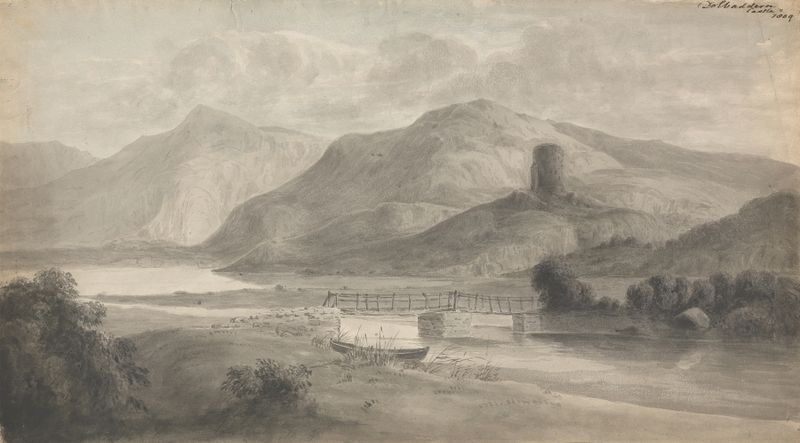
Dolbadarn Castle (North Wales)
Isaac Weld

View of Niagara Falls with Two Figures on Rock in Right Foreground
Isaac Weld
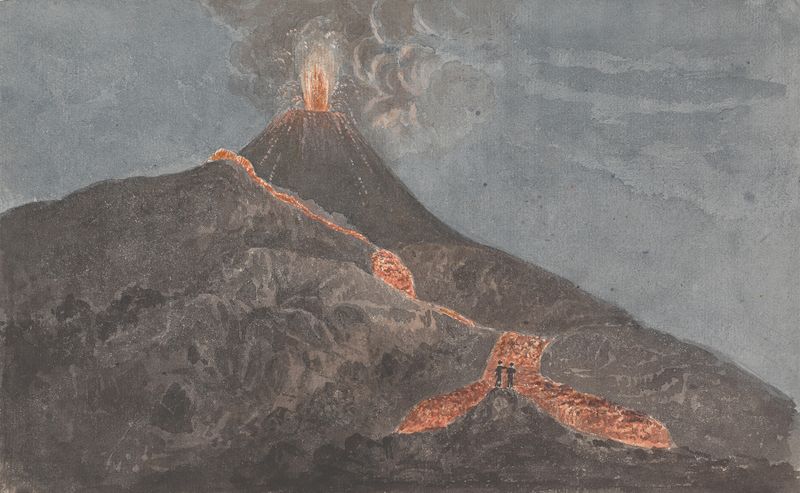
Vesuvius in Eruption
Isaac Weld
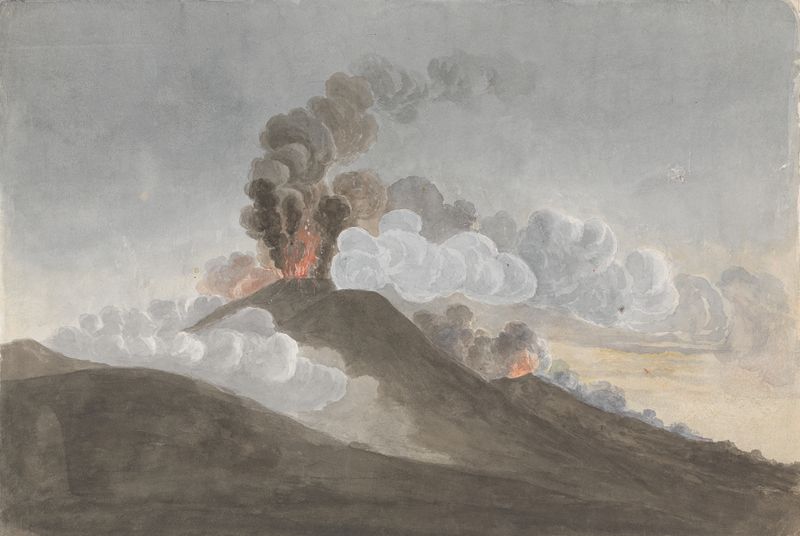
Vesuvius in Eruption.
Isaac Weld
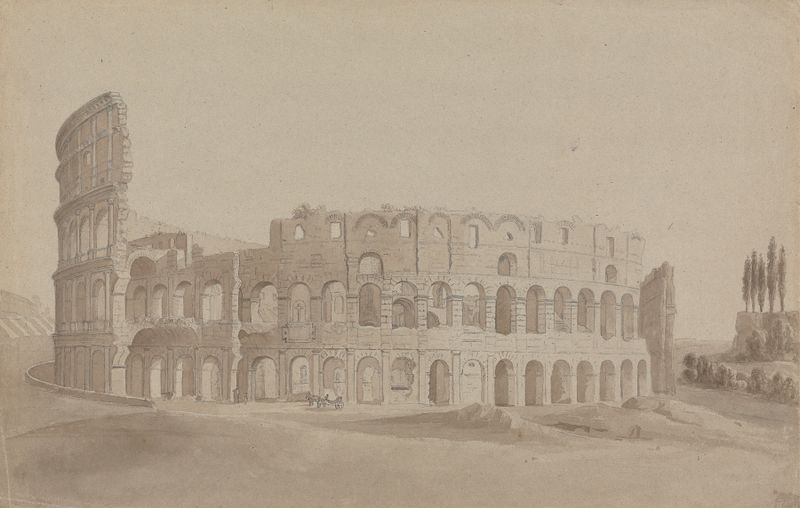
The Colosseum, Rome
Isaac Weld
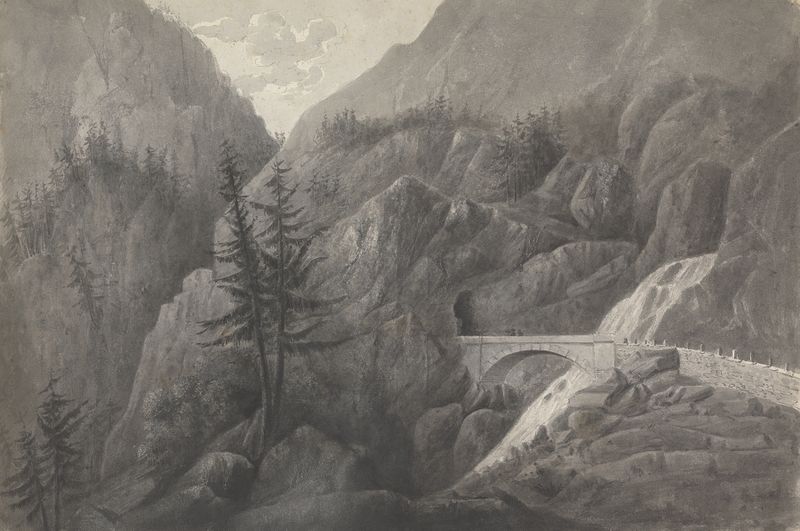
Simplon (Switzerland)
Isaac Weld
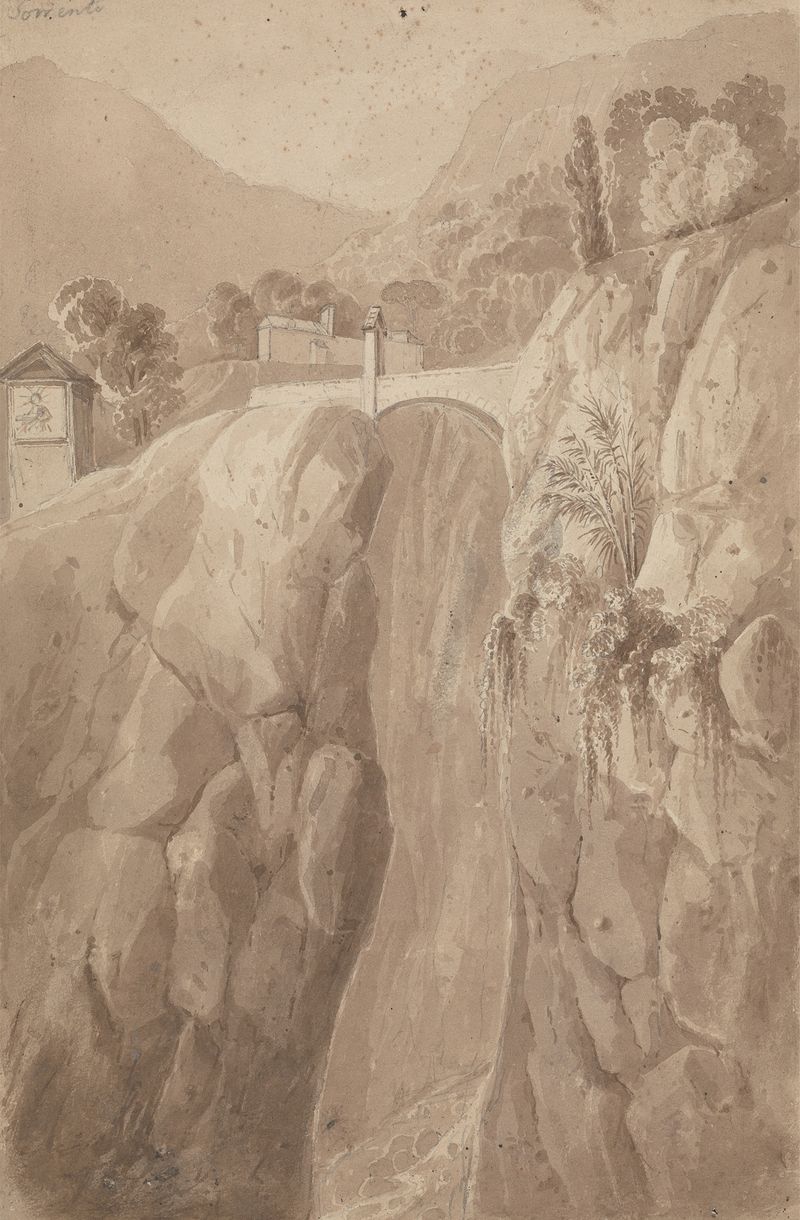
Sorrento
Isaac Weld
More Architecture Art
Browse all →
The statue of Liberty
Frédéric Auguste Bartholdi

View of Houses in Delft, Known as ‘The Little Street’
Johannes Vermeer

View of Houses in Delft, Known as ‘The Little Street’
Johannes Vermeer

The Cathedral in Rouen. The portal, Grey Weather
Claude Monet

The yellow house
Vincent van Gogh

The Church in Auvers-sur-Oise, View from the Chevet
Vincent van Gogh