
Ruins at Amposta on the Ebro — History & Facts
In the stillness of the moment, shadows whisper secrets, hinting at stories of what was and what could be. The interplay of light and dark transforms the ordinary into something profound, inviting reflection on the passage of time and the remnants of existence. Look to the horizon where ruins rise majestically, their crumbling forms absorbing the sun’s golden rays. Notice how the deep shadows stretch across the landscape, creating a stark contrast against the warm earth tones of the sunlit remnants.
The artist’s meticulous brushwork allows the texture of the stone to evoke both resilience and decay, while the gentle ripples of the Ebro River in the background draw the eye and provide a sense of quiet movement. As you study the intricacies of the scene, observe the desolate beauty that speaks to loss and nostalgia, where nature’s reclaiming forces are ever-present. The delicate balance between light and shadow not only highlights the ruin's fragility but also suggests the passage of time, prompting questions about what stories lie hidden beneath the surface. Here, the contrast evokes a bittersweet tension between endurance and impermanence, echoing the cycles of life itself. Charles Hamilton Smith painted this scene during a period of great artistic exploration and change.
Active in the early 19th century, he was deeply influenced by the Romantic movement, which sought to capture the sublime beauty of nature and the remnants of past civilizations. His work reflects a fascination with the interplay of history and environment, emerging during a time when artists were beginning to embrace landscape as a legitimate subject matter, setting the stage for future movements in art.
More Artworks by Charles Hamilton Smith
Browse all →
Situation of H.M.S. Hecla & Griper
Charles Hamilton Smith
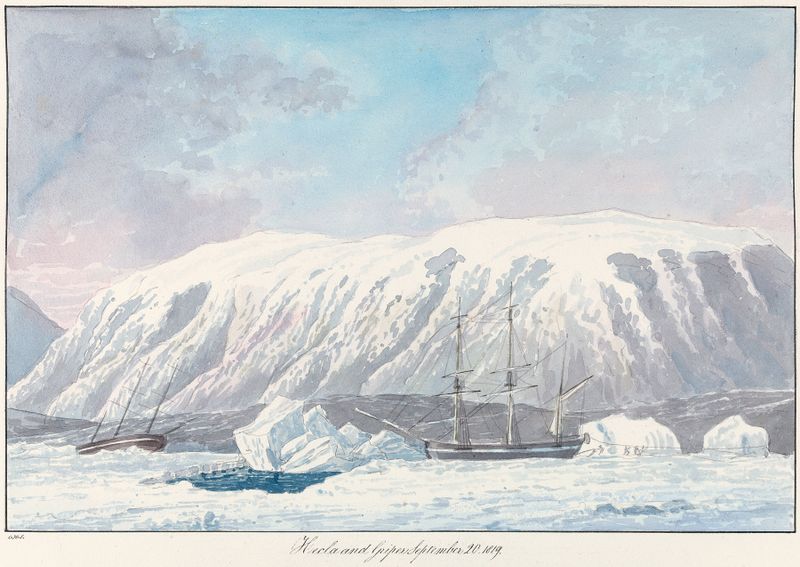
Hecla and Griper
Charles Hamilton Smith

Friendly Cove, Nootka Sound
Charles Hamilton Smith

Iceberg in Baffin’s Bay
Charles Hamilton Smith
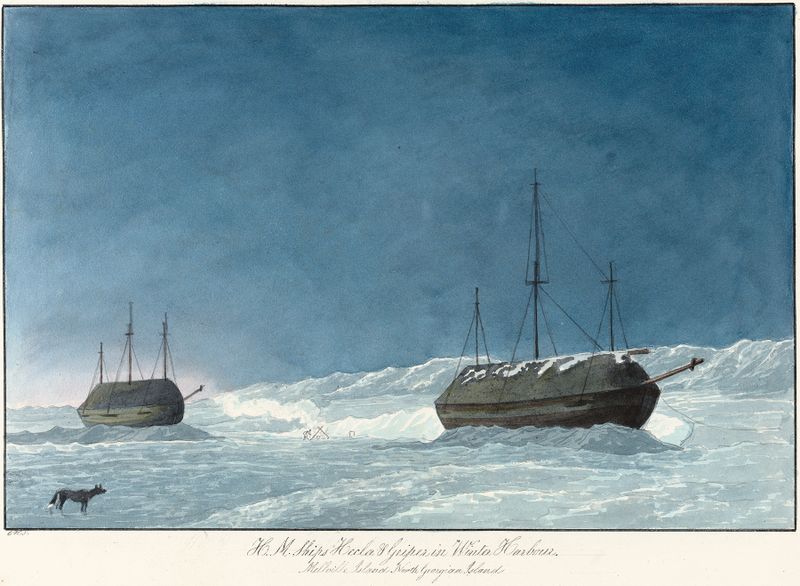
H. M. Ships Hecla and Griper in Winter Harbour
Charles Hamilton Smith

The Erebus & Terror in a Gale in the Pack of the Ice
Charles Hamilton Smith
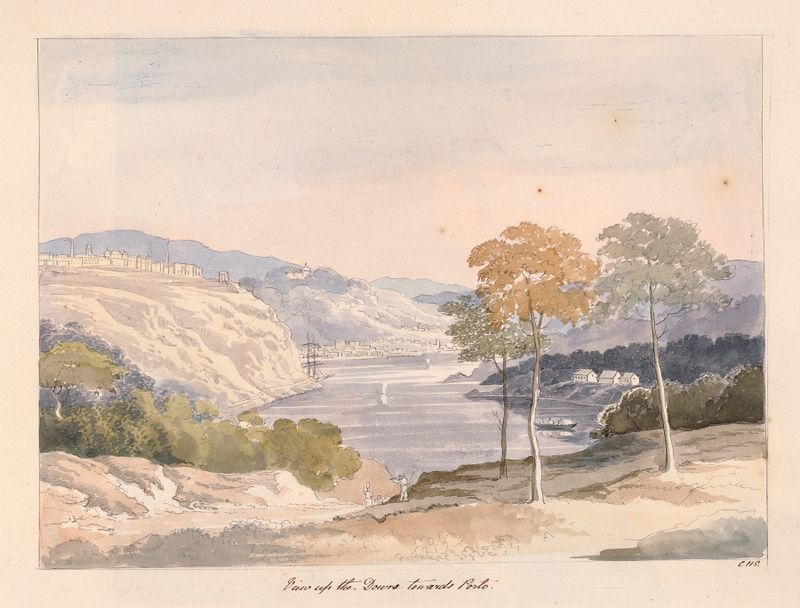
View of the Douro towards Porto
Charles Hamilton Smith
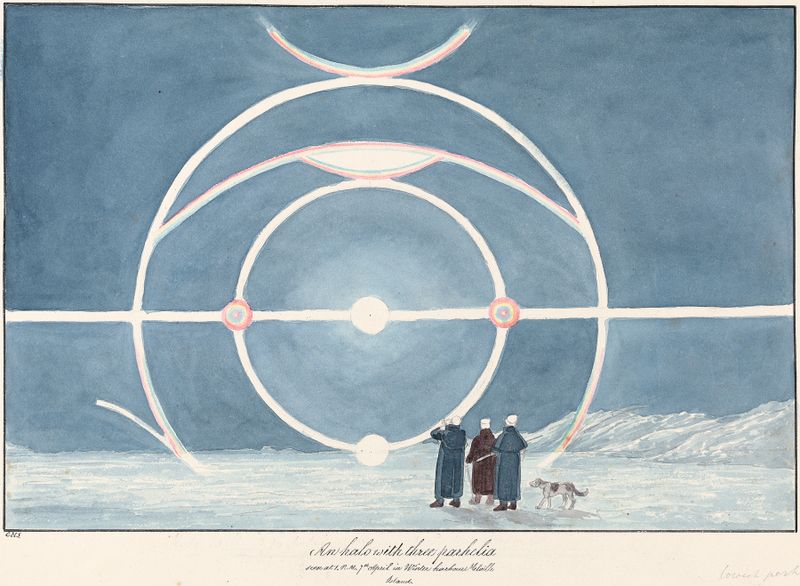
Halo with Three Parhelia, Winter Harbour Melville Island
Charles Hamilton Smith
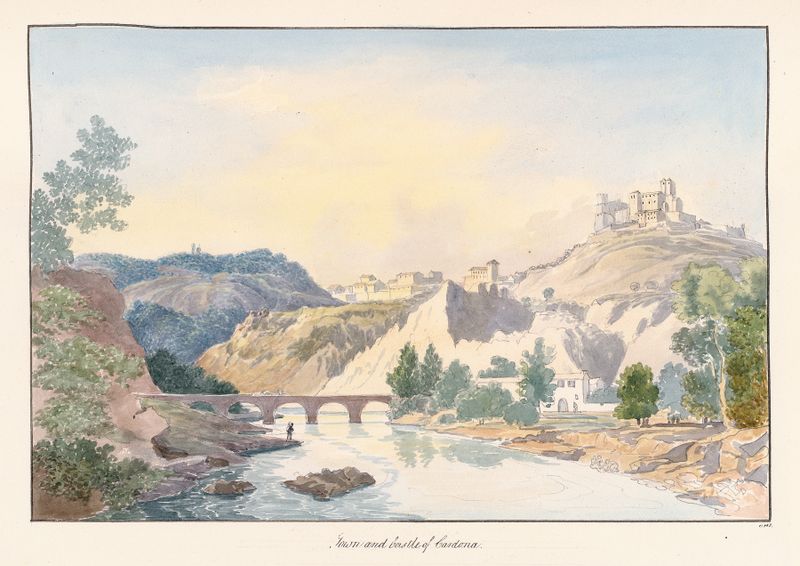
Town and Castle of Cardona
Charles Hamilton Smith
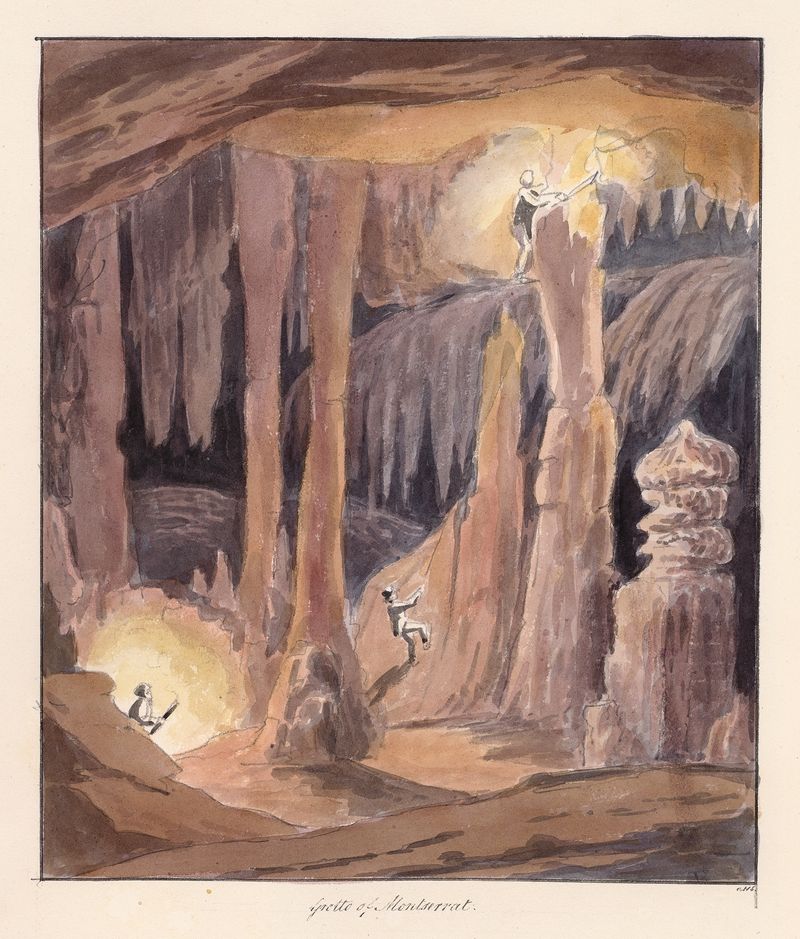
Grotto of Montserrat
Charles Hamilton Smith





