
Ruins-Campagna of Rome — History & Facts
Can paint confess what words never could? In Ruins-Campagna of Rome, the canvas breathes life into the ruins, inviting us to ponder the fleeting nature of existence and the echoes of a once-great civilization. Look to the left where the ancient columns rise against the backdrop of a vast, ethereal sky. The delicate interplay of light and shadow reveals Bierstadt's masterful technique, creating a sense of depth and history that pulls the viewer into the crumbling architecture. Notice the warm hues washing over the stone, contrasting with the cooler tones enveloping the distant hills, suggesting the passage of time and the relentless march of nature reclaiming its space. Hidden within this serene landscape lies a tension between decay and beauty.
The tangle of foliage creeping over the ruins speaks to resilience, while the ghostly remnants of human endeavor remind us of mortality. Each brushstroke seems to whisper stories of triumph and tragedy, urging us to reflect on the legacy we leave behind. It is a transcendent moment, captured forever in the stillness of the scene. In 1867, when this work was created, Bierstadt was in Italy, immersed in the rich history and landscape of the region.
This period marked a time of exploration and fascination with the sublime in nature, influenced by the Romantic movement. As he painted the remnants of ancient Rome, he was also navigating the complexities of his own artistic identity, seeking to blend realism with the emotional depth that defined his oeuvre.
More Artworks by Albert Bierstadt
Browse all →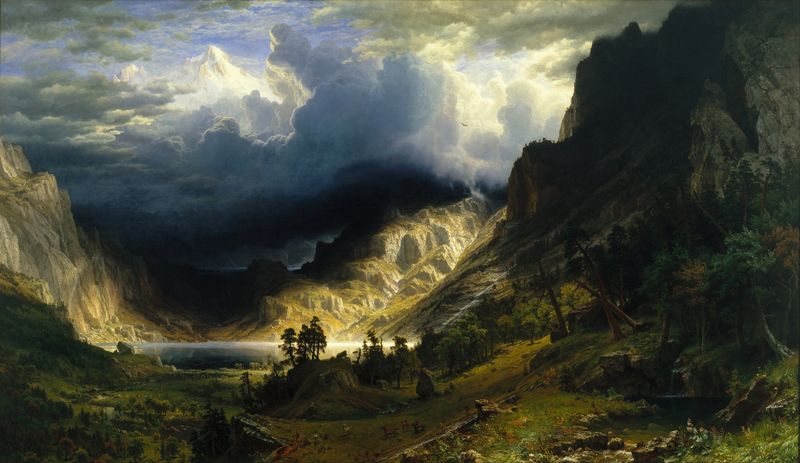
A Storm in the Rocky Mountains, Mt. Rosalie
Albert Bierstadt
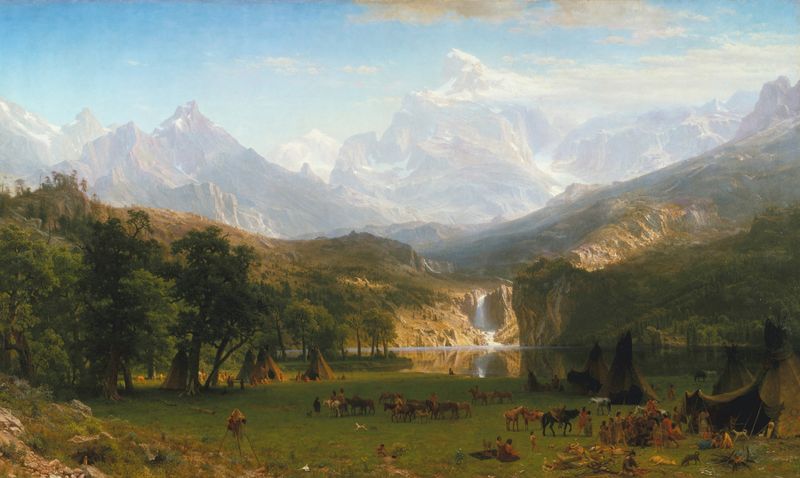
The Rocky Mountains, Lander’s Peak
Albert Bierstadt
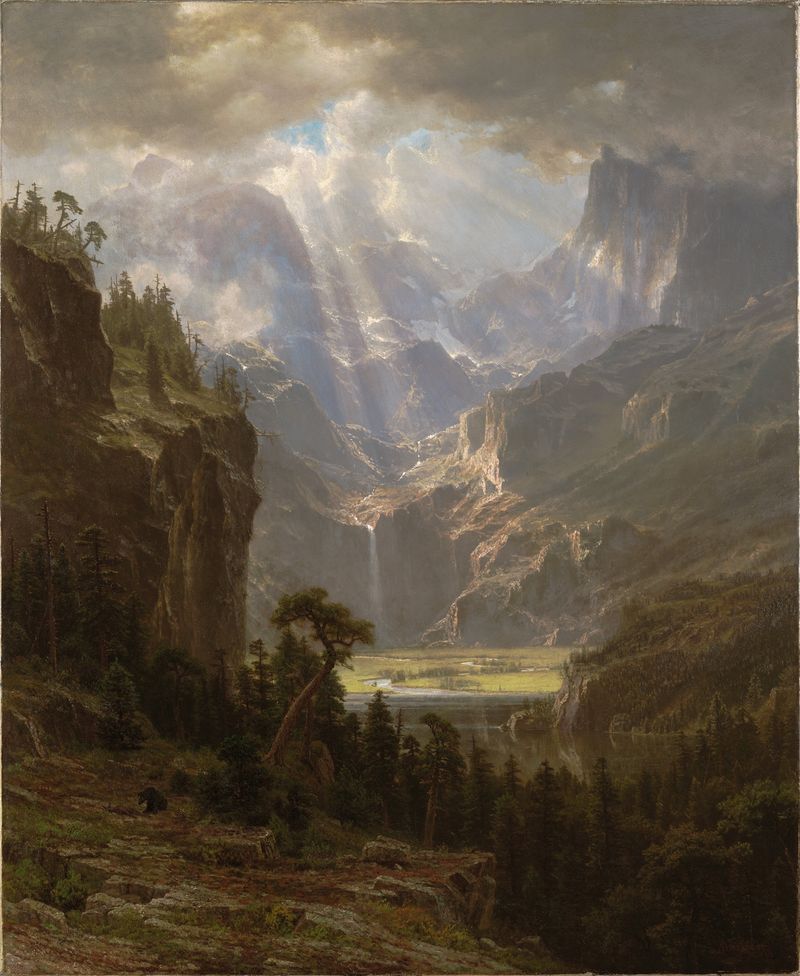
Rocky Mountains, Lander’s Peak
Albert Bierstadt
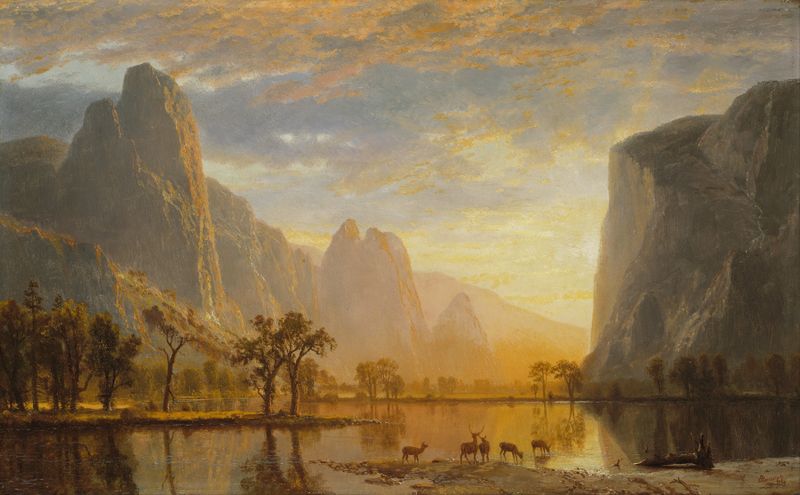
Valley of the Yosemite
Albert Bierstadt
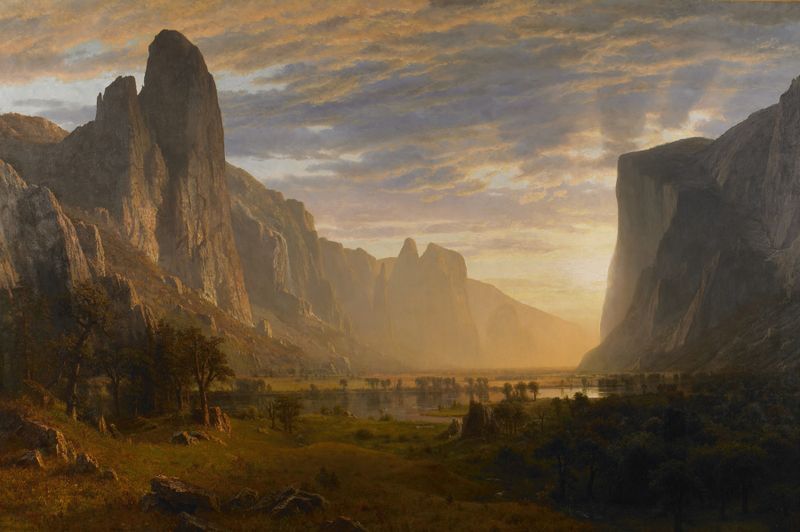
Looking Down Yosemite Valley, California
Albert Bierstadt
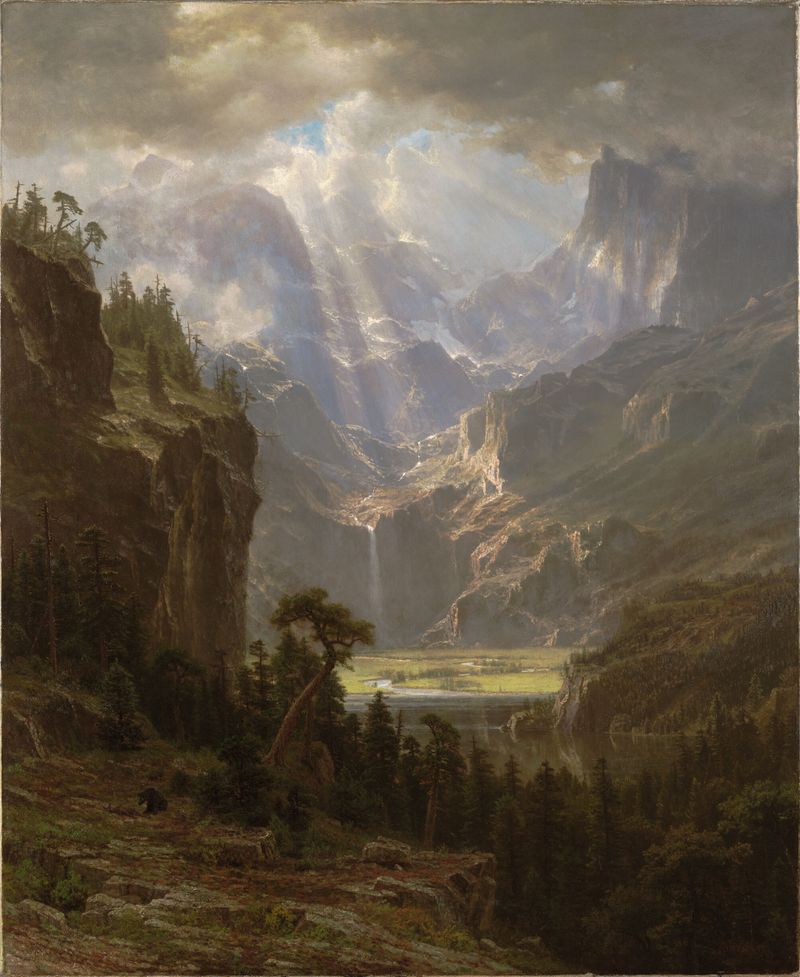
Rocky Mountains, "Lander's Peak"
Albert Bierstadt
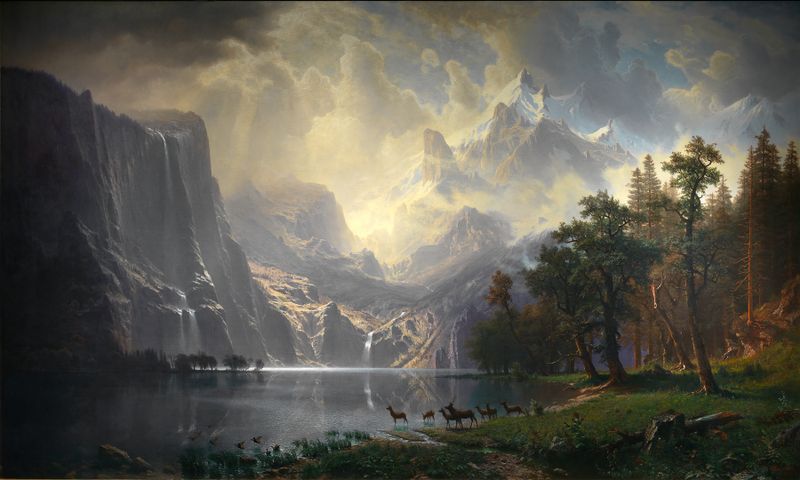
Among the Sierra Nevada, California
Albert Bierstadt
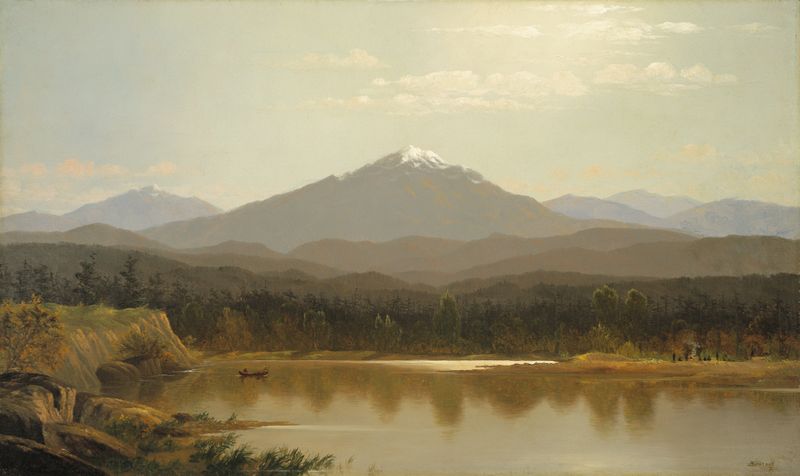
Laramie Peak
Albert Bierstadt
Nevada Falls, Yosemite
Albert Bierstadt
Yellowstone Falls
Albert Bierstadt





