
Ruins of the Gallien Palace in Bordeaux — History & Facts
Where does light end, and longing begin? In the quiet decay of an abandoned palace, the void between memory and reality becomes palpable. Look to the center of the canvas, where the imposing ruins rise like a solemn tribute to a forgotten grandeur. The light delicately graces the weathered stones, illuminating their worn surfaces and casting soft shadows that hint at the passage of time. Notice how the artist's deft brushwork captures the intricate details of the architecture, with each crumbled column and fragmented archway telling its own story.
The muted palette, dominated by earthy tones and muted greens, evokes a sense of nostalgia, drawing the viewer into a world where beauty and desolation intertwine. In the background, subtle contrasts emerge: the fragile interplay between light and shadow mirrors the tension between past prosperity and the inevitable decay of time. Each crevice and fissure in the stone reflects the weight of history, suggesting a longing for what once was. The absence of human presence amplifies the emotional resonance; one can almost sense the echoes of laughter and conversation lingering in the air—ghosts of a vibrant life now reduced to silence. Maxime Lalanne painted Ruins of the Gallien Palace in Bordeaux between 1866 and 1868 during a time when the Romantic movement was giving way to Impressionism.
Living in France, he was then preoccupied with themes of nostalgia and the passage of time, reflecting a period of profound change in both the art world and society. The artwork serves as a poignant reminder of the fleeting nature of beauty and the scars left by time.
More Artworks by Maxime Lalanne
Browse all →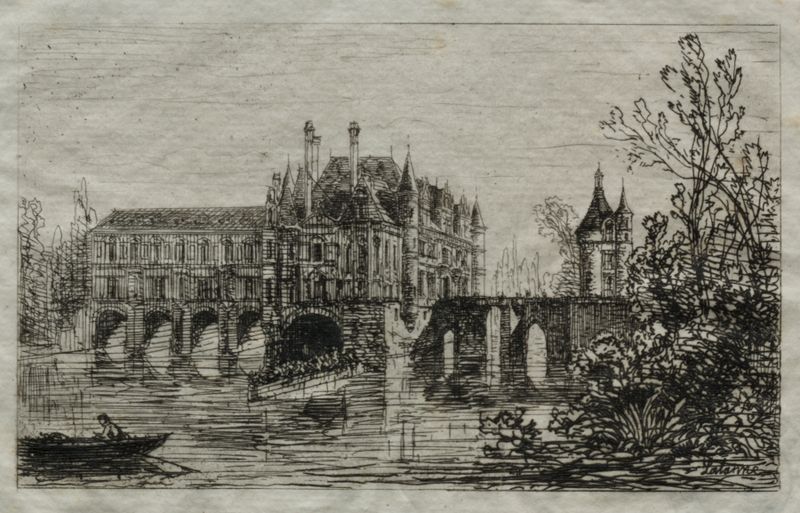
Château de Chenonceau
Maxime Lalanne
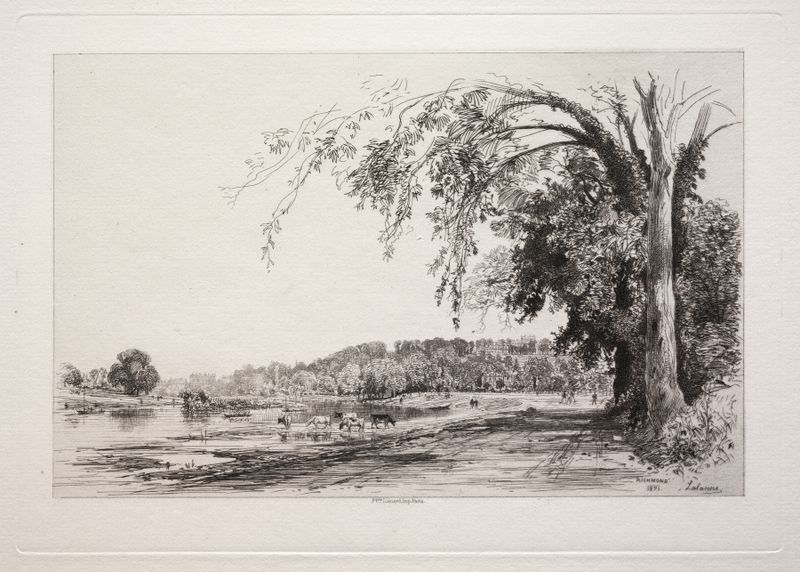
Richmond
Maxime Lalanne
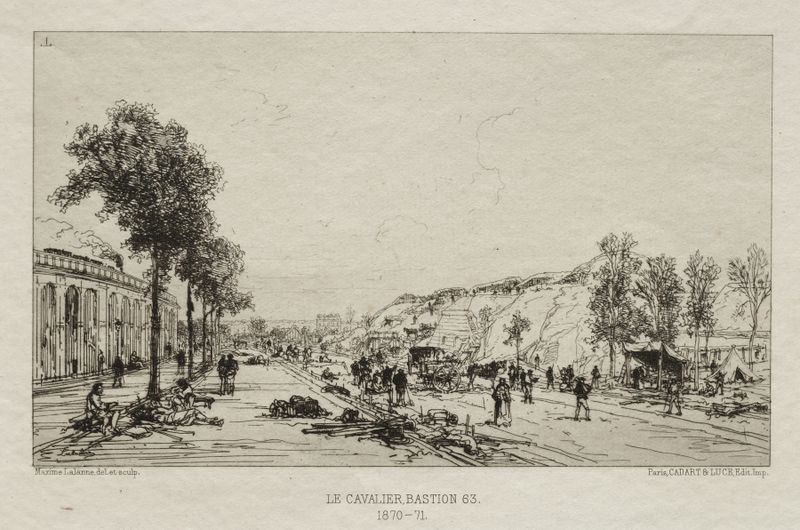
Souvenirs artistiques du Siège de Paris; Le Cavalie (Bastion 63)
Maxime Lalanne
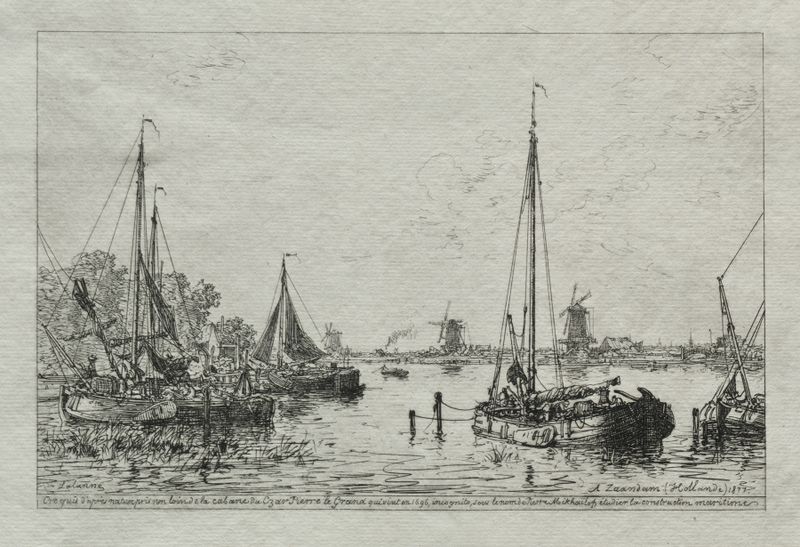
Sketch from Nature
Maxime Lalanne
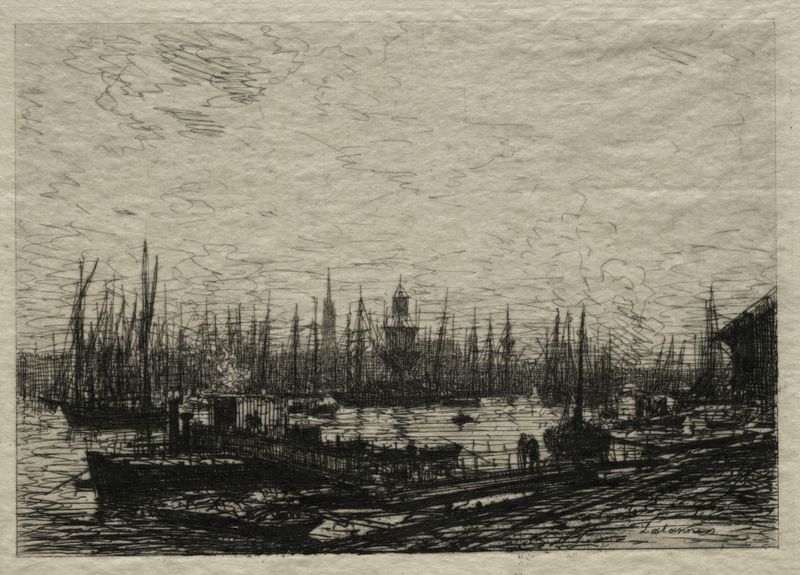
In the Bordeaux Harbor
Maxime Lalanne
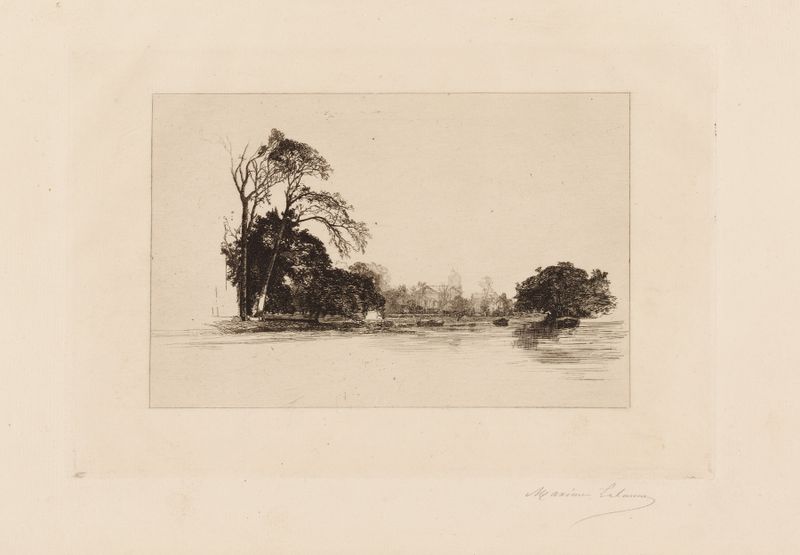
Bank of the Thames
Maxime Lalanne
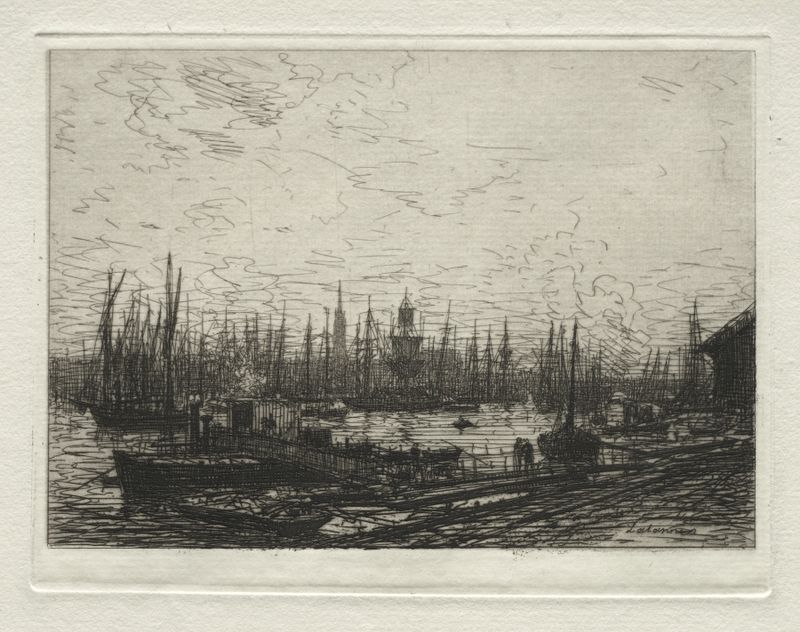
Port of Bordeaux
Maxime Lalanne
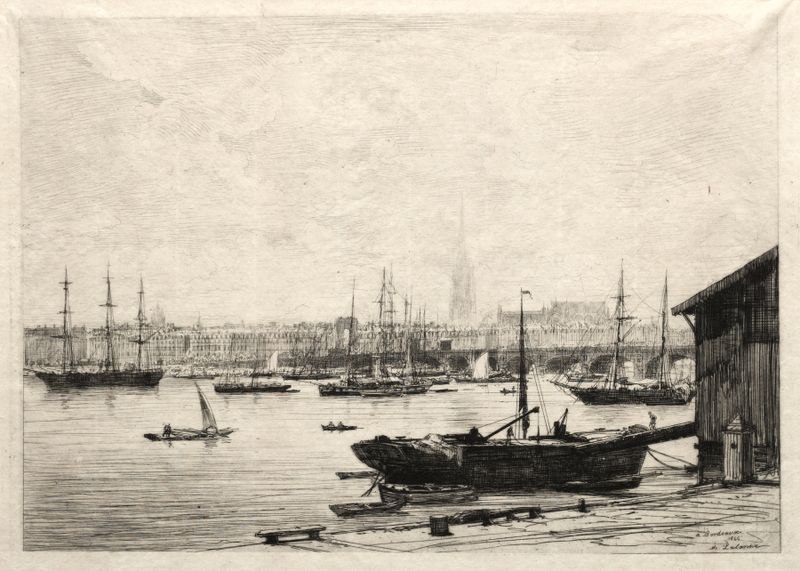
Bordeaux
Maxime Lalanne
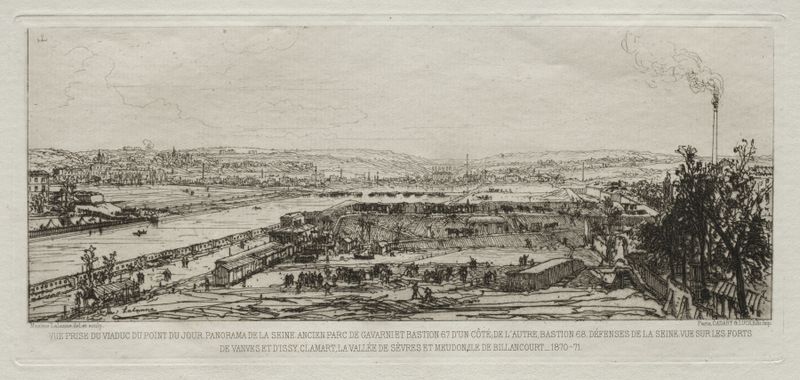
View from the Viaduct at the Pont-du-Jour, Panorama de la Seine
Maxime Lalanne
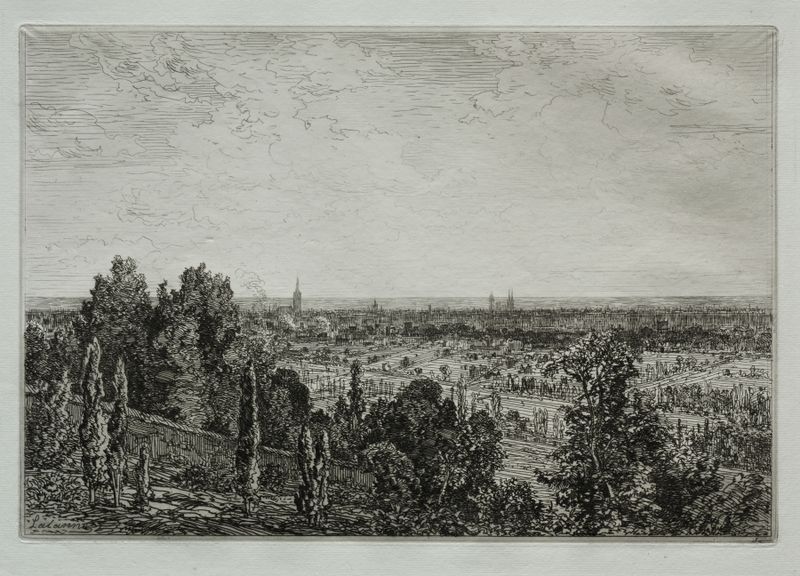
Bordeaux, View from the Coast of Cénon
Maxime Lalanne
More Architecture Art
Browse all →
The statue of Liberty
Frédéric Auguste Bartholdi

View of Houses in Delft, Known as ‘The Little Street’
Johannes Vermeer

View of Houses in Delft, Known as ‘The Little Street’
Johannes Vermeer

The Cathedral in Rouen. The portal, Grey Weather
Claude Monet

The yellow house
Vincent van Gogh

The Church in Auvers-sur-Oise, View from the Chevet
Vincent van Gogh