
Ruins of the Krzyżtopór castle in Ujazd — History & Facts
Can paint confess what words never could? In Ruins of the Krzyżtopór castle in Ujazd, a sense of melancholic ecstasy envelops the viewer, inviting them to explore layers of history and emotion through the brilliance of brushwork. Look to the center of the canvas, where crumbling stone walls rise defiantly against a backdrop of soft, fading light. Notice how the artist employs a palette of muted earth tones, highlighting the texture of the ancient stones while shadows dance across the surface, imbuing it with a sense of mystery. The delicate gradation of colors, from deep browns to pale grays, draws the eye outward, creating a visual dialogue between the ruins and the encroaching landscape, suggesting a story of loss and resilience. Amidst the decay, there’s a profound contrast between the permanence of the castle and the transience of nature surrounding it.
Small patches of vibrant greenery push through the cracks, symbolizing hope and rebirth even in the face of oblivion. The distant horizon evokes a sense of longing, as if the viewer is beckoned to ponder the tales the walls could tell, whispering secrets of lives once lived, joys, and sorrows woven into the very fabric of the place. In 1904, Kazimierz Stabrowski painted this evocative piece during a time when Poland was grappling with partitions and a search for identity. Living in the midst of rapid artistic movements across Europe, Stabrowski was influenced by both Romanticism and Realism, capturing the essence of a fading past that resonates deeply in his work.
This painting stands as a testament to the beauty found in decay, reflecting the artist’s keen awareness of history’s emotional weight.
More Artworks by Kazimierz Stabrowski
Browse all →
Mosque in Kairouan
Kazimierz Stabrowski
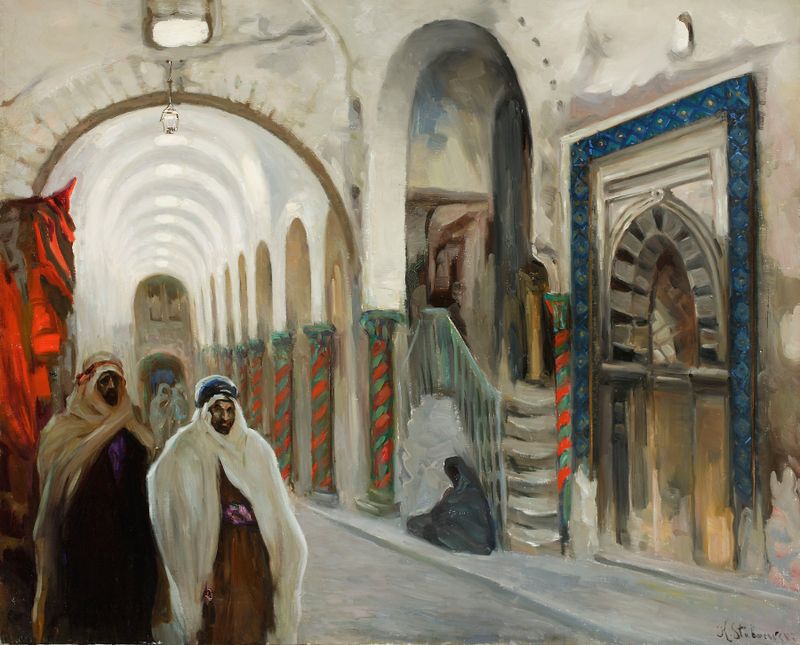
Souq in Kairouan
Kazimierz Stabrowski

Landscape with three trees
Kazimierz Stabrowski
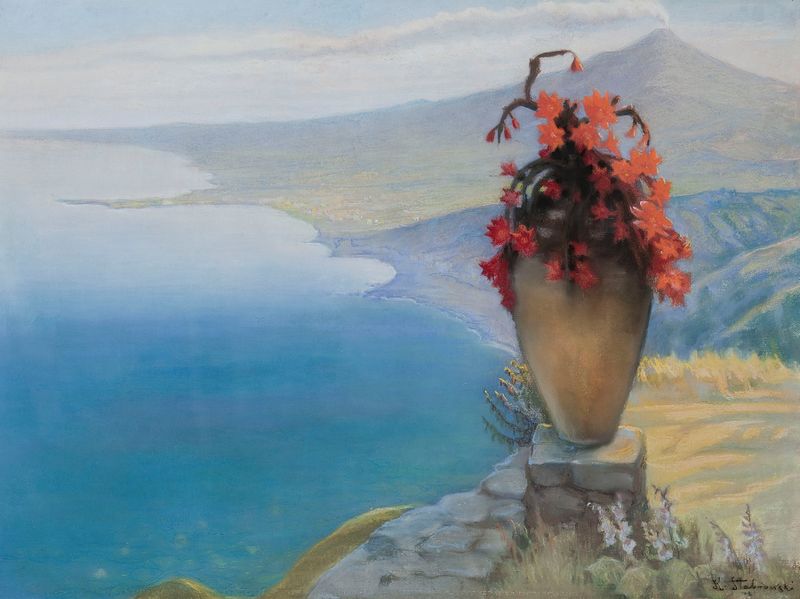
View of Taormina
Kazimierz Stabrowski

Vilnius – Cathedral Bell Tower
Kazimierz Stabrowski
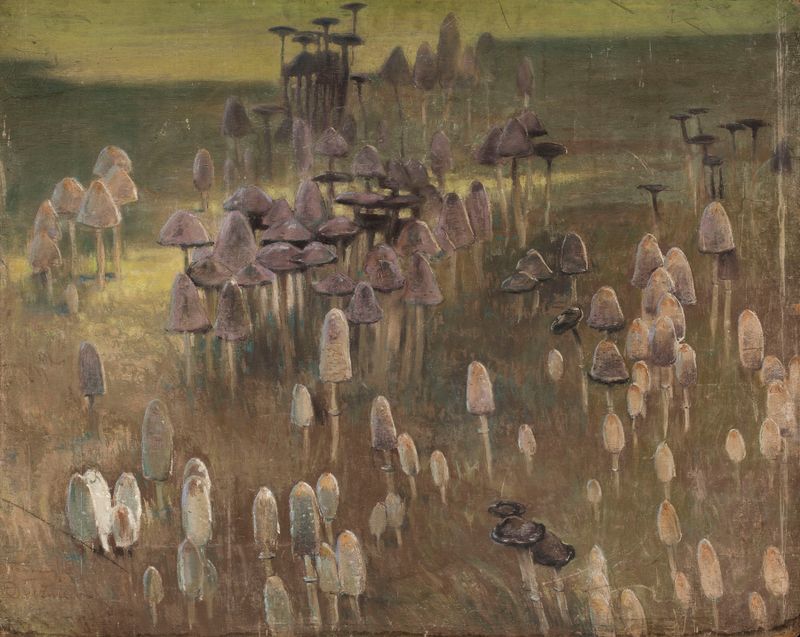
Autumn flora
Kazimierz Stabrowski
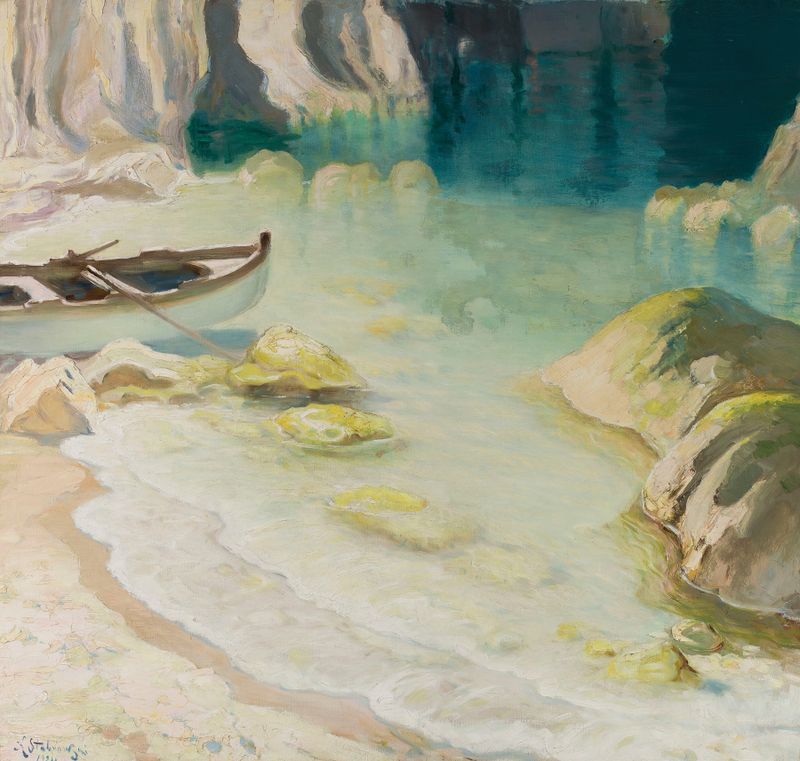
Boat at rocky coast
Kazimierz Stabrowski
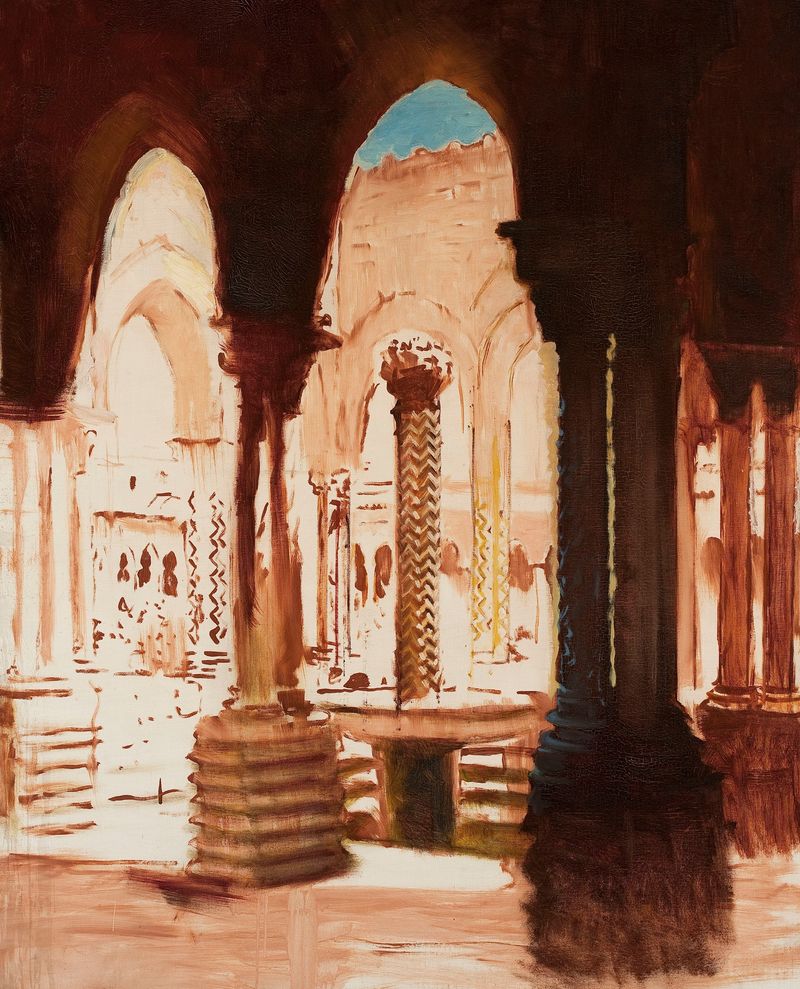
Monastery courtyard in Monreale-Palermo
Kazimierz Stabrowski
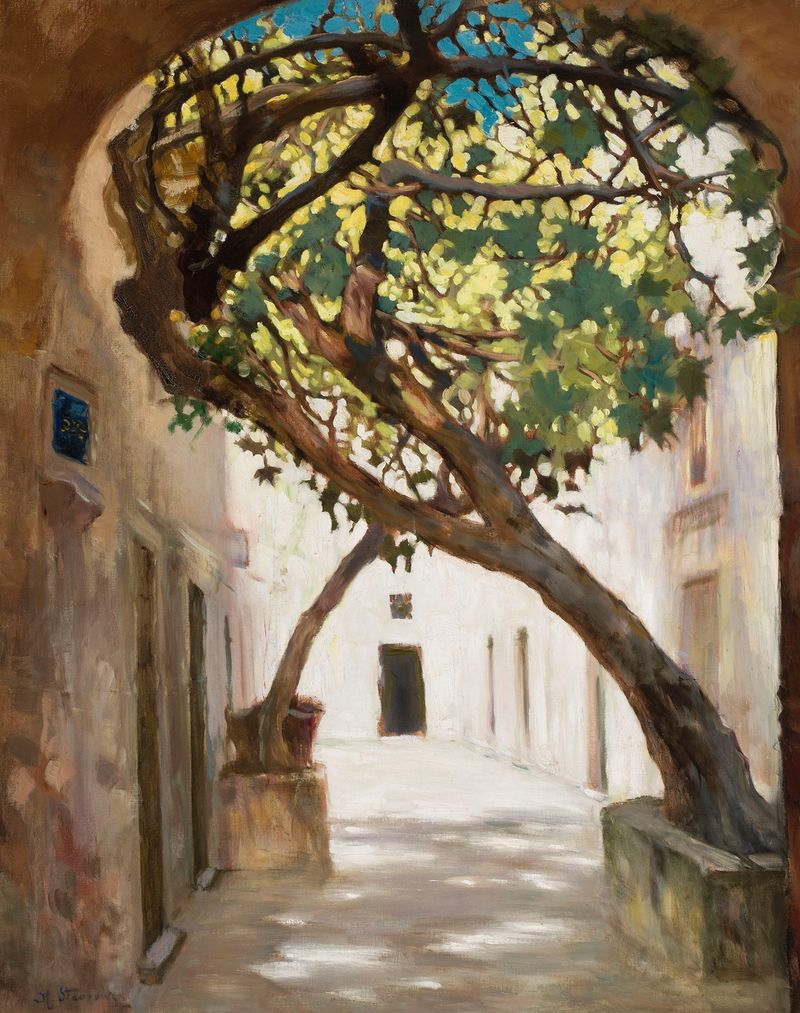
Street in Sarajevo
Kazimierz Stabrowski

Norwegian fjord
Kazimierz Stabrowski
More Architecture Art
Browse all →
The statue of Liberty
Frédéric Auguste Bartholdi

View of Houses in Delft, Known as ‘The Little Street’
Johannes Vermeer

View of Houses in Delft, Known as ‘The Little Street’
Johannes Vermeer

The Cathedral in Rouen. The portal, Grey Weather
Claude Monet

The yellow house
Vincent van Gogh

The Church in Auvers-sur-Oise, View from the Chevet
Vincent van Gogh