
View of Taormina — History & Facts
What secret hides in the quiet of the canvas? In the gentle embrace of twilight, the viewer is invited to uncover the yearning that permeates this stunning vista. Look to the left at the way the ancient ruins emerge from the landscape, their crumbling forms a testament to time’s passage. The soft hues of lavender and gold wash over the hills, where olive trees sway as if whispering stories of old. Notice how the distant horizon merges sky and sea, creating a serene boundary, yet hinting at the infinite beyond that draws the eye upward. Delve deeper into the contrasts within the scene; the lush greenery flourishes beneath a sky that shifts from warmth to coolness—a symbol of transition, echoing the duality of nostalgia and hope.
The stillness of the water reflects not only the beauty of Taormina but also the longing for connection with a past that feels just out of reach. In this quiet moment, there lies an emotional tension that invites introspection, urging the viewer to ponder their own yearnings and the stories of places untold. In 1901, Kazimierz Stabrowski painted this work while living in Poland, a period marked by a growing interest in Impressionism. The turn of the century saw artists exploring the interplay of light and atmosphere, reflective of societal changes and personal discoveries.
As Stabrowski engaged with the natural beauty of Taormina, he was simultaneously navigating the evolving art landscape, balancing tradition with innovation—a blend that resonates beautifully in this canvas.
More Artworks by Kazimierz Stabrowski
Browse all →
Mosque in Kairouan
Kazimierz Stabrowski
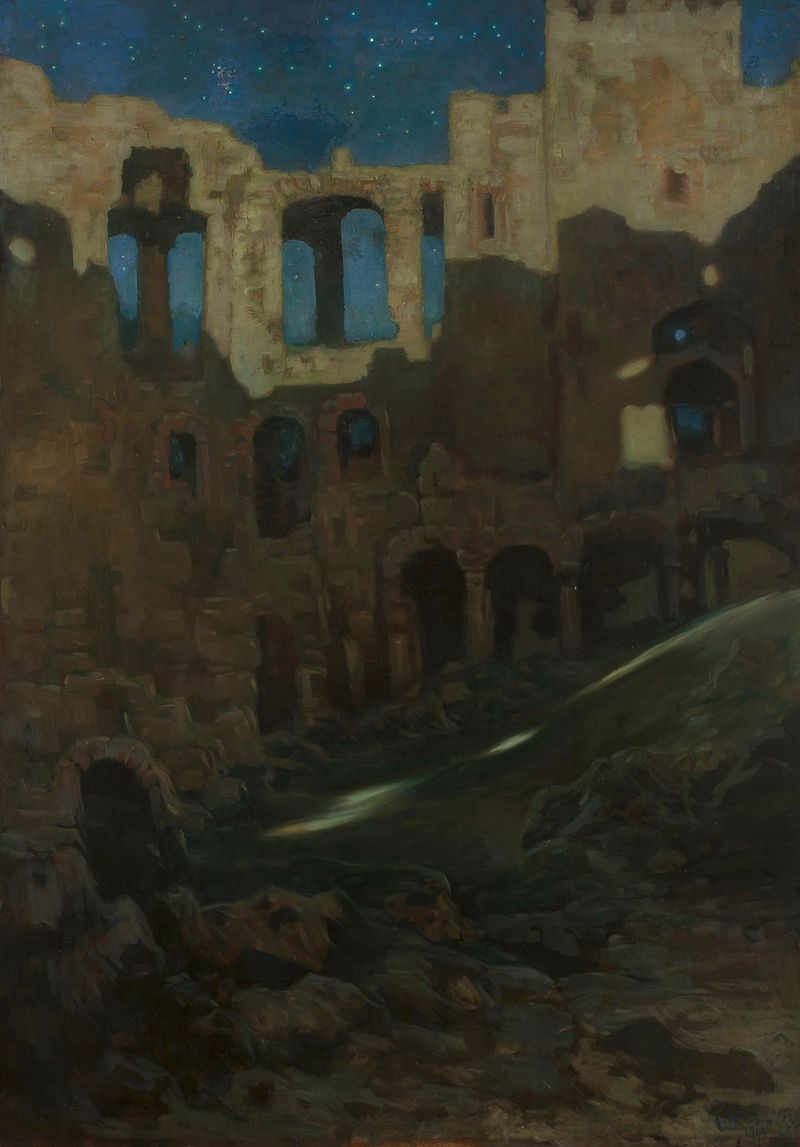
Ruins of the Krzyżtopór castle in Ujazd
Kazimierz Stabrowski
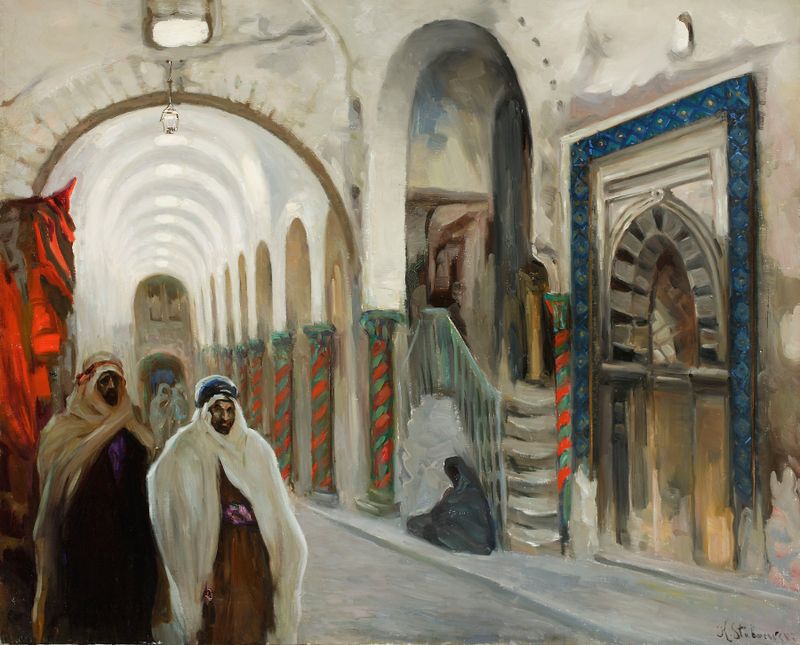
Souq in Kairouan
Kazimierz Stabrowski

Landscape with three trees
Kazimierz Stabrowski

Vilnius – Cathedral Bell Tower
Kazimierz Stabrowski
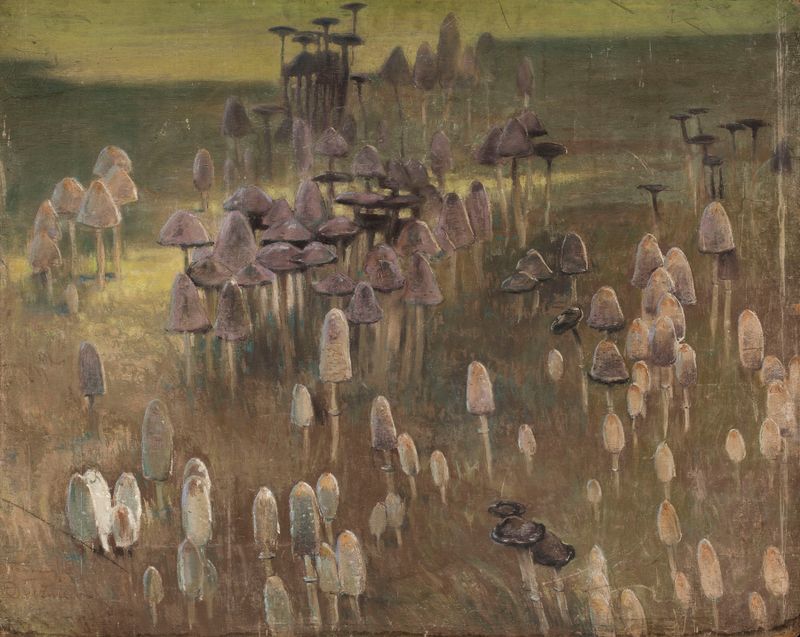
Autumn flora
Kazimierz Stabrowski
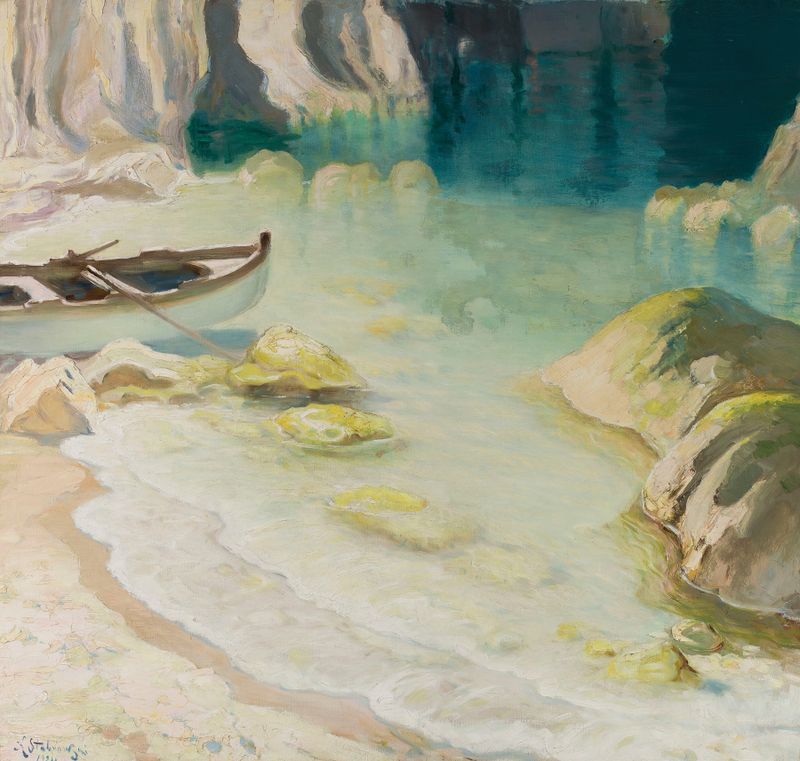
Boat at rocky coast
Kazimierz Stabrowski
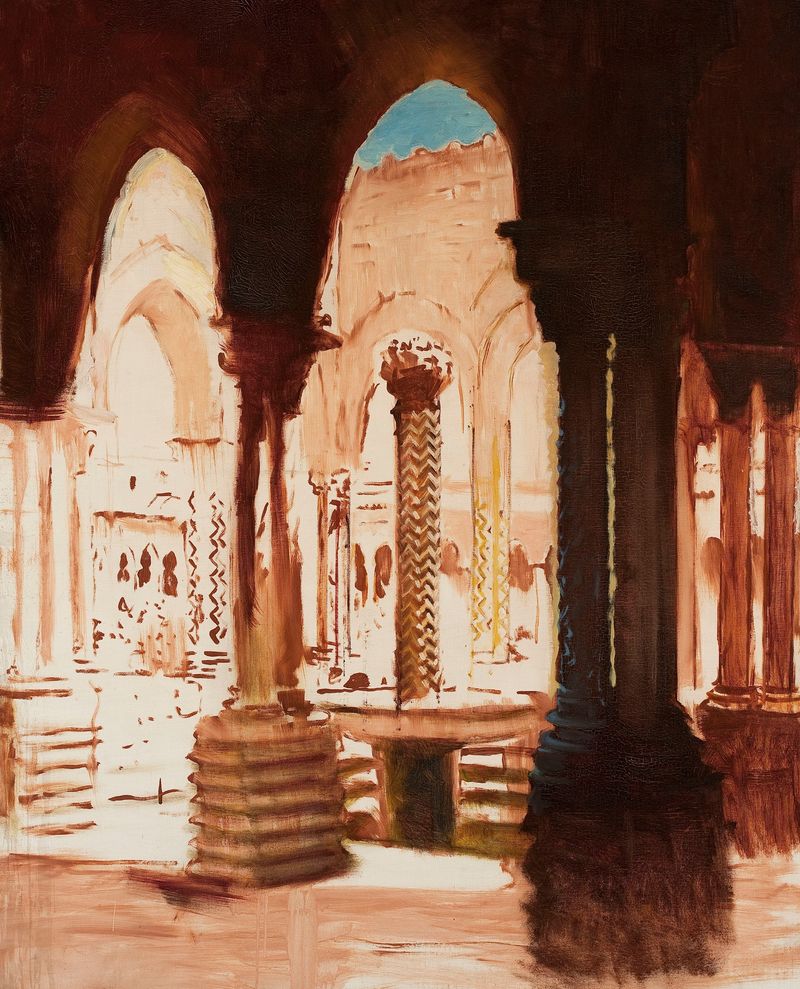
Monastery courtyard in Monreale-Palermo
Kazimierz Stabrowski
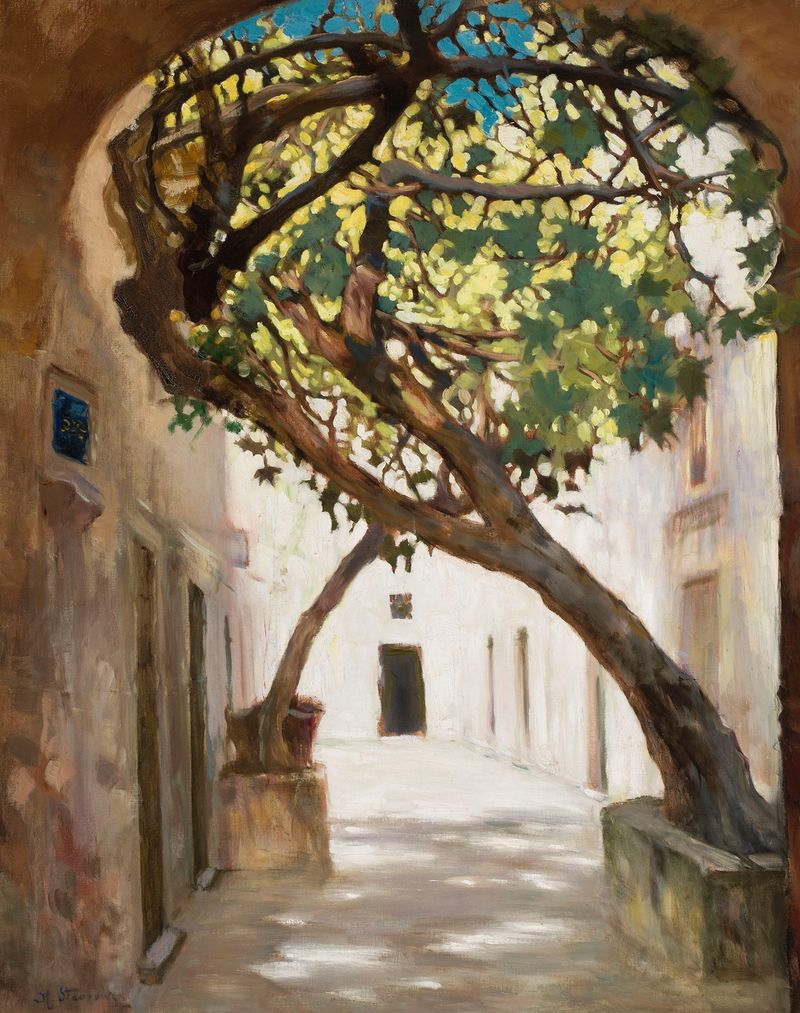
Street in Sarajevo
Kazimierz Stabrowski

Norwegian fjord
Kazimierz Stabrowski





