Ruïne aan een rivier met rechts een jongen en een meisje — History & Facts
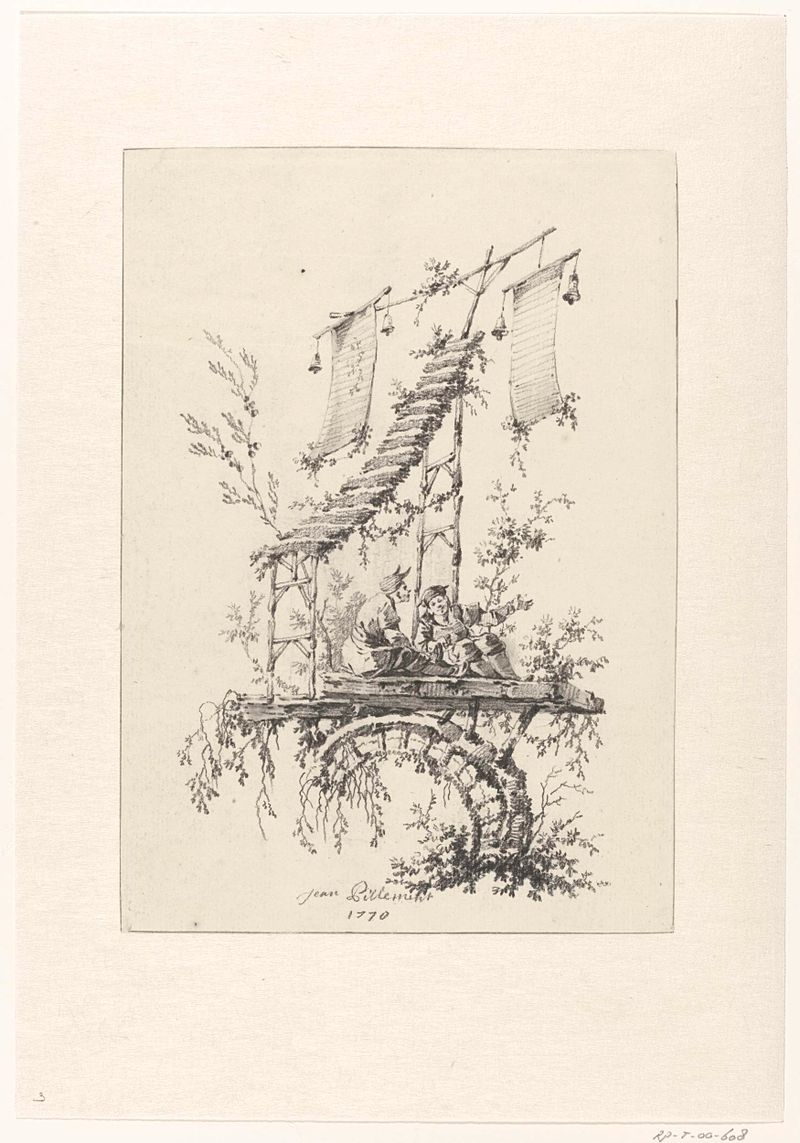
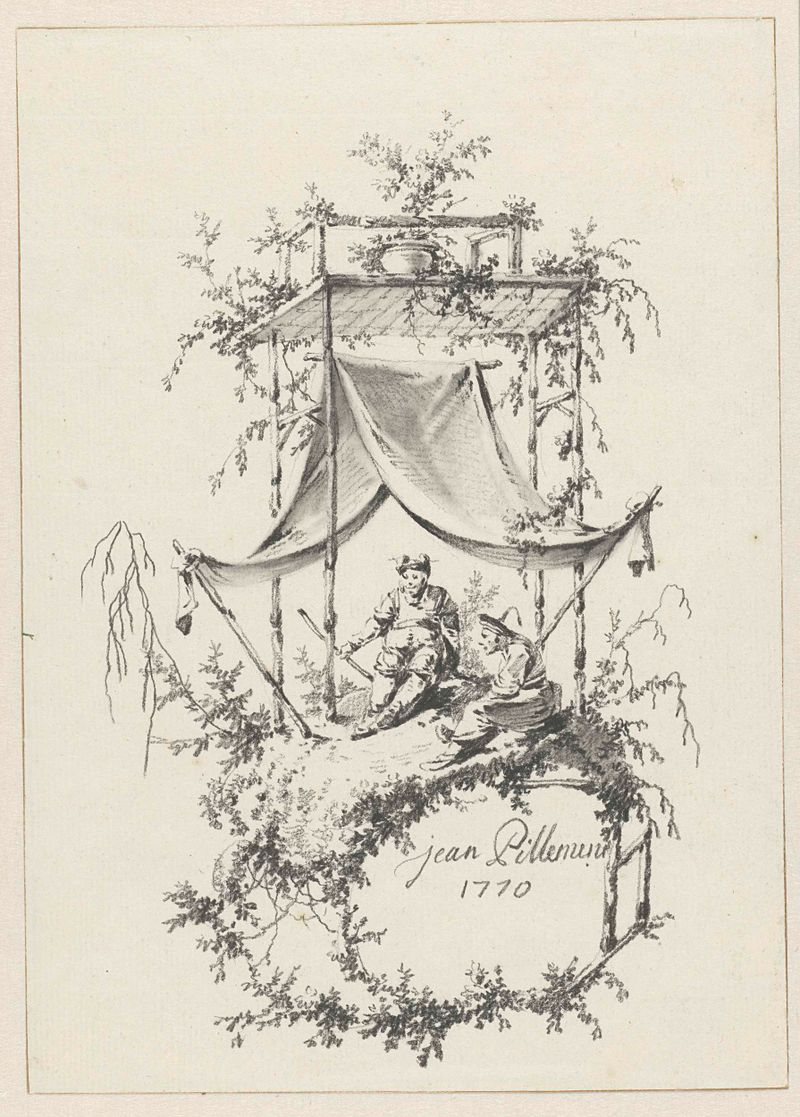
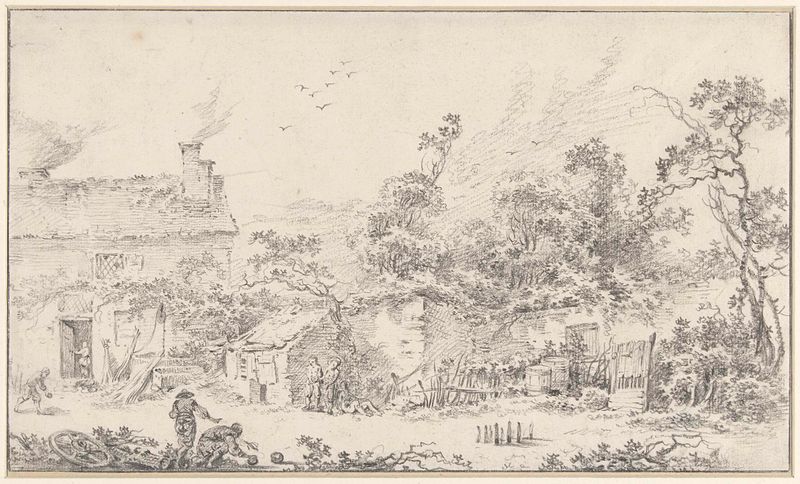
This unspoken dialogue of awakening reverberates through the layers of a canvas, inviting the viewer to delve deeper into a world that is both serene and complex. Look to the left at the crumbling ruins, where nature’s reclamation intertwines with the vestiges of human history. The muted earth tones contrast with the vibrant greens that envelop the scene, drawing your gaze to the young couple on the right. Their positioning suggests a moment of connection amidst the decay, with the gentle strokes of the artist’s brush capturing the essence of their youth and innocence.
Notice how the light plays softly on their figures, casting delicate shadows that whisper of a shared secret, while the river flows quietly in the background, mirroring their soft communication. Beneath this idyllic surface lie contrasting themes of decay and vitality. The ruins stand as a testament to time’s passage, evoking feelings of nostalgia and loss, while the youthful figures represent hope and renewal. This juxtaposition encapsulates a moment suspended between what has been and what might still unfold, hinting at the delicate balance between the past and the future.
The serene atmosphere invites contemplation, as if urging the viewer to consider the cycles of life and the promise inherent in every dawn. In 1771, Pillement painted this piece during a period of personal exploration while living in France after his travels around Europe. His art was influenced by the Rococo style, yet he sought to blend the picturesque with a deeper narrative, reflecting the shifting tides of artistic focus during the late 18th century. This particular work is emblematic of his ability to marry landscape with human emotion, creating a timeless dialogue between humanity and the natural world.