Landelijke behuizing in bosrijke omgeving — History & Facts
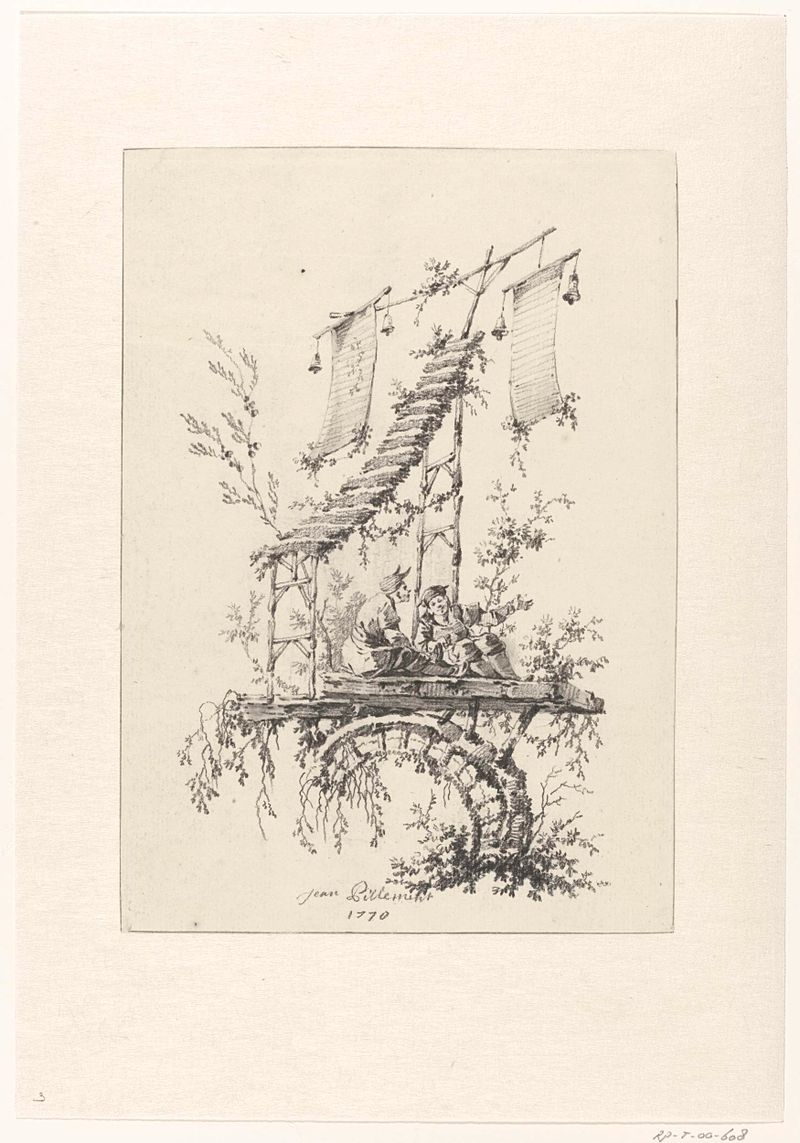
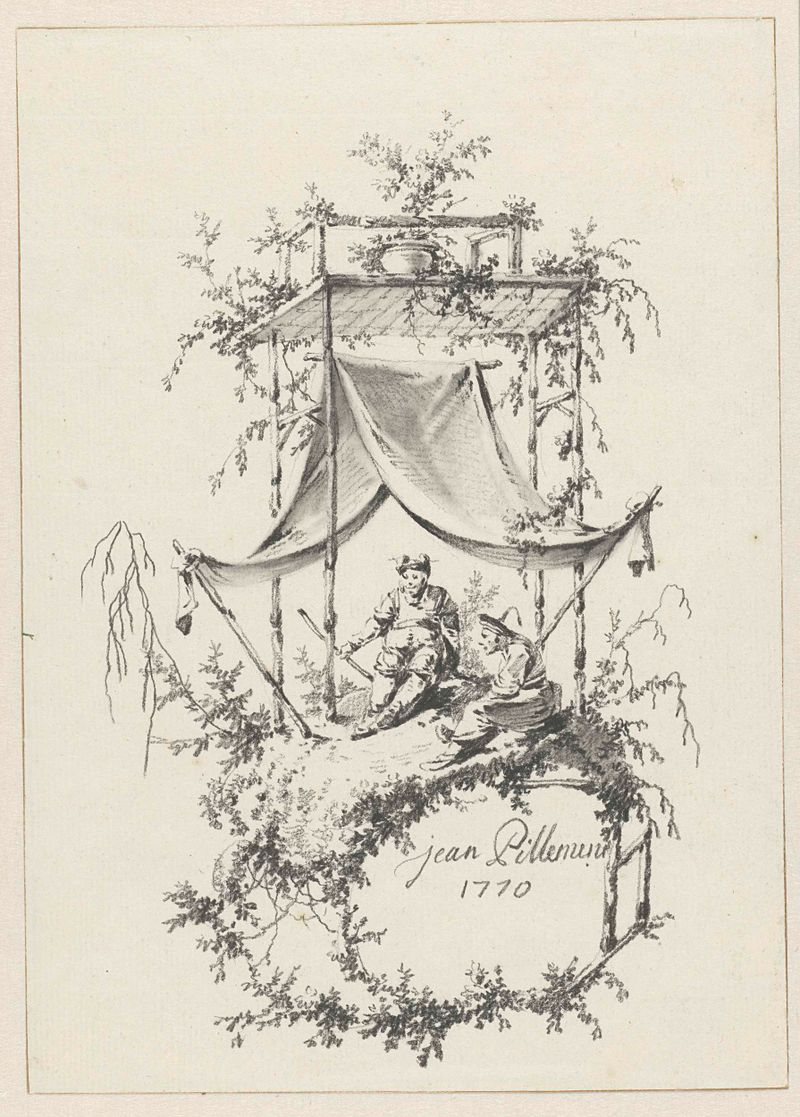
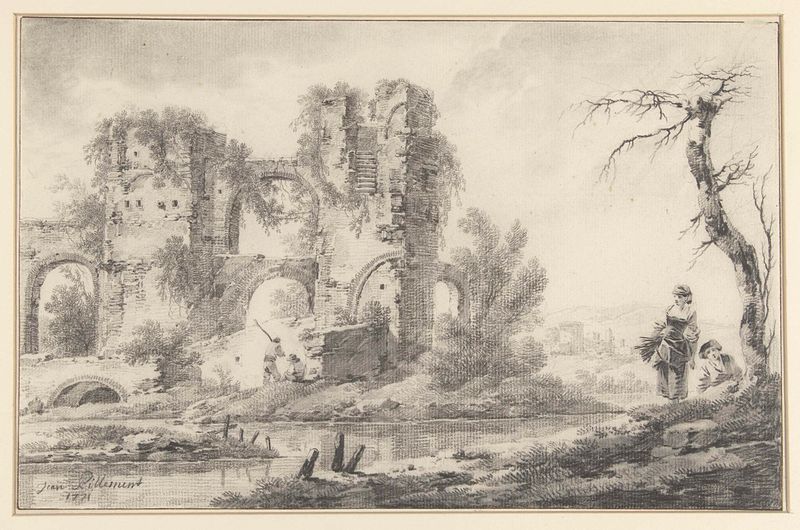
Can beauty exist without sorrow? The vibrant hues in this landscape whisper of joy, yet the shadows hint at deeper narratives woven into the fabric of nature. Look to the left at the sun-dappled clearing where a quaint residence emerges, nestled harmoniously amidst towering trees. Each stroke of green captures the vitality of the foliage, while the delicate pastels of the house contrast with the earthy tones surrounding it. The interplay of light and shadow creates a rhythmic dance, inviting the viewer into this serene yet subtly complex environment. Beneath the surface, one can sense the juxtaposition of solitude and community.
The tranquil surroundings may evoke a sense of peace, creating a façade of idyllic existence, but the gnarled branches reaching outward suggest a yearning for connection beyond the woods. The careful arrangement of elements in the piece captures a delicate balance, as if to remind us that within beauty lies an inherent fragility. Created in the late 18th century, this work reflects the artist's explorations of rural life during a time of artistic transition. Pillement, active between 1738 and 1806, was immersed in an era where nature began to be reinterpreted in art, highlighting both its splendor and its introspective qualities.
His landscapes became a vessel for expressing the complexities of human emotion, resonating with viewers who sought solace and reflection in the natural world.