
Ruïne van een kerk — History & Facts
In the quiet depths of decay, how do we confront the void that remains? Focus first on the crumbling structure at the center of the canvas, a once-majestic church reduced to skeletal remnants. The muted earth tones meld seamlessly, creating a somber landscape that seems to breathe and weep. Notice how the artist's careful brushstrokes define the weathered stones, each one telling a story of time’s relentless passage.
The dappled light filtering through the ruins casts ethereal shadows, inviting the viewer to ponder what once was, gently urging us to witness the beauty in destruction. Within this desolate scene lies a poignant contrast between the enduring strength of nature and the fragile remnants of human aspiration. The ivy creeping along the walls suggests a reclaiming, a slow but unyielding embrace of the void by life itself. This interplay evokes a sense of mourning—not just for the church but for the collective memories it held.
The absence of a human presence amplifies the solitude, highlighting the starkness of loss and a haunting reflection on existence. Willem Anthonie van Deventer painted Ruïne van een kerk during a period of profound change in the Netherlands, where Romanticism was taking hold. Active from the 1830s to the 1890s, his work often grappled with themes of nostalgia and the passage of time, reflecting uncertainties felt amidst a rapidly modernizing world. The painting captures not just a church in ruins, but a broader meditation on how the remnants of the past inform our understanding of the present.
More Artworks by Willem Anthonie van Deventer
Browse all →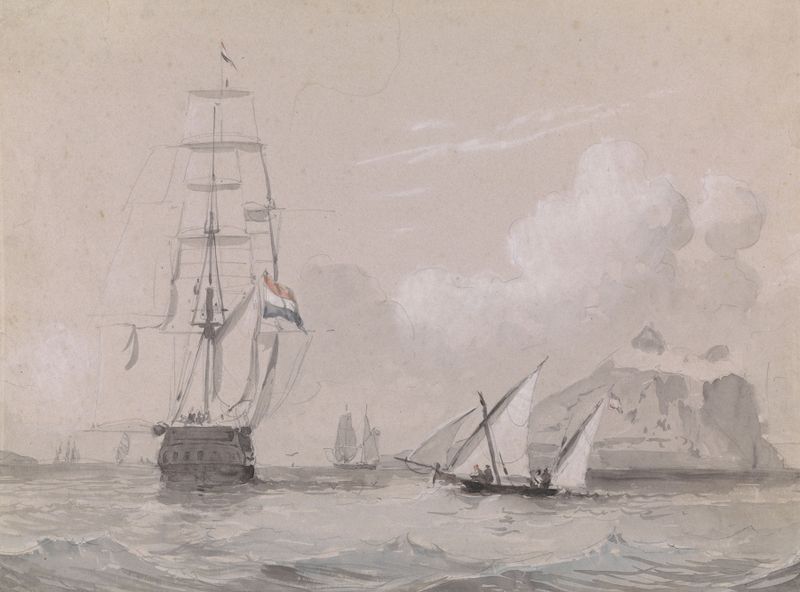
Hollands zeilschip voor de kust van Gibraltar
Willem Anthonie van Deventer

Maas voor Rotterdam, met een Amerikaans en Zweeds schip
Willem Anthonie van Deventer
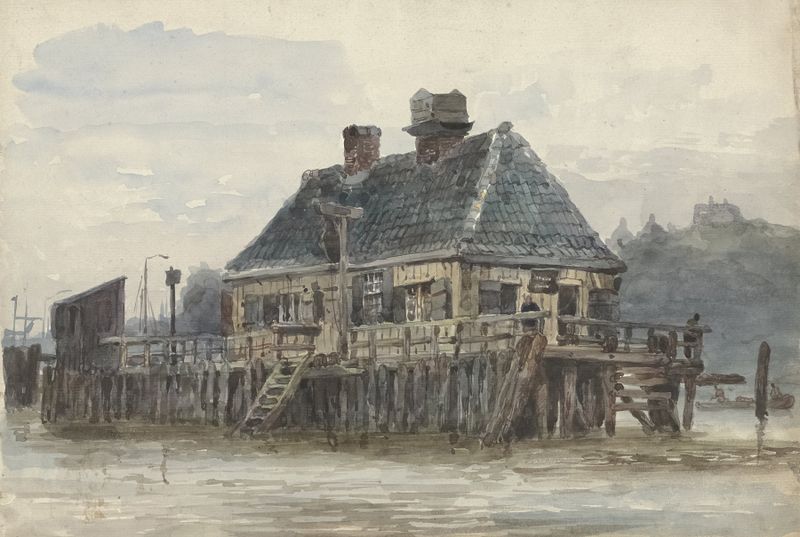
Huis op een steiger
Willem Anthonie van Deventer
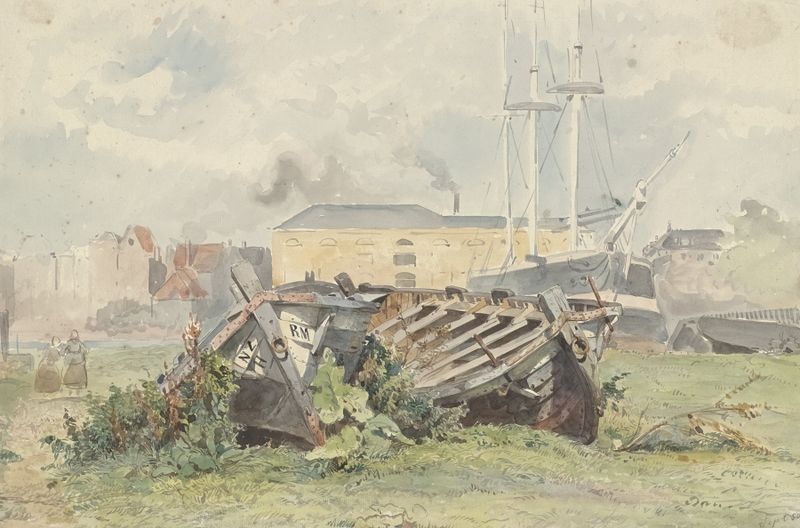
Scheepswerf
Willem Anthonie van Deventer
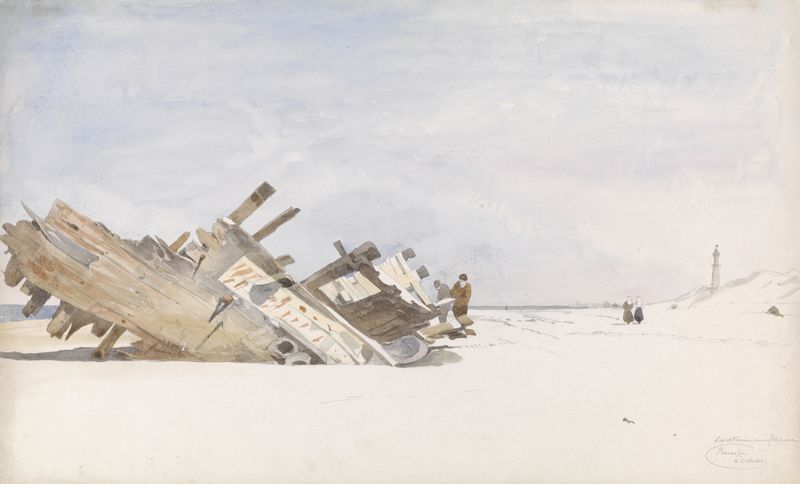
Wrakhout op het strand van Renesse te Schouwen-Duivenland
Willem Anthonie van Deventer
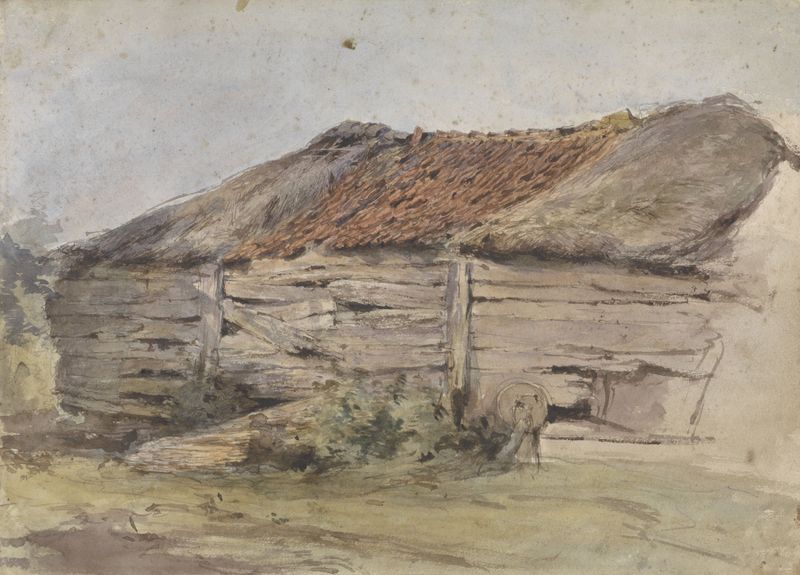
Oude schuur
Willem Anthonie van Deventer
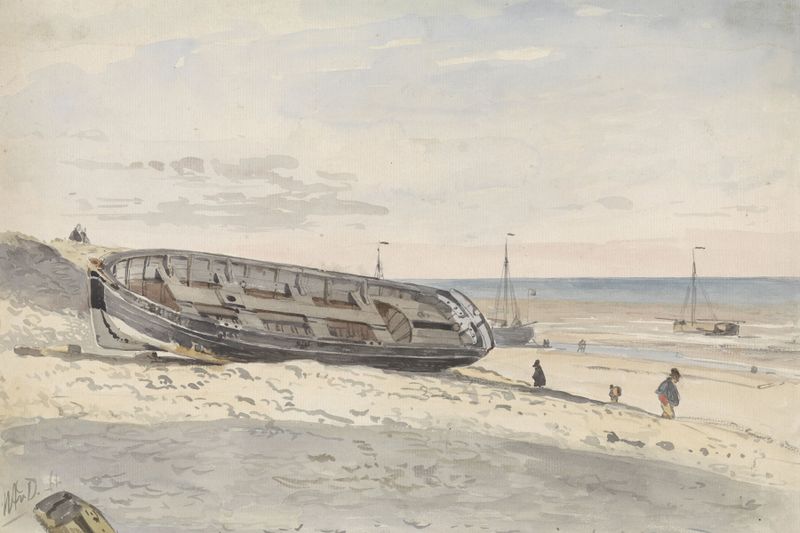
Schuiten op het strand
Willem Anthonie van Deventer
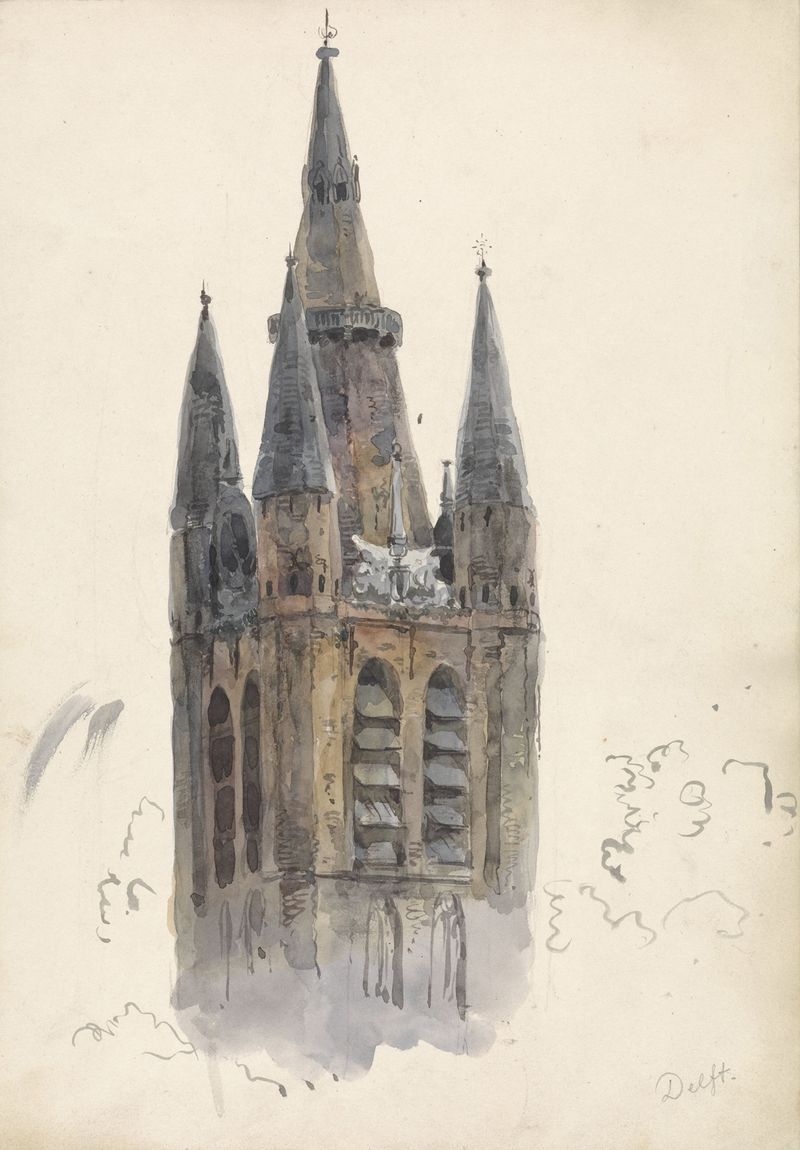
Kerktoren te Delft
Willem Anthonie van Deventer

Katwijk
Willem Anthonie van Deventer

Rots van Gibraltar
Willem Anthonie van Deventer
More Architecture Art
Browse all →
The statue of Liberty
Frédéric Auguste Bartholdi

View of Houses in Delft, Known as ‘The Little Street’
Johannes Vermeer

View of Houses in Delft, Known as ‘The Little Street’
Johannes Vermeer

The Cathedral in Rouen. The portal, Grey Weather
Claude Monet

The yellow house
Vincent van Gogh

The Church in Auvers-sur-Oise, View from the Chevet
Vincent van Gogh