
Scheepswerf — History & Facts
Beneath the shimmering surface of Scheepswerf, the intricate dance of industry reveals a narrative of violence and toil. This artwork encapsulates the duality of creation and destruction, where the beauty of craftsmanship masks the underlying harshness of labor. Focus first on the left side of the canvas, where the silhouettes of laborers toil against the backdrop of a shipyard. Their rough, muscular forms contrast sharply with the delicate, almost ethereal light filtering through the mist.
Notice how the warm ochres and muted blues create an atmosphere that feels both inviting and oppressive. The way light touches the edges of the vessels suggests the promise of beauty but simultaneously hints at the dangers that lurk in the maritime world. As you delve deeper, observe the tension between the bustling activity and the silence of the surrounding water. The juxtaposition of the shipyard’s chaos against the stillness of the harbor speaks to the conflict inherent in human endeavor.
Each worker, engrossed in their task, embodies the violence of labor—both physical and emotional—as they construct vessels meant for exploration, yet often reminders of peril and loss. In 1850, while creating Scheepswerf, the artist was immersed in a rapidly industrializing Netherlands. Amidst the structural expansions and economic changes, the world of art was shifting towards realism, capturing the rawness of daily life. Van Deventer, influenced by these societal transformations, sought to portray not just the beauty of craftsmanship, but the underlying struggles that define human progress.
More Artworks by Willem Anthonie van Deventer
Browse all →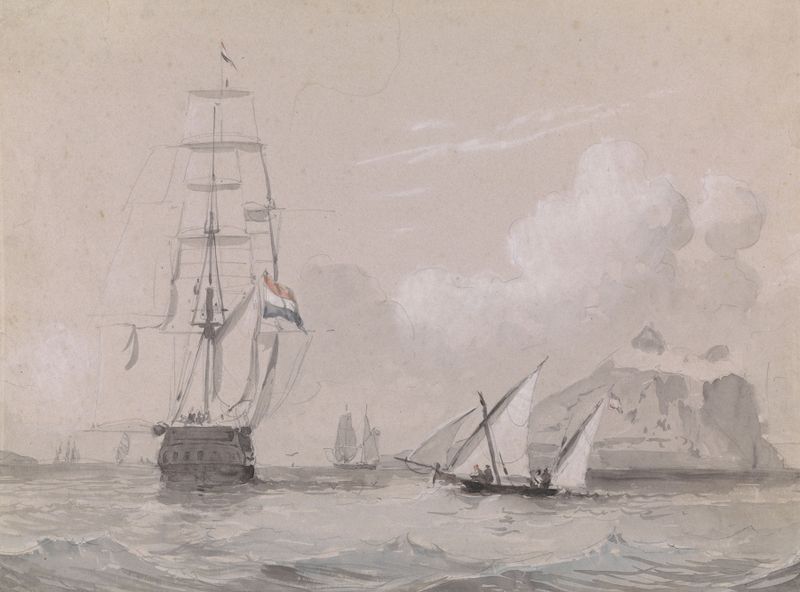
Hollands zeilschip voor de kust van Gibraltar
Willem Anthonie van Deventer

Maas voor Rotterdam, met een Amerikaans en Zweeds schip
Willem Anthonie van Deventer
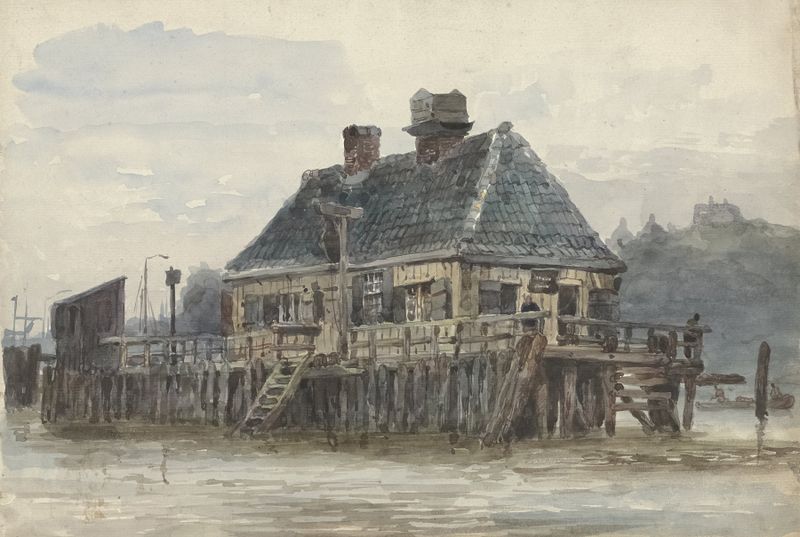
Huis op een steiger
Willem Anthonie van Deventer
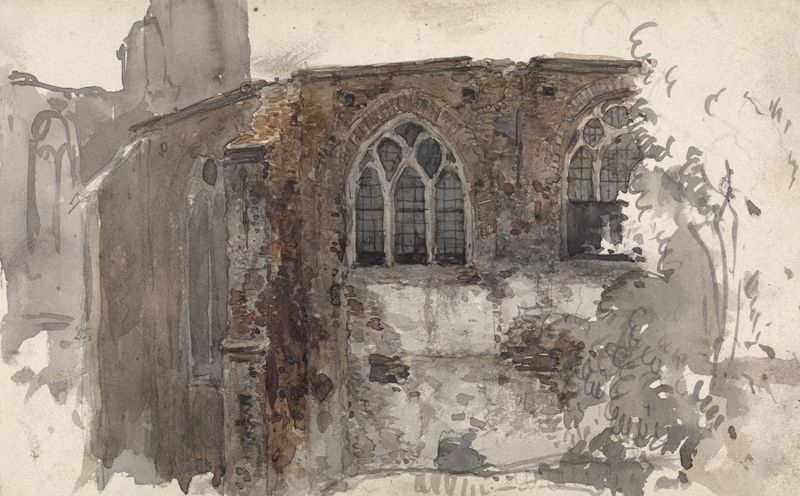
Ruïne van een kerk
Willem Anthonie van Deventer
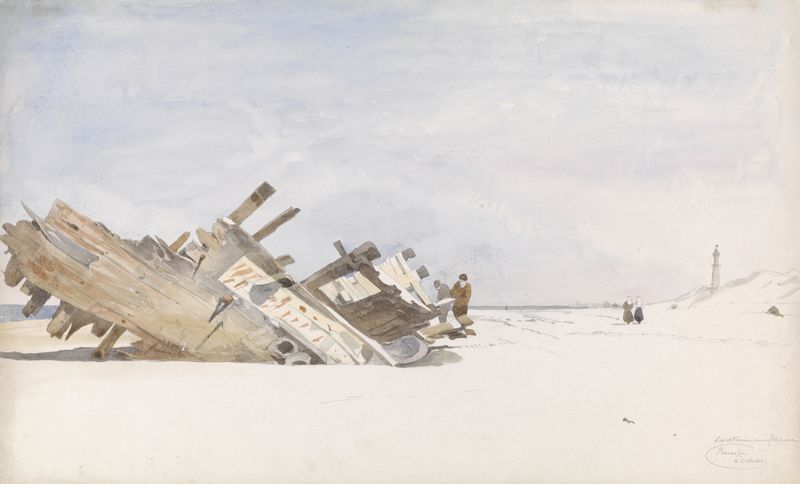
Wrakhout op het strand van Renesse te Schouwen-Duivenland
Willem Anthonie van Deventer
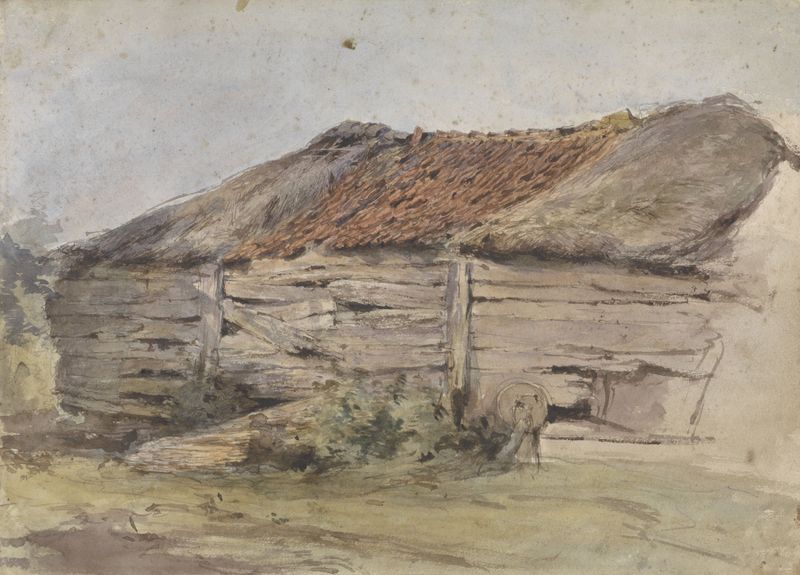
Oude schuur
Willem Anthonie van Deventer
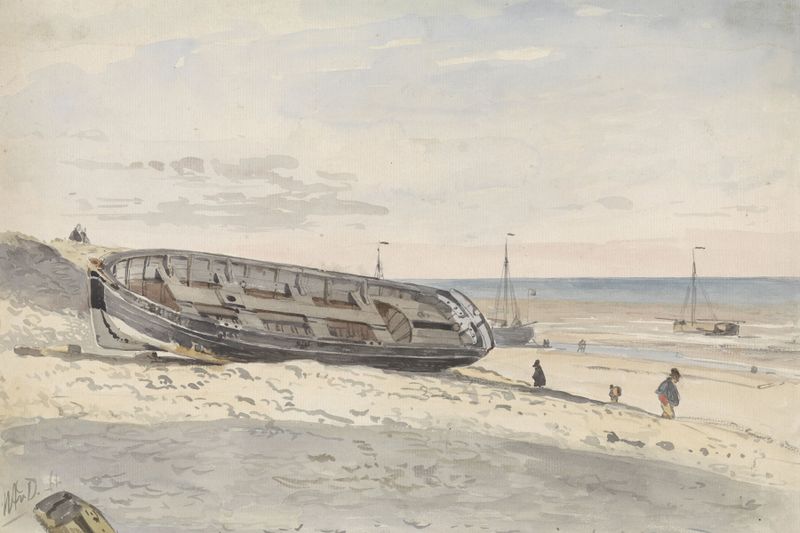
Schuiten op het strand
Willem Anthonie van Deventer
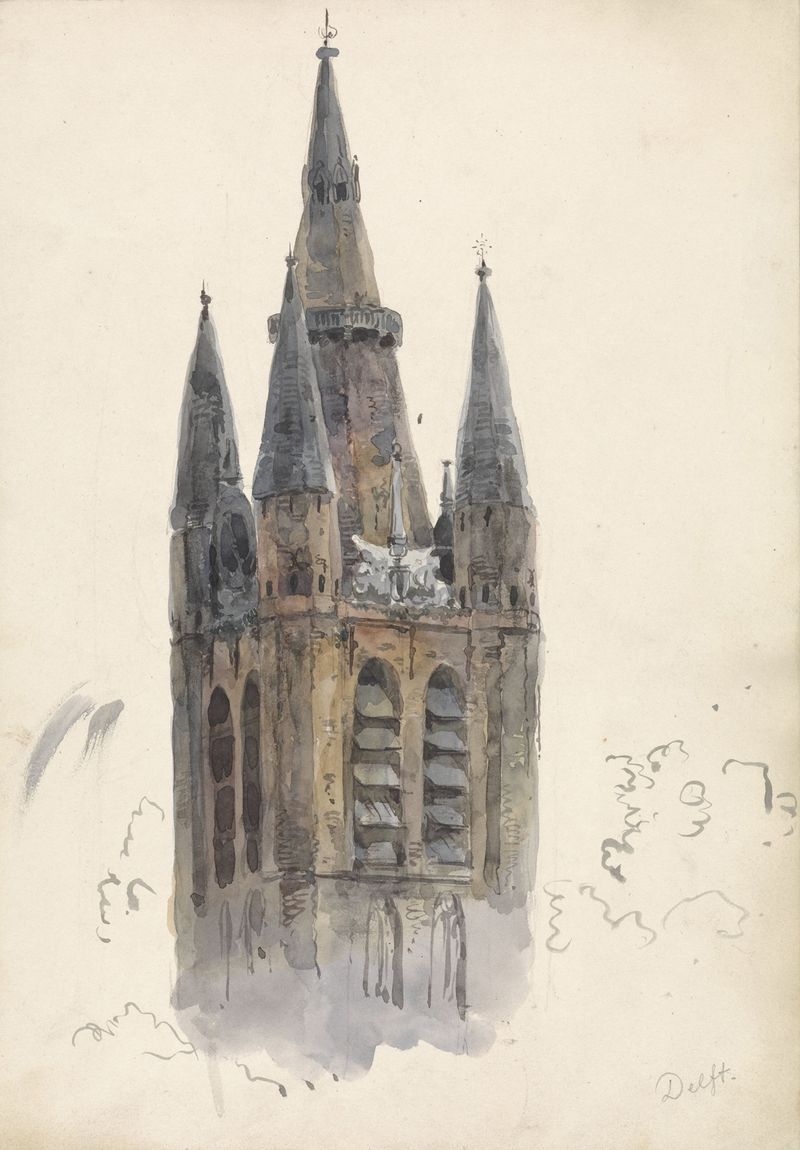
Kerktoren te Delft
Willem Anthonie van Deventer

Katwijk
Willem Anthonie van Deventer

Rots van Gibraltar
Willem Anthonie van Deventer





