
Schuiten op het strand — History & Facts
When did color learn to lie? In Schuiten op het strand, the palette whispers of absence, evoking a haunting void that lingers in the viewer’s mind long after they step away. The scene, while seemingly tranquil, masks an aching emptiness that invites contemplation on the subtle power of solitude. Notice how the soft hues dominate the canvas, drawing your gaze first to the muted sands, a gentle blend of ochres and creams. The boats, rendered in quiet blues and grays, sit like forgotten dreams along the shoreline, their stillness contrasting with the restless waves.
The composition is carefully balanced, with the horizon line establishing a serene division between earth and sky, yet it simultaneously evokes a sense of isolation. The brushwork flows softly, reinforcing the gentle ebb of the tide, as if time itself has slowed to pay homage to the haunting stillness of the scene. This artwork captures a poignant dialogue between presence and absence. The empty boats, with their ghostly outlines, suggest stories untold—journeys embarked upon but never completed.
The space around them amplifies their loneliness, serving as a reminder of the fleeting nature of human connection. The light, while soft, casts long shadows that seem to stretch across the canvas, further enhancing the sense of yearning for something lost. Created between 1834 and 1893, the work reflects the artist's life during a transformative period in Dutch art. Van Deventer, who thrived in the Netherlands, painted during a time marked by shifting social landscapes and evolving artistic movements.
His approach to realism, particularly in capturing the essence of the Dutch coastline, not only reflects his personal experiences but also aligns with the broader emphasis on landscape and nature in 19th-century art.
More Artworks by Willem Anthonie van Deventer
Browse all →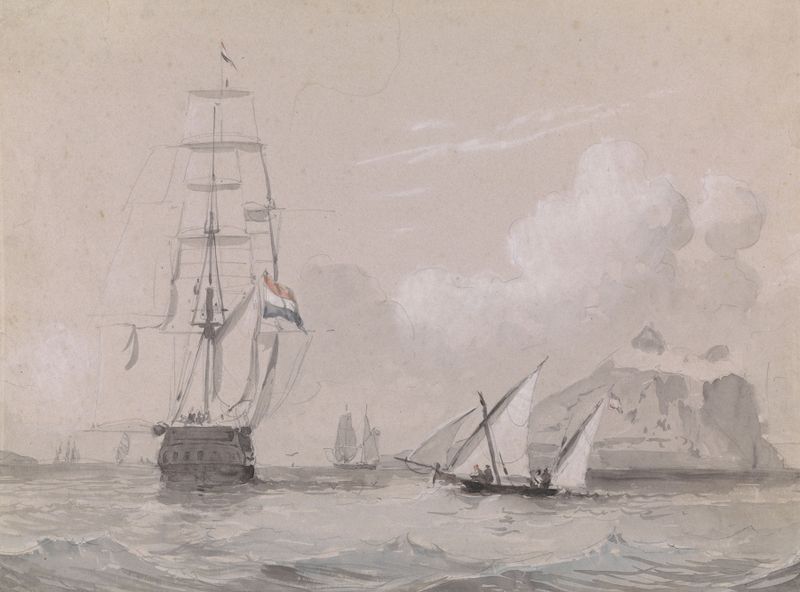
Hollands zeilschip voor de kust van Gibraltar
Willem Anthonie van Deventer

Maas voor Rotterdam, met een Amerikaans en Zweeds schip
Willem Anthonie van Deventer
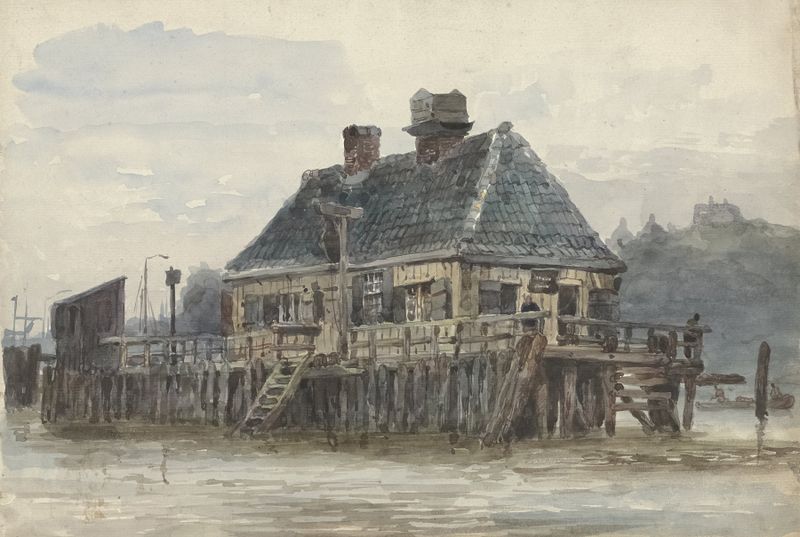
Huis op een steiger
Willem Anthonie van Deventer
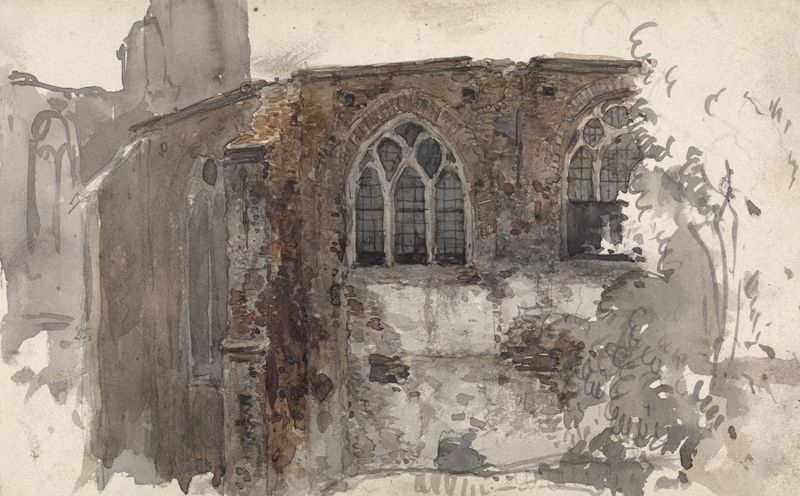
Ruïne van een kerk
Willem Anthonie van Deventer
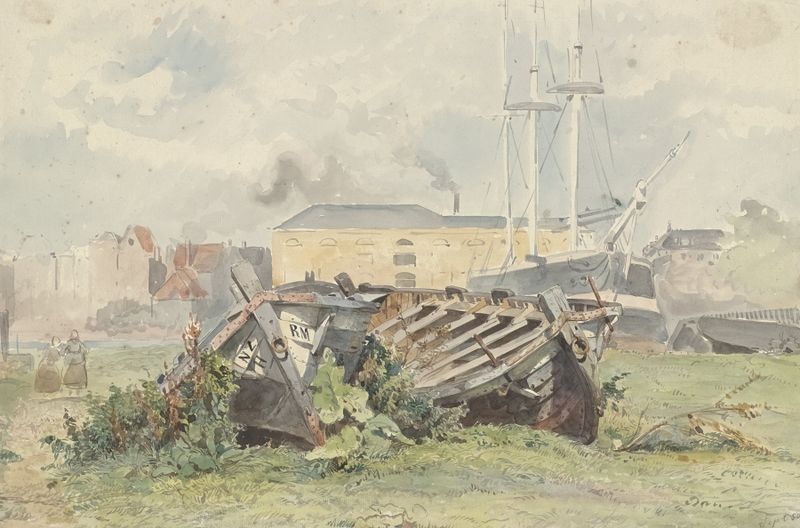
Scheepswerf
Willem Anthonie van Deventer
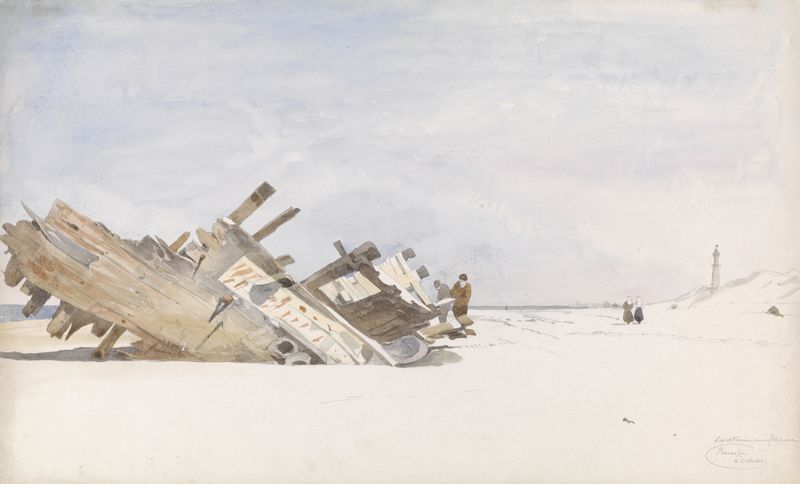
Wrakhout op het strand van Renesse te Schouwen-Duivenland
Willem Anthonie van Deventer
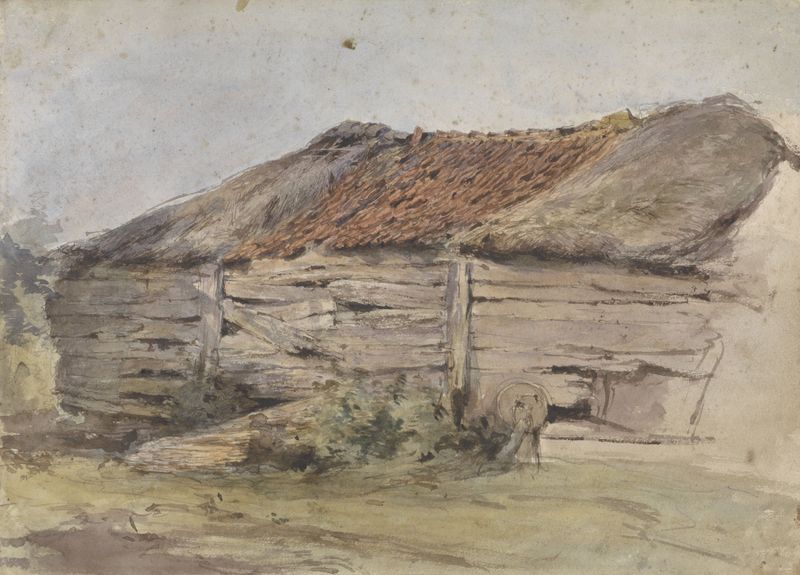
Oude schuur
Willem Anthonie van Deventer
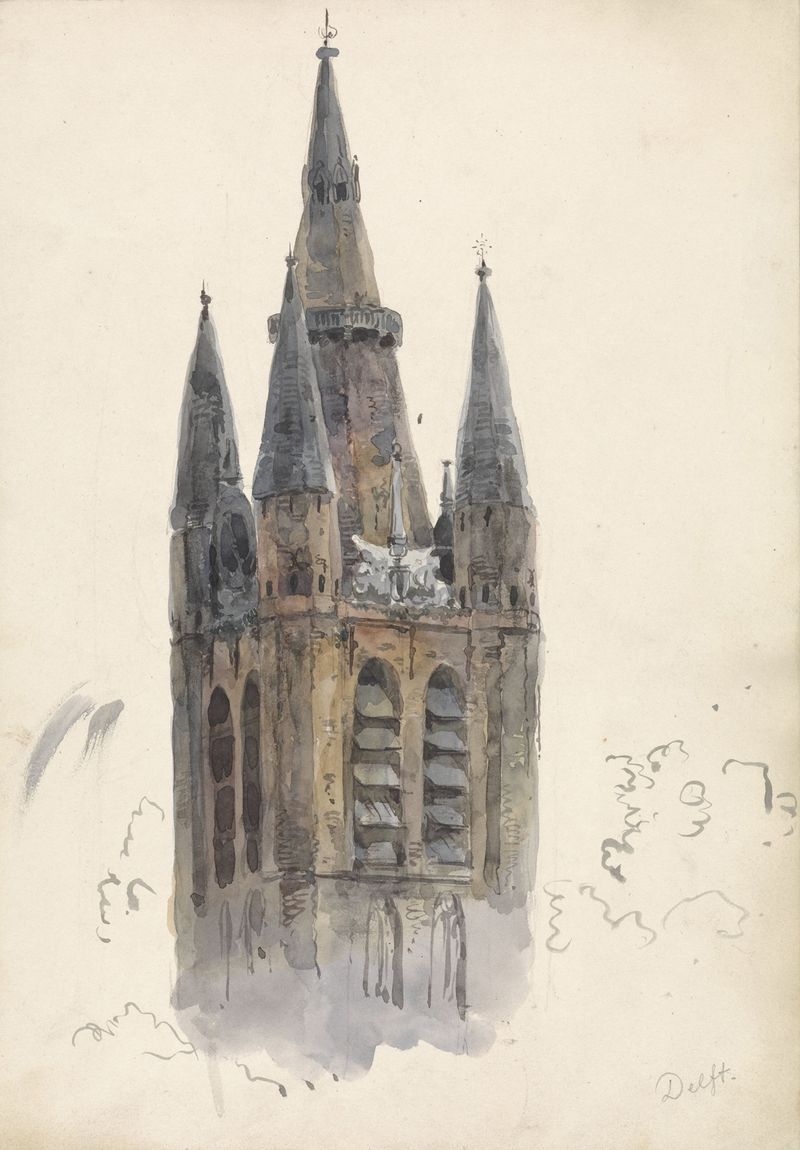
Kerktoren te Delft
Willem Anthonie van Deventer

Katwijk
Willem Anthonie van Deventer

Rots van Gibraltar
Willem Anthonie van Deventer





