
Ruïne van een kerk in La Manche — History & Facts
In the haunting silence of abandoned places, isolation whispers its truths, inviting contemplation and wonder. Look to the center of the canvas where the crumbling facade of a once-majestic church commands attention, its stonework weathered and solemn. Notice the somber palette of muted grays and browns that envelops the structure, creating a sense of decay and loss. The interplay between light and shadow evokes a melancholic atmosphere, while the sparse, overgrown vegetation surrounding the ruins suggests nature’s slow reclamation of space once filled with life.
Each brushstroke carries a weight of history, urging us to reflect on the passage of time. Yet amidst this desolation lies a poignant contrast—the remnants of human ambition juxtaposed with nature’s resilience. The towering steeple, though partially collapsed, reaches skyward as if still yearning for communion with the divine. This speaks to an inherent loneliness, a longing for connection that echoes through the empty arches.
Furthermore, the absence of figures amplifies the solitude, as we, the viewers, become the silent witnesses to what was and what remains. Otto Howen painted this evocative piece during a period when the world was grappling with the aftermath of the Great War, reflecting themes of loss and recovery. His life at that time was marked by personal and artistic exploration, delving into the remnants of civilization as symbols of both decay and resilience. In this artwork, Howen captures not only a physical ruin but also a profound emotional landscape, inviting us to confront our own feelings of isolation in the face of time’s inexorable march.
More Artworks by Otto Howen
Browse all →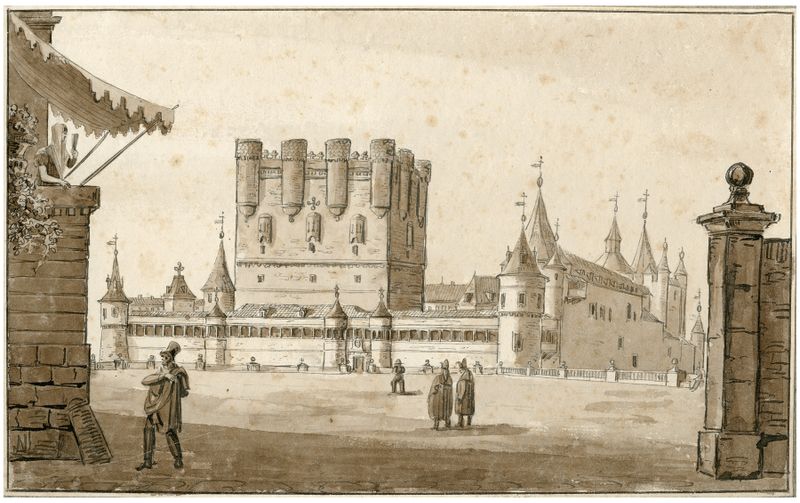
Het Alcazar te Segovia
Otto Howen
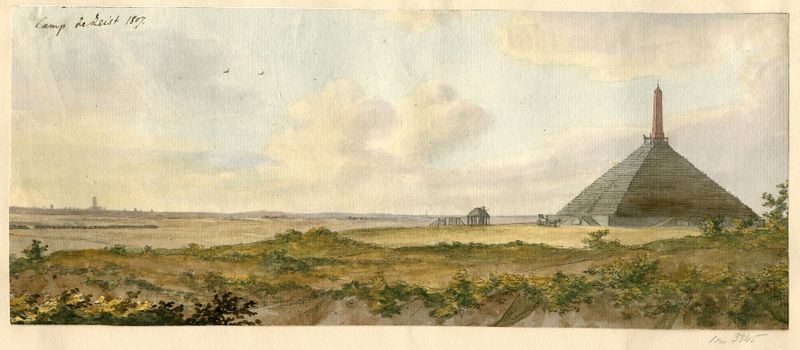
De piramide van Austerlitz bij Zeist
Otto Howen
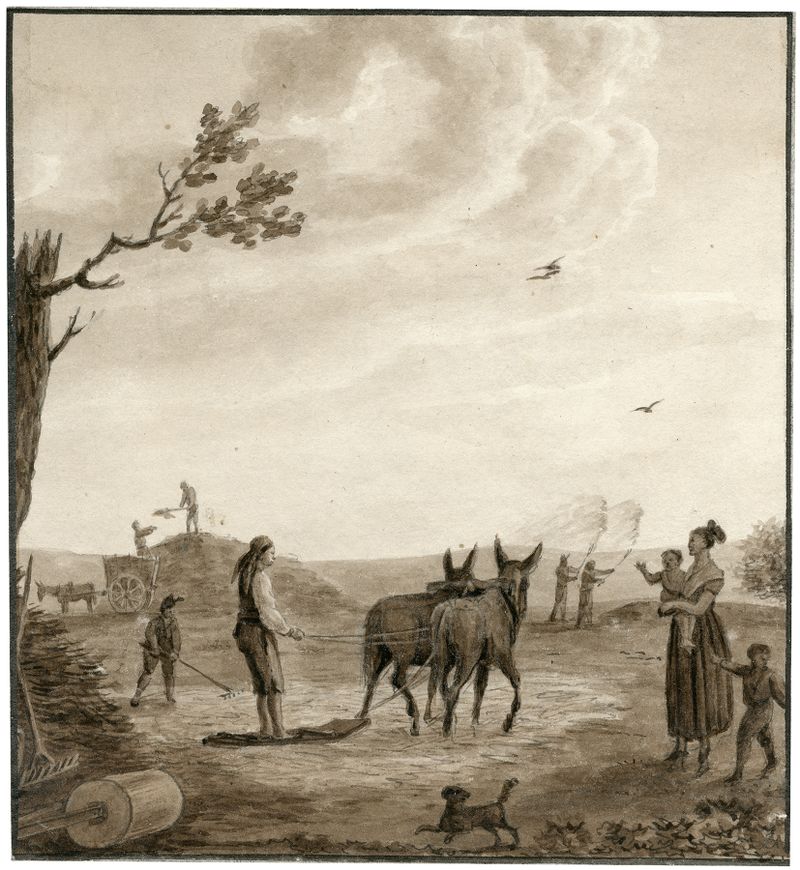
Het dorsen van het graan
Otto Howen
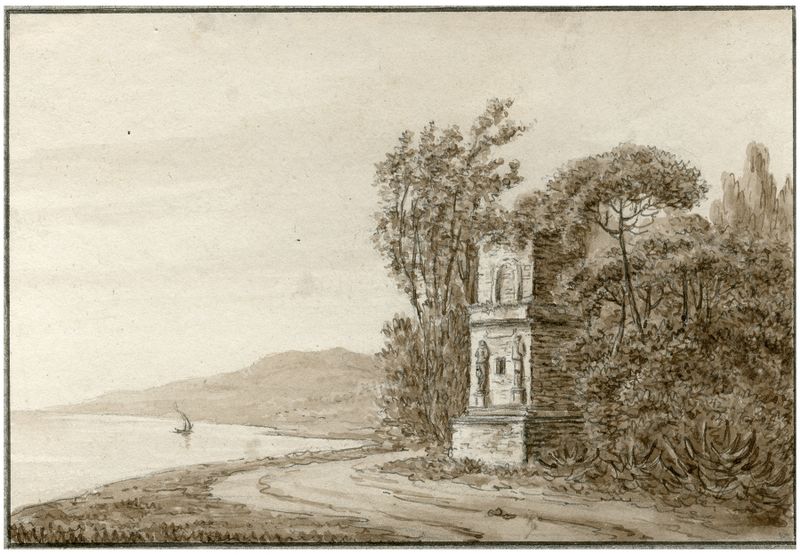
Een antiek monument in de omgeving van Taragone
Otto Howen
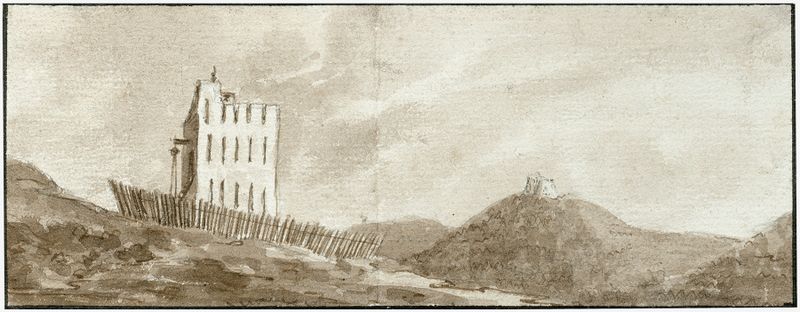
Gezicht in de omgeving van Gerona
Otto Howen
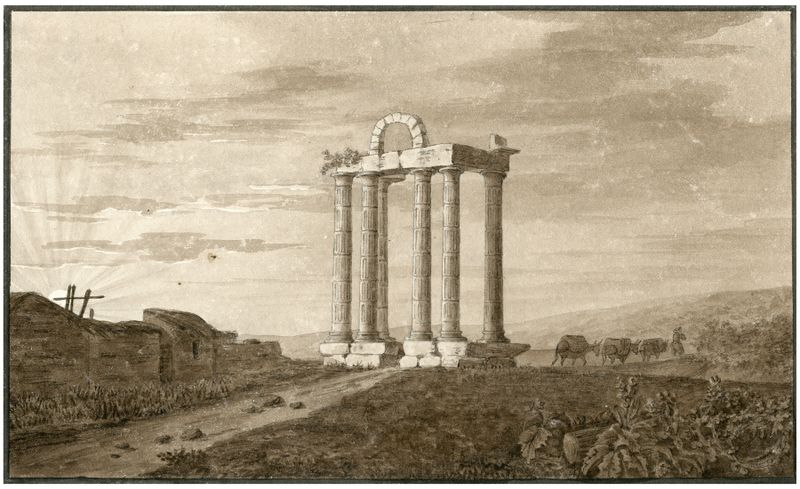
Antieke Ruïnes bij Talavera in Castillie
Otto Howen
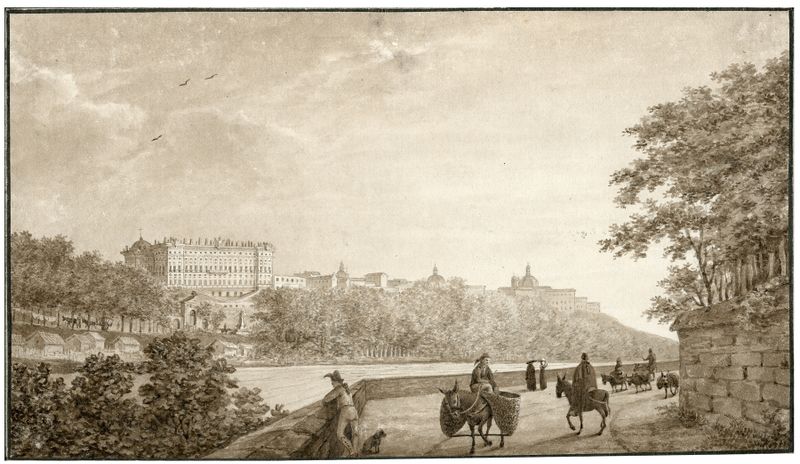
Het Koninklijke Paleis te Madrid
Otto Howen
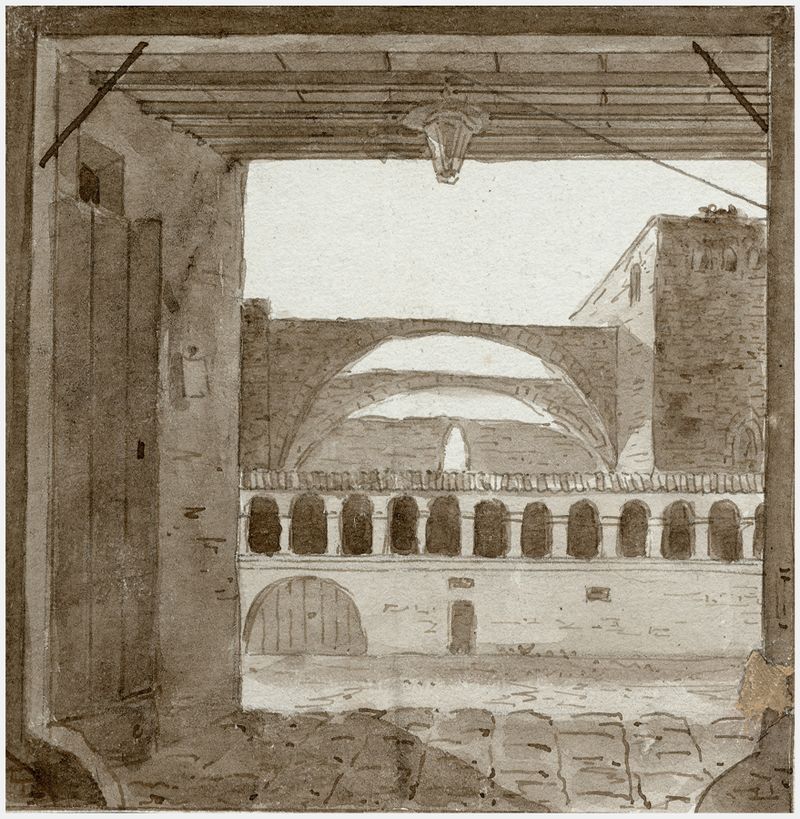
Ruïne van een klooster te Barcelona
Otto Howen
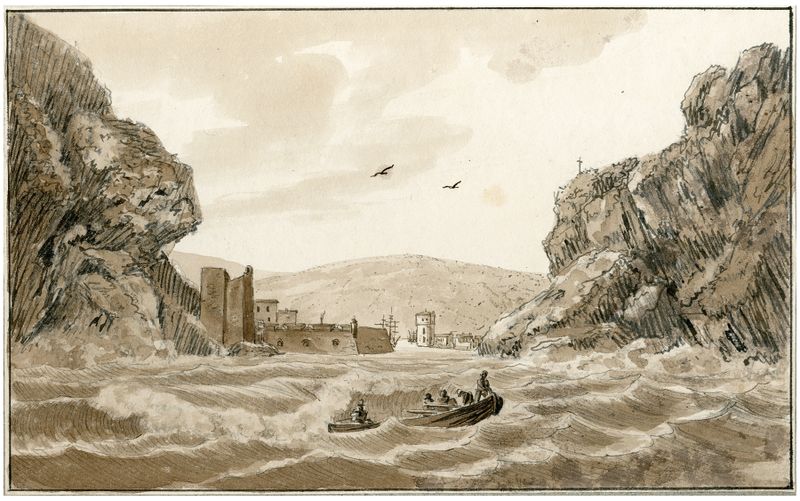
Een havenplaats in Spanje, Port de Passage
Otto Howen
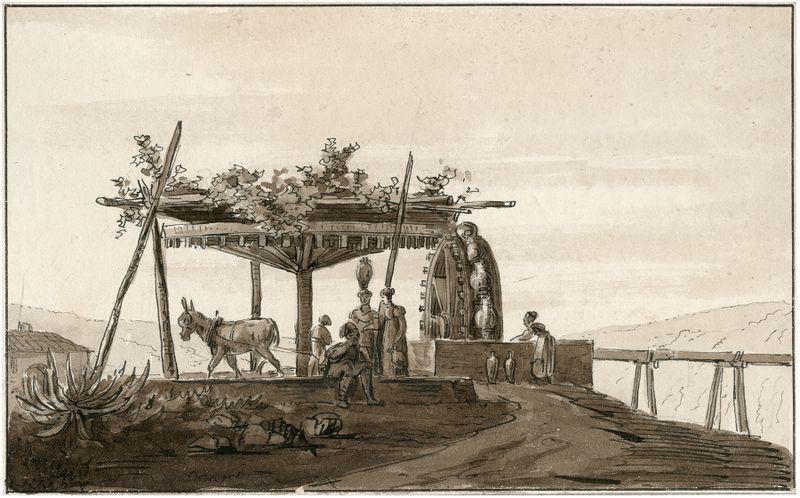
Een waterput met raderwerk en trekezel
Otto Howen
More Architecture Art
Browse all →
The statue of Liberty
Frédéric Auguste Bartholdi

View of Houses in Delft, Known as ‘The Little Street’
Johannes Vermeer

View of Houses in Delft, Known as ‘The Little Street’
Johannes Vermeer

The Cathedral in Rouen. The portal, Grey Weather
Claude Monet

The yellow house
Vincent van Gogh

The Church in Auvers-sur-Oise, View from the Chevet
Vincent van Gogh