
Rushing Brook — History & Facts
In the delicate interplay of nature and emotion, Sargent invites us to peer into the heart of grief cloaked in serene tranquility. Look to the left at the vibrant greens that spill into the brook, the brushstrokes melding as if nature itself is sighing. Notice how the water flows effortlessly, each ripple catching the light like whispered memories escaping from the depths. The palette glows with both warmth and coolness, capturing the essence of fleeting joy tinged with sorrow.
The gentle slope of the landscape draws your gaze toward the horizon, where the interplay of shadows hints at the layers of experience hidden beneath the surface. Here, the brook becomes a metaphor for the passage of time—its ceaseless flow reminiscent of loss and longing. The interplay of sunlight and shadow suggests the juxtaposition of hope and despair, reminding us that beauty often arises from pain. Small details, like the subtle twisting of branches reaching toward the water, evoke a yearning for connection, as if nature itself mourns the moments we cannot hold onto. During the years from 1904 to 1911, the artist found himself navigating personal and professional shifts.
Living in Europe, Sargent was deeply influenced by the changing art movements of the era, transitioning from portraiture to a more impressionistic style. As he embraced the natural world, Rushing Brook reflects both his artistic evolution and a poignant contemplation of life's fragility amidst the beauty he captured.
More Artworks by John Singer Sargent
Browse all →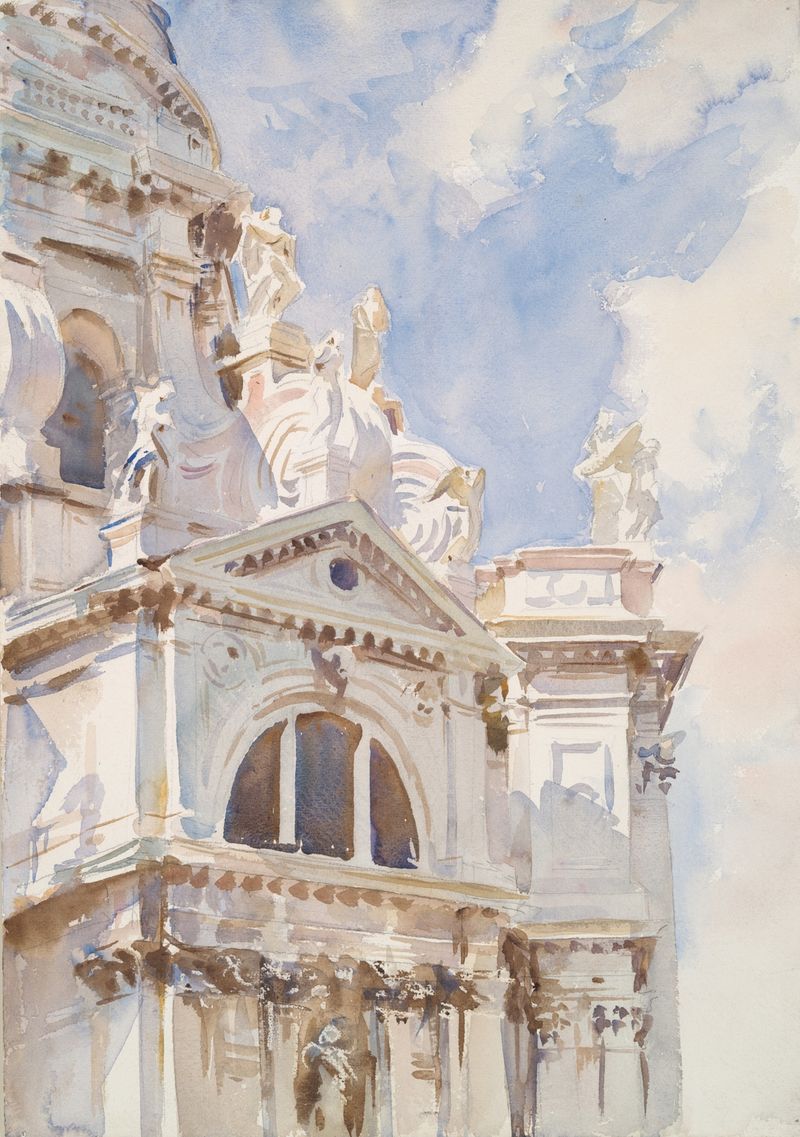
The Salute, Venice
John Singer Sargent

Mrs. Charles Deering (Marion Denison Whipple)
John Singer Sargent
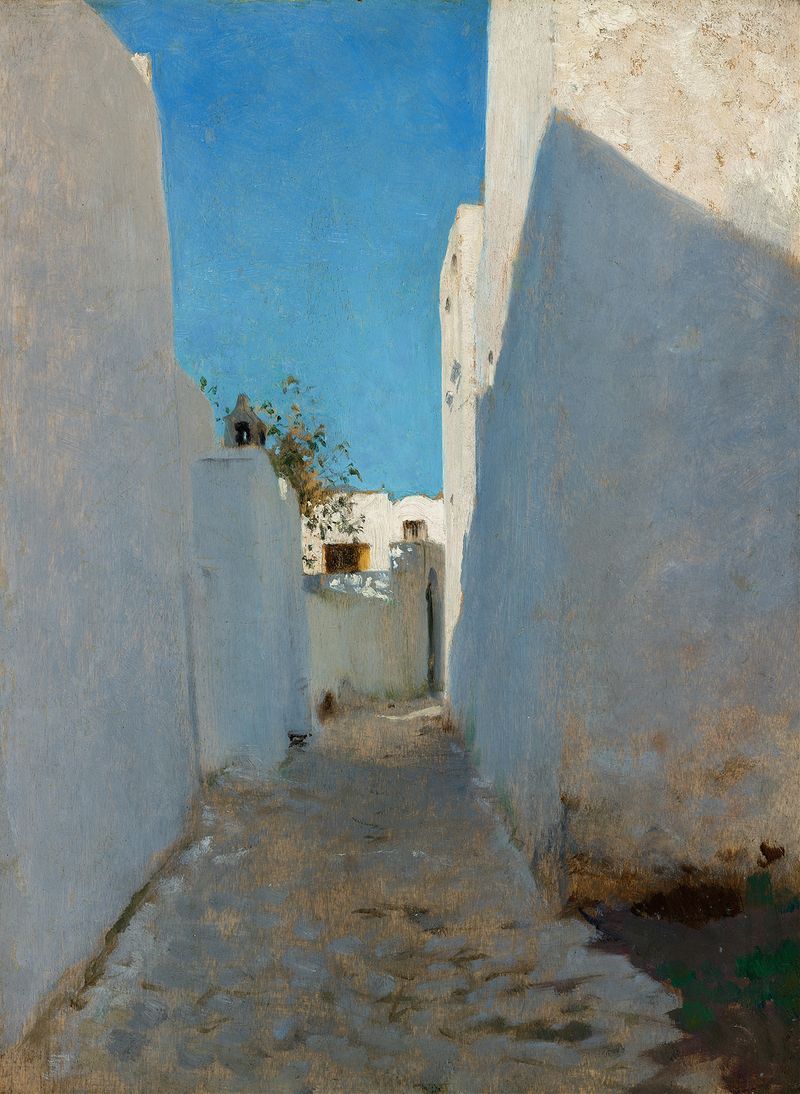
A Moroccan Street Scene
John Singer Sargent
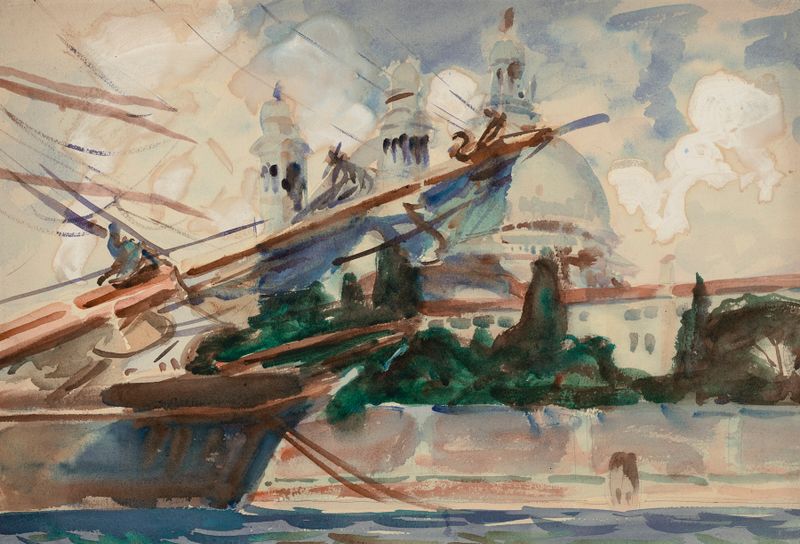
The Salute, Venice
John Singer Sargent
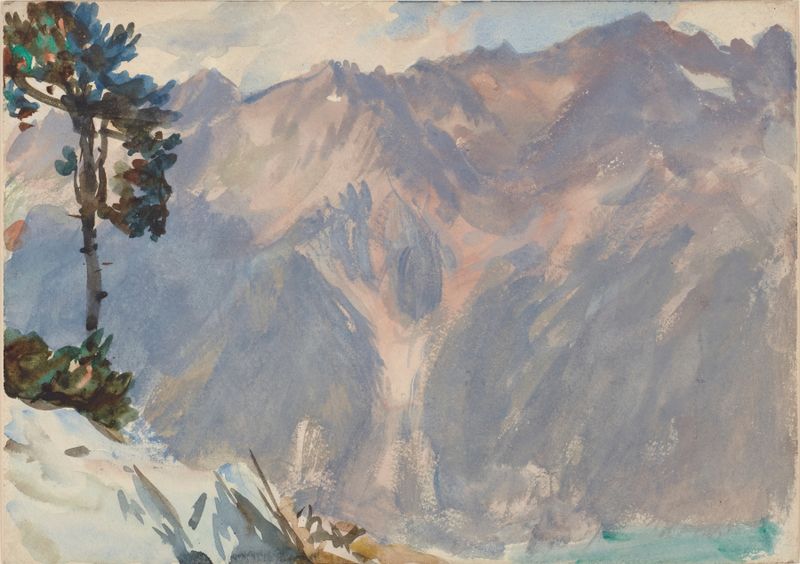
Tyrol
John Singer Sargent
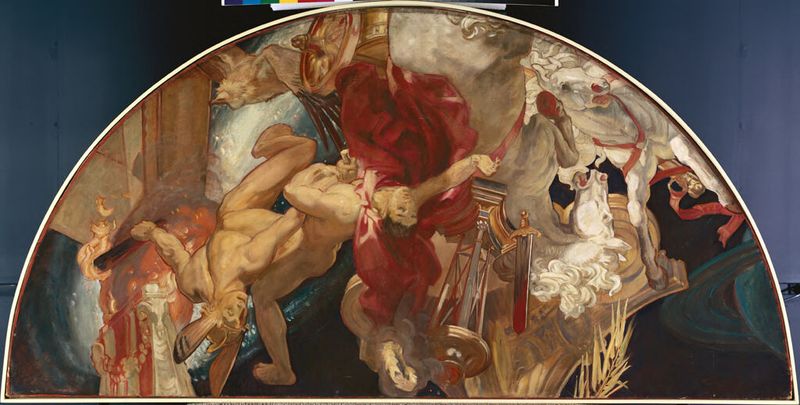
Study for "Gog and Magog," for the Boston Public Library
John Singer Sargent
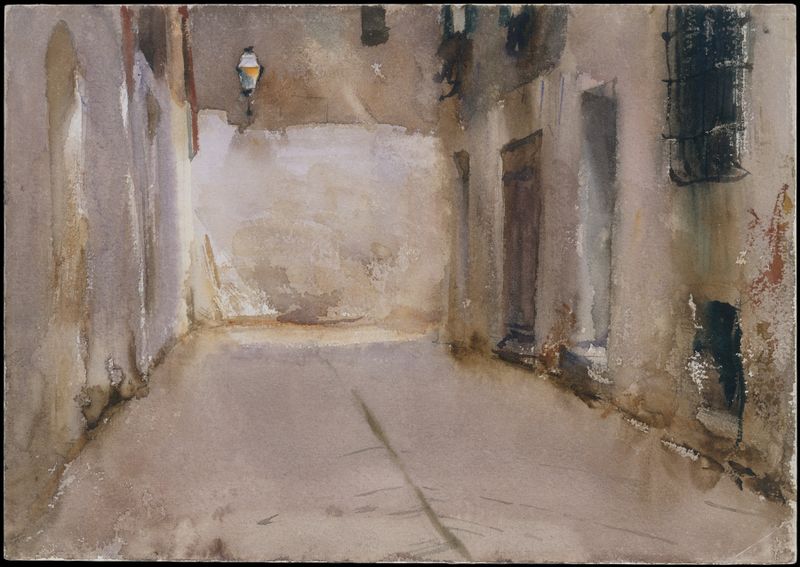
Venice
John Singer Sargent
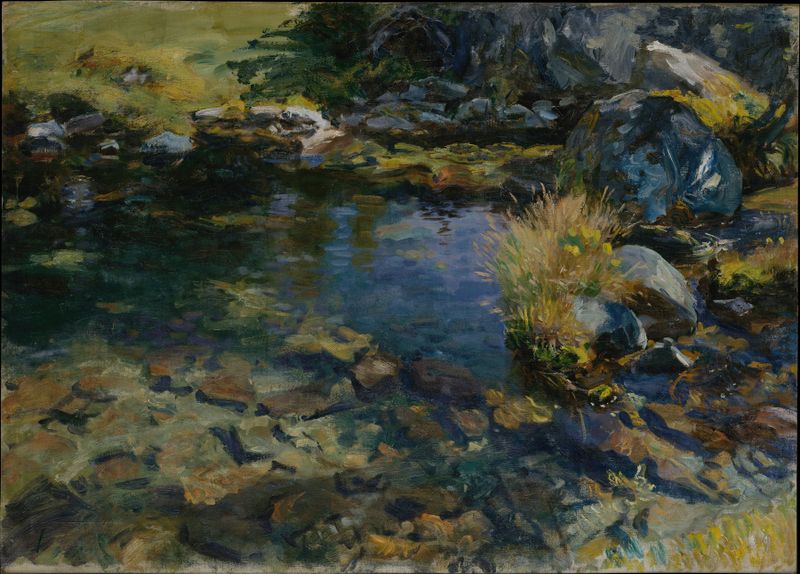
Alpine Pool
John Singer Sargent
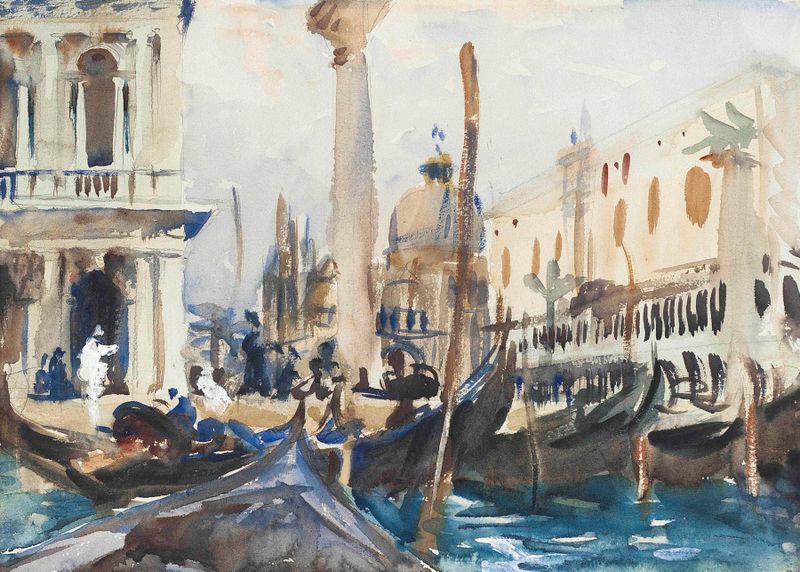
The Piazzetta with Gondolas
John Singer Sargent
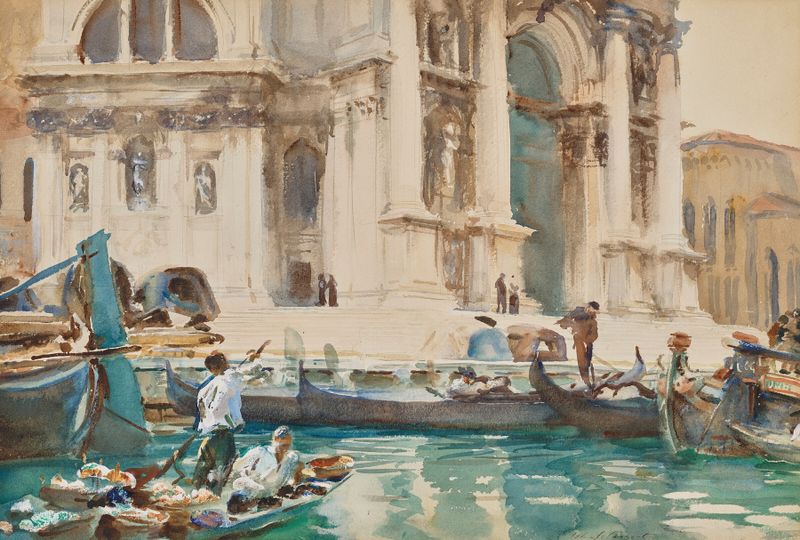
The Façade of La Salute, Venice
John Singer Sargent





