
Russian Block House, Alaska, 1900 — History & Facts
What if silence could speak through light? In Russian Block House, Alaska, the echoes of history resonate in the stillness, telling tales of loss and longing that time has not erased. Look to the left at the stark, weathered structure that stands resolutely against the backdrop of a vast, muted landscape. Notice how the light falls upon the corrugated wooden surface, casting shadows that deepen the sense of isolation. The muted color palette of browns and grays evokes an atmosphere that is both somber and haunting, emphasizing the melancholy beauty of this forgotten place.
The composition draws the eye to the subtle details—the chipped paint, the lichen creeping along the edges—revealing a story layered within each imperfection. The contrasts within the work speak volumes: the robust form of the block house against the fragile beauty of the surrounding nature highlights the tension between human endeavor and the relentless passage of time. Each element—the faint glimmer of light grazing the structure, the encroaching wilderness—serves as a reminder of what has come to pass. This dwelling, once a bastion of life and community, now stands as a poignant symbol of solitude and the emotional weight of abandonment. In 1900, Theodore J.
Richardson was deeply engaged in capturing the rugged landscapes and structures of Alaska, a region teetering between discovery and isolation. At this time, America was fascinated with the frontier spirit, yet the reality of these spaces often revealed the fragility of human aspirations. As the artist painted this scene, he was not only documenting a physical place but also reflecting on the transient nature of existence and the echoes of those who had once called it home.
More Artworks by Theodore J. Richardson
Browse all →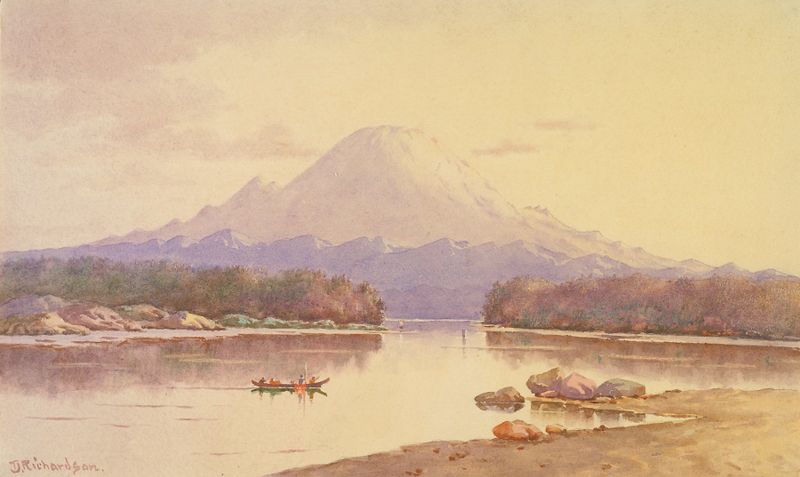
Mount Rainier
Theodore J. Richardson
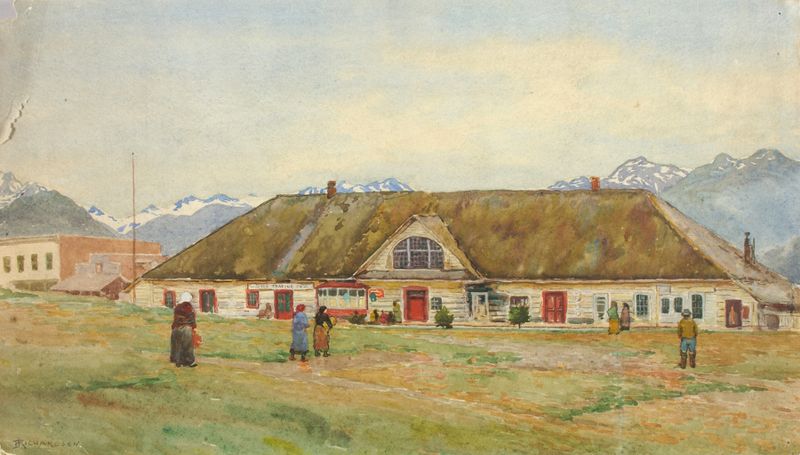
Old Russian Trading Post, Sitka
Theodore J. Richardson

The Ranch Native Village, Sitka, 1884
Theodore J. Richardson

Rear View Of Greek Church, Sitka, 1888
Theodore J. Richardson
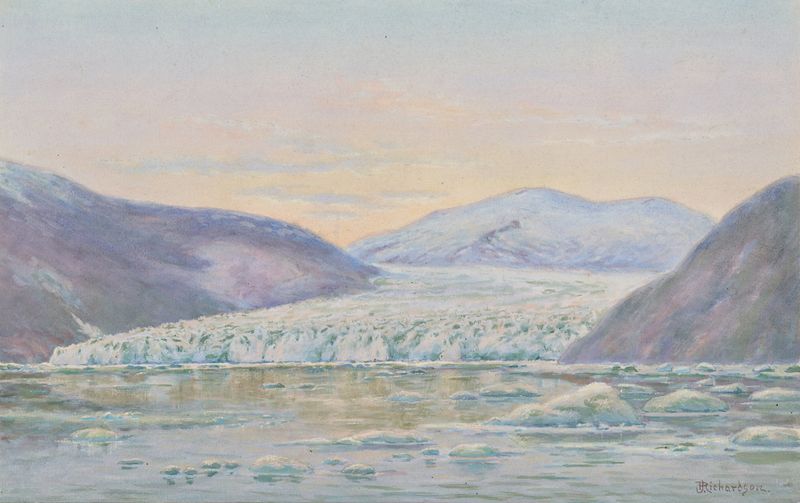
Taku Glacier, Evening
Theodore J. Richardson

St. Elias Alps
Theodore J. Richardson

Drying Blankets Over Canoes
Theodore J. Richardson

In The Old Quarter, Sitka, 1900
Theodore J. Richardson
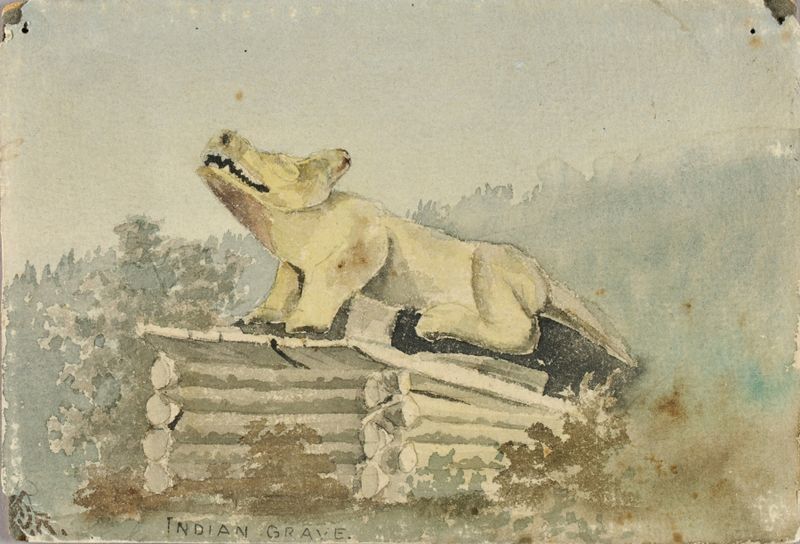
Indian Grave. Wolf Totem Over Medicine Man Grave, Wrangell
Theodore J. Richardson
Jack Mantle’s Boat
Theodore J. Richardson





