
Rustic Garden — History & Facts
In the heart of a verdant paradise, time seems to linger, cloaked in a heavy silence. A rustic garden sprawls before us, brimming with wildflowers that sway gently in the soft breeze, their colors vibrant yet fading. An old wooden bench sits forlornly, as if waiting for a long-lost companion—sunlight dapples through the leaves above, casting playful shadows that dance amid the chaos of nature’s embrace. Look to the left at the rich tapestry of greens and yellows, where the interplay of light reveals the delicate textures of the foliage.
The brushstrokes are both loose and intentional, evoking the organic spirit of the garden while hinting at the inevitability of decay. Notice how the blues in the distant sky contrast with the earthy tones of the overgrown path, drawing your eye deeper into this sanctuary, a place where beauty and neglect coexist harmoniously. The scene encapsulates the tension between vitality and decline; the radiant blossoms, so full of life, are juxtaposed against the creeping signs of decay. Each wilting petal speaks of transience, while the vibrant greens symbolize enduring hope.
This duality invites contemplation on the cyclical nature of existence, where life flourishes even amid deterioration, reminding us that beauty can often be found in the most unexpected places. Carl Moll painted this evocative garden scene during a period when he was exploring the interplay between color and form in Vienna, around the turn of the 20th century. His work emerged amidst a rich tapestry of artistic experimentation, influenced by both Impressionism and the emerging modernist movements. This creation reflects his deep appreciation for nature’s contrast, resonating with the spirit of a changing world that simultaneously celebrated the vibrancy of life and acknowledged the shadows of decay.
More Artworks by Carl Moll
Browse all →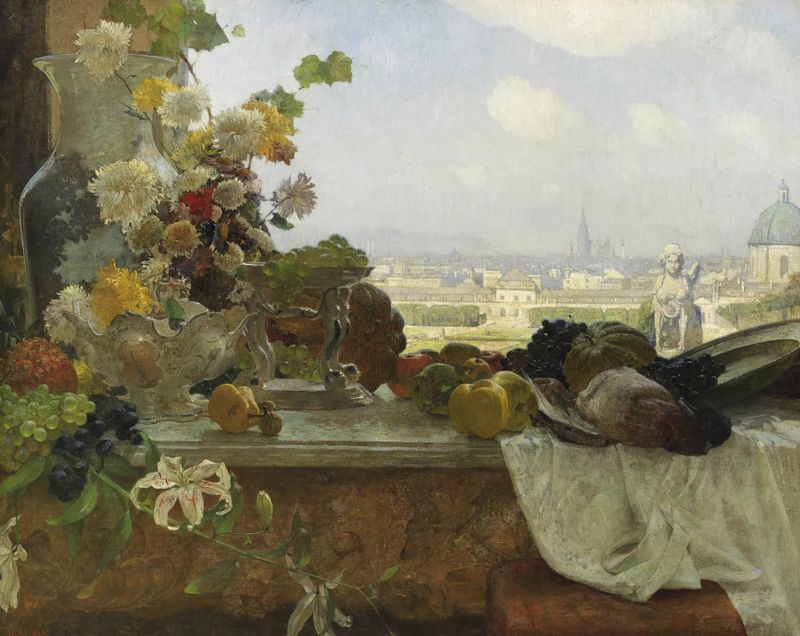
Blick vom Belvedere auf die Innere Stadt
Carl Moll

Garten in Döbling (Garden in Döbling, Vienna)
Carl Moll
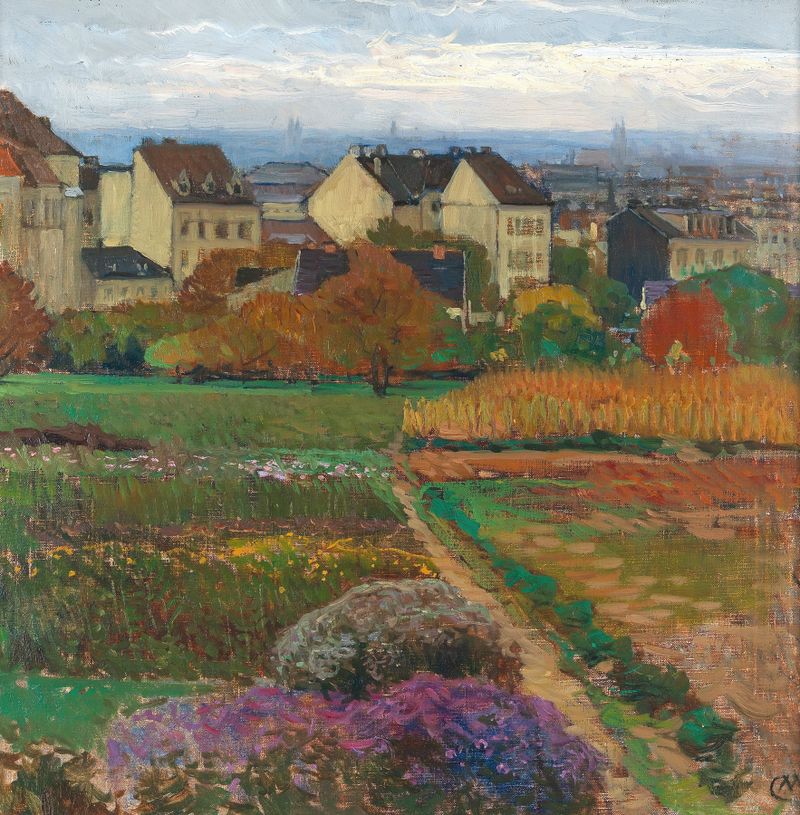
Döbling Wien
Carl Moll

Motiv aus dem Schloßpark in Jevisovice
Carl Moll
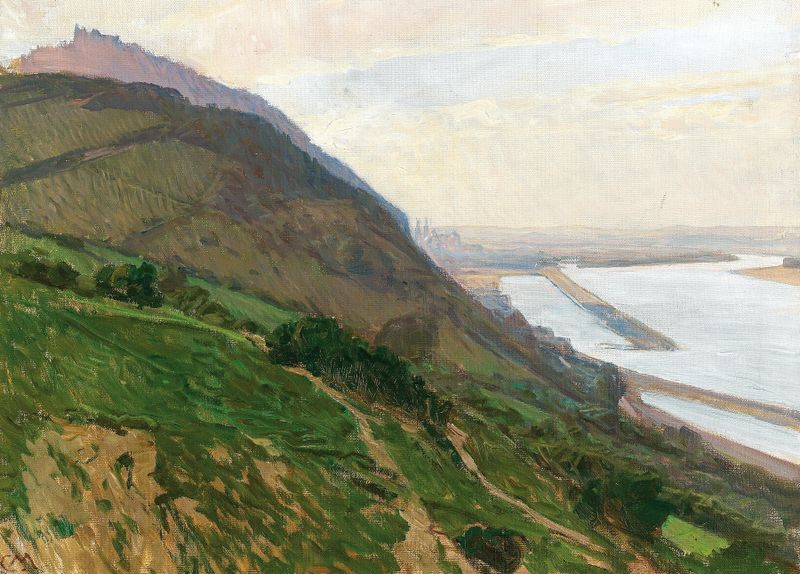
Donauansicht
Carl Moll
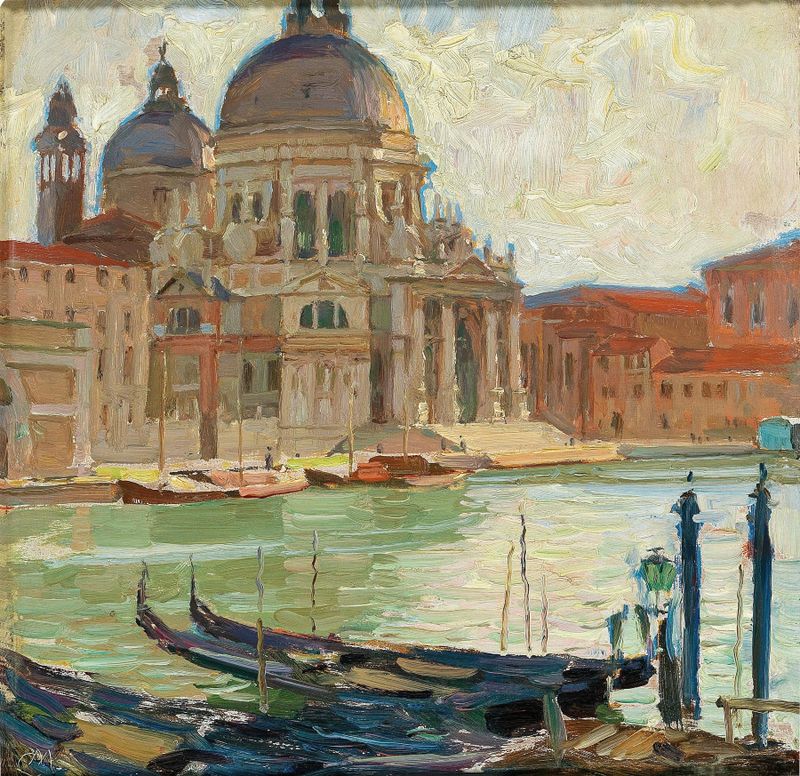
Kirche in Venedig
Carl Moll

Wassermühle in Goisern (nach Emil Jakob Schindler)
Carl Moll

Winter at Hohe Warte, Rothschild Gardens
Carl Moll

Römische Ruine in Schönbrunn
Carl Moll

Kirche St Michael in Heiligenstadt
Carl Moll





