
Sad man in the village — History & Facts
Did the painter know this moment would outlive them? A solitary figure, draped in shadows, captures the aching heart of a village lost to despair yet still yearning for light. Focus on the man at the center, his face etched with lines of sorrow, while soft hues of blue and gray envelop him, echoing his melancholic state. The muted colors contrast sharply with hints of warmth in the background, where the village life continues obliviously. Notice how the deep shadows cradle his form, emphasizing his isolation amidst the bustling world around him.
The composition draws the eye inward, inviting contemplation of the profound emotional weight he carries. Beneath the surface lies a poignant interplay between despair and flickers of hope. The wistful gaze of the man speaks volumes—he is not merely a figure of sorrow but a vessel for unspoken dreams and regrets. His solitude invites viewers to reflect on their own moments of loneliness, while the faint light shimmering in the background suggests that hope, though distant, remains a possibility.
This tension between darkness and light creates a powerful narrative that resonates deeply with the human experience. During the years between 1930 and 1939, the artist created this work while navigating a tumultuous landscape marked by social and political strife. Living in Europe during the rise of totalitarian regimes, he sought to encapsulate the struggles of everyday people. Drawing inspiration from his surroundings, his art revealed the profound emotional realities of his time, capturing the silent battles fought within the hearts of individuals in a world fraught with uncertainty.
More Artworks by Arnold Peter Weisz-Kubínčan
Browse all →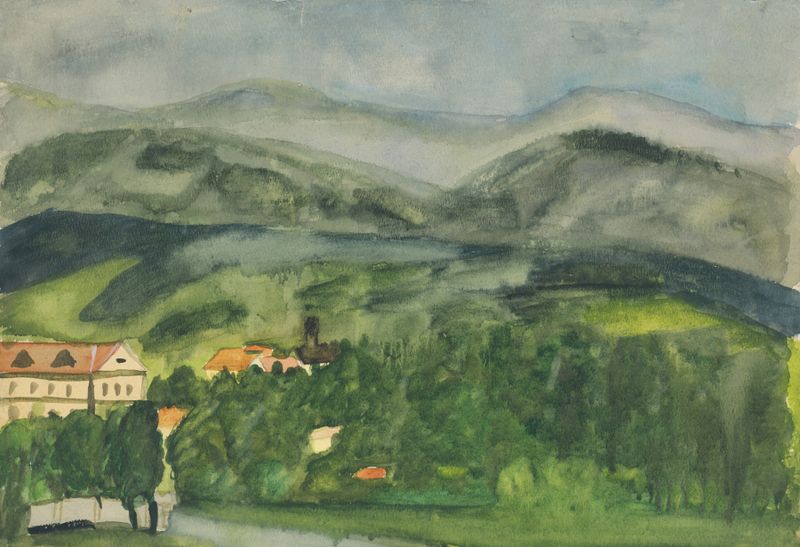
Landscape with houses
Arnold Peter Weisz-Kubínčan
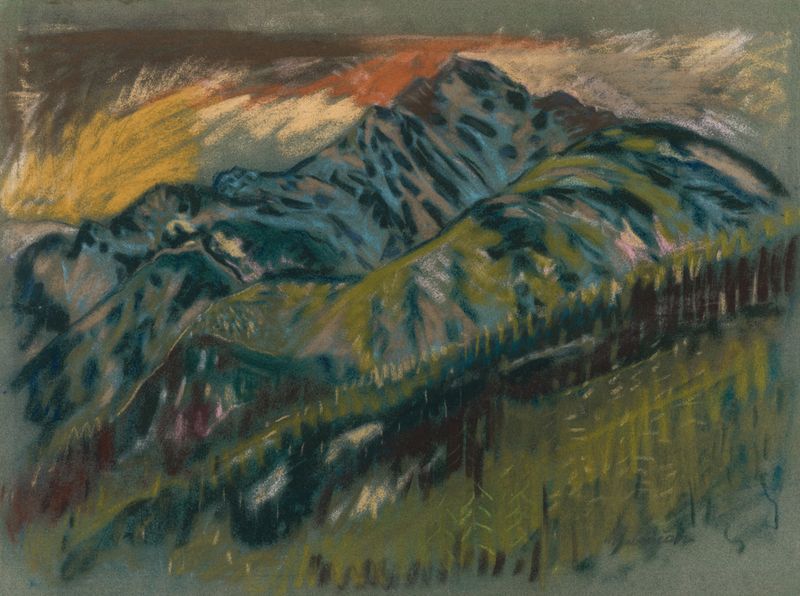
The Roháče Mountains
Arnold Peter Weisz-Kubínčan
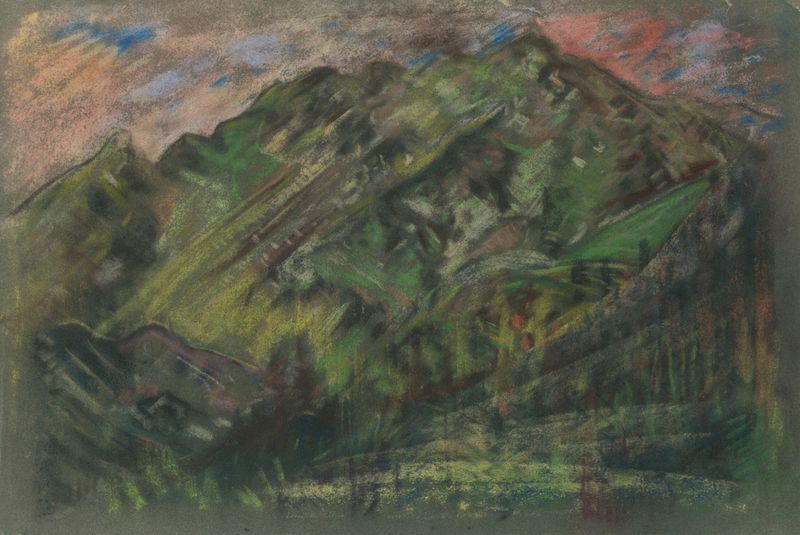
Motif from the High Tatras
Arnold Peter Weisz-Kubínčan

A man from Orava on a horse
Arnold Peter Weisz-Kubínčan
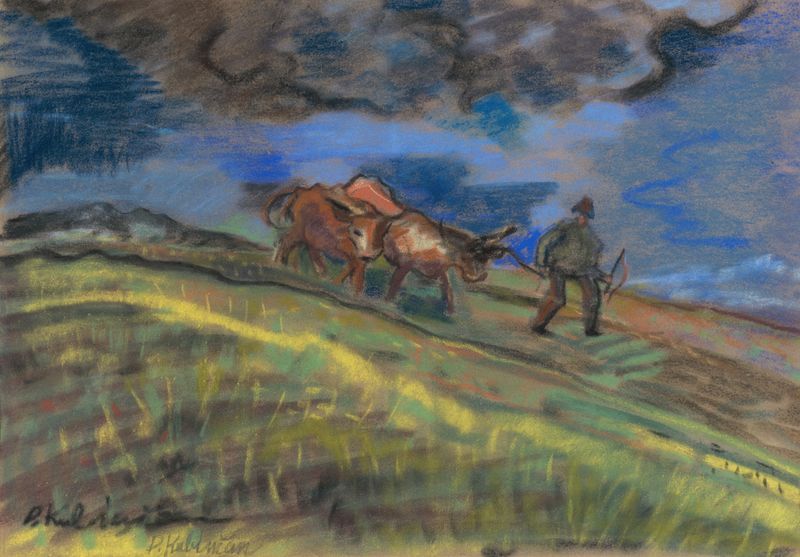
Ploughman
Arnold Peter Weisz-Kubínčan

Motif from Dolný Kubín
Arnold Peter Weisz-Kubínčan
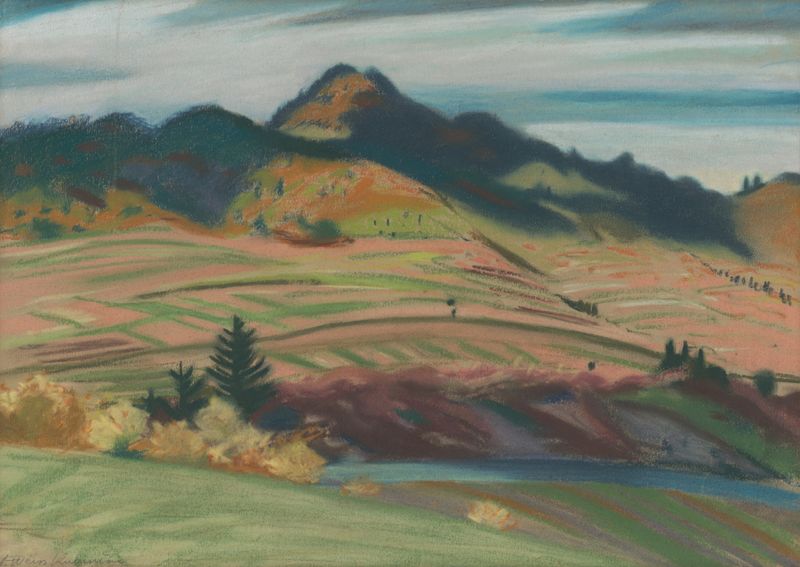
Thorns
Arnold Peter Weisz-Kubínčan
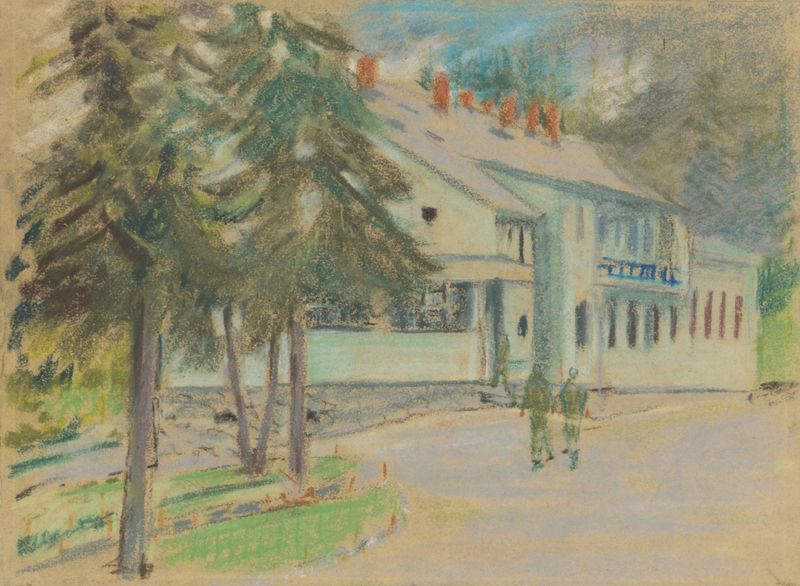
Barracks
Arnold Peter Weisz-Kubínčan

Sunset in the Mountains
Arnold Peter Weisz-Kubínčan

Lonely House
Arnold Peter Weisz-Kubínčan
More Portrait Art
Browse all →
Las meninas
Diego Velázquez

Self-portrait with a Bandaged Ear and Pipe
Unidentified artist

Girl with a Pearl Earring
Johannes Vermeer

The Sampling Officials of the Amsterdam Drapers’ Guild, Known as ‘The Syndics’
Rembrandt van Rijn

The Hundred Guilder Print: the man seen on the back in the lower left corner
Rembrandt van Rijn

Portrait of Dr Gachet
Vincent van Gogh