
Landscape with houses — History & Facts
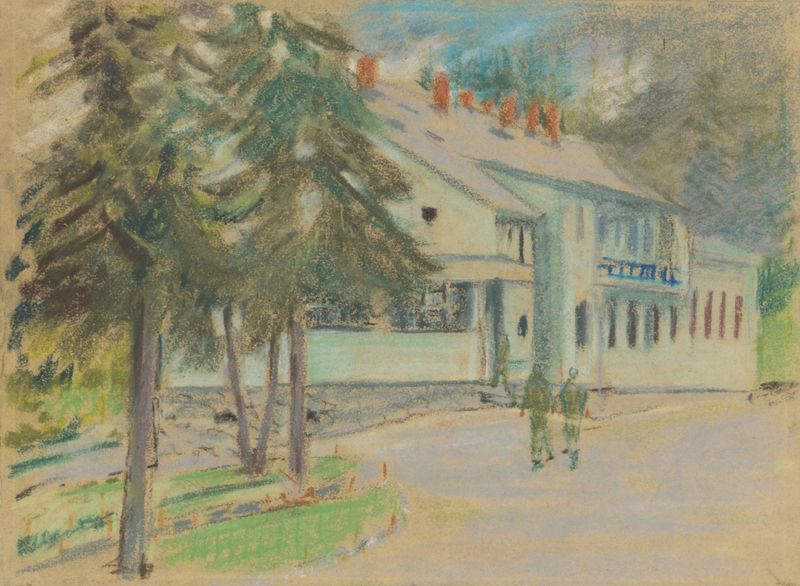
In the realm of brushstrokes, how do we capture the essence of fleeting moments while honoring the legacy of what once was? Focus first on the gentle undulations of the landscape, where the houses nestle like whispers amid the rolling hills. The palette, a soft harmony of greens and browns, draws the eye to the modest structures, which emerge predominantly in warm ochres. Notice how the light dances across the rooftops, casting delicate shadows that evoke a sense of tranquility and nostalgia.
The composition is balanced yet intimate, inviting viewers to linger in this serene moment. Yet beneath the surface, emotional tensions emerge. The juxtaposition of the sturdy houses against the vast expanse of nature suggests a struggle between permanence and impermanence—an echo of human existence in a world always in flux. The muted colors evoke a sense of yearning, as if the landscape holds countless stories, memories intertwined with the very soil.
Each house represents not just a dwelling but a legacy, capturing lives lived and dreams dreamed within those walls. During the years between 1940 and 1944, the artist found himself in a tumultuous period marked by World War II, living in the shadows of chaos that enveloped Europe. Working in the context of a world rife with uncertainty, he painted this landscape in his studio in Slovakia. It was a time when personal and collective histories were inextricably linked, and the act of creating such works became a means to honor past legacies while seeking solace in the beauty of the familiar.
More Artworks by Arnold Peter Weisz-Kubínčan
Browse all →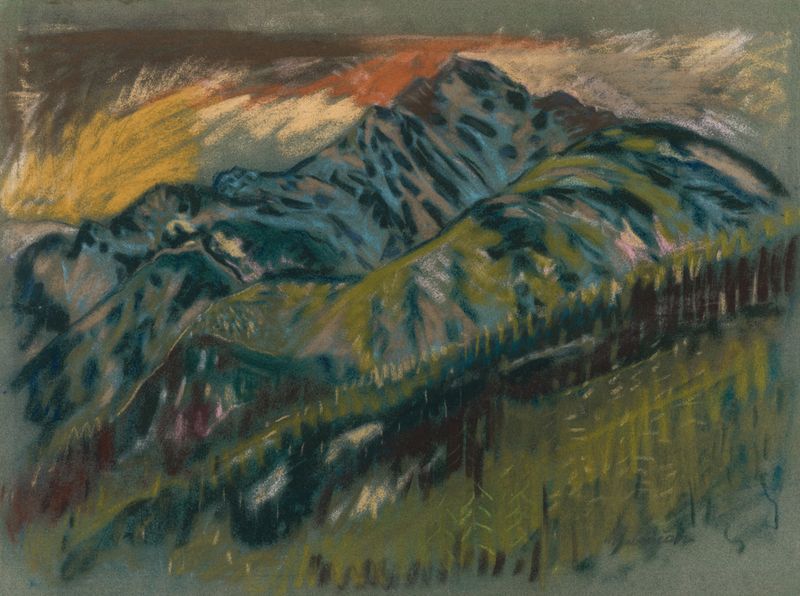
The Roháče Mountains
Arnold Peter Weisz-Kubínčan
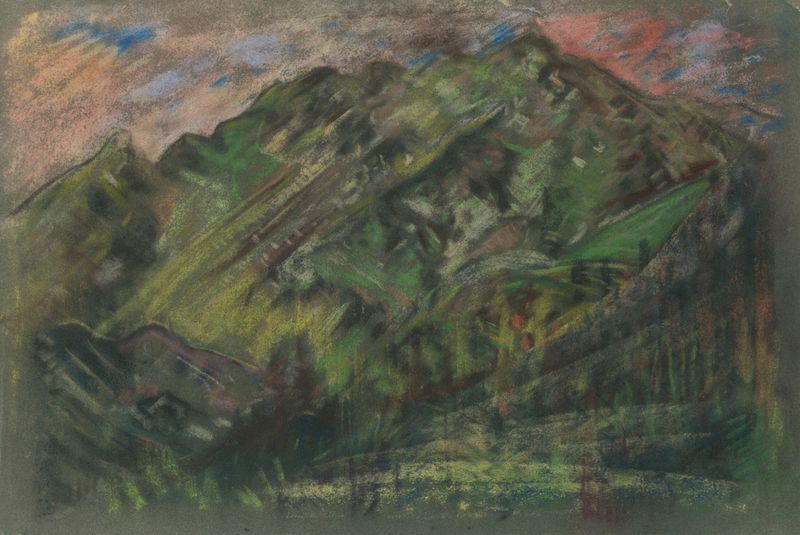
Motif from the High Tatras
Arnold Peter Weisz-Kubínčan

A man from Orava on a horse
Arnold Peter Weisz-Kubínčan
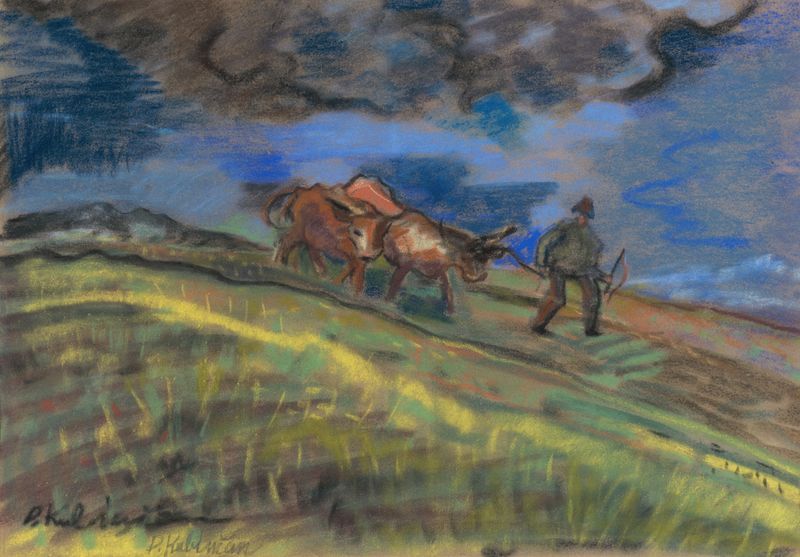
Ploughman
Arnold Peter Weisz-Kubínčan

Motif from Dolný Kubín
Arnold Peter Weisz-Kubínčan
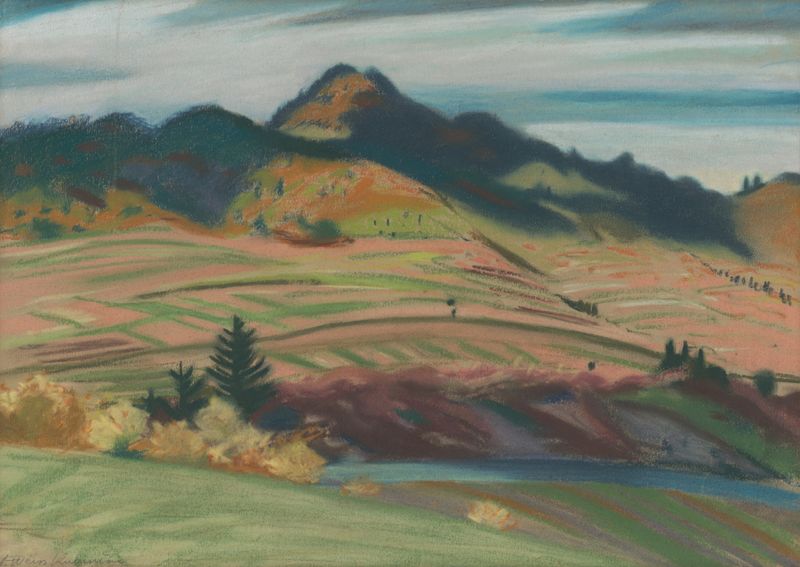
Thorns
Arnold Peter Weisz-Kubínčan

Sad man in the village
Arnold Peter Weisz-Kubínčan
Barracks
Arnold Peter Weisz-Kubínčan

Sunset in the Mountains
Arnold Peter Weisz-Kubínčan

Lonely House
Arnold Peter Weisz-Kubínčan





