
A man from Orava on a horse — History & Facts
What if beauty was never meant to be finished? In A man from Orava on a horse, the tension between serenity and violence reveals a world caught in the delicate balance of existence. Focus first on the striking figure at the center of the canvas. The man, upright on his steed, is wrapped in the deep hues of earthy browns and muted greens, conveying a sense of raw power and connection to the land. Notice how the light dances across his face, highlighting the determined gaze that seems to pierce through the viewer.
The horse, equally powerful, exudes a sense of restlessness, its taut muscles hinting at a readiness for action. The composition draws the eye upward, towards the horizon, suggesting both an invitation and an impending journey that lies beyond the frame. Within this artwork lies a subtle dance between tranquility and the underlying threat of violence. The juxtaposition of the calm demeanor of the horseman against the vibrancy of the landscape evokes a tension that resonates with the historical context of the time.
The man's attire hints at cultural pride and identity, yet his posture suggests a readiness for conflict, reflective of a society grappling with the shadows of political upheaval. The viewer is left to ponder the thin line between peace and turmoil in both the individual and the collective. In 1935, Arnold Peter Weisz-Kubínčan created this work amid a tumultuous period in Europe, marked by rising nationalism and social unrest. Living in the heart of Central Europe, he sought to capture the essence of rural life and identity, reflecting a fusion of tradition with the changing tides of modernity.
As he painted, the specter of war loomed, lending weight and urgency to his exploration of human experience against the backdrop of nature.
More Artworks by Arnold Peter Weisz-Kubínčan
Browse all →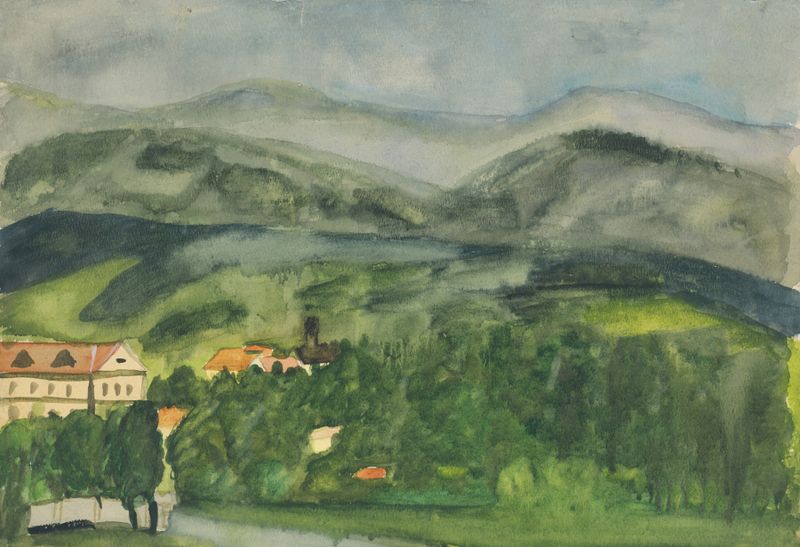
Landscape with houses
Arnold Peter Weisz-Kubínčan
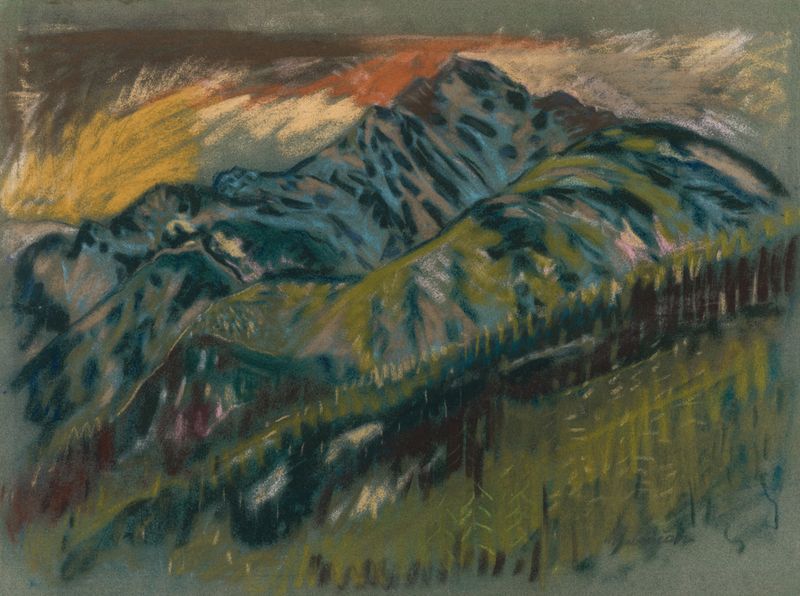
The Roháče Mountains
Arnold Peter Weisz-Kubínčan
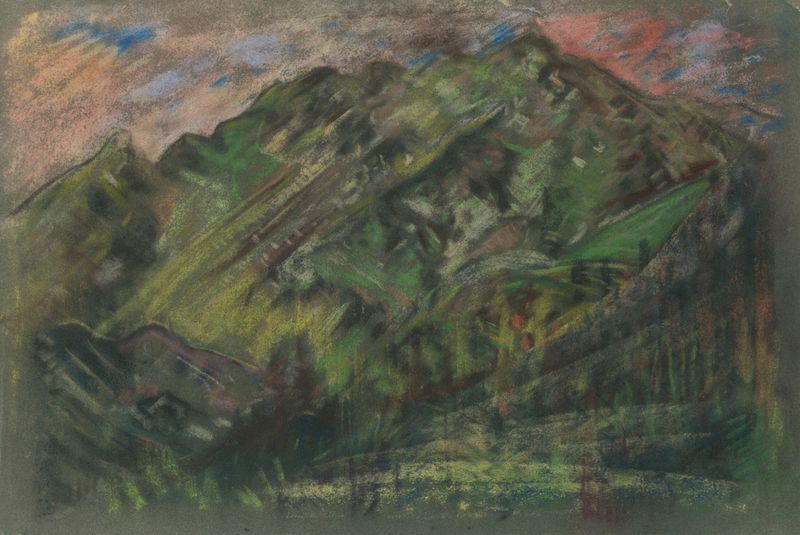
Motif from the High Tatras
Arnold Peter Weisz-Kubínčan
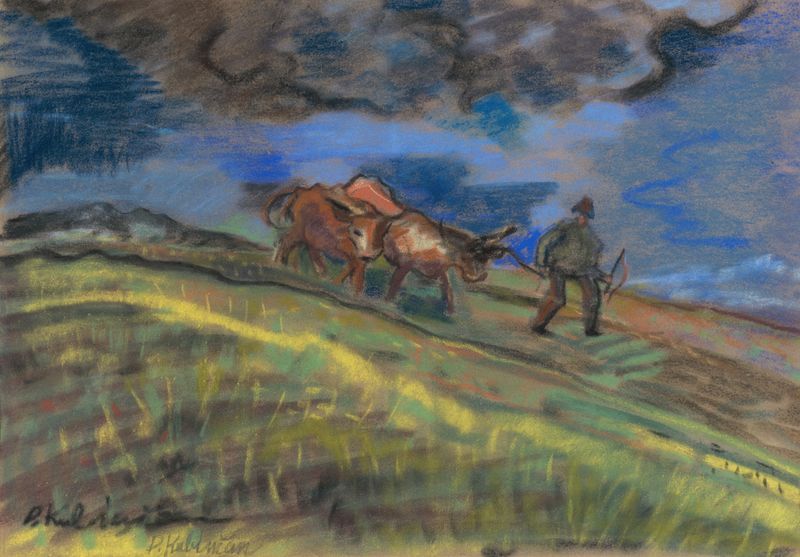
Ploughman
Arnold Peter Weisz-Kubínčan

Motif from Dolný Kubín
Arnold Peter Weisz-Kubínčan
Thorns
Arnold Peter Weisz-Kubínčan

Sad man in the village
Arnold Peter Weisz-Kubínčan
Barracks
Arnold Peter Weisz-Kubínčan

Sunset in the Mountains
Arnold Peter Weisz-Kubínčan

Lonely House
Arnold Peter Weisz-Kubínčan





