
Lonely House — History & Facts
Could beauty survive in a century of chaos? In Lonely House, the stark image evokes a profound sense of grief, capturing a moment suspended in time where solitude and elegance intertwine. Look to the left at the stark outline of the house, its windows standing like dark, unblinking eyes against a backdrop of muted colors. The artist employs a palette of grays and browns, evoking a somber atmosphere that resonates with the viewer's emotions. Notice how the gentle curves of the landscape cradle the structure, as if both protect and suffocate it, while soft strokes suggest the movement of clouds overhead—symbols of fleeting hope and impending storms. In the details, hidden meanings emerge: the absence of life around the house amplifies its isolation, hinting at untold stories and lost memories.
The interplay of light and shadow serves as a reminder of the duality of existence—beauty tethered to sorrow. Each brushstroke seems to whisper the weight of history, suggesting that even within despair, there lies a haunting beauty that invites reflection and empathy. Created in 1933, Lonely House emerged during a tumultuous period in Europe, where socio-political upheaval loomed large. Weisz-Kubínčan, an artist navigating the tides of modernism, sought to express the complexities of human emotion through his work.
This piece reflects not only his personal struggles but also the collective grief felt by many as the world teetered on the brink of chaos.
More Artworks by Arnold Peter Weisz-Kubínčan
Browse all →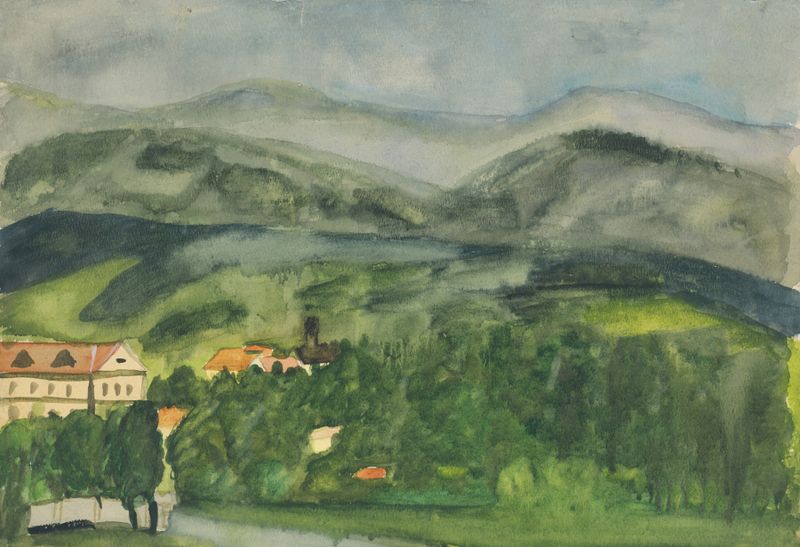
Landscape with houses
Arnold Peter Weisz-Kubínčan
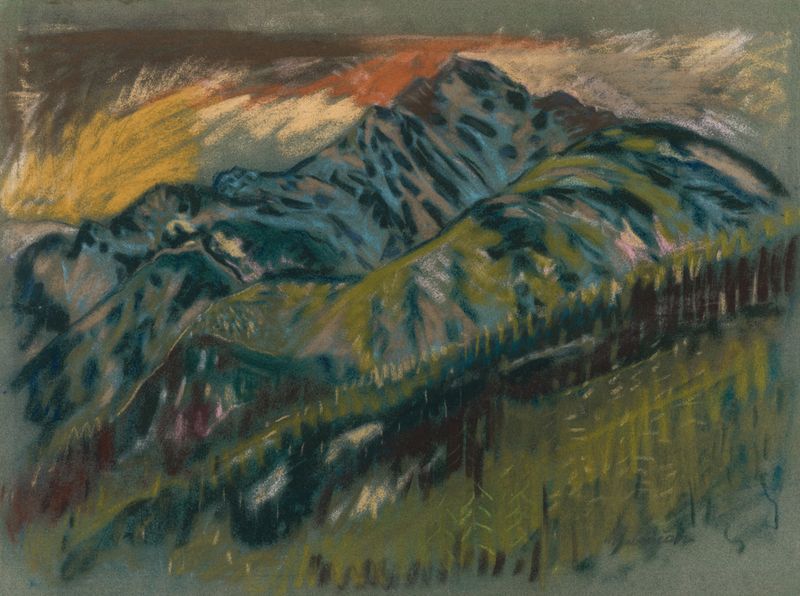
The Roháče Mountains
Arnold Peter Weisz-Kubínčan
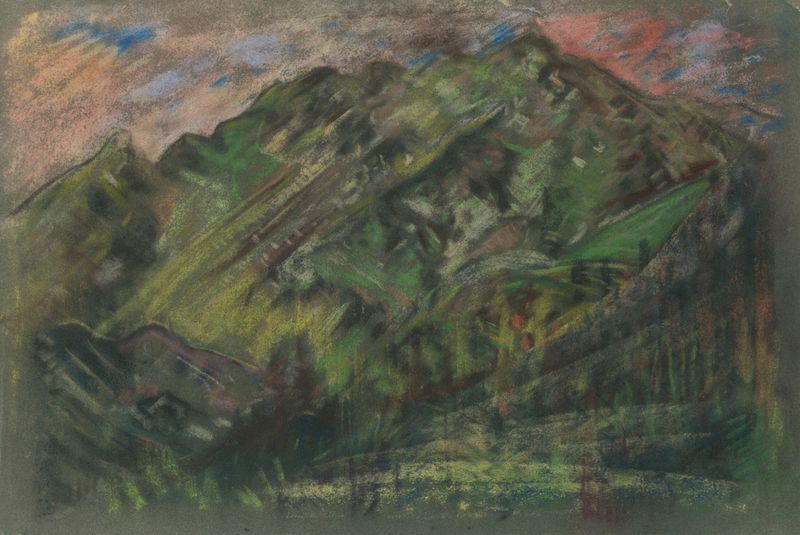
Motif from the High Tatras
Arnold Peter Weisz-Kubínčan

A man from Orava on a horse
Arnold Peter Weisz-Kubínčan
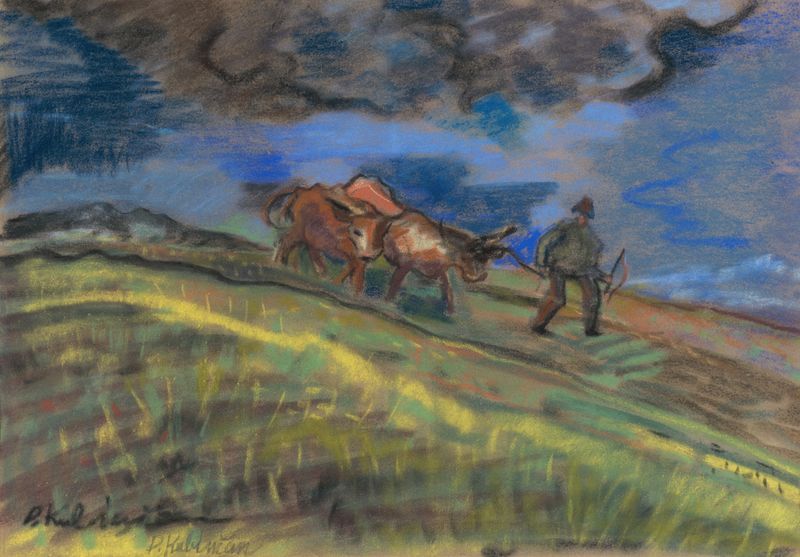
Ploughman
Arnold Peter Weisz-Kubínčan

Motif from Dolný Kubín
Arnold Peter Weisz-Kubínčan
Thorns
Arnold Peter Weisz-Kubínčan

Sad man in the village
Arnold Peter Weisz-Kubínčan
Barracks
Arnold Peter Weisz-Kubínčan

Sunset in the Mountains
Arnold Peter Weisz-Kubínčan





