
Sahara (Buildings) — History & Facts
What if beauty was never meant to be finished? Jan Ciągliński’s Sahara (Buildings) invites us into a world where the lines between reality and imagination blur, revealing the fragility of existence. Look to the center of the canvas, where sprawling structures emerge from an arid expanse, their forms both grand and eerily disjointed. The muted palette of ochres and browns reflects the desolation of the desert, while faint shadows shift in the hot air, creating an illusion of movement. Notice how the delicate interplay of light and shadow highlights the intricate details of the architecture, suggesting a history of dreams and madness intertwined with the relentless sands of time. The painting pulsates with a tension between aspiration and decay, a visual representation of human ambition against an unyielding landscape.
The towering buildings appear as fragile monuments to fleeting dreams, hovering on the brink of collapse, mirroring the artist's own struggles with sanity and creativity. Each structure evokes whispers of stories unfinished, inviting contemplation on the nature of beauty and the chaos of the human spirit. In 1909, Ciągliński painted Sahara (Buildings) during a period marked by personal turmoil and artistic exploration. Residing in Paris, he was influenced by the shifting art movements of the time, grappling with the changing perceptions of beauty and madness.
The world of art was at a crossroads, and this piece reflects both his inner demons and the broader existential questions that permeated the early 20th century, revealing a profound connection between the artist and his environment.
More Artworks by Jan Ciągliński
Browse all →
The Sirocco
Jan Ciągliński
Mountain landscape. From the journey to India
Jan Ciągliński
At Bosporus
Jan Ciągliński
St Mark’s Square in Venice
Jan Ciągliński
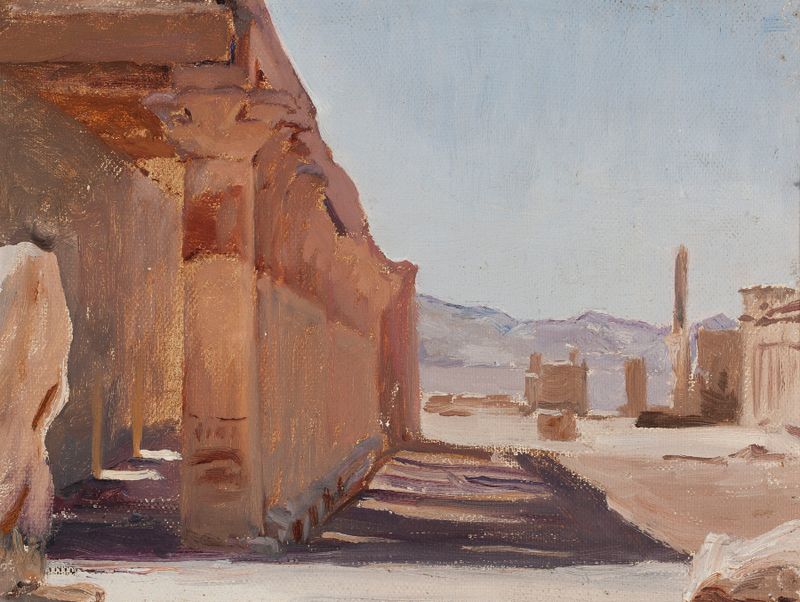
Temple. From the journey to Egypt
Jan Ciągliński
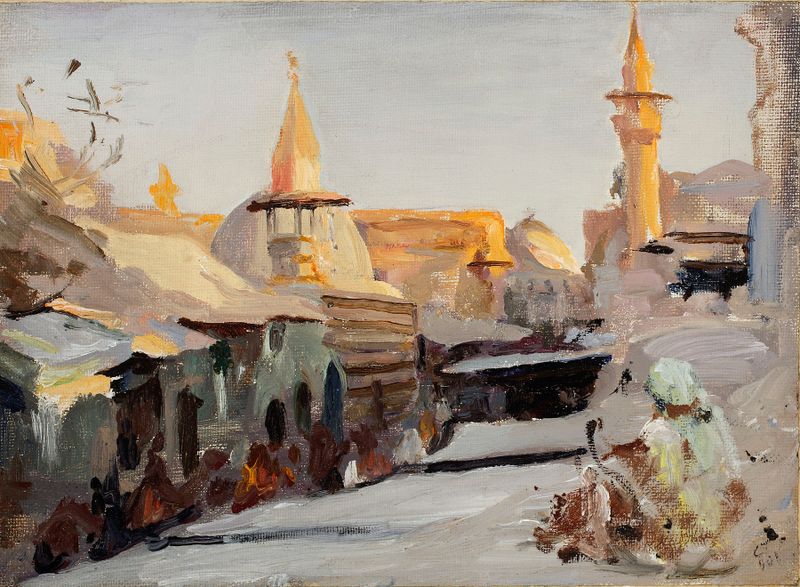
Street in Damascus. From the journey to Palestine
Jan Ciągliński
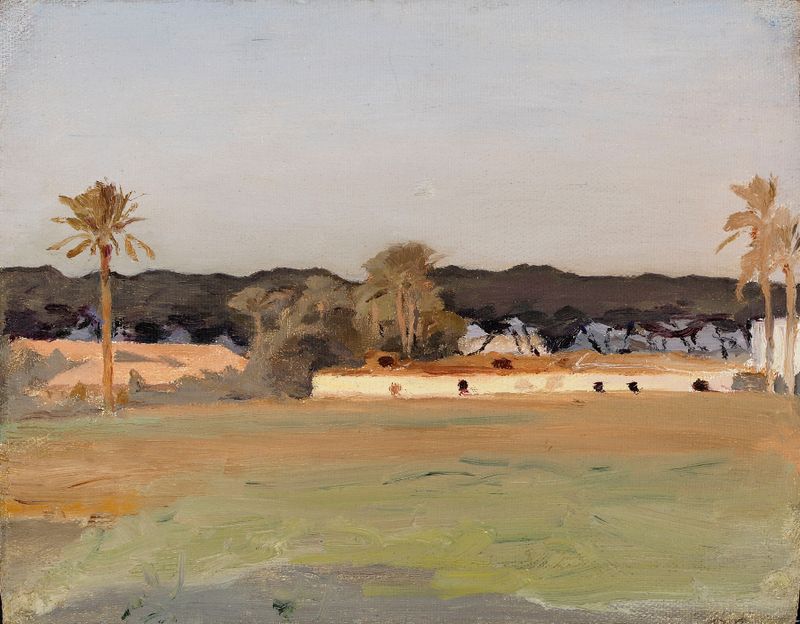
Evening. From the journey to Egypt
Jan Ciągliński
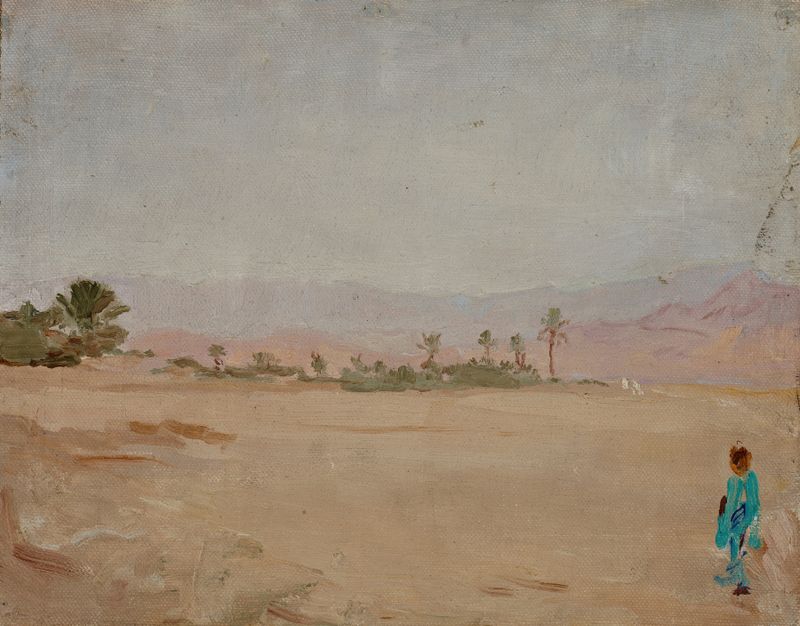
Sahara (Desert)
Jan Ciągliński
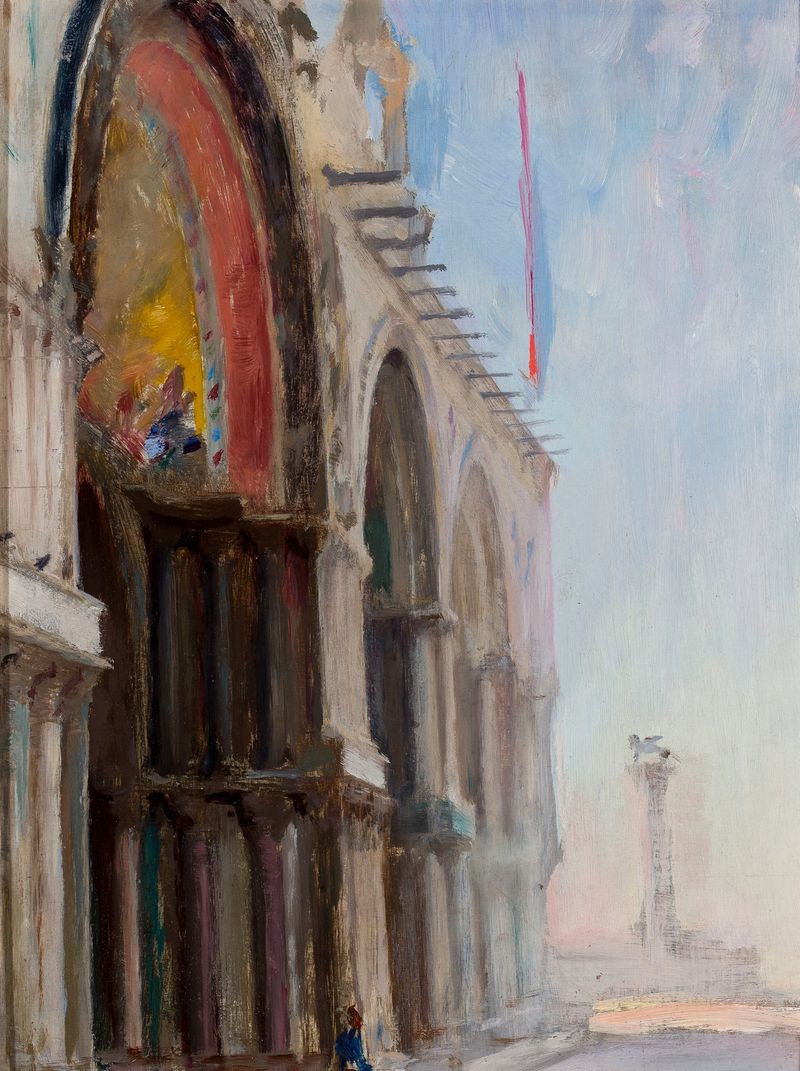
Venice – San Marco. From the journey to Italy
Jan Ciągliński
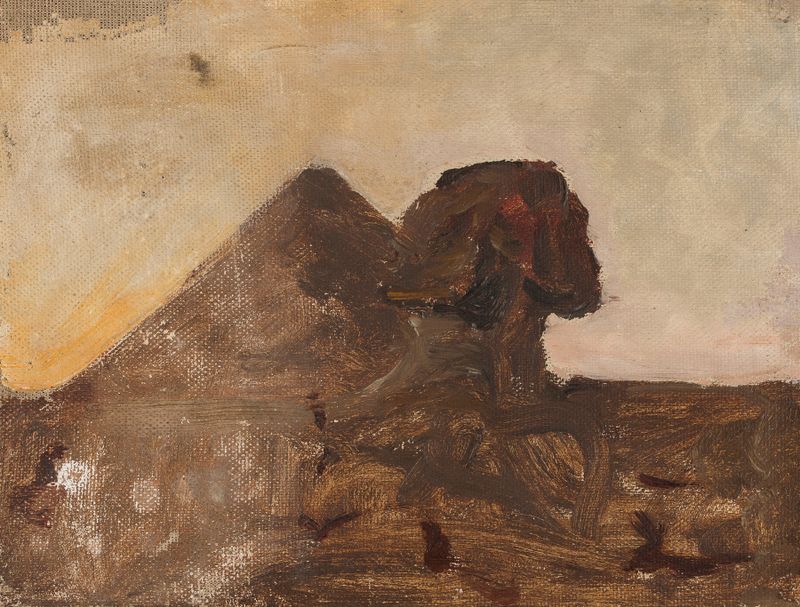
Evening in the desert – Sphinx and pyramid. From the journey to Egypt
Jan Ciągliński
More Architecture Art
Browse all →
The statue of Liberty
Frédéric Auguste Bartholdi

View of Houses in Delft, Known as ‘The Little Street’
Johannes Vermeer

View of Houses in Delft, Known as ‘The Little Street’
Johannes Vermeer

The Cathedral in Rouen. The portal, Grey Weather
Claude Monet

The yellow house
Vincent van Gogh

The Church in Auvers-sur-Oise, View from the Chevet
Vincent van Gogh