
Sahara (Desert after a Rain) — History & Facts
What secret hides in the quiet of the canvas? In the vastness of the desert, after the rain, a profound stillness lingers, inviting introspection and contemplation. Look to the bottom left at the delicate grasses, their vibrant green a striking contrast to the sandy hues that dominate the scene. Notice how the light illuminates the landscape, casting gentle shadows that hint at the undulating dunes beyond. The artist's brushwork blends soft strokes with meticulous detail, rendering a moment that feels both ephemeral and eternal, as if the desert breathes with the promise of renewal. The interplay of water and sand evokes a tension between life and desolation.
Here, the void of the parched earth meets the unexpected gift of rain, a fleeting moment of abundance in a harsh environment. This juxtaposition speaks to the resilience of nature, capturing the delicate balance of existence in a landscape that is often perceived as barren and lifeless. In 1909, the artist worked during a time of significant change in the art world, where Orientalism and the exploration of exotic landscapes were gaining popularity. Living in Paris, he was influenced by the Symbolist movement, which sought to transcend reality and delve into the emotional realm.
This painting emerged as a reflection of his own experiences, blending the beauty of nature with a deeper understanding of life's contradictions.
More Artworks by Jan Ciągliński
Browse all →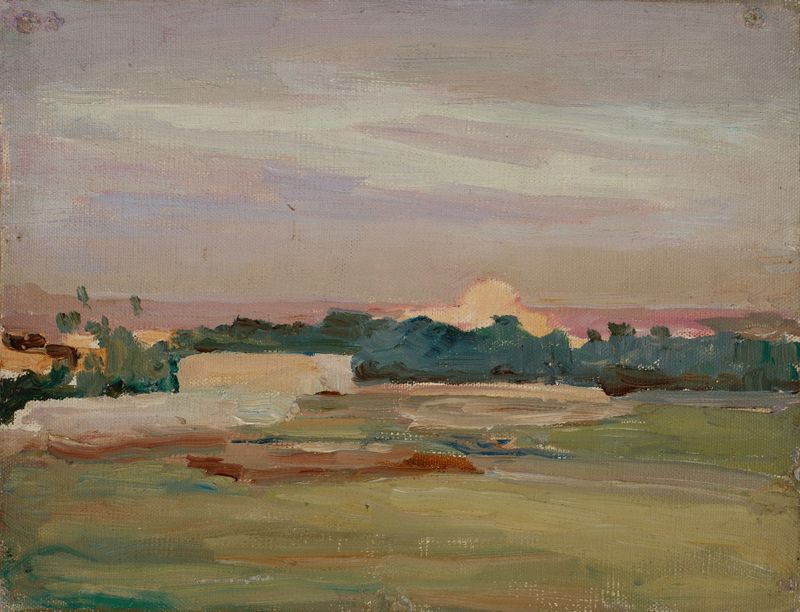
The Sirocco
Jan Ciągliński
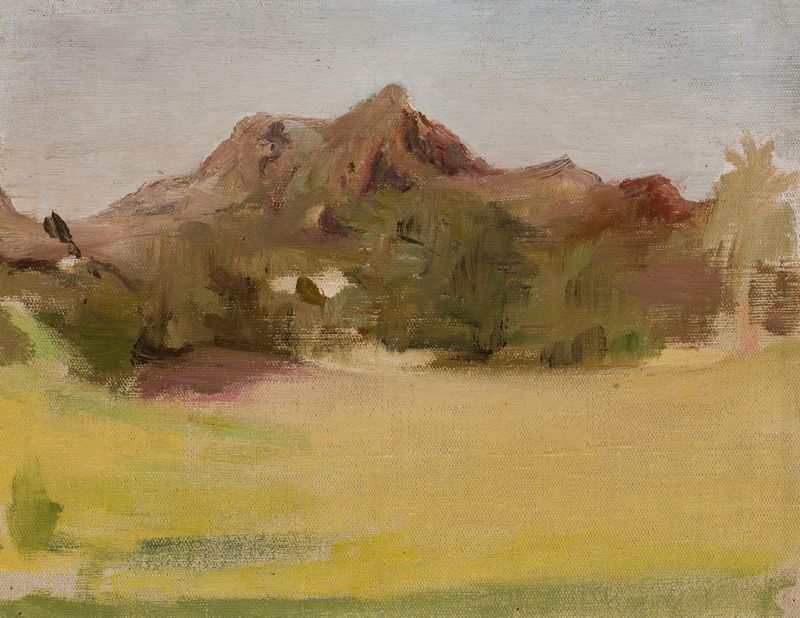
Mountain landscape. From the journey to India
Jan Ciągliński
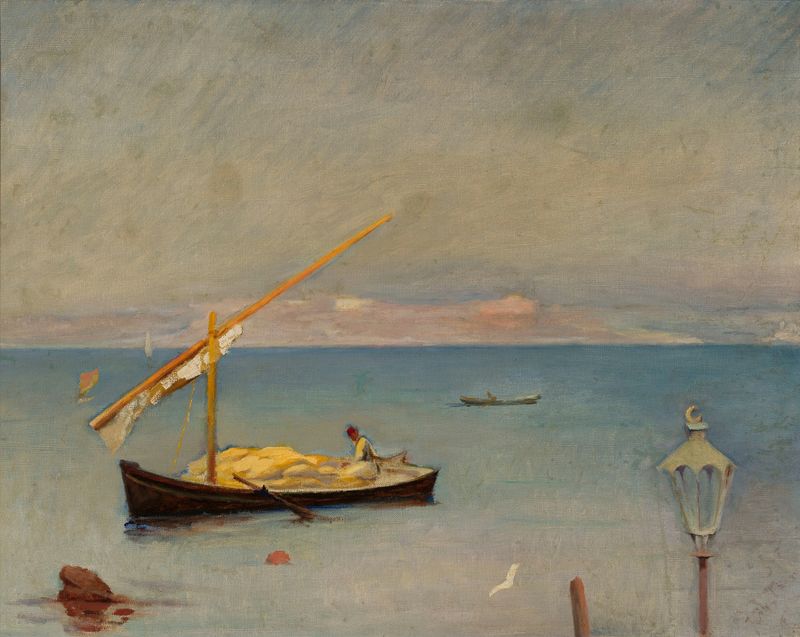
At Bosporus
Jan Ciągliński
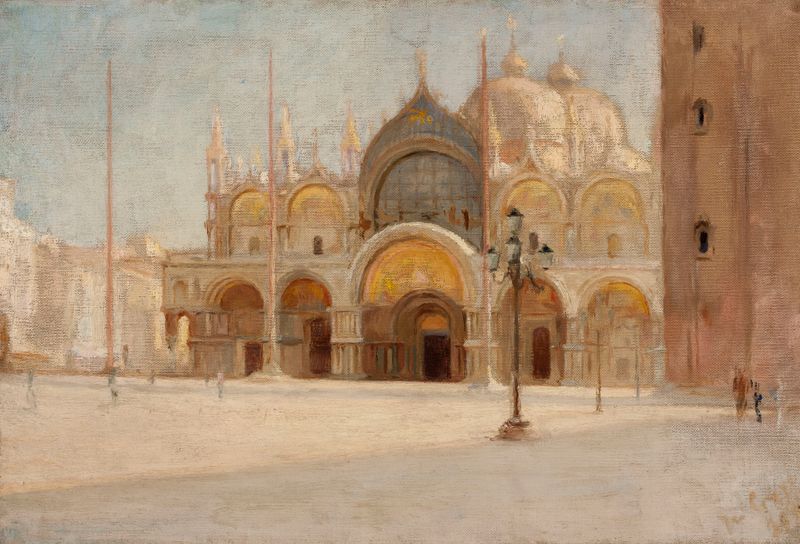
St Mark’s Square in Venice
Jan Ciągliński
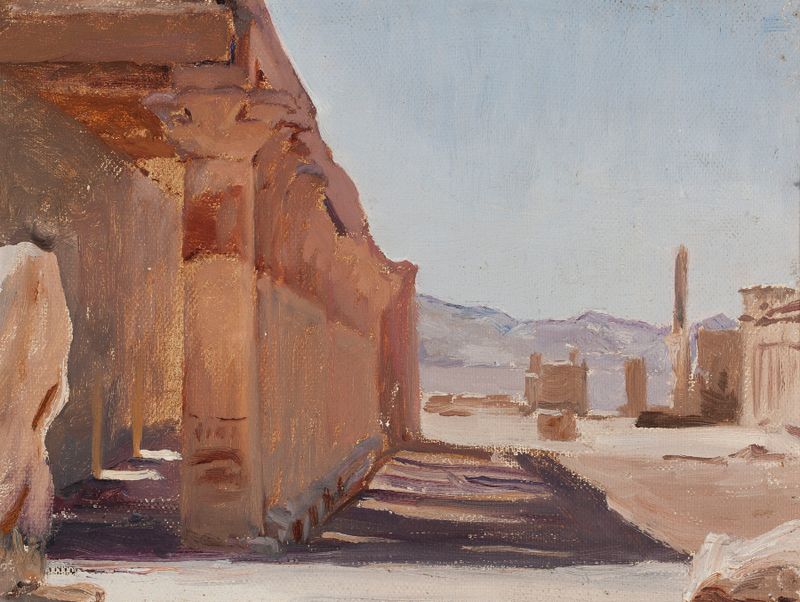
Temple. From the journey to Egypt
Jan Ciągliński
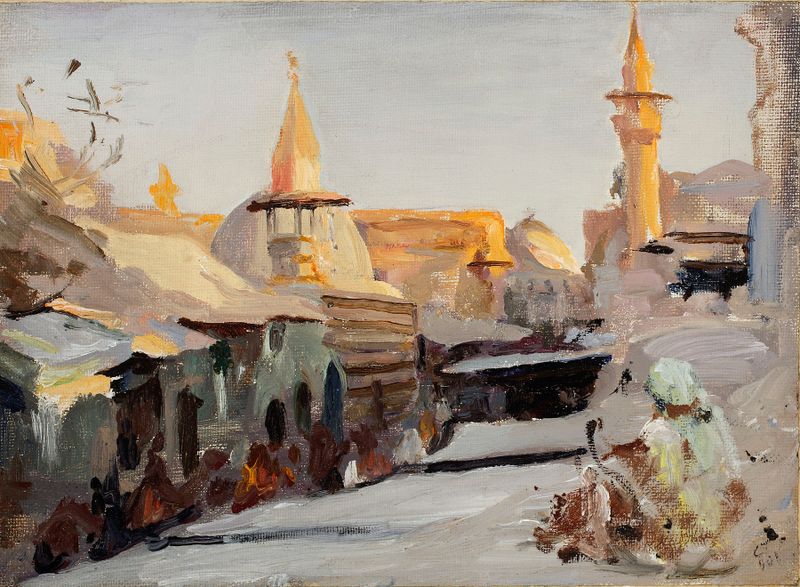
Street in Damascus. From the journey to Palestine
Jan Ciągliński
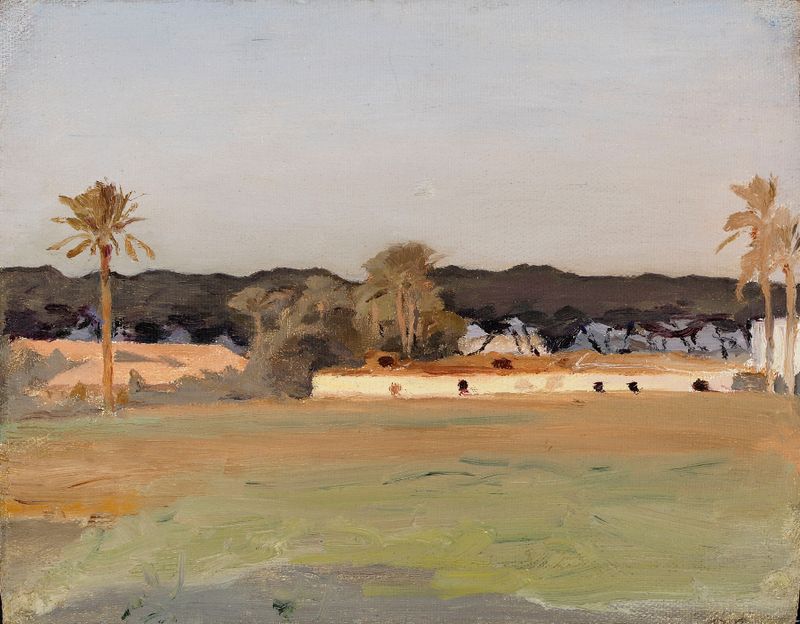
Evening. From the journey to Egypt
Jan Ciągliński
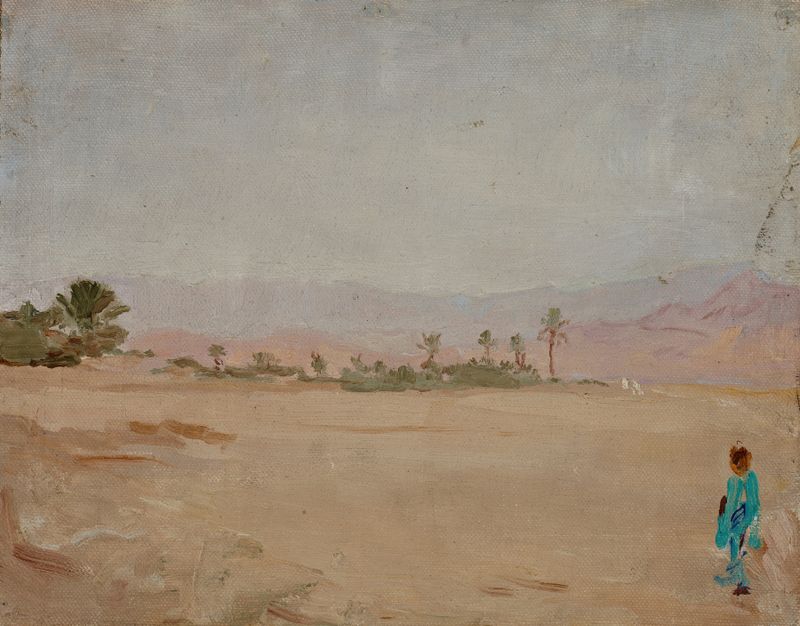
Sahara (Desert)
Jan Ciągliński
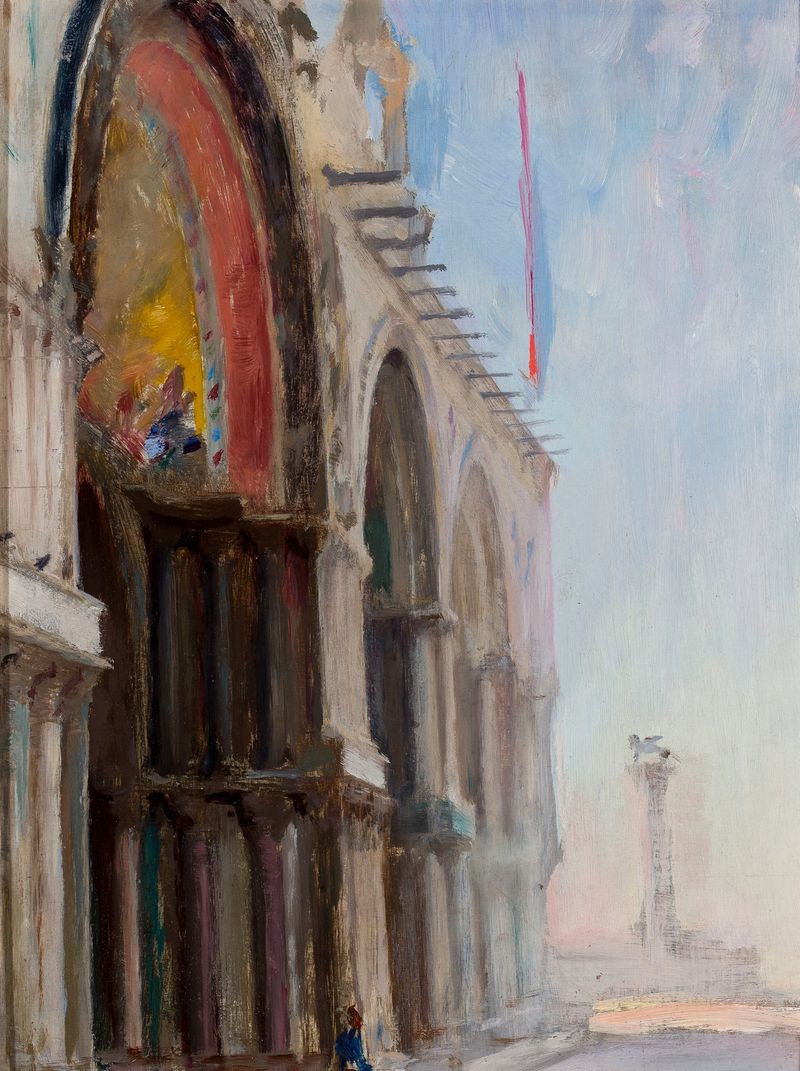
Venice – San Marco. From the journey to Italy
Jan Ciągliński
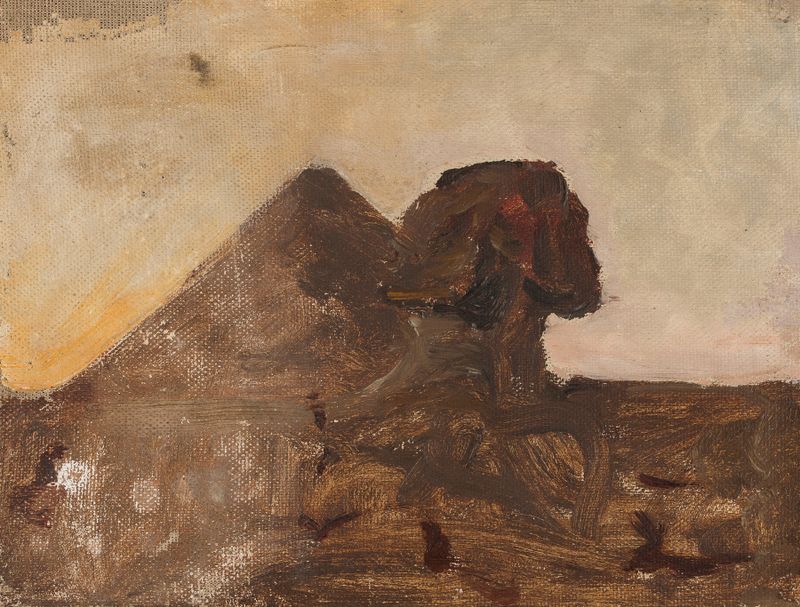
Evening in the desert – Sphinx and pyramid. From the journey to Egypt
Jan Ciągliński





