
Sahara (The Sirocco in the Desert) — History & Facts
What if silence could speak through light? In Jan Ciągliński's Sahara (The Sirocco in the Desert), the golden dunes whisper ancient tales, beckoning us into an expansive realm of transformation. Look to the center of the canvas where endless waves of sand undulate under the relentless sun. The interplay of ochres and soft beige creates a mesmerizing gradient, inviting your gaze to wander through the textured landscape. Notice how the light shifts subtly across the dunes, illuminating the peaks while casting deep shadows in the troughs, suggesting both the harshness and beauty of this arid environment.
Each brushstroke captures the essence of wind-sculpted formations, breathing life into a seemingly still scene. Beneath the surface, the painting reveals a duality of beauty and desolation. The vast emptiness signifies solitude and isolation, yet the shimmering light symbolizes hope and renewal, a moment of transition. In this stark setting, one feels the echoes of a journey, the silent passage of time, and the transformation that the desert air can invoke—both physical and spiritual. In 1909, while creating this piece, Ciągliński was immersed in a thriving artistic community in Paris, influenced by the broader Symbolism movement.
His work often explored themes of nature's force and its impact on the human experience. The early 20th century was a time of great change, both in art and society, which may have informed his exploration of the desert’s profound silence as a canvas for transformation and introspection.
More Artworks by Jan Ciągliński
Browse all →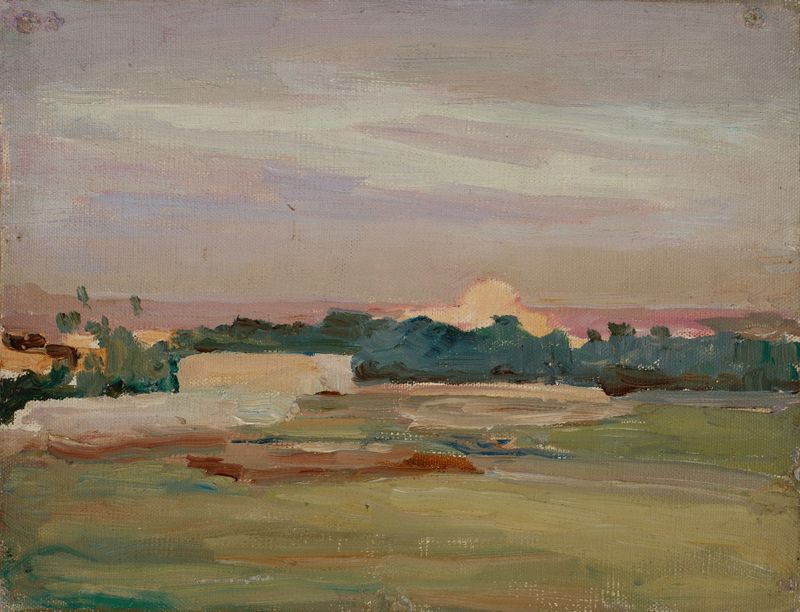
The Sirocco
Jan Ciągliński
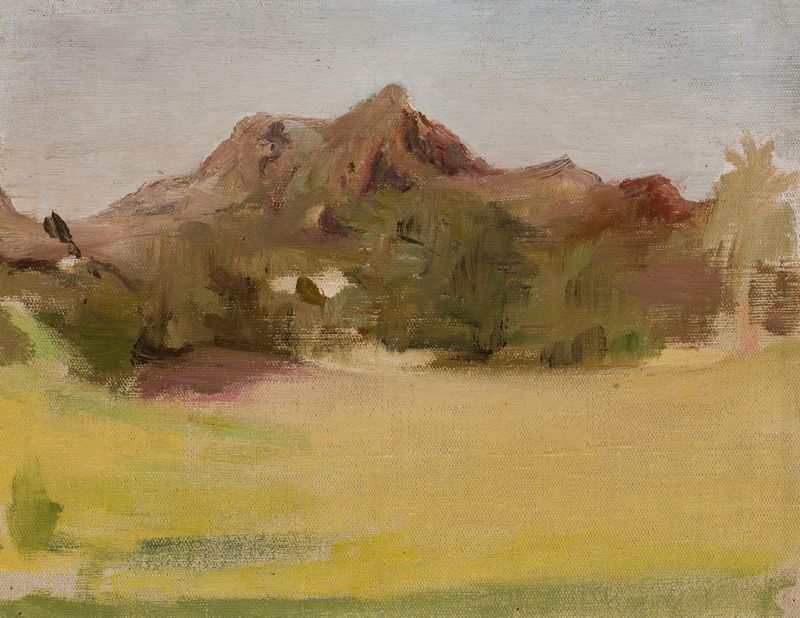
Mountain landscape. From the journey to India
Jan Ciągliński
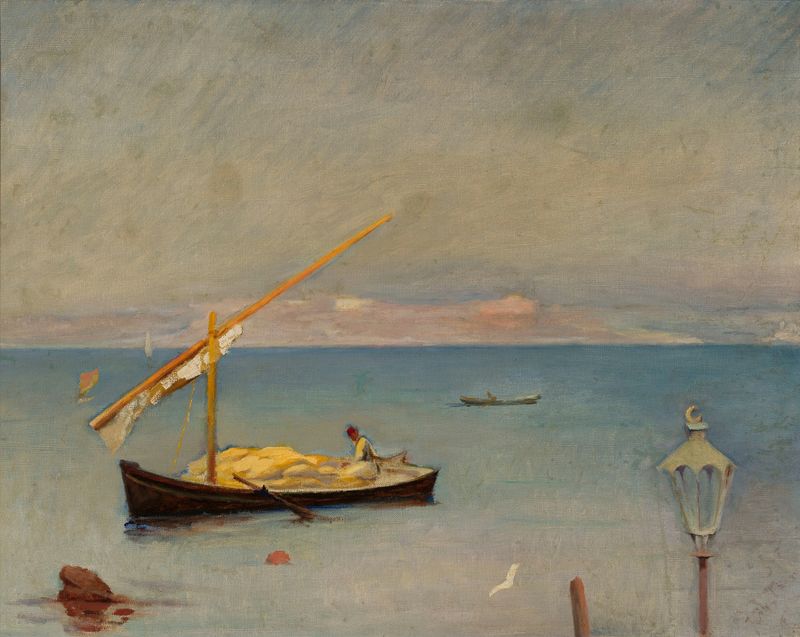
At Bosporus
Jan Ciągliński
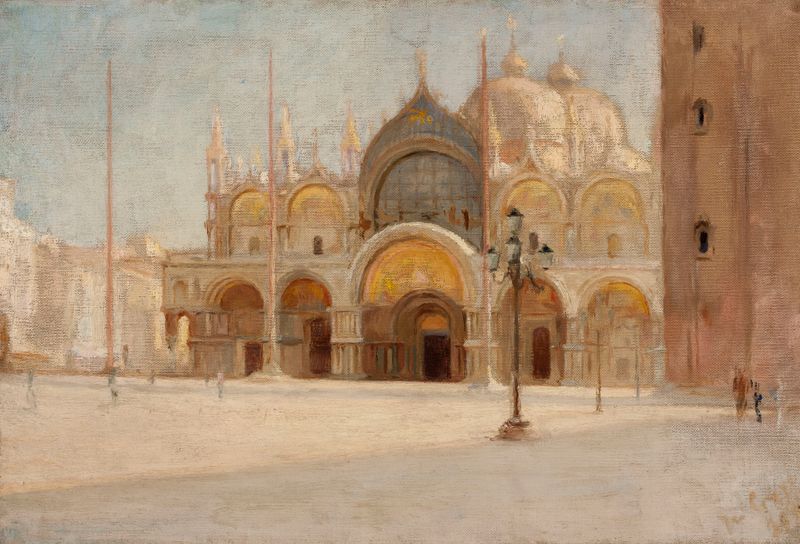
St Mark’s Square in Venice
Jan Ciągliński
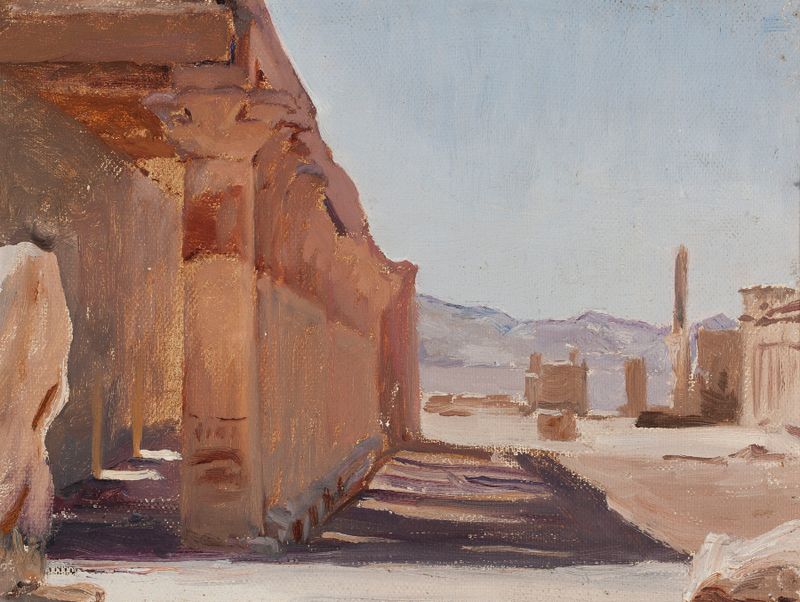
Temple. From the journey to Egypt
Jan Ciągliński
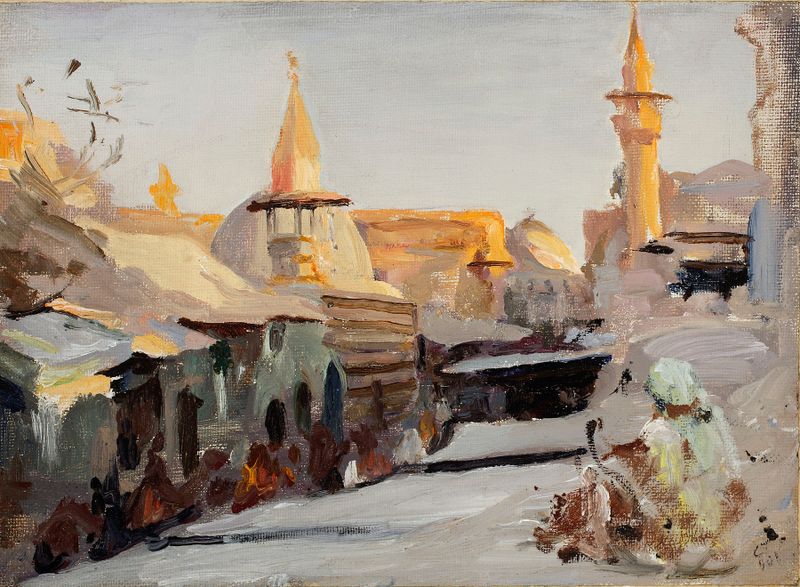
Street in Damascus. From the journey to Palestine
Jan Ciągliński
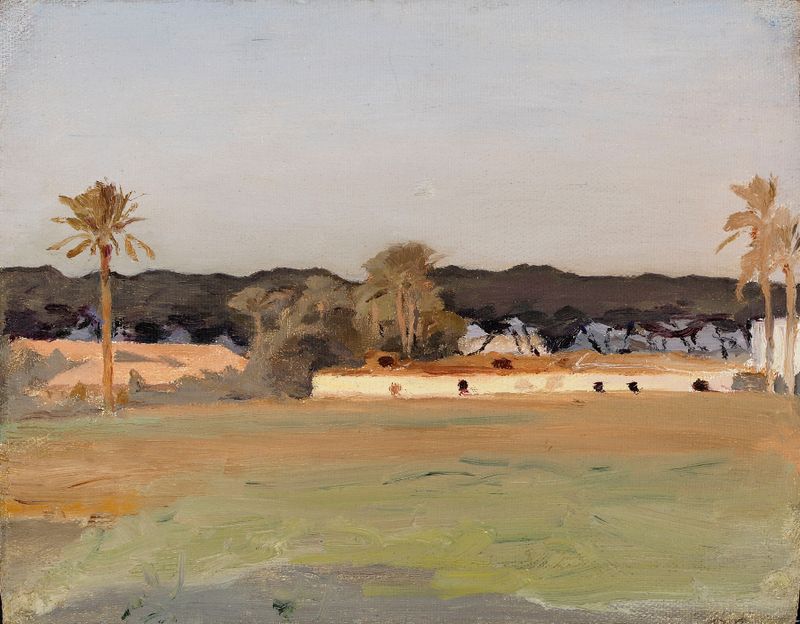
Evening. From the journey to Egypt
Jan Ciągliński
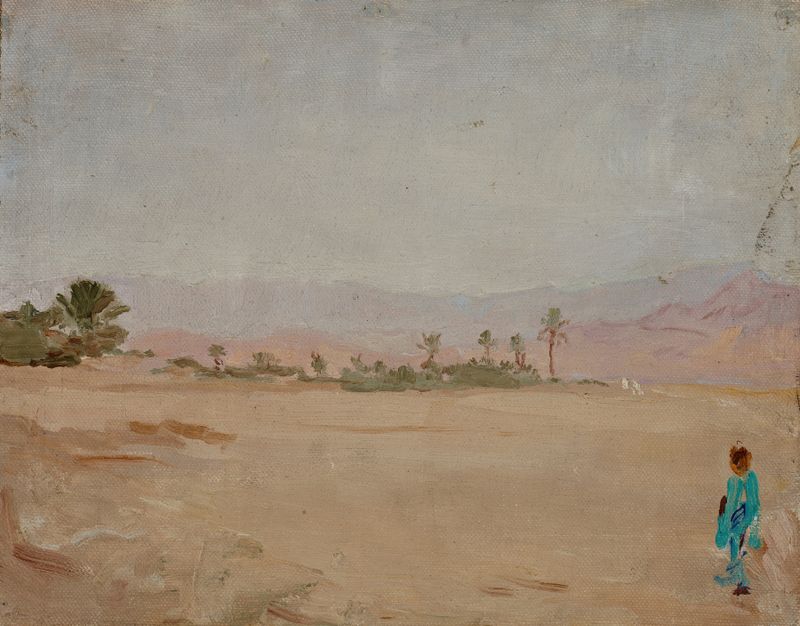
Sahara (Desert)
Jan Ciągliński
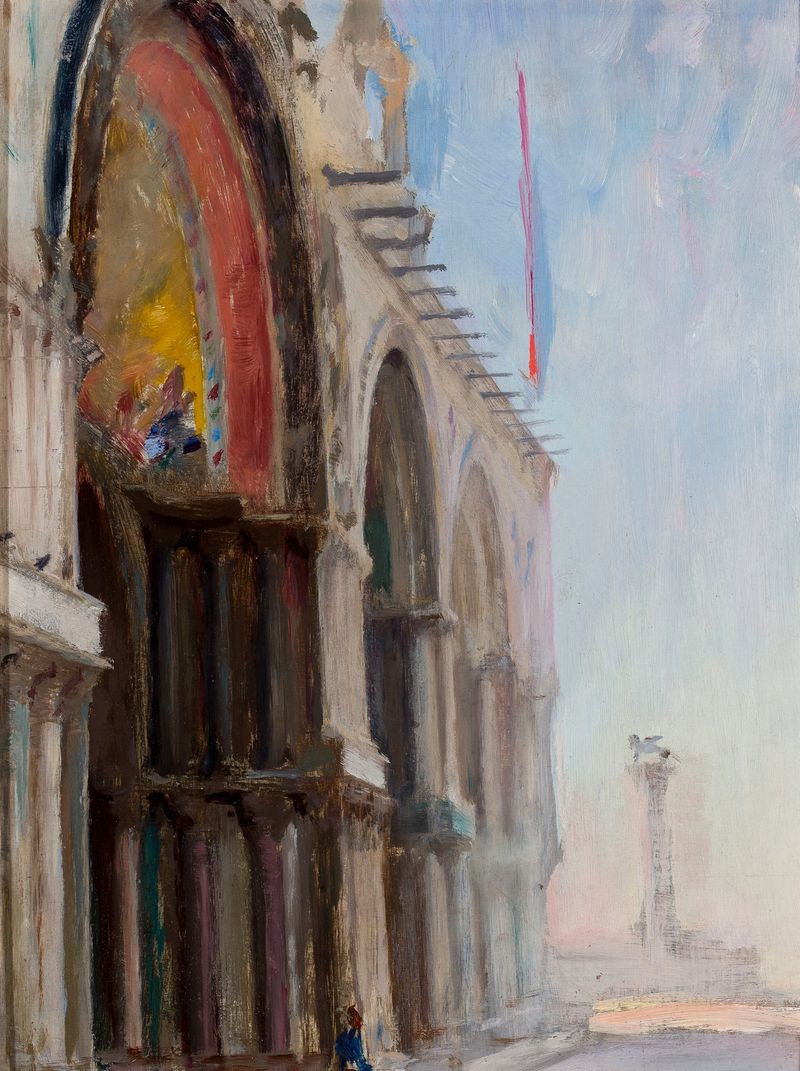
Venice – San Marco. From the journey to Italy
Jan Ciągliński
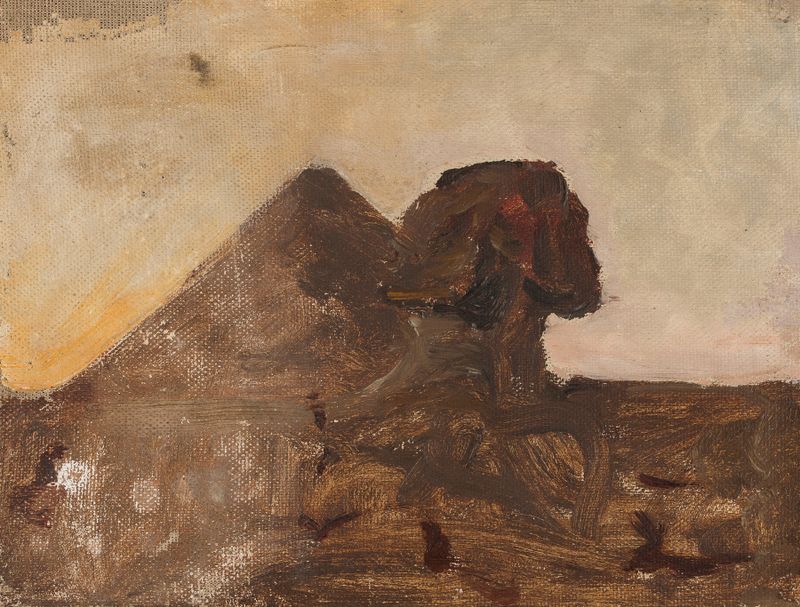
Evening in the desert – Sphinx and pyramid. From the journey to Egypt
Jan Ciągliński





