Sail boats on the sea — History & Facts
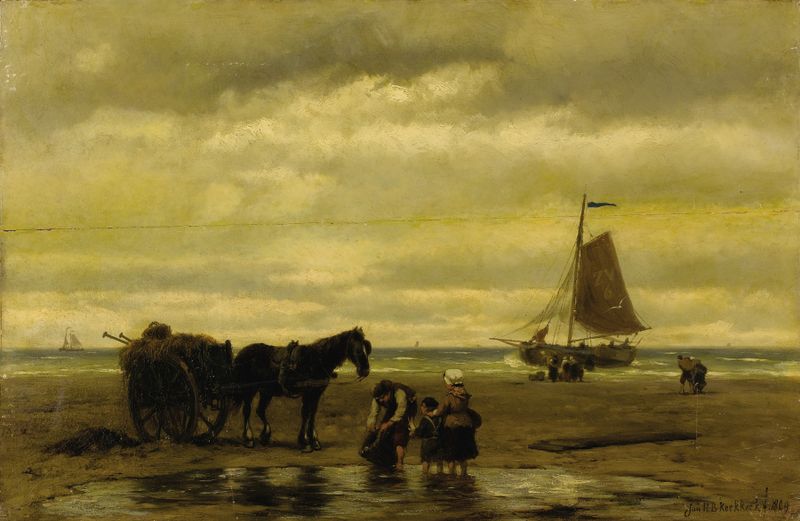
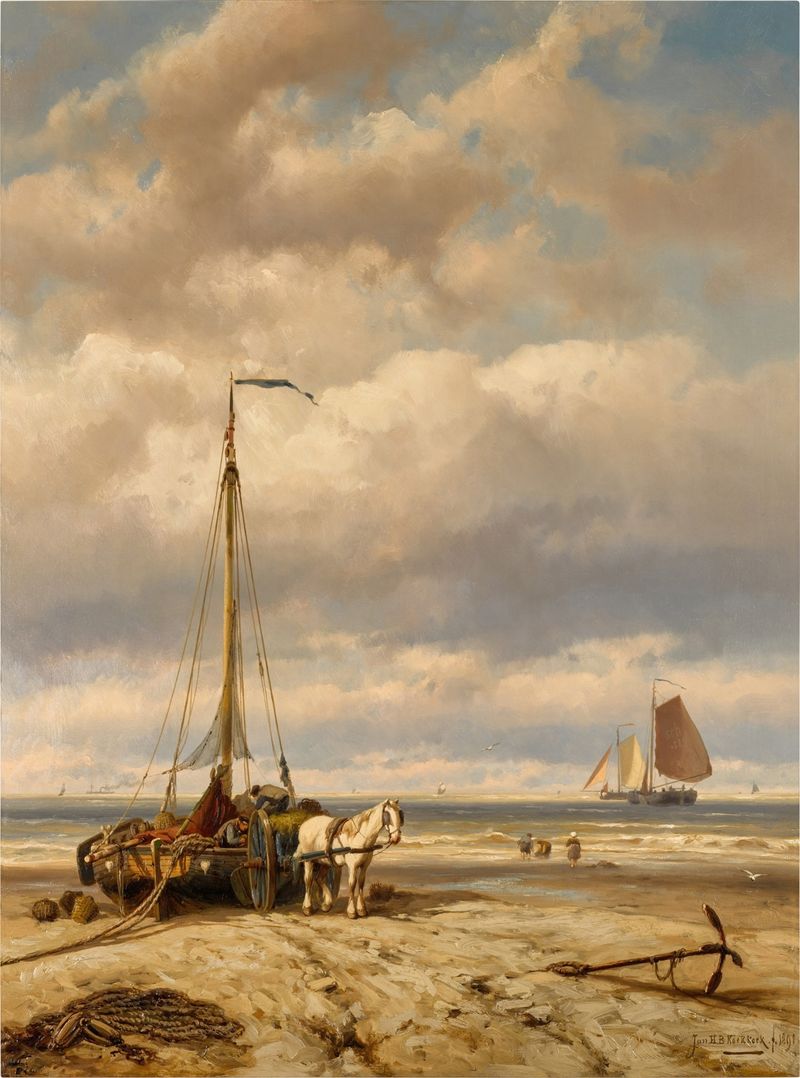
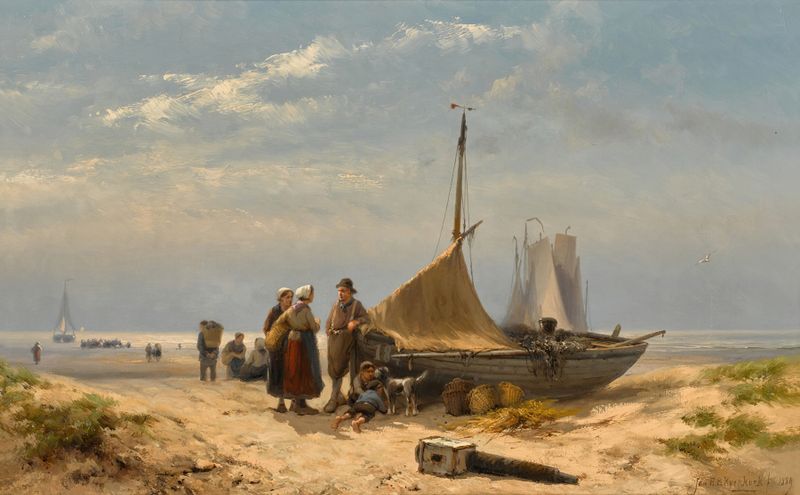
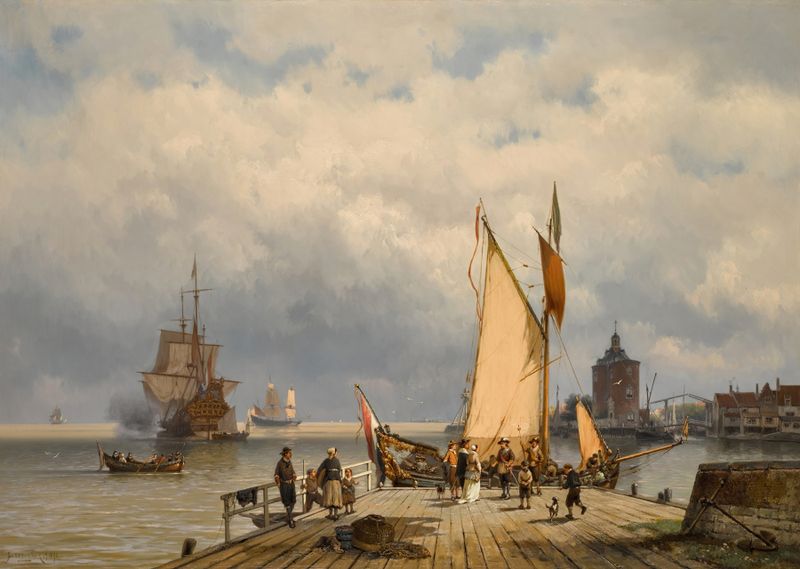
In the gentle sway of boats on the water, we encounter whispers of decay and time's passage, merging the ephemeral with the eternal. Look to the foreground, where the sailboats drift lazily, their crisp white sails seemingly in dialogue with the deep blue sea. Notice how the interplay of light creates shimmering reflections, casting ephemeral shadows upon the water’s surface. The painter’s deft brushwork captures both the tranquility of the moment and the subtle undercurrents of tension — the sails taut yet vulnerable against the vast expanse. Delve deeper into the horizon, where the sun hovers just above the edge of the sea, representing the inevitable passage of days and life itself.
The interplay of light and shadow tells a story of decay; while the boats are vibrant, the surrounding landscape suggests a muted richness, hinting at an encroaching stillness. There’s a quiet melancholy in the scene, as if the boats, while lively, are also relics of a forgotten past, caught in a moment of fleeting beauty. In 1857, when this piece was created, the artist found himself in the Netherlands, where Romanticism was giving way to more contemporary expressions. This period marked a turning point in his career, as he embraced the nuances of landscape and maritime themes while grappling with the shifting tides of artistic innovation.
As Europe navigated through social and artistic transformations, he captured not only the alluring beauty of nature but also the profound depths of human experience entwined with the passage of time.