
Saint Barbara — History & Facts
Can beauty exist without sorrow? In the haunting delicacy of Saint Barbara, the lines between reverence and madness blur, inviting viewers into a contemplative abyss. Look to the left at the figure of Saint Barbara, her serene expression contrasted by the turbulent elements surrounding her. The vibrant reds and deep blues in her garments draw the eye, while the soft, ethereal light cascades over her, illuminating her features in a way that feels almost otherworldly. The background, with its shadowy hints of architecture, suggests both a sanctuary and confinement, hinting at her tumultuous fate. The small details woven into the fabric of the scene speak volumes: the tower behind her symbolizes both protection and imprisonment, reflecting the duality of her legend.
Her hands, gently clasped, might suggest prayer but also evoke a sense of vulnerability, as if she stands on the precipice of despair. The delicate balance between her serene visage and the chaos of her story casts an emotional tension that resonates deeply, urging reflection on the interplay of hope and anguish. Created in 1765, this artwork emerged during a time when religious themes captivated European artists, marked by a transition towards Neoclassicism. The artist, still shrouded in mystery, tapped into the period's exploration of complex human emotions and narratives.
The era was rife with conflict and transformation, mirroring the internal struggles of figures like Saint Barbara—who, in her own legend, faced madness through persecution and unwavering faith.
More Artworks by Unidentified artist
Browse all →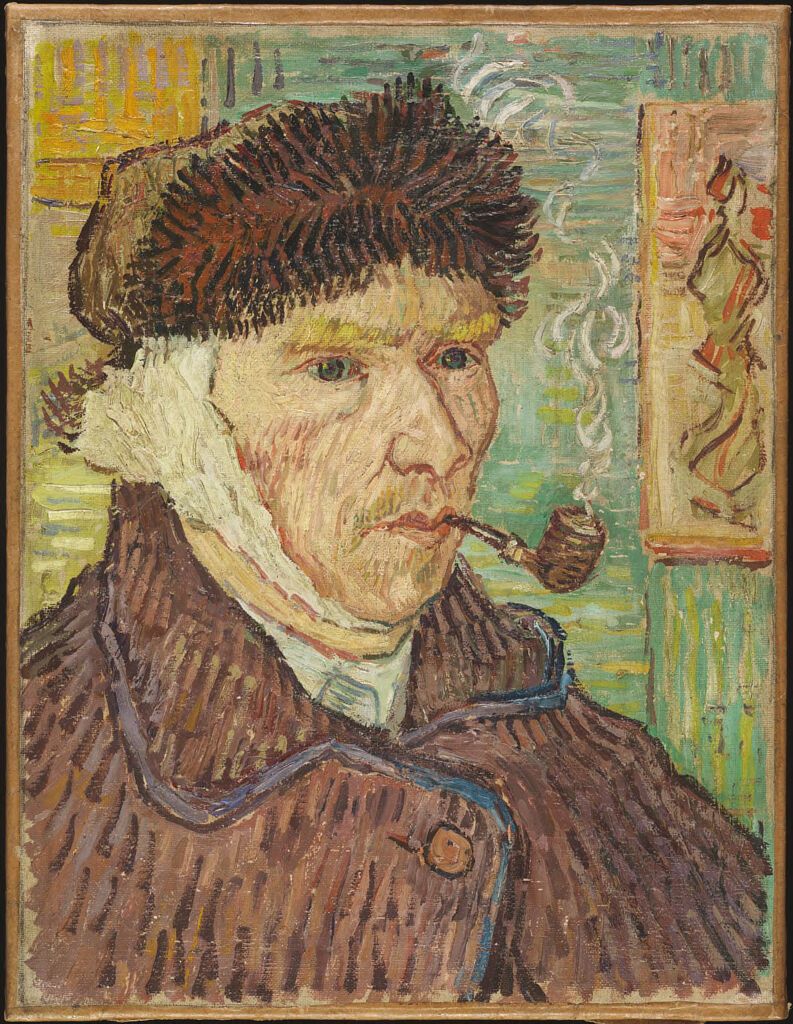
Self-portrait with a Bandaged Ear and Pipe
Unidentified artist

Feast in the House of Levi
Unidentified artist
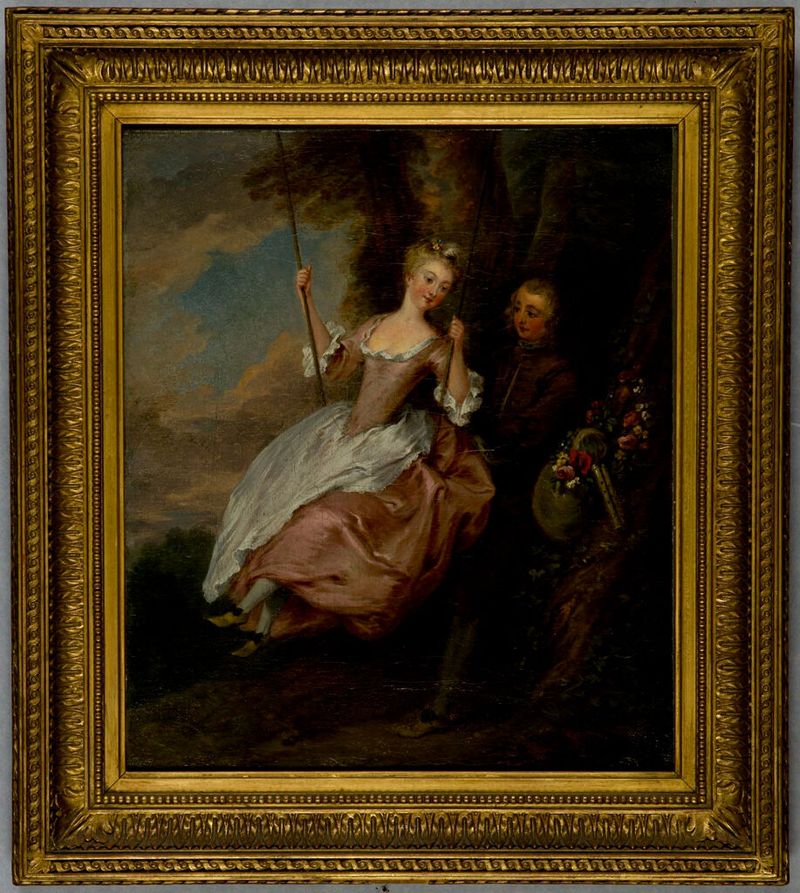
The Swing
Unidentified artist

Geoffrey Chaucer (1340?-1400)
Unidentified artist

Portrait of Michelangelo after the "Strozzi" original in the Uffizi Gallery
Unidentified artist
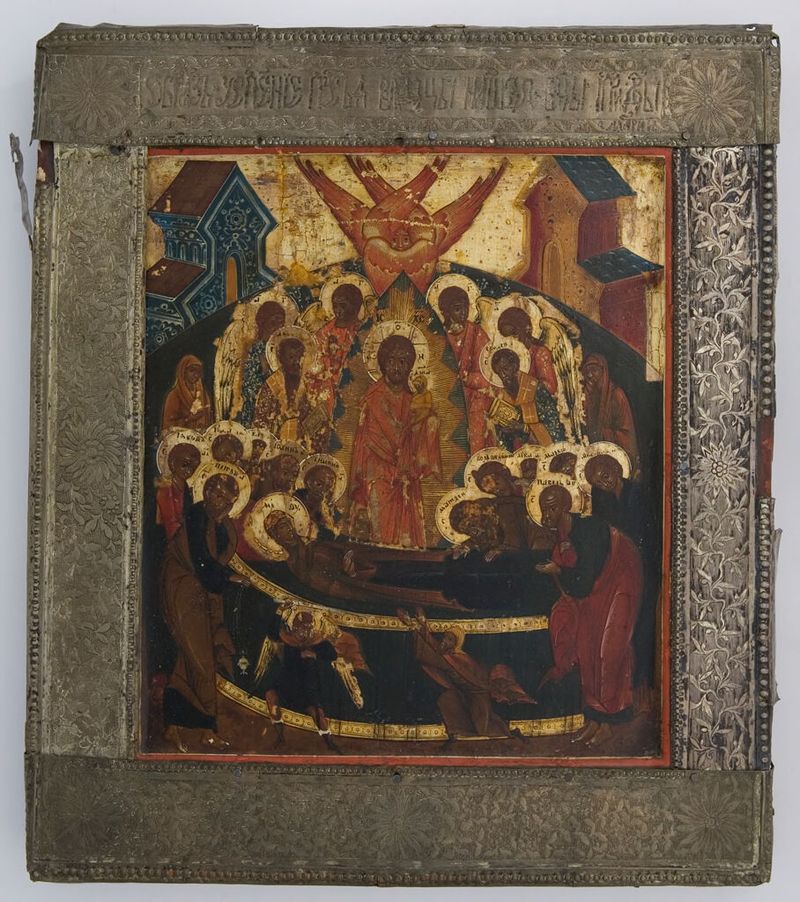
Dormition of the Virgin
Unidentified artist

Charles I (after a van Dyck painting in the Staatliche Museen, Gemaldegalerie, Dresden)
Unidentified artist

Madonna and Child
Unidentified artist

John Winthrop, the Younger (1606-1676)
Unidentified artist

Crucifix with the Virgin and Saint John the Evangelist, Christ the Redeemer, and a Praying Woman
Unidentified artist
More Religious Art
Browse all →
The Return of the Prodigal Son
Rembrandt van Rijn

The Garden of Earthly Delights
El Bosco

Count Orgaz’ funeral
El Greco

The Hundred Guilder Print: the central piece with Christ preaching, the plate arched
Rembrandt van Rijn

The Descent from the Cross
Rogier van der Weyden

The return of the prodigal son
Rembrandt van Rijn