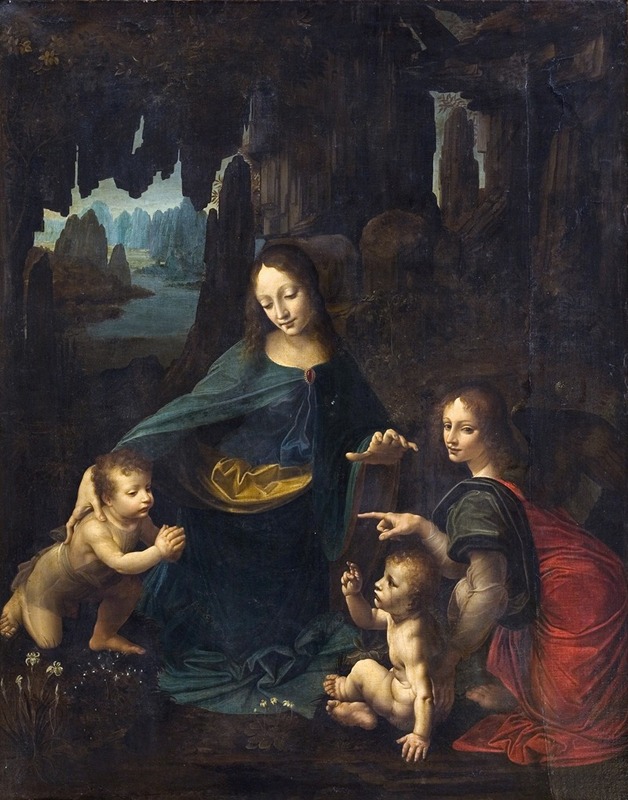
Discover insights about this artwork
Saint Bartholomew — History & Facts
In Saint Bartholomew, Rembrandt van Rijn presents a striking figure of the apostle Bartholomew. The painting features rich, dark colors, with deep browns and golds dominating the palette. Bartholomew is depicted holding a knife, a symbol of his martyrdom, while his expression conveys a sense of solemnity and introspection.
The background is muted, allowing the figure to stand out dramatically. This artwork is executed in oil on canvas, a medium that allows for the depth and richness of color that Rembrandt is known for. The dimensions are approximately 90 x 120 cm, making it a sizable piece that commands attention. The use of chiaroscuro is evident, highlighting the contours of Bartholomew's face and clothing.
The brushwork is detailed yet fluid, characteristic of Rembrandt's style during the Dutch Golden Age. Rembrandt van Rijn was a prominent figure in the Dutch Golden Age, known for his innovative use of light and shadow. Saint Bartholomew is notable for its psychological depth, showcasing the artist's ability to convey emotion through facial expression and posture. An interesting fact about this work is that it reflects Rembrandt's interest in biblical themes and his exploration of human experience.
This painting is part of the collection at the Rijksmuseum, further solidifying its significance in art history.
More Artworks by Rembrandt van Rijn
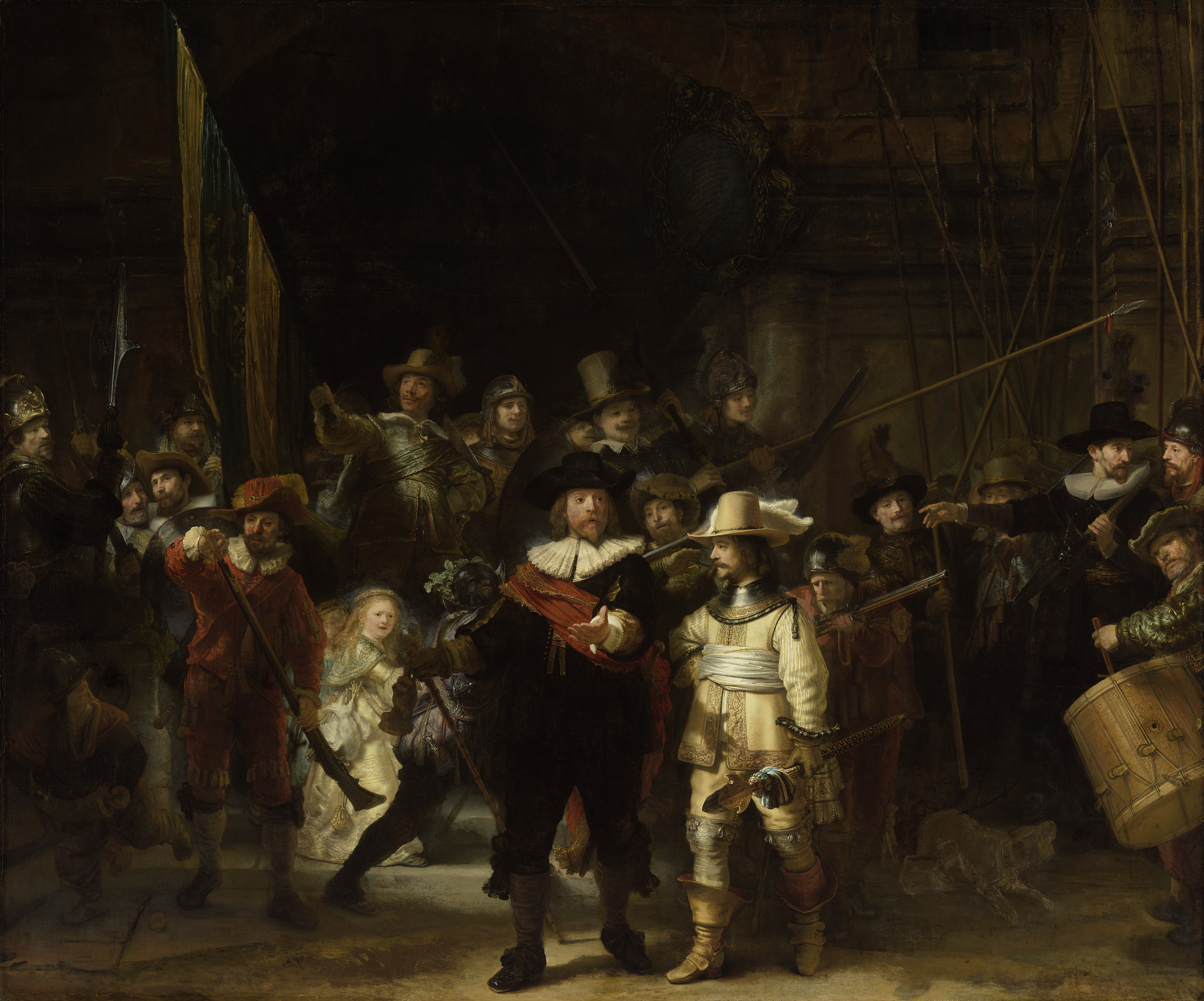
The Night Watch Militia Company of District II under the Command of Captain Frans Banninck Cocq
Rembrandt van Rijn
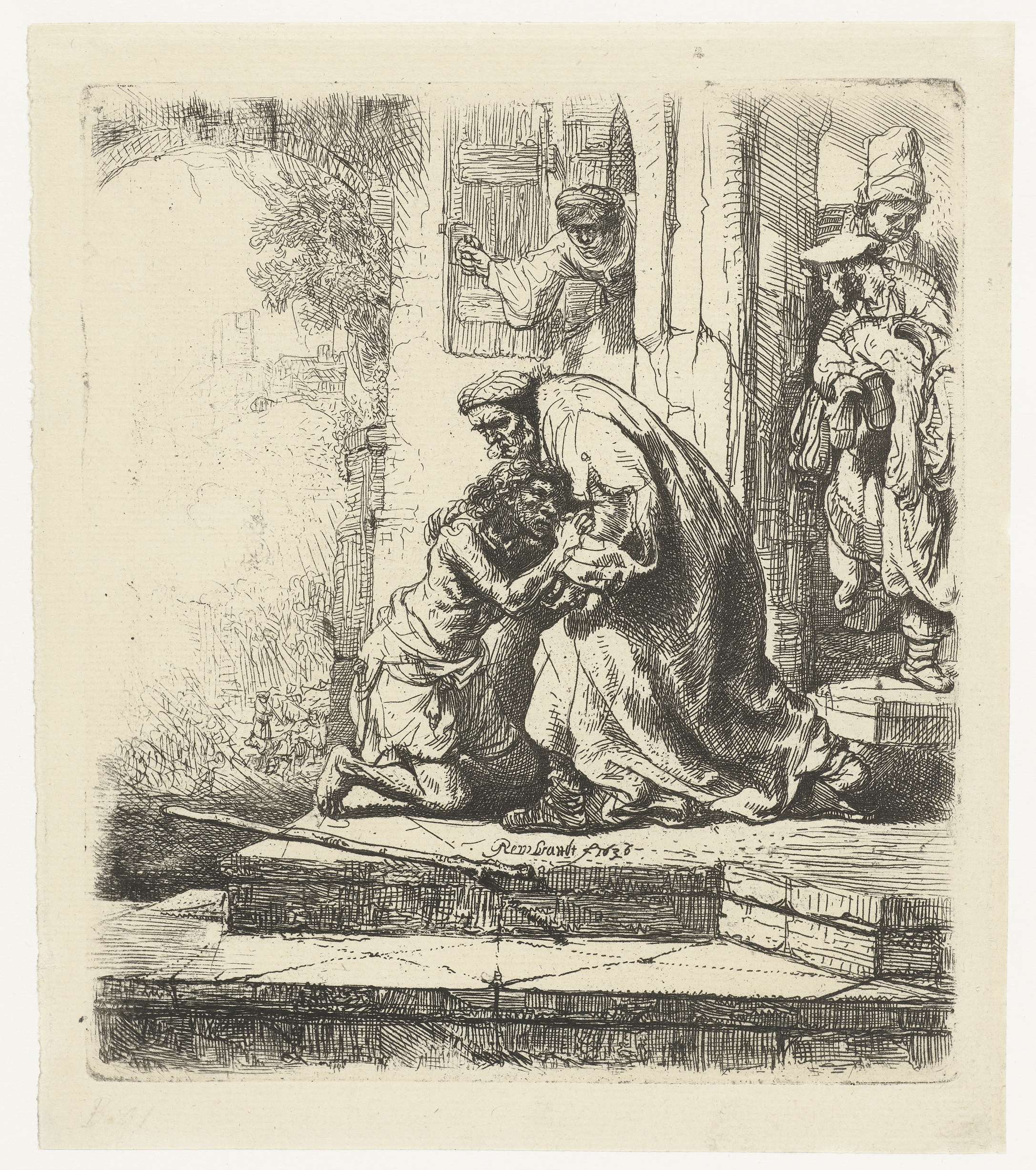
The Return of the Prodigal Son
Rembrandt van Rijn
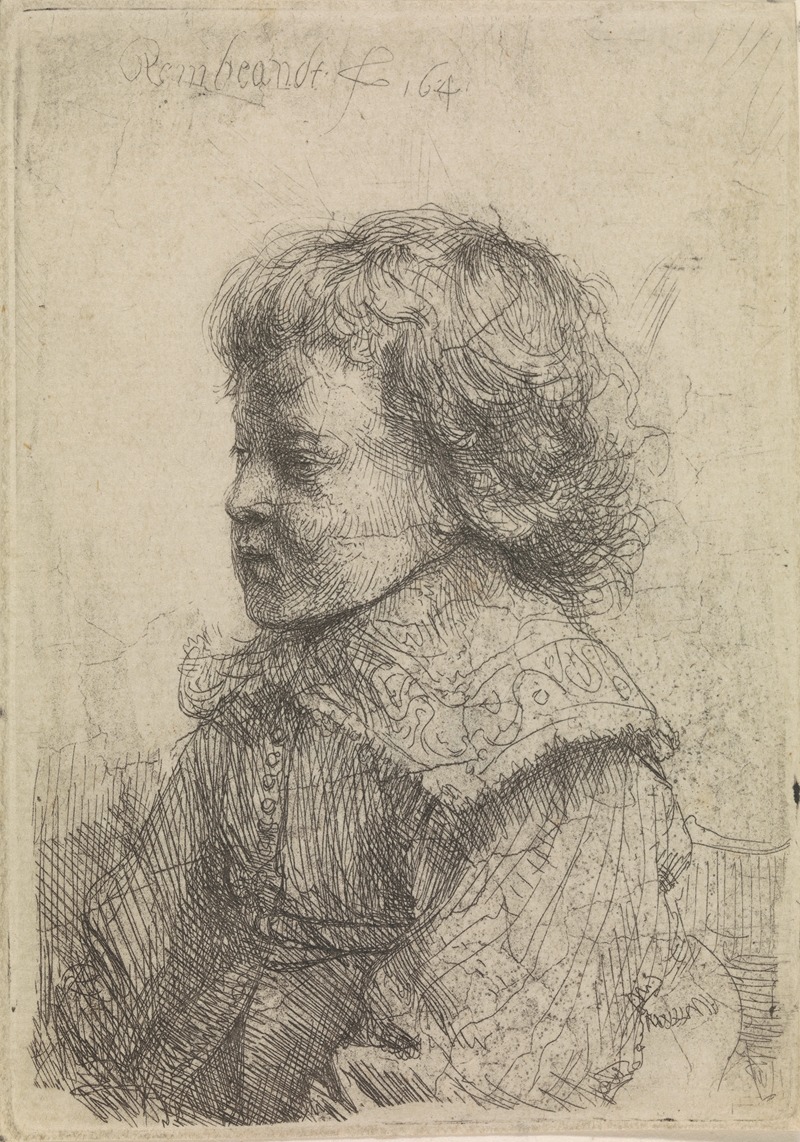
Portrait of a boy in profile
Rembrandt van Rijn
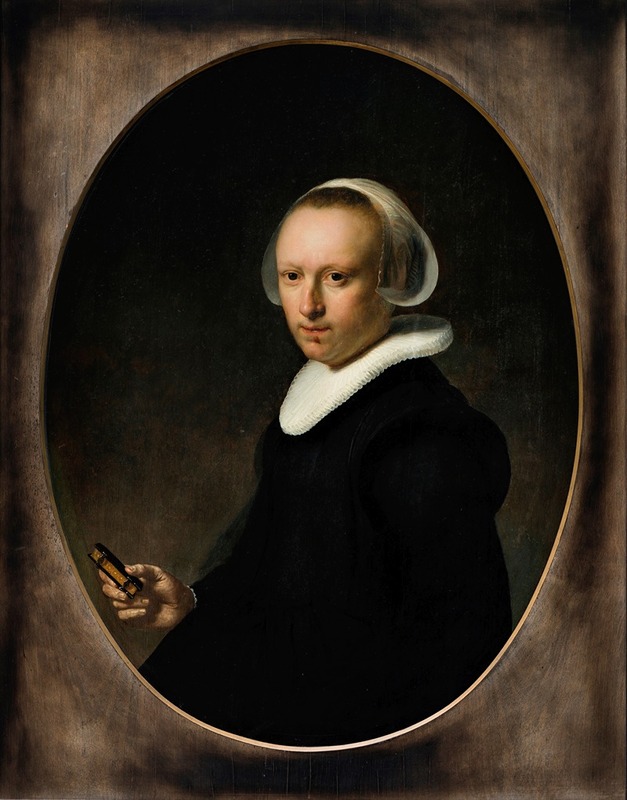
Portrait of a 39-year-old Woman
Rembrandt van Rijn
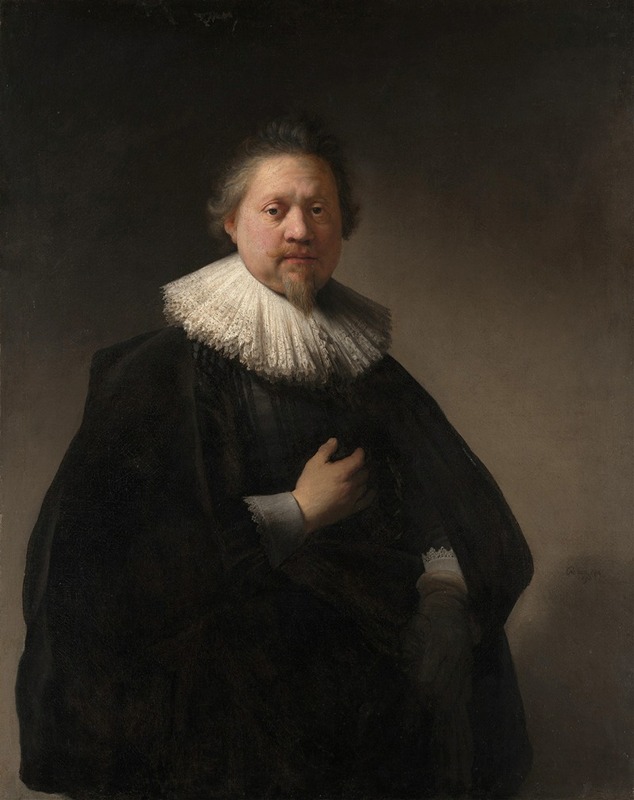
Portrait of a Man
Rembrandt van Rijn
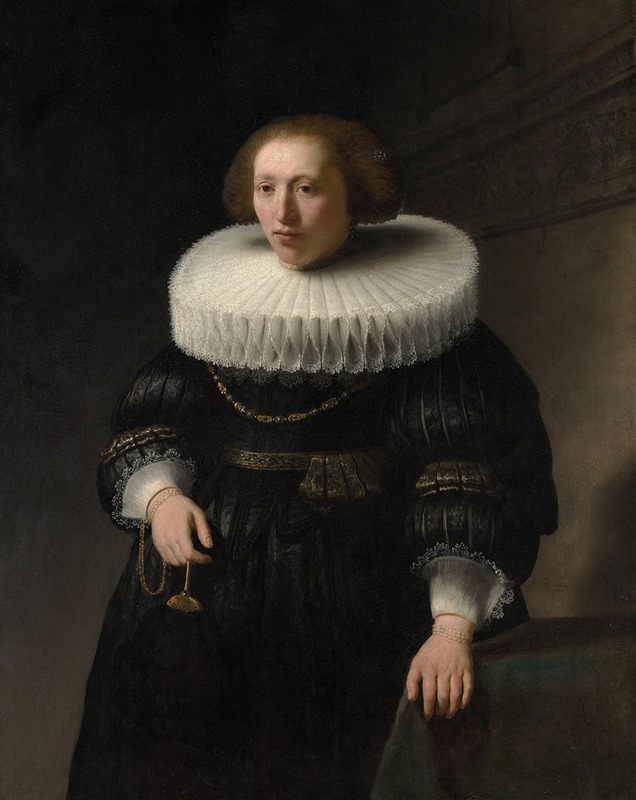
Portrait of a Woman
Rembrandt van Rijn
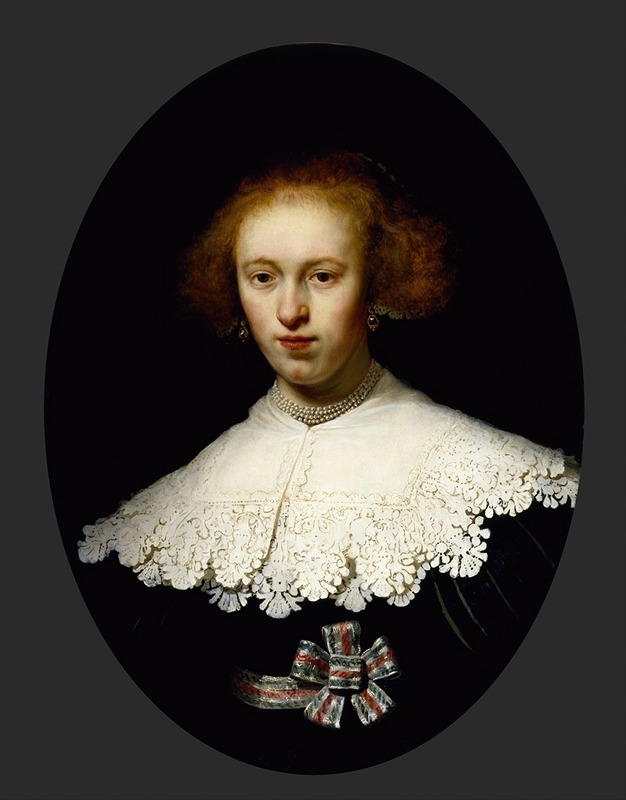
Portrait of a Young Woman
Rembrandt van Rijn
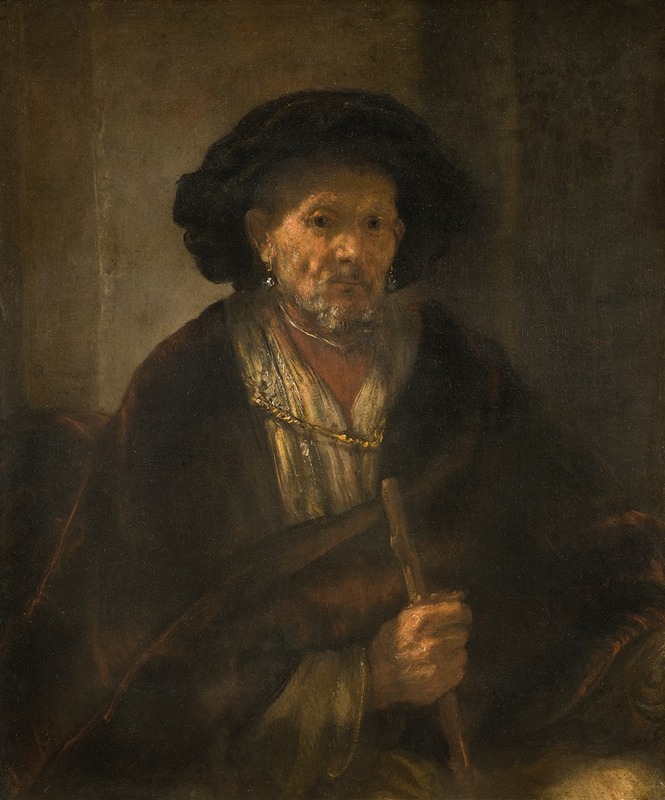
Portrait of an Old Man
Rembrandt van Rijn
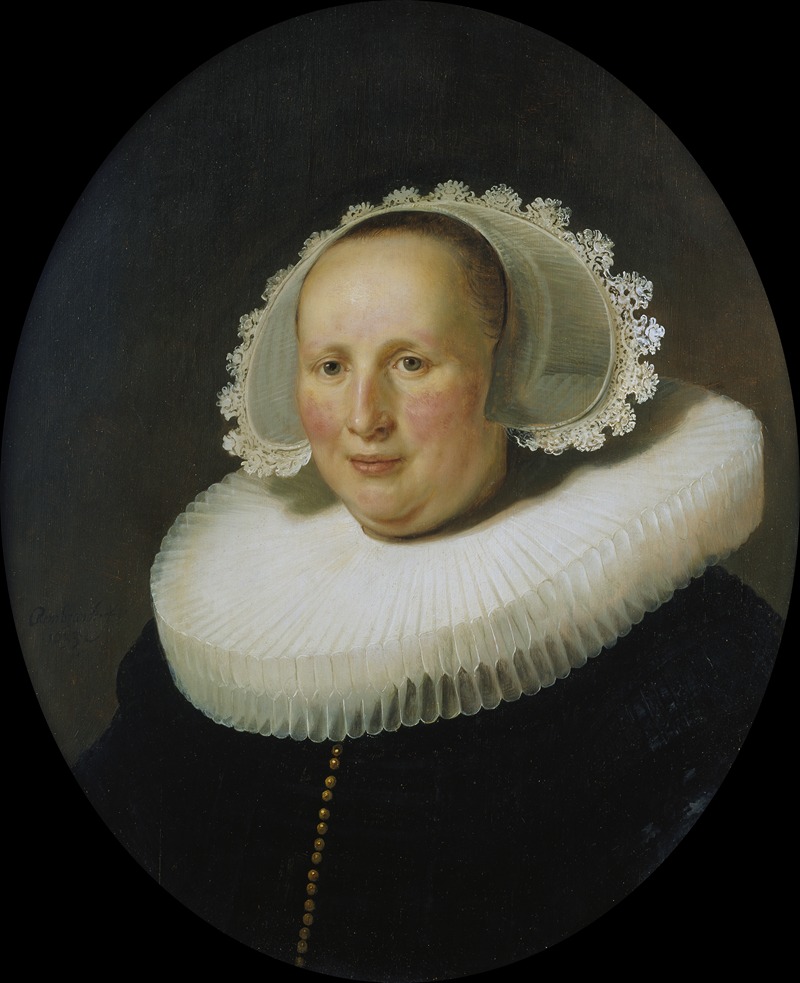
Portrait of Maertgen van Bilderbeecq
Rembrandt van Rijn
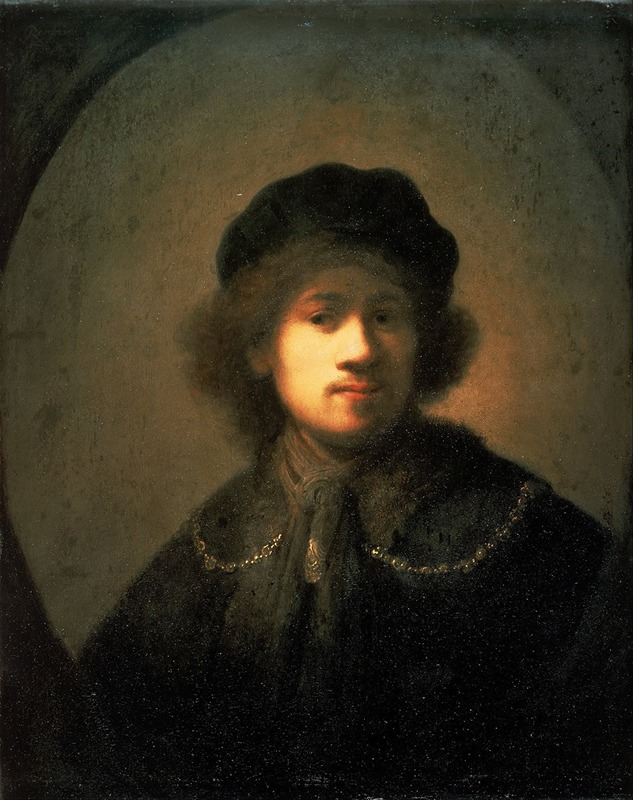
Portrait of the Artist as a Young Man
Rembrandt van Rijn