Saint Christopher — History & Facts
When Titian painted Saint Christopher in 1523, he was at the height of his fame, working for the powerful Doge of Venice and the city’s elite. What makes this painting especially fascinating is that it was created as part of a grand decorative scheme for the Scuola del Santo in Padua, a site that drew pilgrims from across Europe. The work once stood alongside other monumental canvases, forming a visual narrative that greeted visitors with stories of faith and endurance.
Over the centuries, the painting became a touchstone for Venetian devotion and artistic innovation, admired for its scale and the energy of its execution. At the heart of the scene, the giant Christopher strides through a rushing river, a child perched on his broad shoulder. According to legend, Christopher had vowed to serve the mightiest king, only to discover that true power lay in carrying Christ himself. In Titian’s hands, the saint’s muscles strain, his staff bends, and the child—radiant, impossibly serene—raises a hand in blessing.
The turbulent water, the play of light on flesh and fabric, the deep Venetian sky: all these details heighten the sense of weight and miracle. Unlike the delicate, almost ethereal Saint Christopher by Hans Memling, Titian gives us a figure rooted in the physical world, emphasizing the burden and the blessing together. The painting’s physical journey is less well documented than its spiritual impact. While we know it was commissioned for a religious confraternity, the specifics of its early history remain uncertain, and the original medium is still debated among scholars.
Over time, Saint Christopher has been moved, restored, and studied, surviving periods of neglect and changing tastes. Today, it stands as a testament to Titian’s ability to merge narrative drama with the physicality of paint, marking a pivotal moment in his early maturity and in the visual culture of Renaissance Venice.
More Artworks by Titian
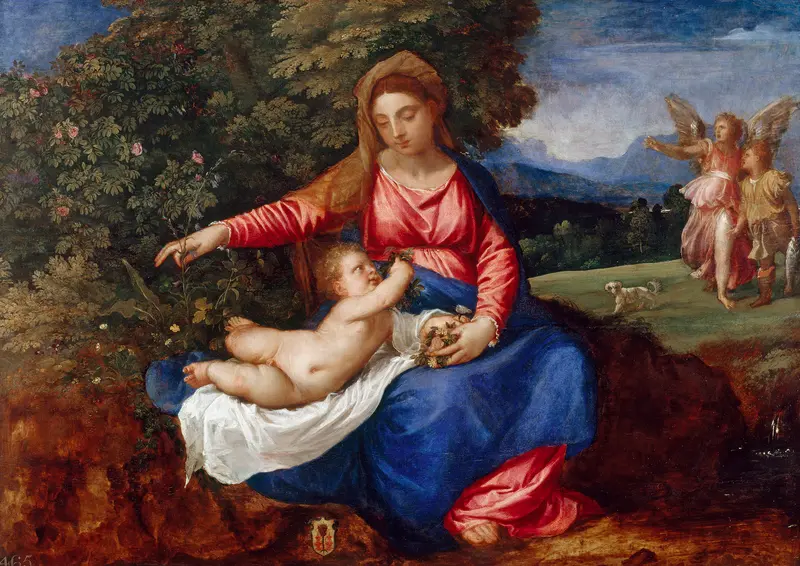
Madonna and Child in a Landscape with Tobias and the Angel
Titian
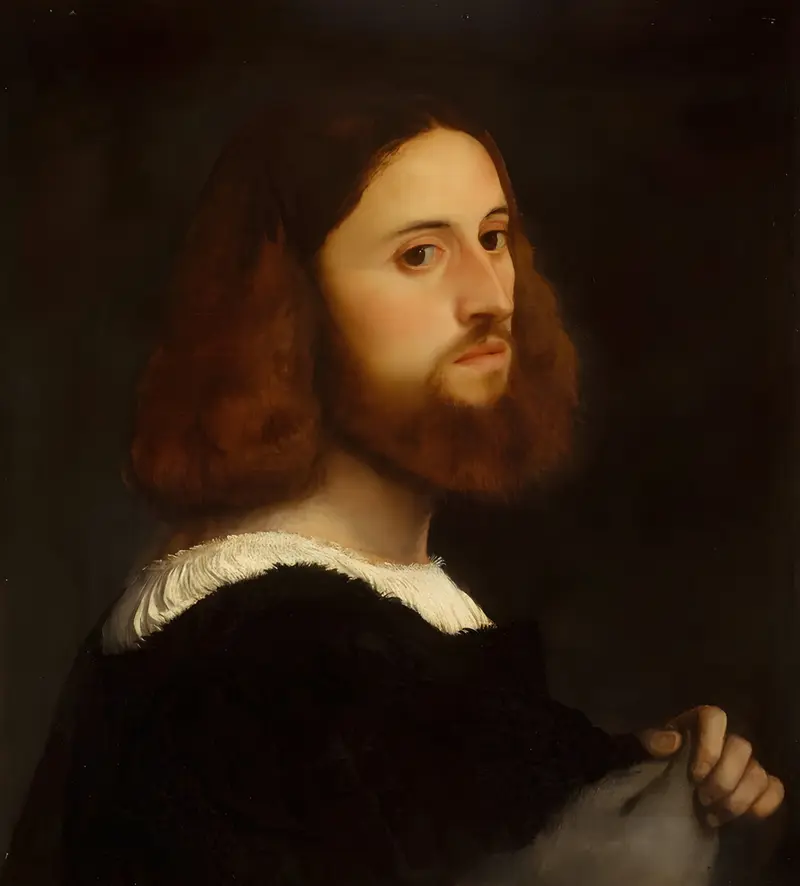
Portrait of a Man
Titian
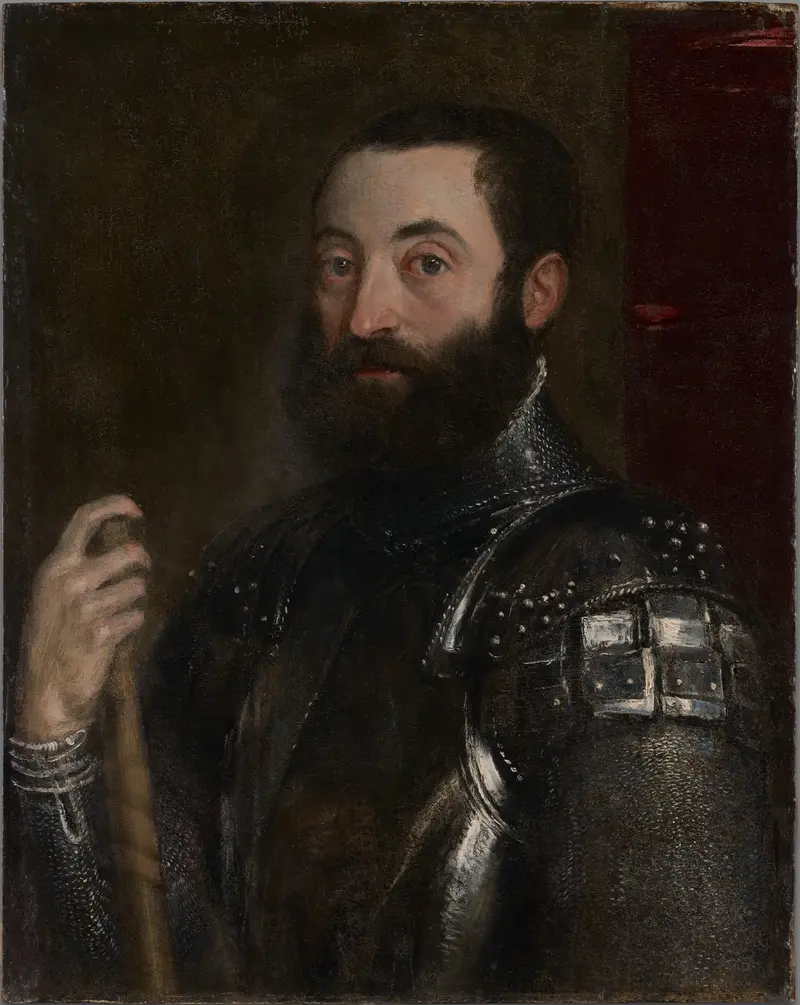
Portrait of Guidobaldo II della Rovere, Duke of Urbino
Titian
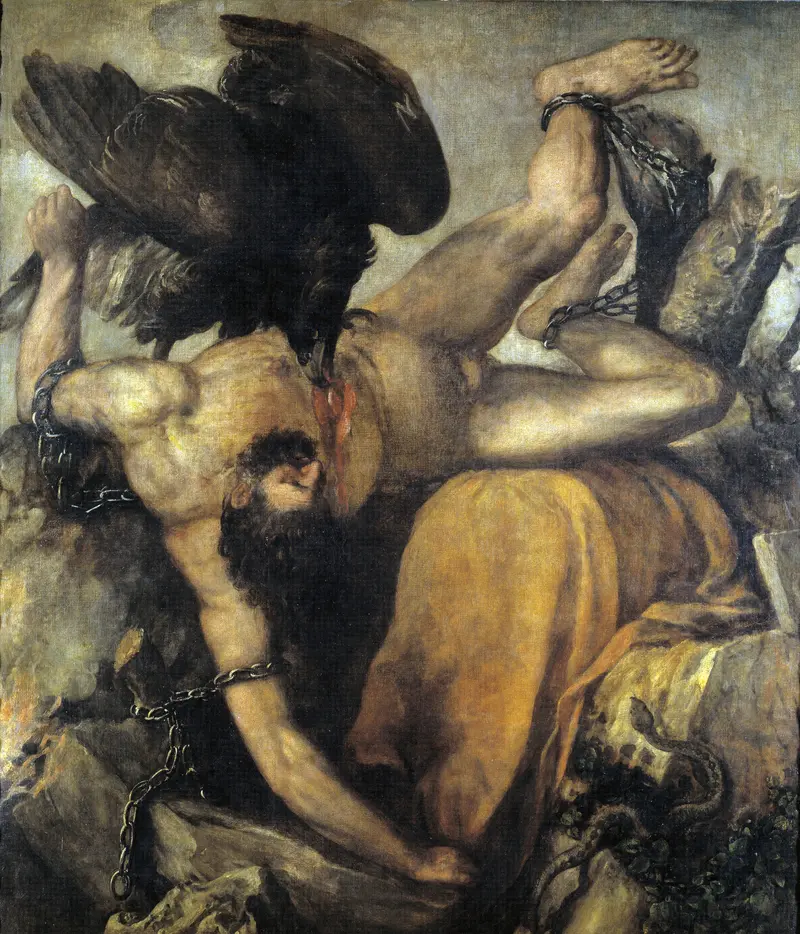
Tityus
Titian
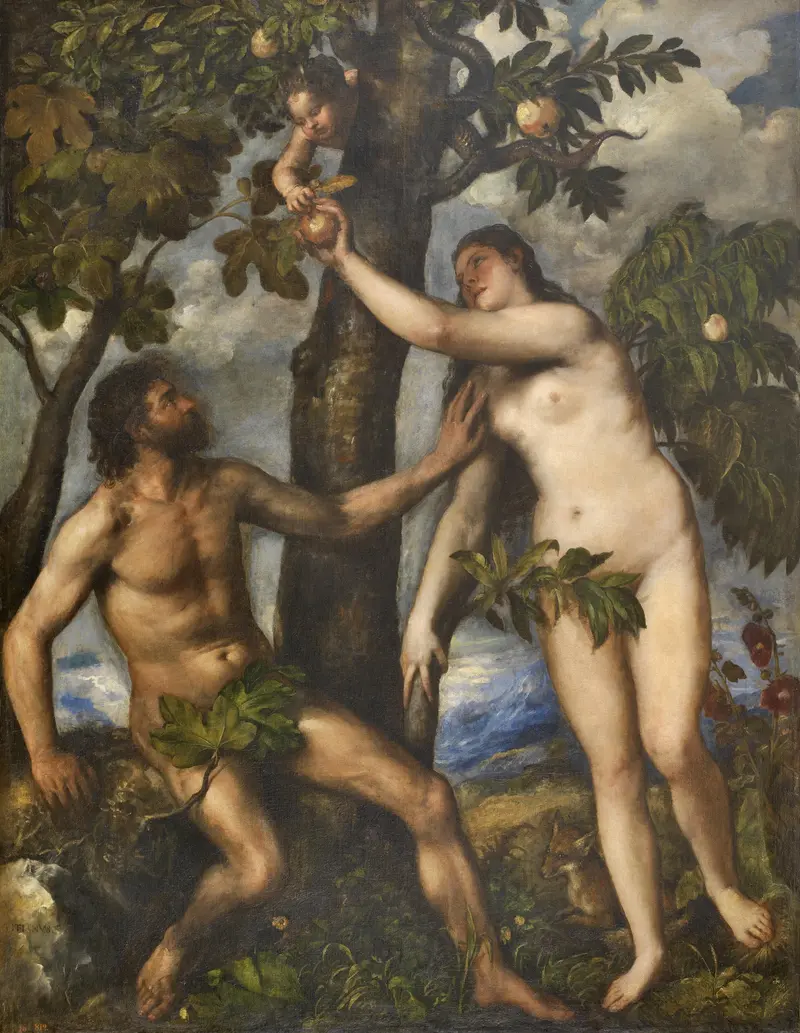
The Fall of Man
Titian
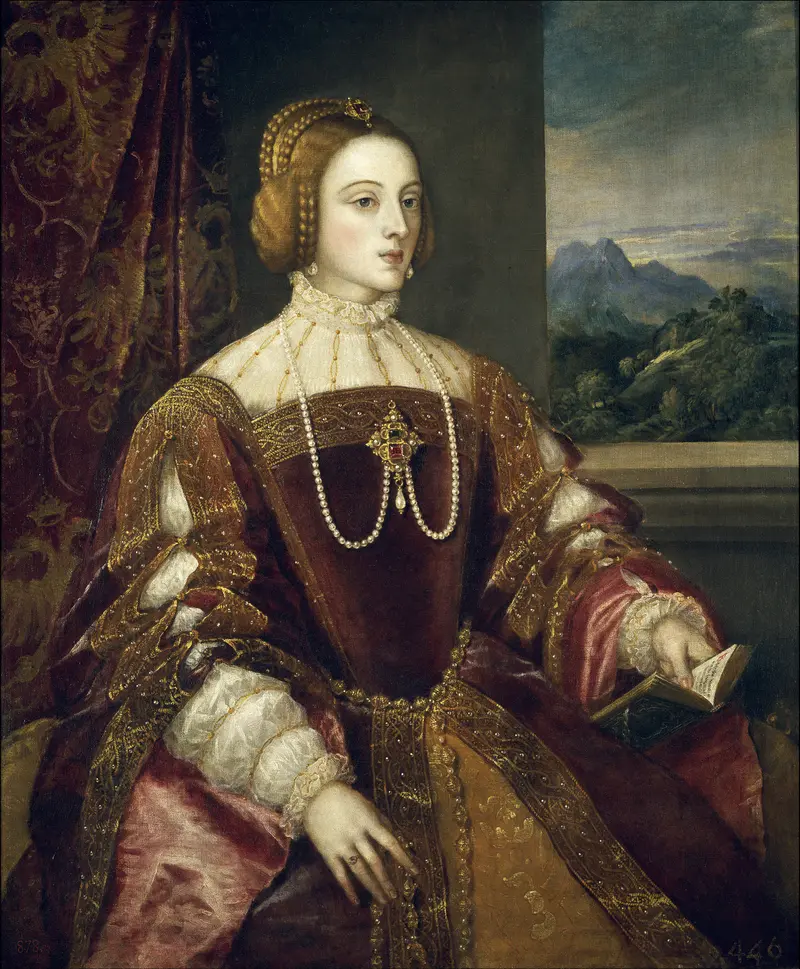
Portrait of Isabella of Portugal
Titian
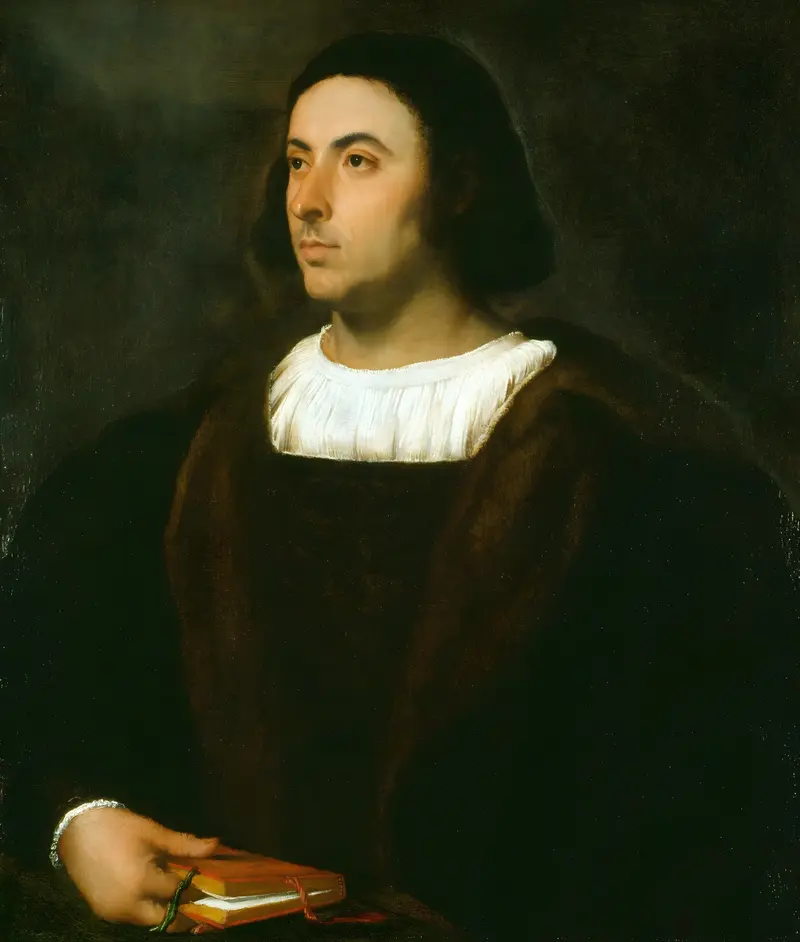
Portrait of Jacopo Sannazaro
Titian
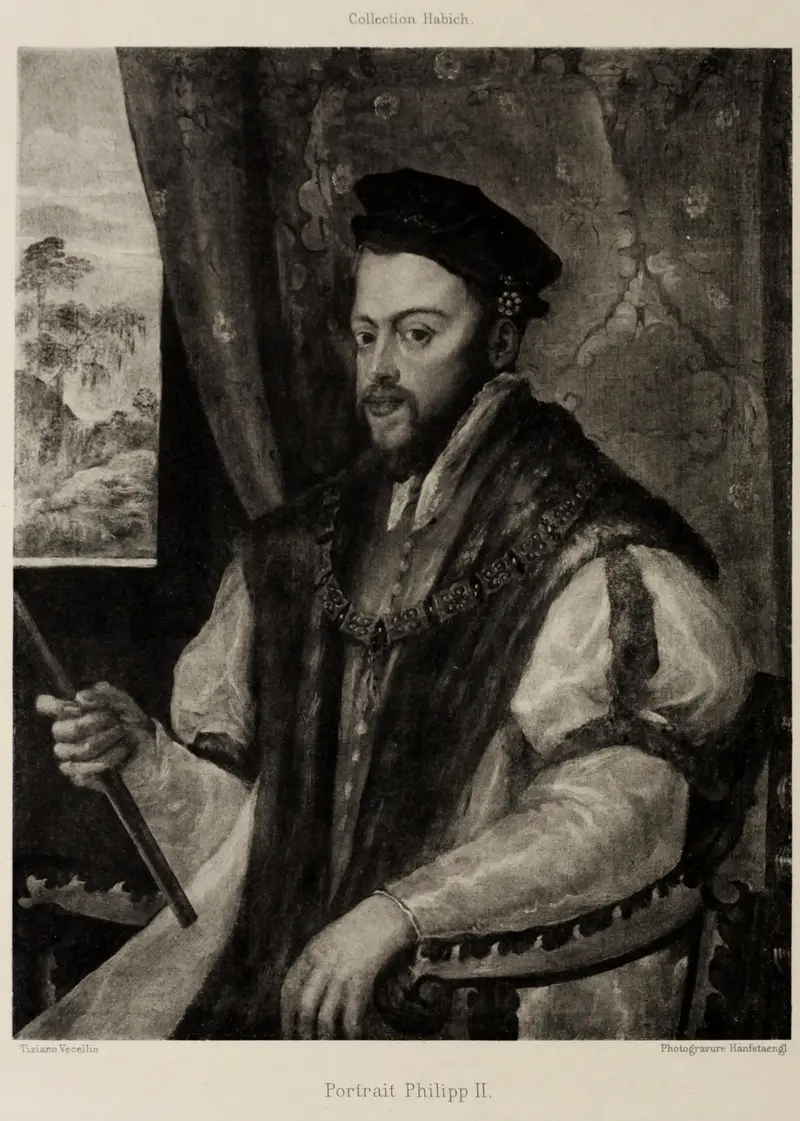
Portrait of King Philip II of Spain
Titian
Portrait of Philip II of Spain
Titian
Flora
Titian