
Saint-Cirq Lapopie — History & Facts
When did color learn to lie? In the whisper of twilight, hues dance with the promise of desire, blurring the lines between reality and imagination. Look to the left at the gentle curve of the river, where water meets land. The artist employs a rich palette of earthy tones and soft pastels, creating a harmonious balance that invites the viewer into a deep embrace of the landscape. Notice how the light reflects off the water’s surface, its shimmering quality suggesting movement and life, while the clusters of vibrant trees form a protective canopy over the village nestled in the distance.
Each brushstroke feels deliberate, guiding your eyes through the serene yet complex composition. Beneath the vibrant surface lies a contrast of stillness and yearning. The tranquil village, seemingly untouched by time, evokes a sense of nostalgia, yet the vividness of the colors pulses with a hidden longing for connection. The harmonious blend of light and shadow speaks to the interplay between man and nature, suggesting an unfulfilled desire that lingers just beyond the frame.
Each element contributes to a narrative of beauty that is both present and elusive. Henri Martin painted Saint-Cirq Lapopie in 1926, during a period when he was deeply influenced by the post-impressionist movement. Living in France, he sought to capture the essence of landscapes through a unique approach to color and light. At this time, he was experimenting with Neo-Impressionist techniques, contributing to the evolution of modern art as he navigated personal and societal changes following World War I.
More Artworks by Henri Martin
Browse all →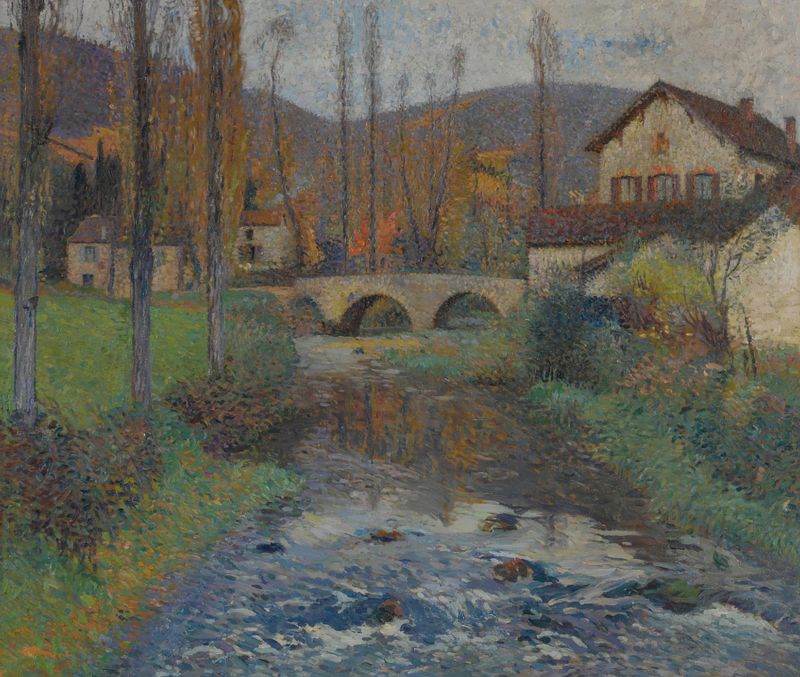
Le Pont du Labastide-du-Vert
Henri Martin

Le Pont de Labastide du Vert
Henri Martin

La Vallée Du Lot, Près De Saint-Cirq Lapopie
Henri Martin

Derniers Rayons, Une Ferme Dans Le Lot
Henri Martin

Vue de Labastide-du-Vert
Henri Martin
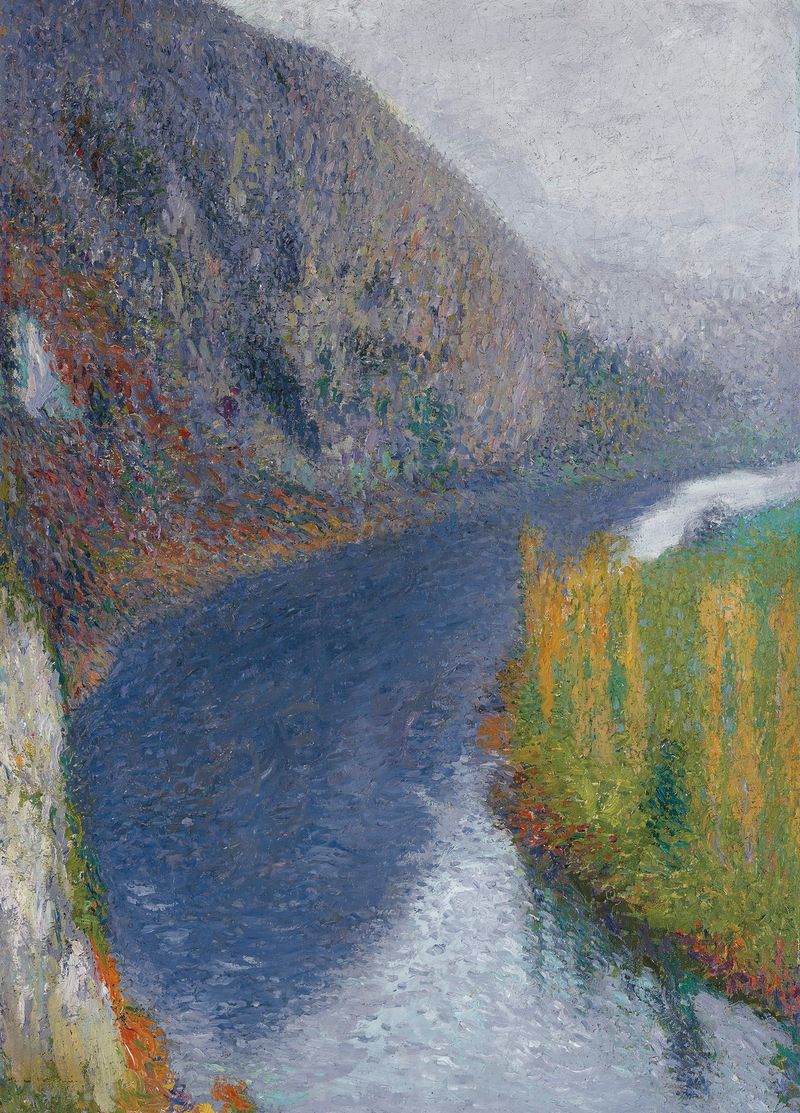
Le Lot au pied des falaises de St-Cirq-Lapopie
Henri Martin

Le lot aux pieds des falaises de Saint-Cirq-Lapopie
Henri Martin

L’église de Labastide-du-Vert avec le pont et la rivère, un soir d’automne
Henri Martin

Berger et ses moutons dans les causses
Henri Martin
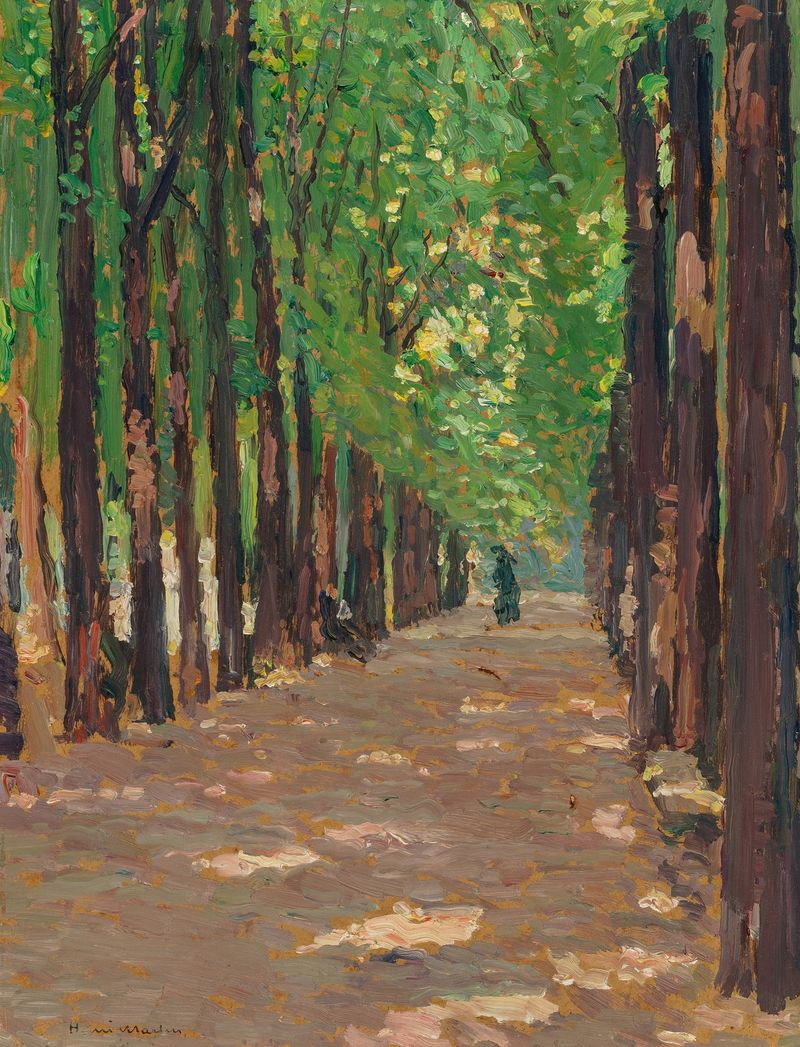
Une allée dans le Parc du Château de Versailles
Henri Martin





