
Saint Friday — History & Facts
What if beauty was never meant to be finished? This poignant question lingers in the air as one gazes upon the haunting figure at the center of this artwork, embodying the sorrow of loss and the weight of farewell. Focus on the figure’s somber countenance, where the eyes, filled with a quiet melancholy, draw you into their depths. Notice how the muted palette of deep blues and greys wraps around the body like a shroud, while the delicate strokes of gold highlight the contours of the face, evoking an ethereal glow against the darkness. The composition is a study in contrasts, as the figure stands resolutely against an ambiguous background, suggesting an emotional landscape that teeters between the sacred and the mournful. The underlying tension in this piece reveals layers of grief interwoven with a sense of transcendence.
Subtle details, such as the faint halo that rests above the figure’s head, speak to the duality of mourning and sanctity. The delicate folds of the garments suggest a protective embrace, while the slender fingers seem to reach outwards, as if grasping for something lost. This interplay captures the essence of the human experience—beauty intertwined with sorrow, a haunting reminder of fragility in life. Created between 1530 and 1550, this work emanates from a time steeped in religious fervor and personal reflection.
The artist, whose identity remains a mystery, navigated an era marked by both spiritual upheaval and artistic innovation in Europe. The quest for meaning amid the chaos of the Reformation likely shaped the emotional depth found in this depiction, amplifying the resonance of grief that transcends time.
More Artworks by Unidentified artist
Browse all →
Self-portrait with a Bandaged Ear and Pipe
Unidentified artist

Feast in the House of Levi
Unidentified artist
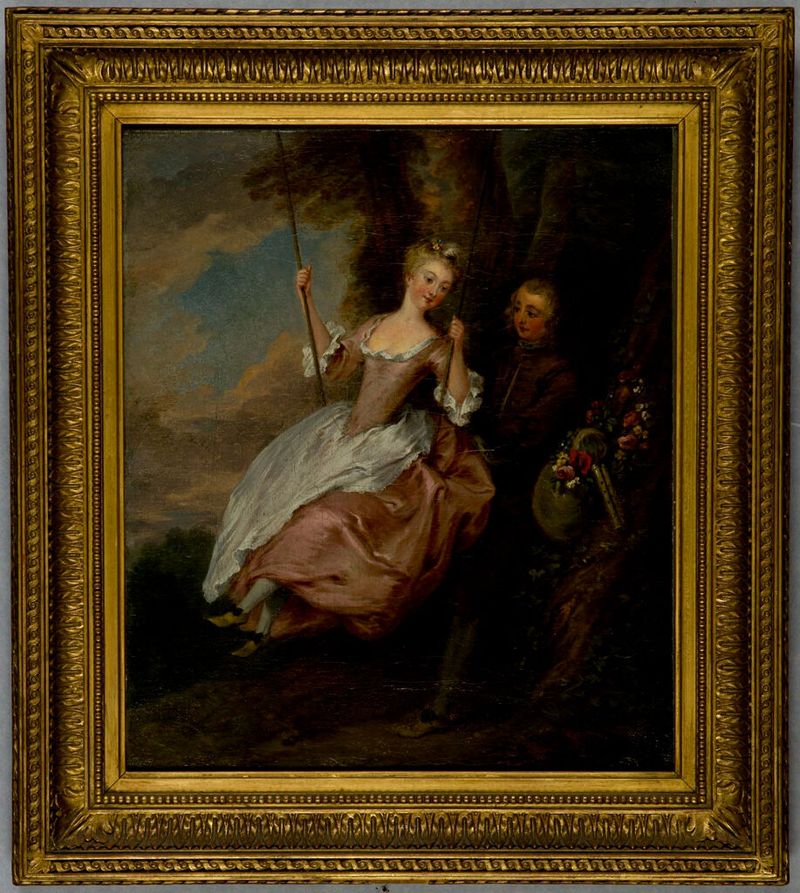
The Swing
Unidentified artist

Geoffrey Chaucer (1340?-1400)
Unidentified artist

Portrait of Michelangelo after the "Strozzi" original in the Uffizi Gallery
Unidentified artist
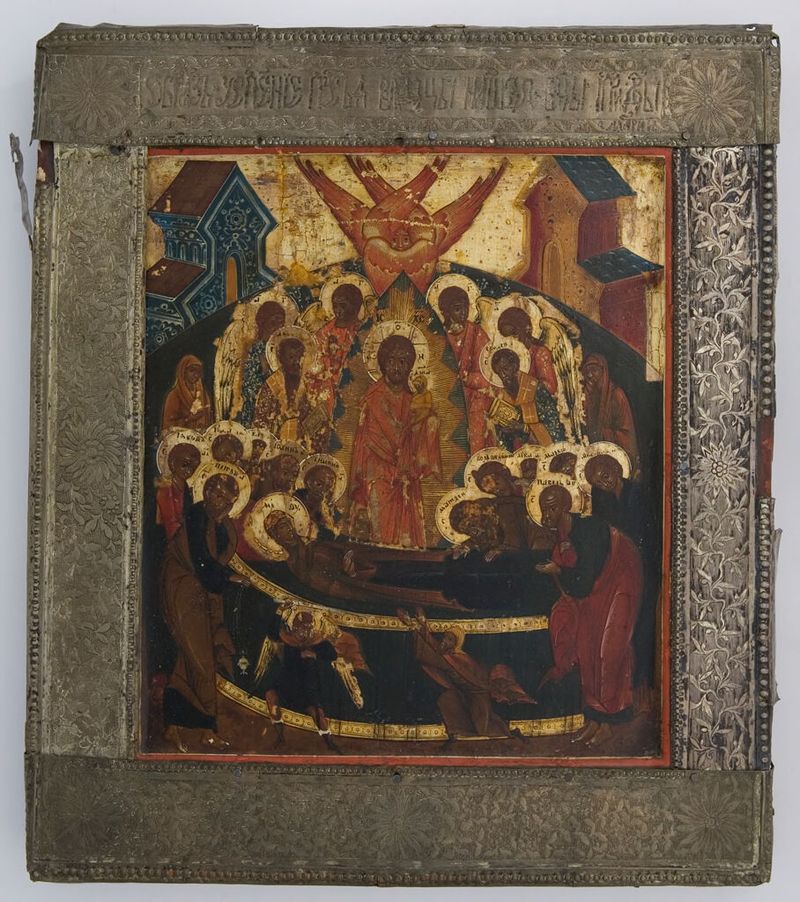
Dormition of the Virgin
Unidentified artist

Charles I (after a van Dyck painting in the Staatliche Museen, Gemaldegalerie, Dresden)
Unidentified artist

Madonna and Child
Unidentified artist

John Winthrop, the Younger (1606-1676)
Unidentified artist

Crucifix with the Virgin and Saint John the Evangelist, Christ the Redeemer, and a Praying Woman
Unidentified artist
More Religious Art
Browse all →
The Return of the Prodigal Son
Rembrandt van Rijn

The Garden of Earthly Delights
El Bosco

Count Orgaz’ funeral
El Greco

The Hundred Guilder Print: the central piece with Christ preaching, the plate arched
Rembrandt van Rijn

The Descent from the Cross
Rogier van der Weyden

The return of the prodigal son
Rembrandt van Rijn