
Saint John The Baptist — History & Facts
Within its painted surface, the essence of creation pulses quietly, inviting the viewer to explore the depths of its mystery and intention. Here, a figure emerges, both timeless and ephemeral, embodying the intricate dance between existence and artistry. Look to the left, where the figure of Saint John the Baptist stands poised, his gaze piercing yet contemplative. The artist captures the subtle interplay of light and shadow across his rugged features, accentuating the texture of his weathered skin and the roughness of his garments.
Rich earth tones dominate the palette, grounding the work in a sense of naturalism while the ethereal highlights draw the eye to the saint's outstretched hand, poised in a gesture that beckons the viewer closer. Delve deeper into the symbolism woven into this piece—notice the wild honeycomb in John’s grasp, a metaphor for nourishment and enlightenment, embodying the sweetness of divine revelation amidst the harshness of wilderness. His unkempt hair, flowing like a river, symbolizes a life surrendered to a higher purpose, while the stark contrast between his rugged appearance and the serene background hints at the tension between the physical and the spiritual realms. Each brushstroke encapsulates a moment of profound stillness, evoking themes of solitude and sacrifice. This work, produced in the 18th century by an unidentified artist, reflects a complex interplay in the world of religious art, where the Baroque style still lingered, imbued with an emotional urgency that resonated with viewers.
During this period, artists grappled with the tension between tradition and emerging new styles, seeking to convey deeper spiritual truths through their creations. The anonymity of the artist invites further exploration of the collective pursuit of faith, identity, and artistic legacy within the era.
More Artworks by Unidentified artist
Browse all →
Self-portrait with a Bandaged Ear and Pipe
Unidentified artist

Feast in the House of Levi
Unidentified artist
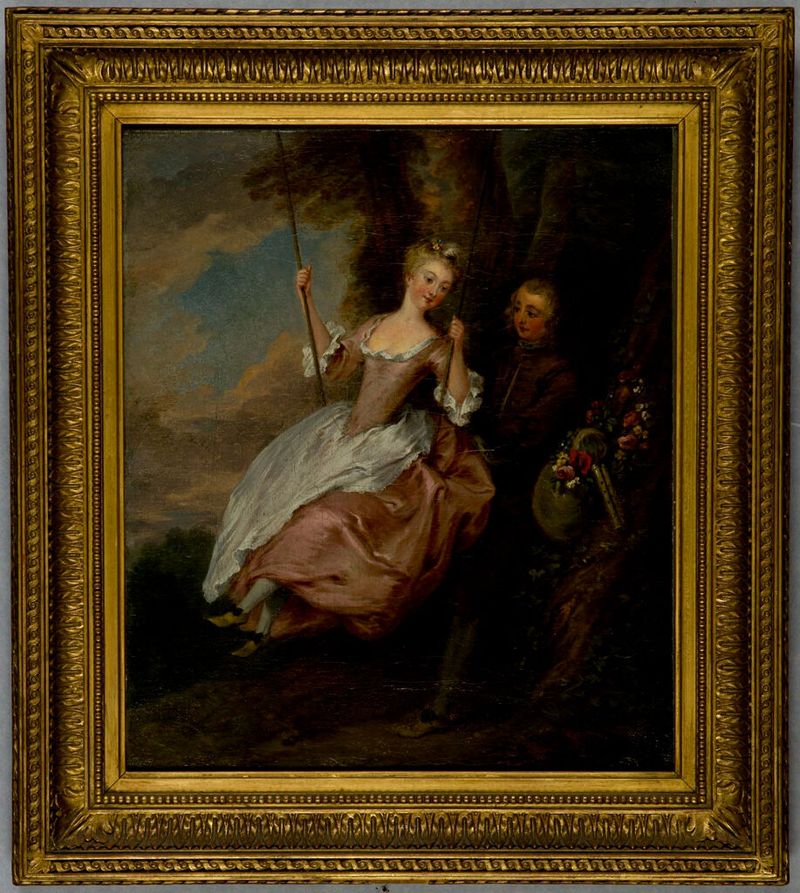
The Swing
Unidentified artist

Geoffrey Chaucer (1340?-1400)
Unidentified artist

Portrait of Michelangelo after the "Strozzi" original in the Uffizi Gallery
Unidentified artist
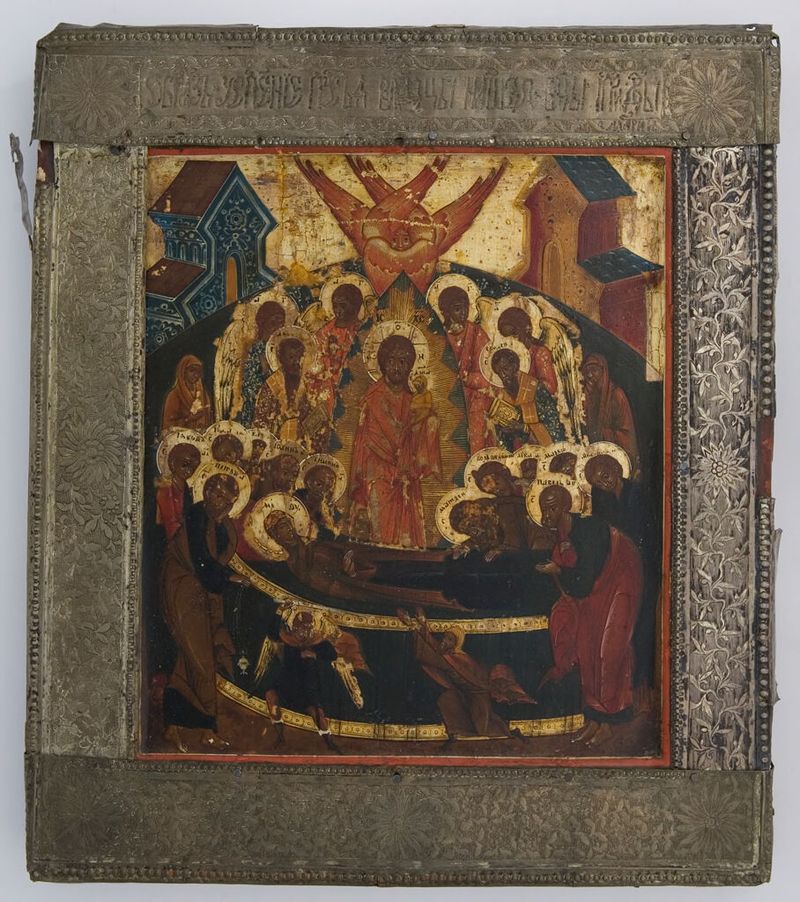
Dormition of the Virgin
Unidentified artist

Charles I (after a van Dyck painting in the Staatliche Museen, Gemaldegalerie, Dresden)
Unidentified artist

Madonna and Child
Unidentified artist

John Winthrop, the Younger (1606-1676)
Unidentified artist

Crucifix with the Virgin and Saint John the Evangelist, Christ the Redeemer, and a Praying Woman
Unidentified artist
More Religious Art
Browse all →
The Return of the Prodigal Son
Rembrandt van Rijn

The Garden of Earthly Delights
El Bosco

Count Orgaz’ funeral
El Greco

The Hundred Guilder Print: the central piece with Christ preaching, the plate arched
Rembrandt van Rijn

The Descent from the Cross
Rogier van der Weyden

The return of the prodigal son
Rembrandt van Rijn