
Saint-Ouen — History & Facts
Who listens when art speaks of silence? In Saint-Ouen, the stillness reverberates with a yearning that transcends mere observation, inviting introspection. Look to the center of the canvas, where the grand architecture of the basilica towers against the sky. The artist’s deft brushwork captures the play of light filtering through stained glass, casting colorful reflections on the stone walls. Notice how the muted tones of the surrounding landscape contrast with the vibrancy of the church, emphasizing its imposing presence.
The composition draws the eye upward, as if beckoning viewers to ponder not just the physical space, but the spiritual journey encapsulated within. Hints of emotional tension lie in the juxtaposition of the serene exterior and the invisible stories within. The soft clouds drifting overhead seem to echo whispers of prayers or lost hopes, while the still water in the foreground reflects a calm surface, concealing the depths beneath. Here, the artist invites us to contemplate our own silence amidst the grandeur, revealing a longing for connection that both transcends and binds us. In the 19th century, as Félix Ziem painted Saint-Ouen, he was immersed in a rapidly changing artistic landscape.
Working in France, he was influenced by Romanticism and the early stirrings of Impressionism. This period in art saw a fascination with light and atmosphere, which deeply informed his technique, allowing him to evoke the emotional resonance of architectural forms and their environments.
More Artworks by Félix Ziem
Browse all →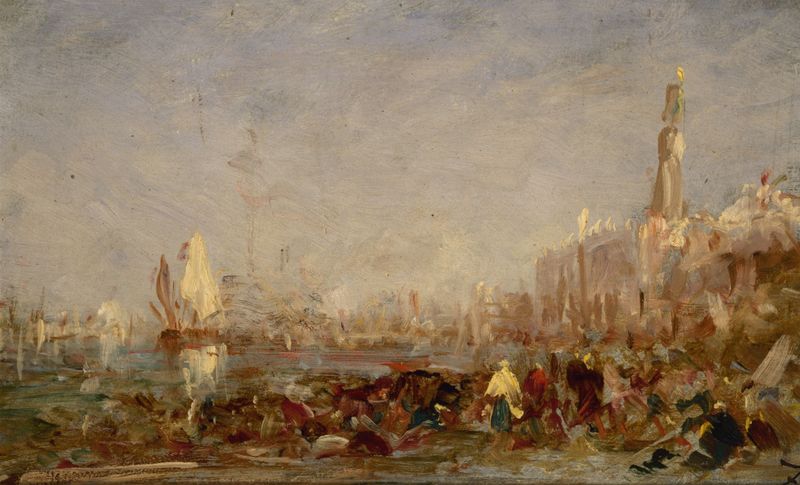
Venise
Félix Ziem
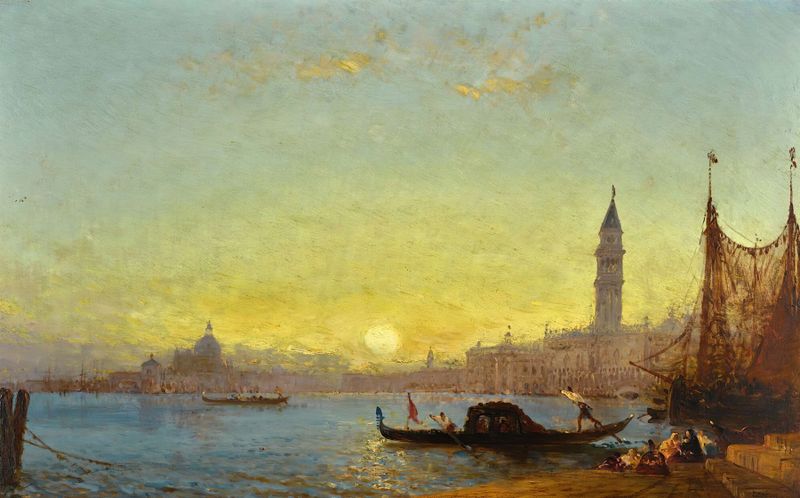
Coucher De Soleil À Venise
Félix Ziem
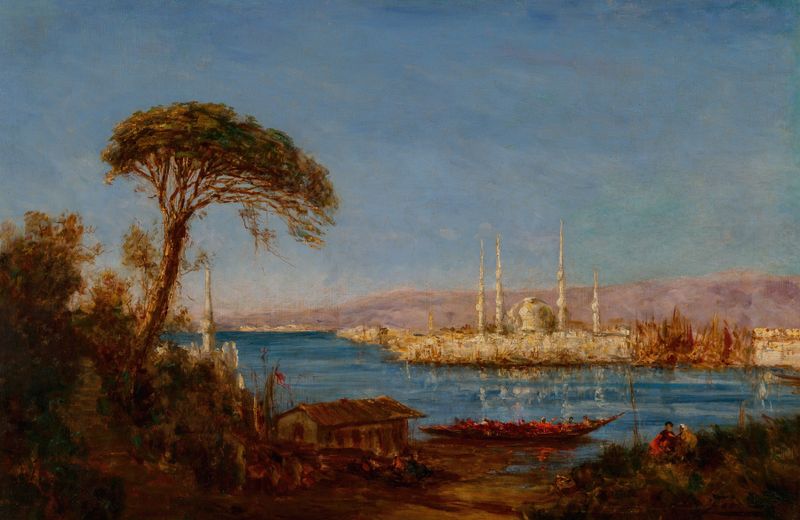
Constantinople
Félix Ziem
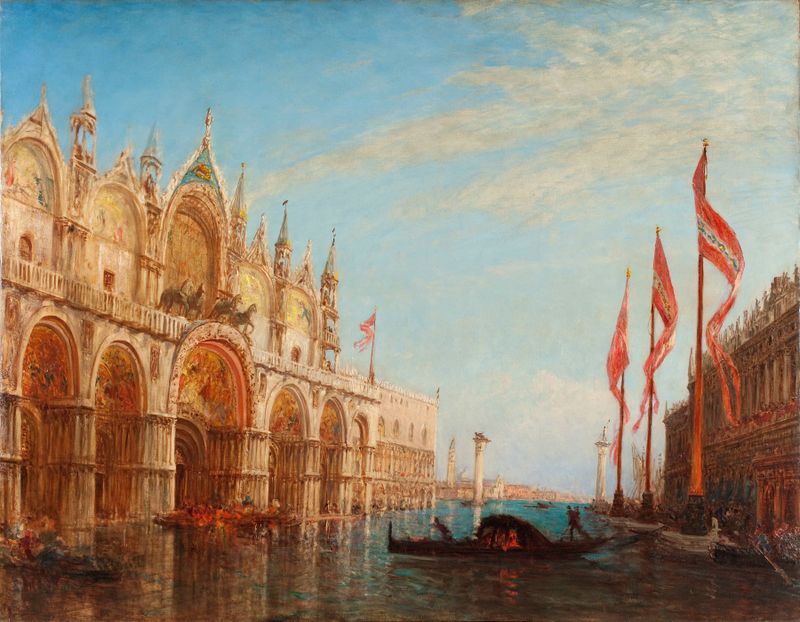
La place Saint-Marc, inondation de 1863
Félix Ziem
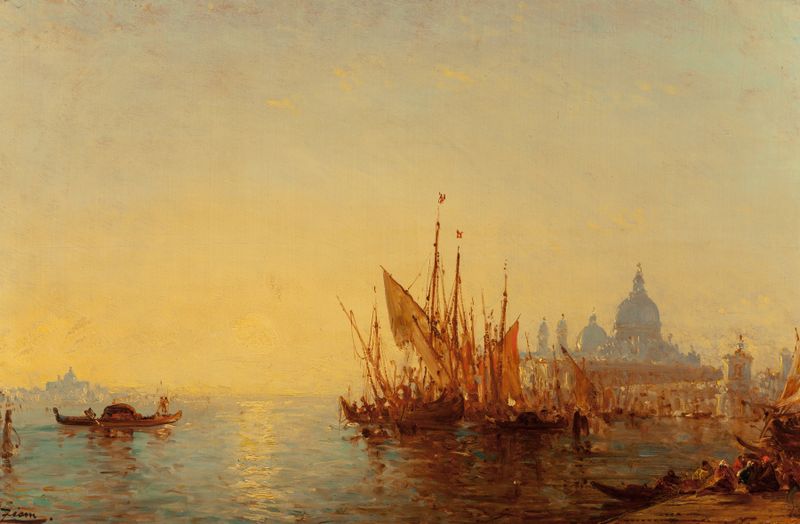
Bacino di San Marco
Félix Ziem
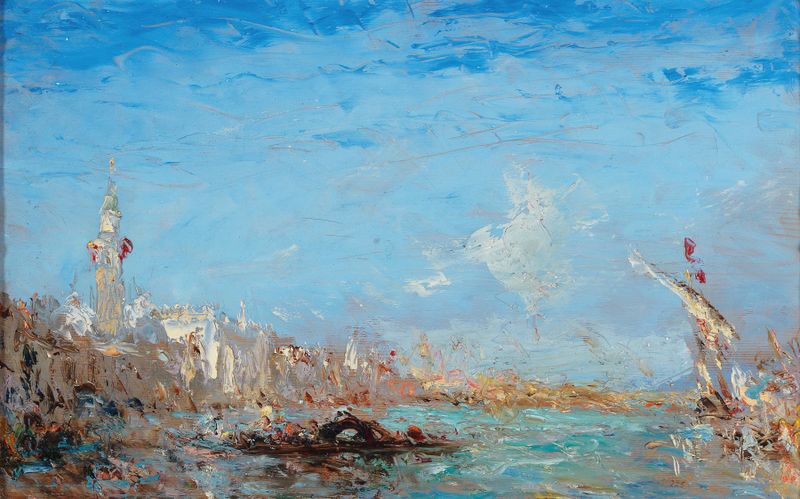
Canal Grande
Félix Ziem
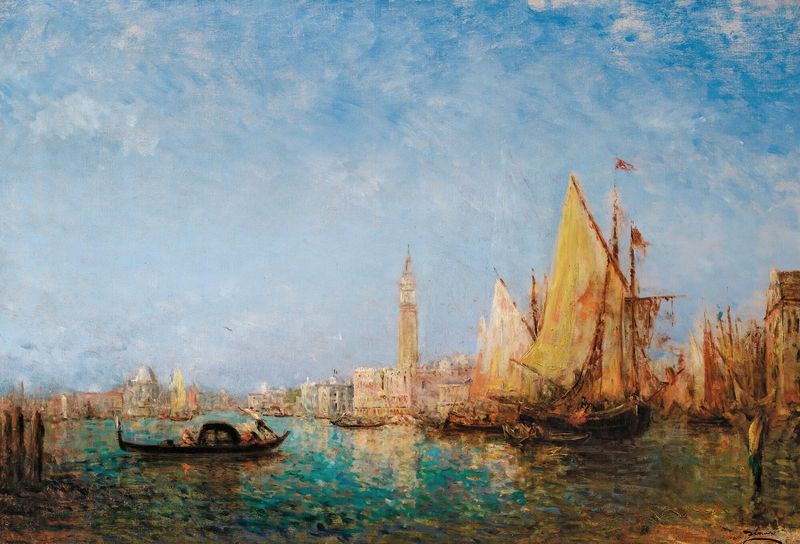
Le Palais Du Doge, Venise
Félix Ziem
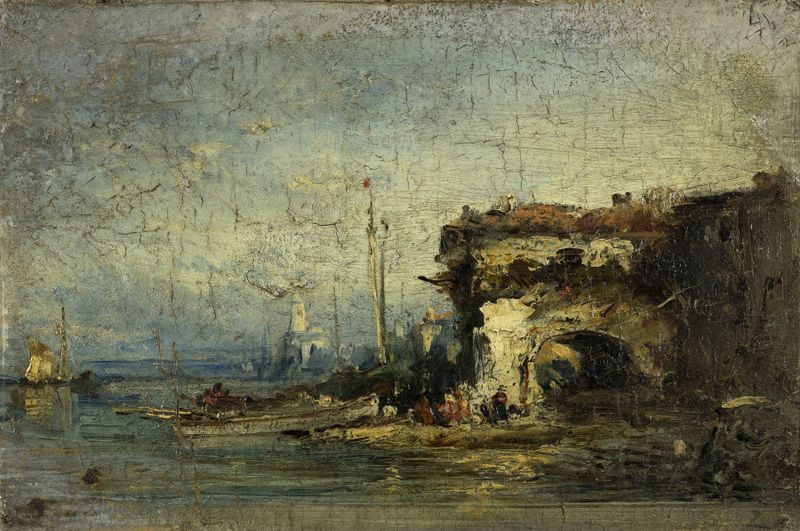
Vue d’Italie; la vieille porte
Félix Ziem
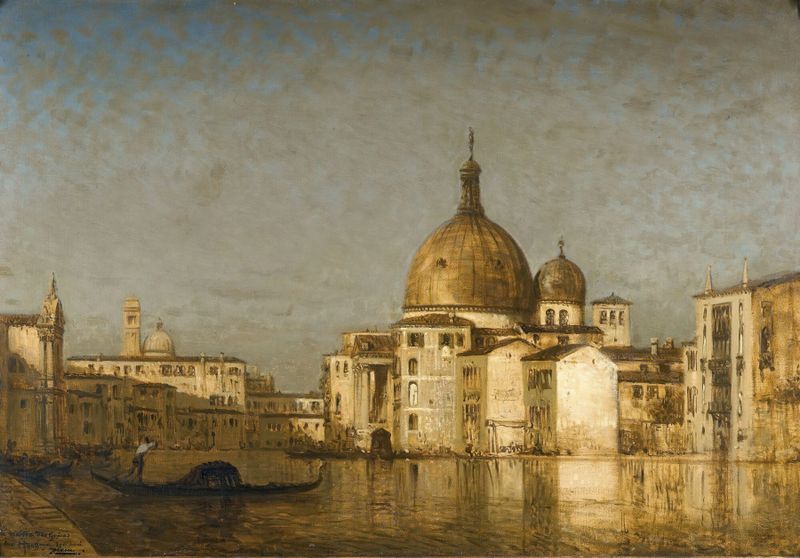
San Simeone Piccolo Au-Delà Du Grand Canal, Venis
Félix Ziem
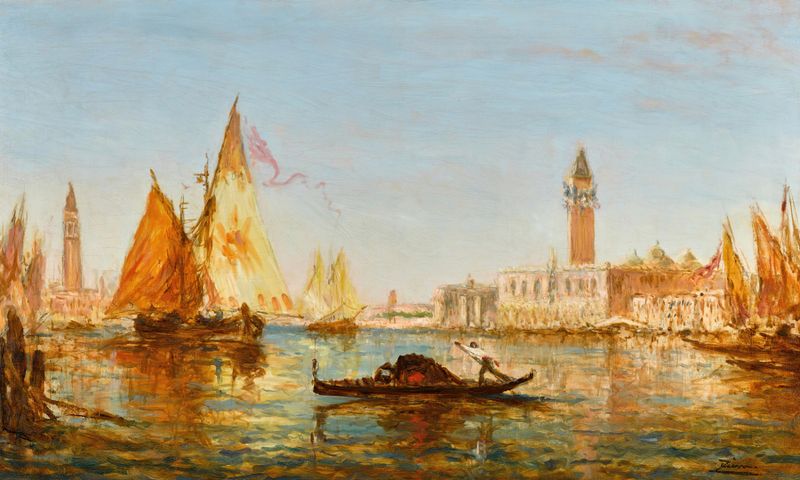
Venise, gondole et voiliers devant le Palais des doges et San Giorgio Maggiore
Félix Ziem
More Architecture Art
Browse all →
The statue of Liberty
Frédéric Auguste Bartholdi

View of Houses in Delft, Known as ‘The Little Street’
Johannes Vermeer

View of Houses in Delft, Known as ‘The Little Street’
Johannes Vermeer

The Cathedral in Rouen. The portal, Grey Weather
Claude Monet

The yellow house
Vincent van Gogh

The Church in Auvers-sur-Oise, View from the Chevet
Vincent van Gogh