
Saint Palais — History & Facts
In Saint Palais, the essence of grief unfurls within a landscape, inviting viewers to confront the beauty that emerges from sorrow. This painting resonates with an emotional depth that lingers like a haunting melody, urging reflection on the fragility of existence. Look to the foreground, where vibrant strokes of green and blue intertwine, forming a lush tapestry of nature. The trees sway gently, their limbs reaching towards the heavens, while the turbulent sky looms above in a symphony of blues and purples.
Notice how the light dances across the scene, illuminating the hidden corners and casting soft shadows that evoke a sense of both tension and harmony. The artist's masterful technique captures the essence of movement, creating an immersive experience that feels alive. Within the layers of color and form, contrasts emerge that speak to the complexity of human emotion. The serene landscape belies an undercurrent of tumult—each brushstroke reflects a battle between loss and solace.
The juxtaposition of light and dark suggests a pathway through grief, illuminating the way forward while acknowledging the weight of what has been left behind. This duality invites viewers to explore their own experiences of sorrow and healing. In 1909, Armand Guillaumin painted Saint Palais during a period of artistic transformation. Living in Paris, he was part of the Impressionist movement, navigating the shifting tides of art while drawing inspiration from personal experiences of loss.
The world of art was evolving, embracing bold colors and a focus on light, elements that Guillaumin deftly weaves into this poignant work, cementing his legacy as a master of emotional landscapes.
More Artworks by Armand Guillaumin
Browse all →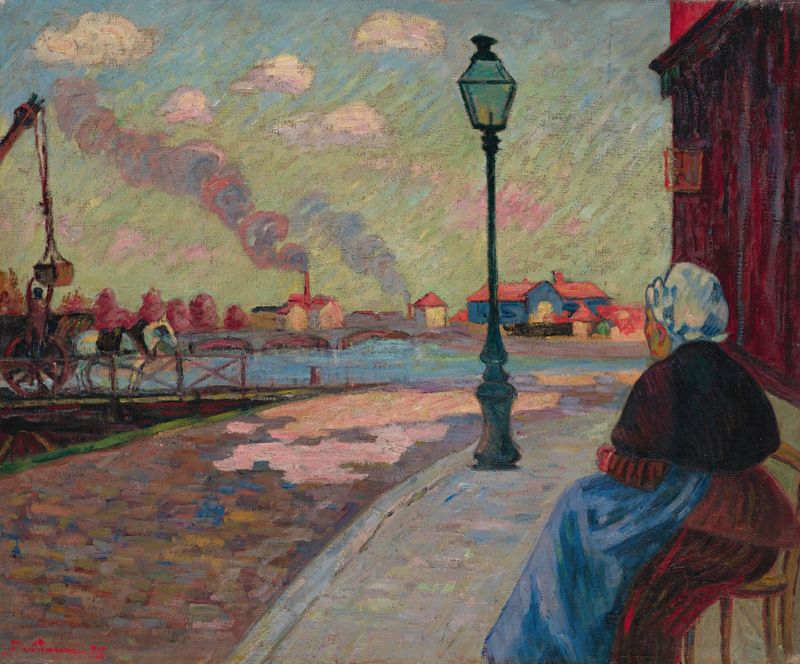
La Seine À Charenton
Armand Guillaumin
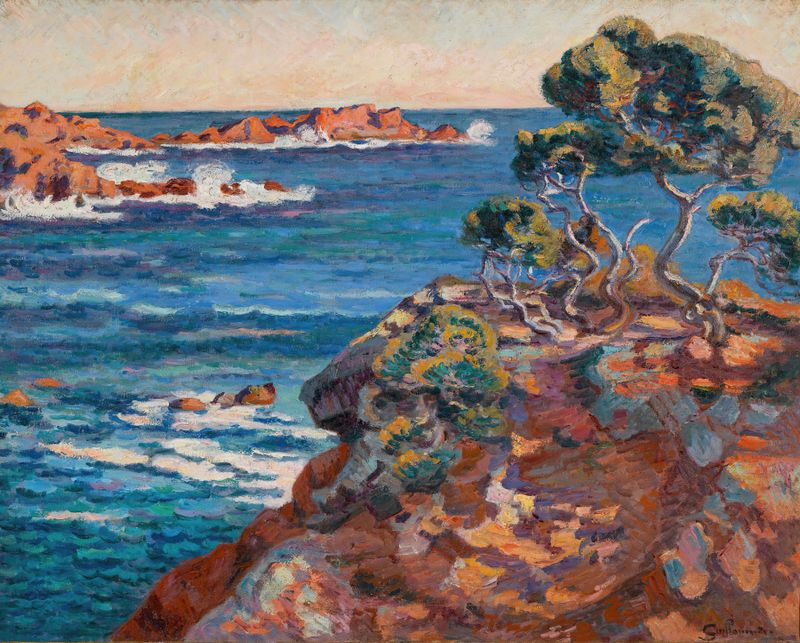
Bord De Mer À Agay
Armand Guillaumin
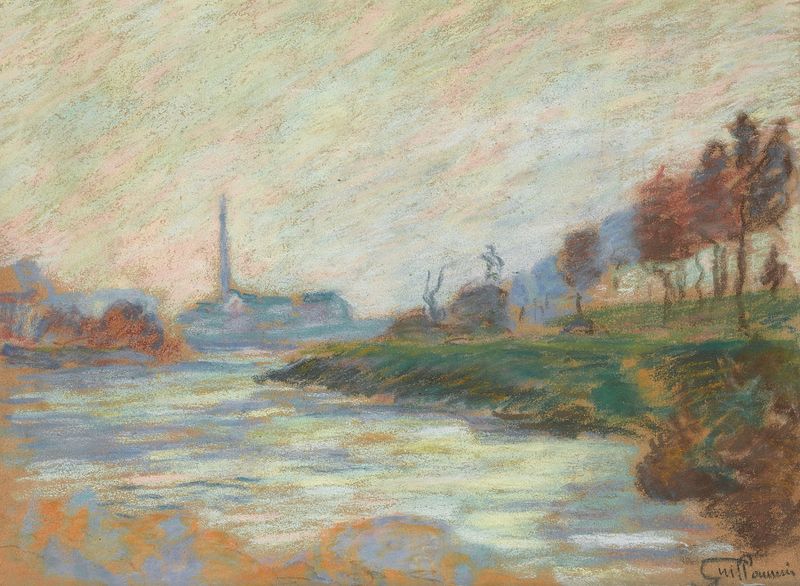
Confluent De La Marne Et De La Seine, Île De La France
Armand Guillaumin

Le Ravin de la folie, vue de Chateau Crozant
Armand Guillaumin
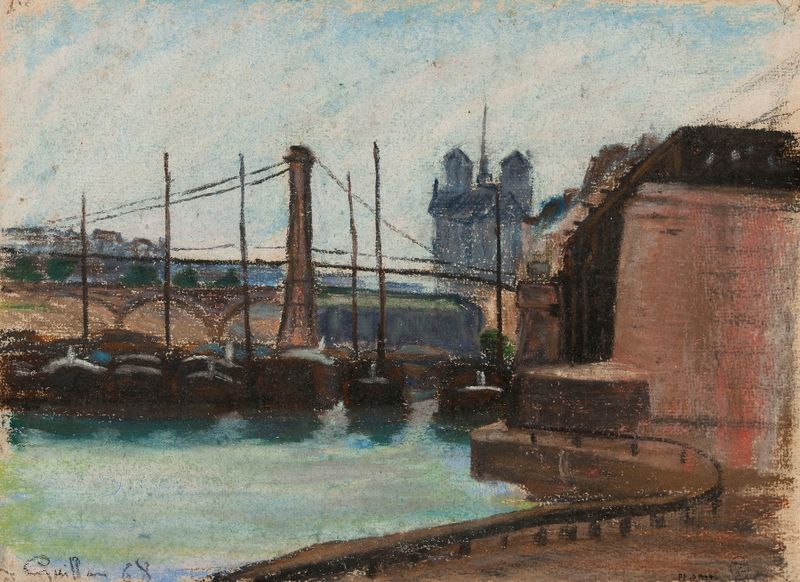
Le Pont d’Austerlitz
Armand Guillaumin

Paysage de Printemps
Armand Guillaumin
Crozant, Le Ravin De La Sedelle À La Folie
Armand Guillaumin
Paysage
Armand Guillaumin

La vallée de la creuse
Armand Guillaumin

L’Eglise Saint-Sulpice, Paris
Armand Guillaumin





