
Saint-Paul — History & Facts
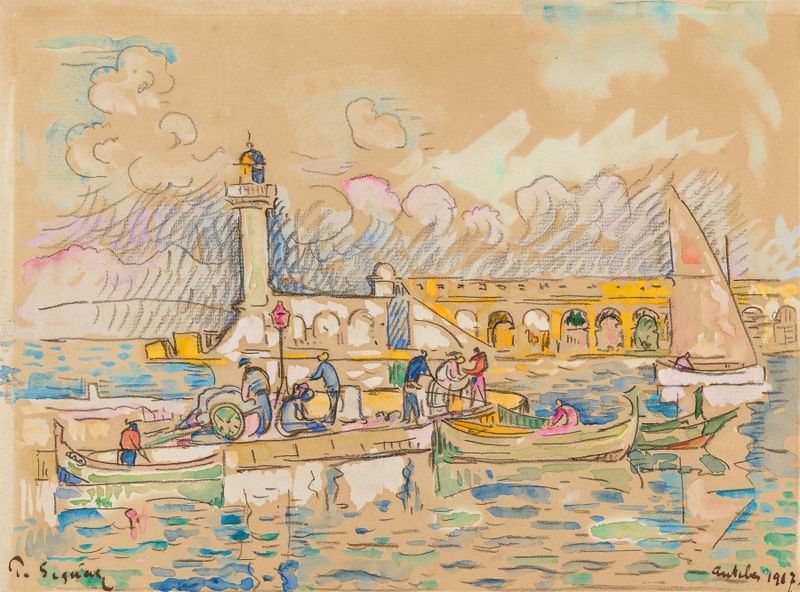
The essence of awe permeates the canvas, as vibrant hues collide in a symphony of light and color, inviting us to explore the beauty of our world. Look to the center, where the azure sea melds with the gold-kissed shore, drawing your gaze into the tranquil embrace of nature. Notice how the dappled sunlight dances across the surface of the water, creating a sparkling mosaic that seems almost alive. The distinct technique of pointillism invites the viewer to appreciate the individual strokes, each contributing to a greater narrative of serenity and reflection. Delve deeper into the contrasting elements within the piece; the stillness of the water juxtaposed against the vibrancy of the foliage hints at a delicate balance between nature and life’s fleeting moments.
The intricate interplay of colors evokes an emotional warmth, whilst the absence of human figures creates an air of solitude, allowing the viewer to experience both tranquility and longing. It’s as if the artist captures a breath held in time, offering a glimpse into an eternal moment. In 1923, when Saint-Paul was created, Signac was anchored in the world of post-Impressionism, embracing the principles of color theory and light. He painted this work during a period of personal reflection, having settled in the South of France, where the landscape served both as inspiration and refuge.
The art world was transitioning towards new modernist movements, yet Signac remained steadfast in his dedication to the beauty of nature, showcasing the dream-like quality of life through his unique lens.
More Artworks by Paul Signac
Browse all →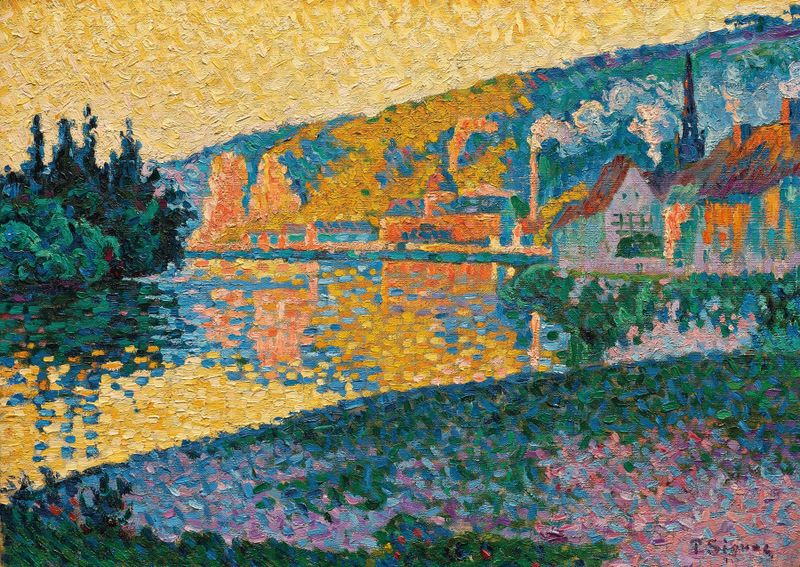
Les Andelys. Soleil couchant
Paul Signac
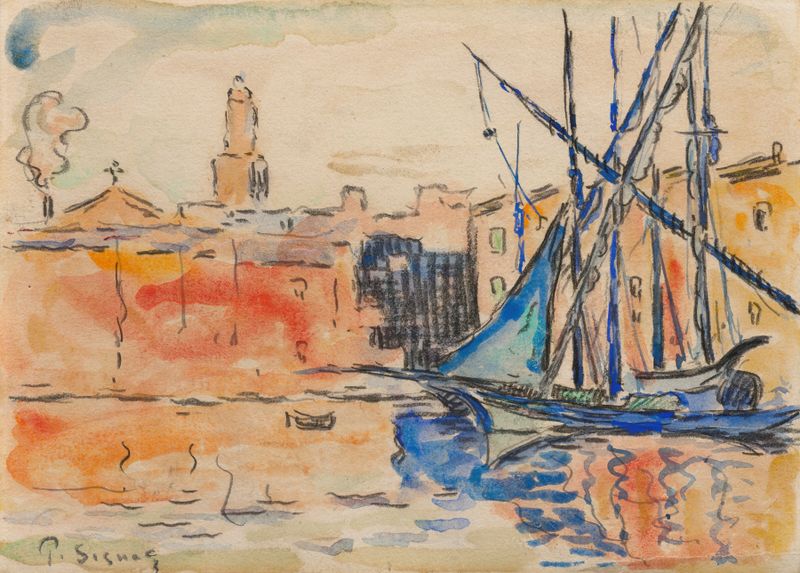
Saint-Tropez, le port
Paul Signac
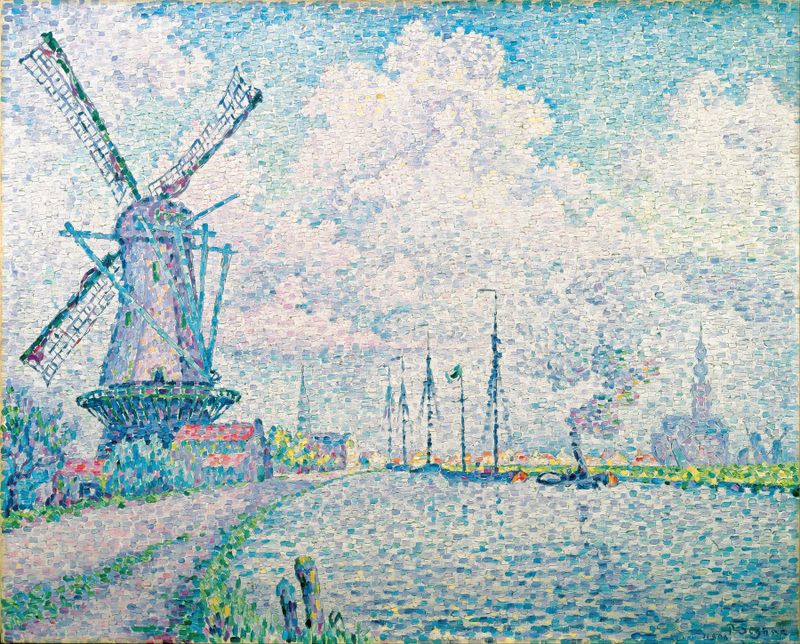
Canal of Overschie
Paul Signac
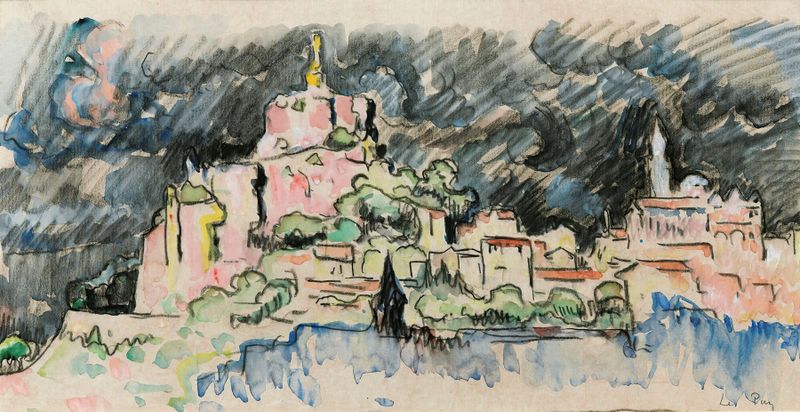
Le Puy-En-Velay, Ciel D’orage
Paul Signac
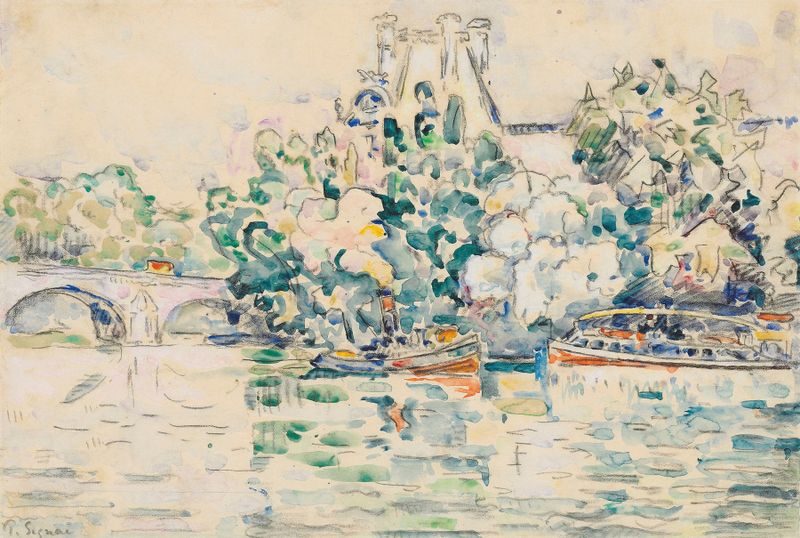
Paris, La Seine au Pont-Royal
Paul Signac
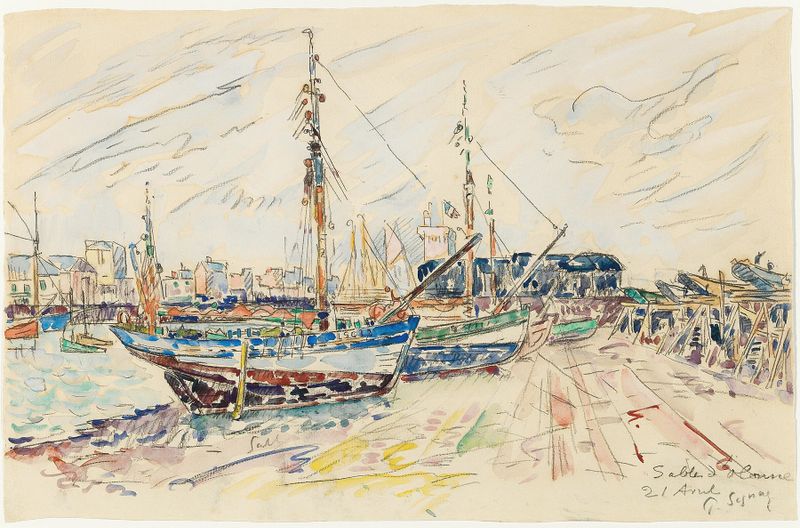
Sables d’Olonne
Paul Signac
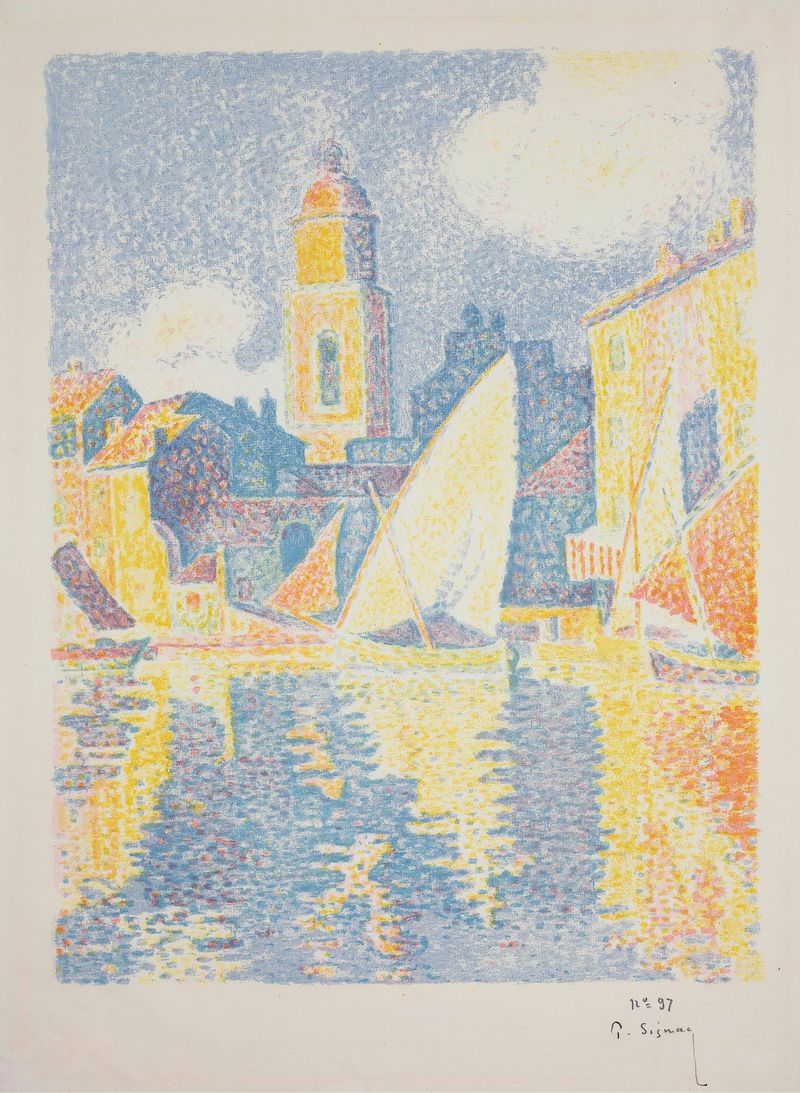
The Port of St. Tropez
Paul Signac
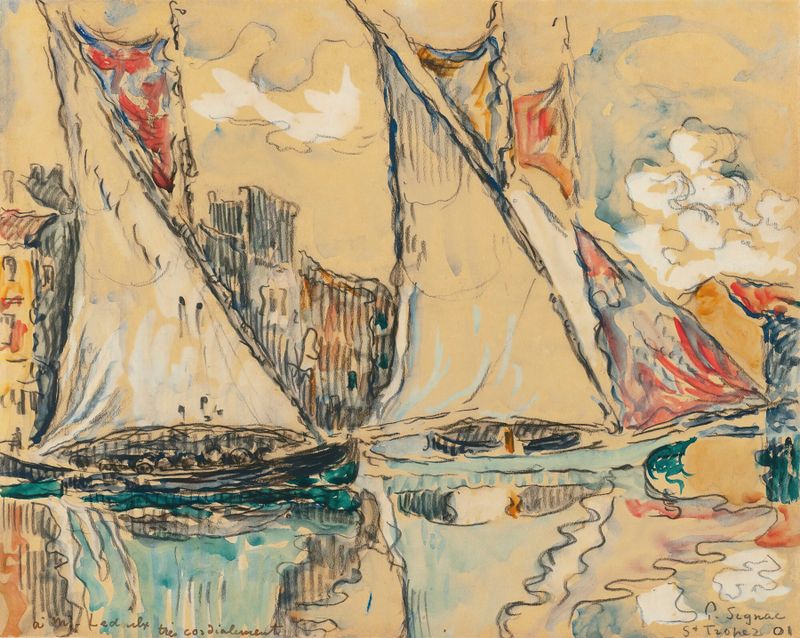
Saint-Tropez, Voiles Au Sec
Paul Signac
Antibes
Paul Signac

Saint-Tropez
Paul Signac





