Discover insights about this artwork
Saint Paul — History & Facts
In Saint Paul, Diego Velázquez depicts the figure of Saint Paul with a strong presence. The painting features a rich palette of deep reds, browns, and golds, creating a dramatic atmosphere. Saint Paul is shown in a contemplative pose, with his gaze directed upwards, suggesting a moment of divine inspiration.
The background is dark, which enhances the focus on the saint's illuminated face and hands. The painting is executed in oil on canvas, a common medium for Velázquez. The brushwork is characterized by its fluidity and precision, allowing for detailed textures in the fabric and skin. Velázquez's use of light and shadow creates a three-dimensional effect, giving depth to the figure.
This technique is typical of the Baroque style, emphasizing realism and emotional engagement. Diego Velázquez was a prominent Spanish painter of the Baroque period, known for his portraits and religious works. This painting of Saint Paul is believed to have been created in the 1620s, during a time when Velázquez was influenced by Caravaggio's use of chiaroscuro. An interesting fact about this work is that it reflects the artist's deep understanding of human emotion and spirituality, which was a hallmark of his style.
More Artworks by Diego Velázquez
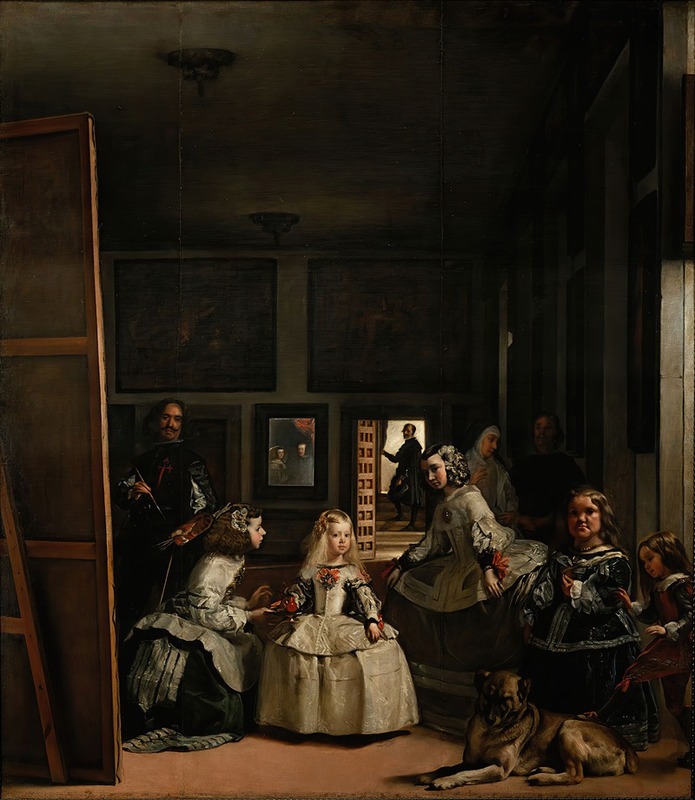
Las meninas
Diego Velázquez
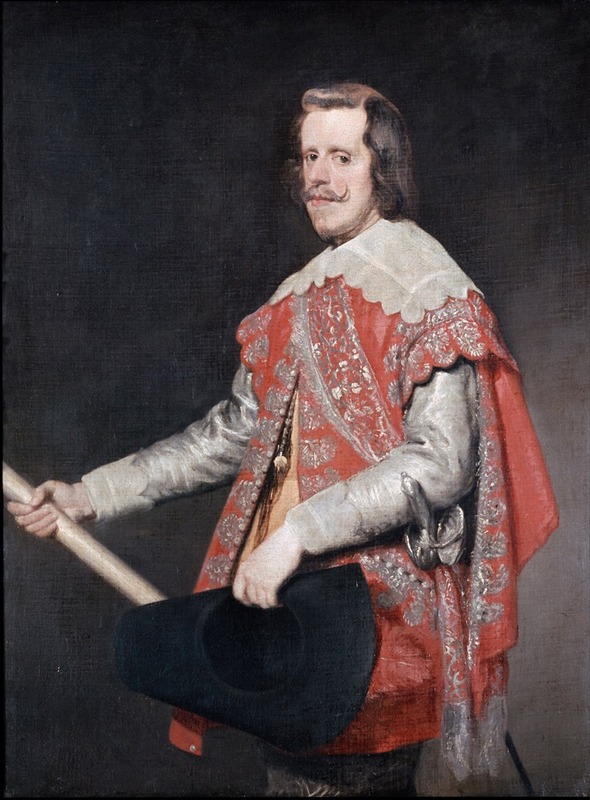
Philip IV, King of Spain
Diego Velázquez
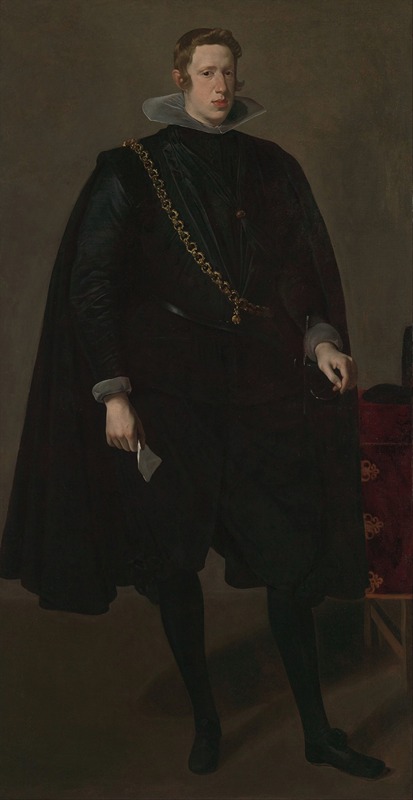
Philip IV (1605–1665), King of Spain
Diego Velázquez
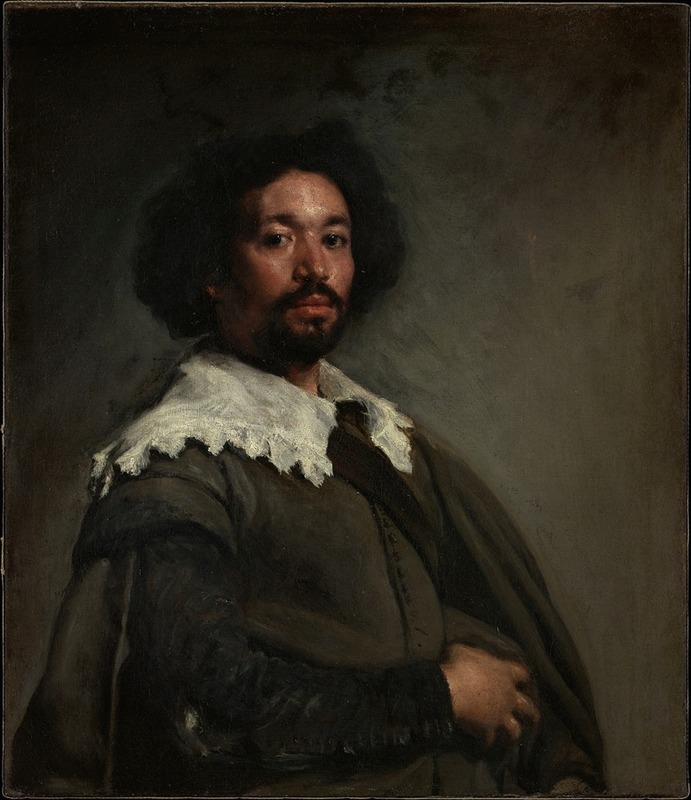
Juan de Pareja
Diego Velázquez
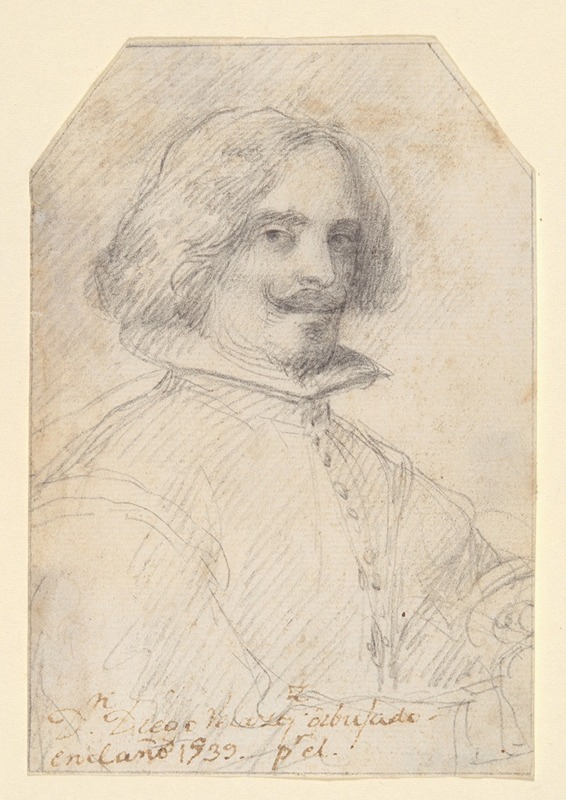
Self-Portrait
Diego Velázquez
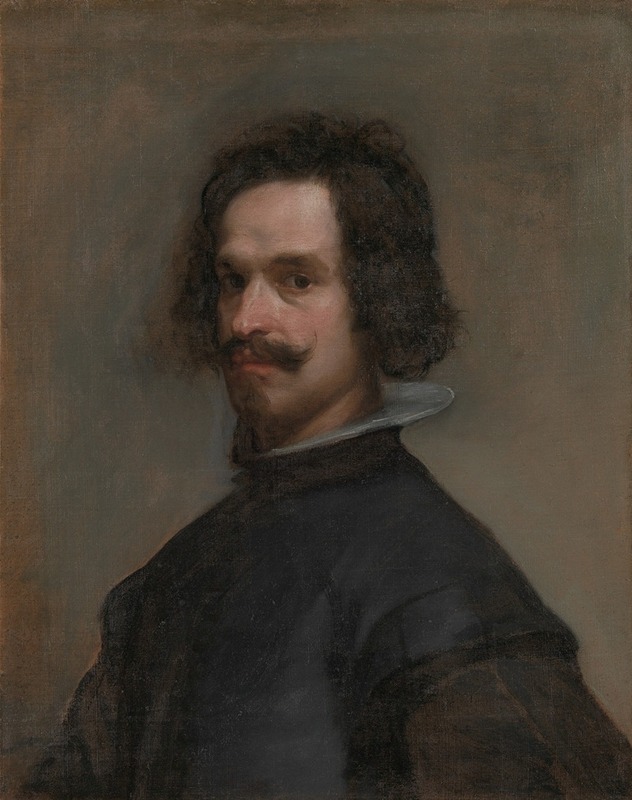
Portrait of a Man, Possibly a Self-Portrait
Diego Velázquez
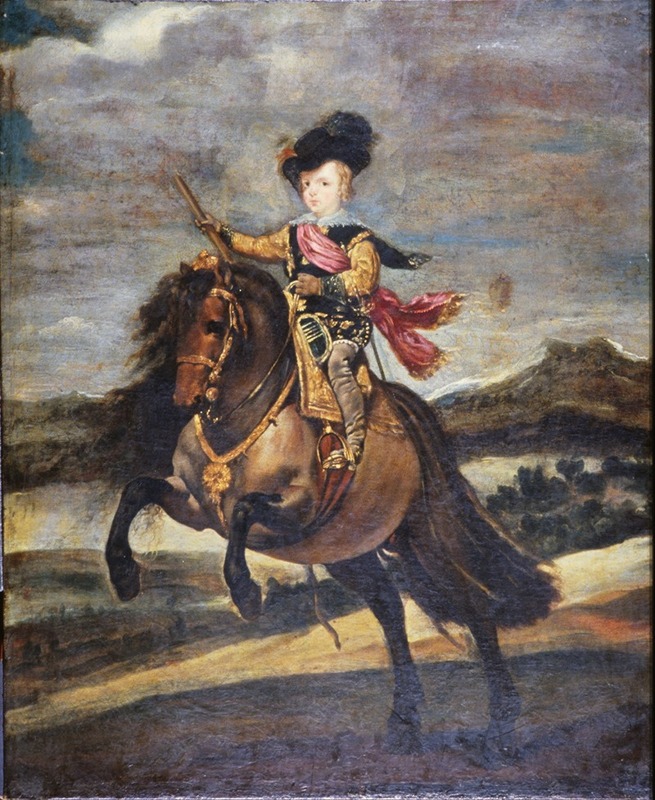
The Infante Baltasar Carlos on Horseback
Diego Velázquez
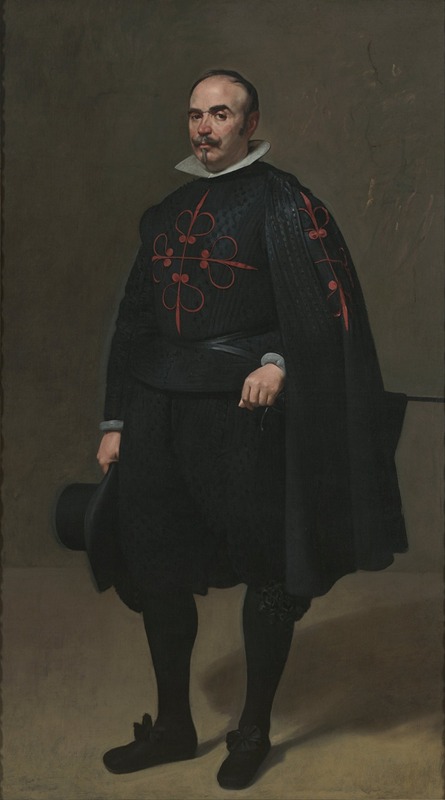
Portrait of Don Pedro de Barberana
Diego Velázquez
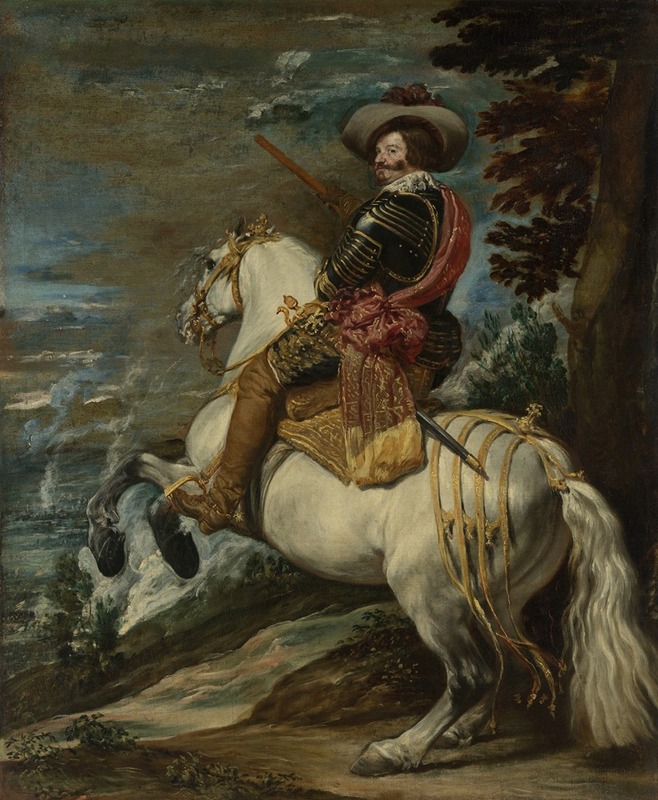
Don Gaspar de Guzmán (1587–1645), Count-Duke of Olivares
Diego Velázquez

Prince Baltasar Carlos in Silver
Diego Velázquez