
Saint-Père sous Vézelay — History & Facts
Can beauty exist without sorrow? In Armand Guillaumin's Saint-Père sous Vézelay, the answer seems to be a gentle yes, as serene landscapes envelop the viewer in tranquil repose. Look to the left at the lush, rolling hills, where a soft palette of greens and yellows harmoniously blend under a calming sky. Notice how the light falls upon the quaint rooftops, casting delicate shadows that dance playfully across the textured surface. Each brushstroke evokes a sense of immediacy, drawing the eye across the canvas from the vibrant foreground to the distant church, nestled against the horizon, while the muted tones create an ethereal atmosphere, almost dreamlike. The painting subtly contrasts the vibrancy of nature with the stillness of the village, revealing hidden tensions between life and tranquility.
One can sense the pulse of everyday existence against the backdrop of eternal faith, encapsulated in the church steeple that pierces the sky. This duality invites the viewer to reflect on the balance between joy and contemplation, urging us to recognize the harmony that exists even amid life's inevitable sorrows. In 1903, while painting this piece in France, Guillaumin was amidst a transformative period in his career, gaining recognition from the Impressionist movement. His focus on light and color was evolving, as he began to acquire a more personal style, marking a shift toward abstraction.
During this time, the world of art was buzzing with innovation, and the artist was increasingly celebrated for capturing the essence of everyday life through his unique lens.
More Artworks by Armand Guillaumin
Browse all →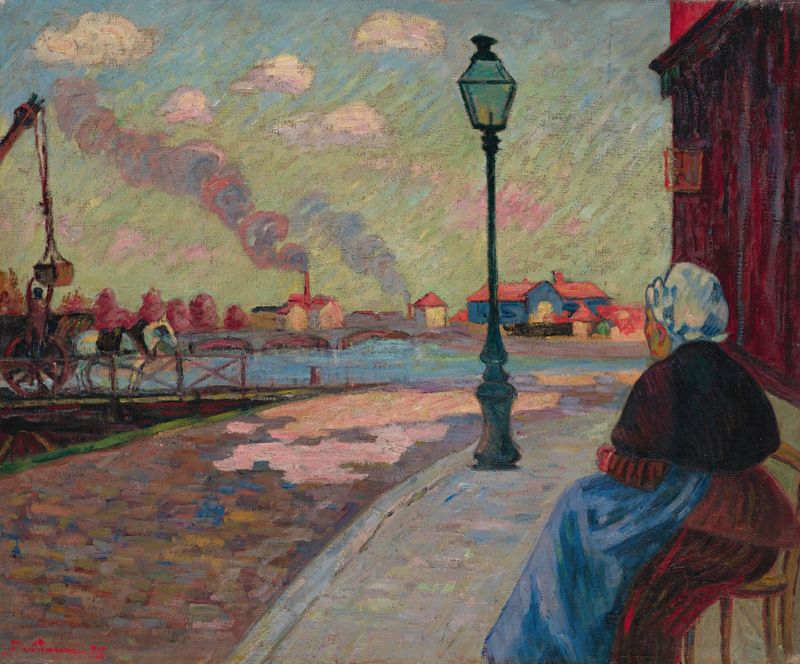
La Seine À Charenton
Armand Guillaumin
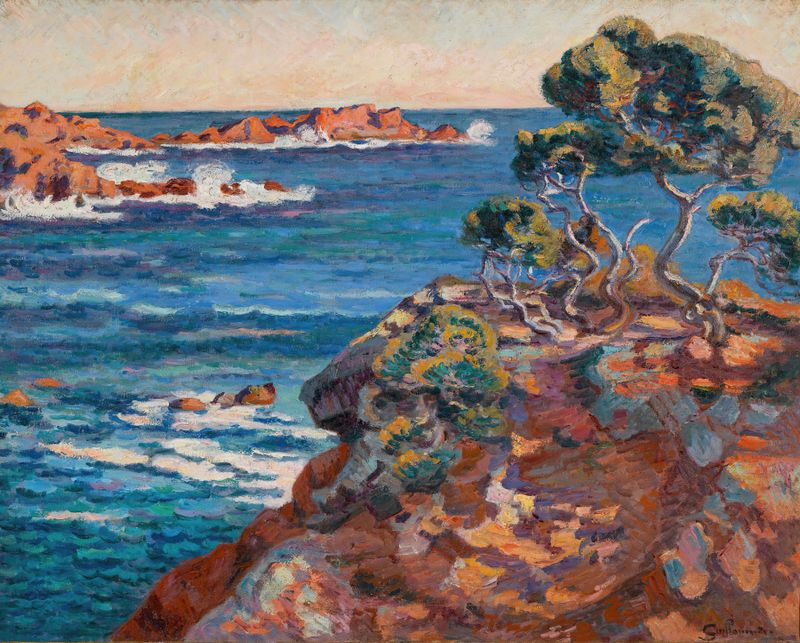
Bord De Mer À Agay
Armand Guillaumin
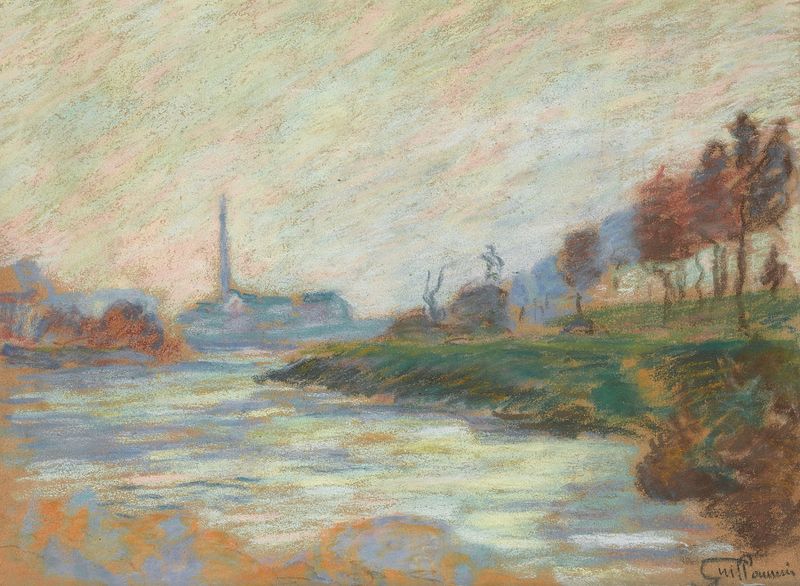
Confluent De La Marne Et De La Seine, Île De La France
Armand Guillaumin

Le Ravin de la folie, vue de Chateau Crozant
Armand Guillaumin
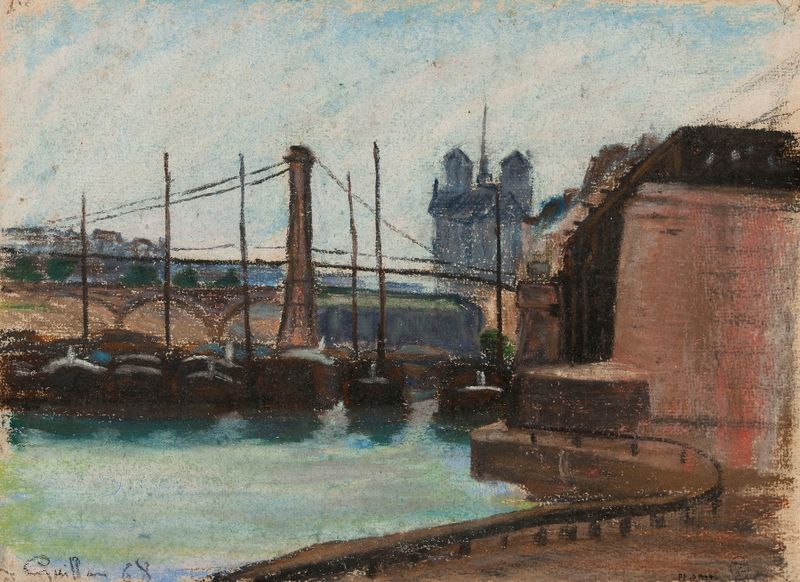
Le Pont d’Austerlitz
Armand Guillaumin

Paysage de Printemps
Armand Guillaumin
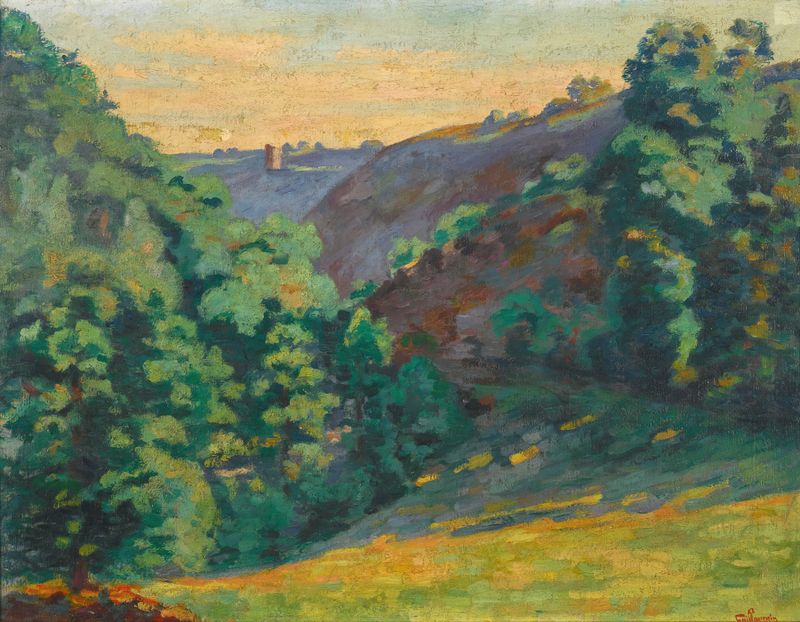
Crozant, Le Ravin De La Sedelle À La Folie
Armand Guillaumin
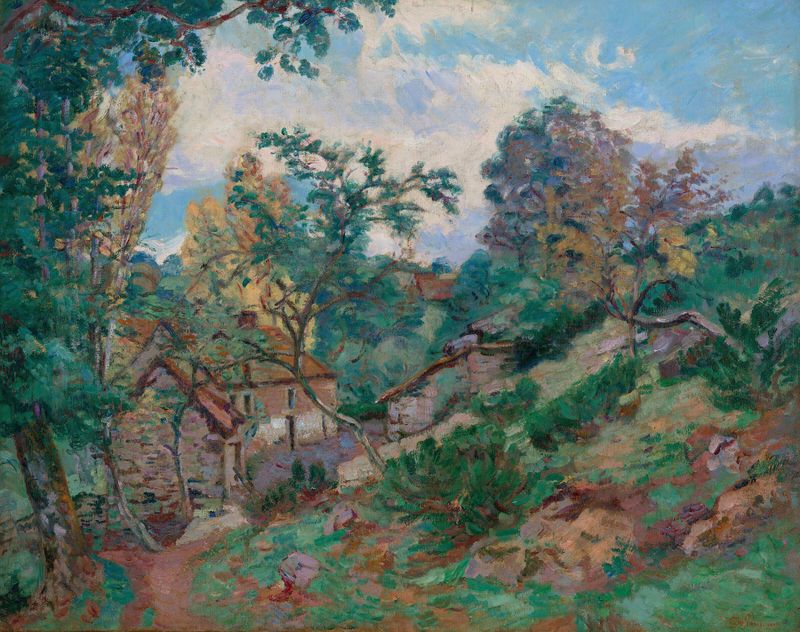
Paysage
Armand Guillaumin

La vallée de la creuse
Armand Guillaumin

L’Eglise Saint-Sulpice, Paris
Armand Guillaumin





