
Saint Sebastian — History & Facts
In the heart of the 17th century, a moment arrested in time evokes the paradox of suffering and divinity. The image stands as a testament to the transformative power of creation, where pain morphs into profound beauty. Focus first on the central figure, the martyr, depicted with sinewy grace, his body twisting in an anguished pose that speaks to both vulnerability and divine resilience. Notice how the artist has captured the arrows piercing his flesh, each one a testament to the torment he endures, yet rendered with an almost ethereal delicacy.
The light bathes his form, illuminating the contours of his muscular physique, creating a striking contrast against the muted background, enhancing the tension between the sacred and the profane. Deeper still, the juxtaposition of the serene expression on his face against the tragedy of his wounds invites a meditation on sacrifice and redemption. The clarity of his gaze, seemingly transcendent, hints at a spiritual awakening that lies beyond physical suffering. The use of rich, deep hues envelops the scene in a somber atmosphere, suggesting a narrative where despair and hope coexist, allowing the viewer to grapple with the complexity of faith and human endurance. During this period, the artist remained largely anonymous, yet the work reflects the fervent religious sentiment of the time, a moment when the counter-reformation influenced many creators to depict martyrdom with heightened emotional depth.
The 17th century was marked by a search for connection between the divine and the human experience, resonating with those who sought solace and meaning through art.
More Artworks by Unidentified artist
Browse all →
Self-portrait with a Bandaged Ear and Pipe
Unidentified artist

Feast in the House of Levi
Unidentified artist
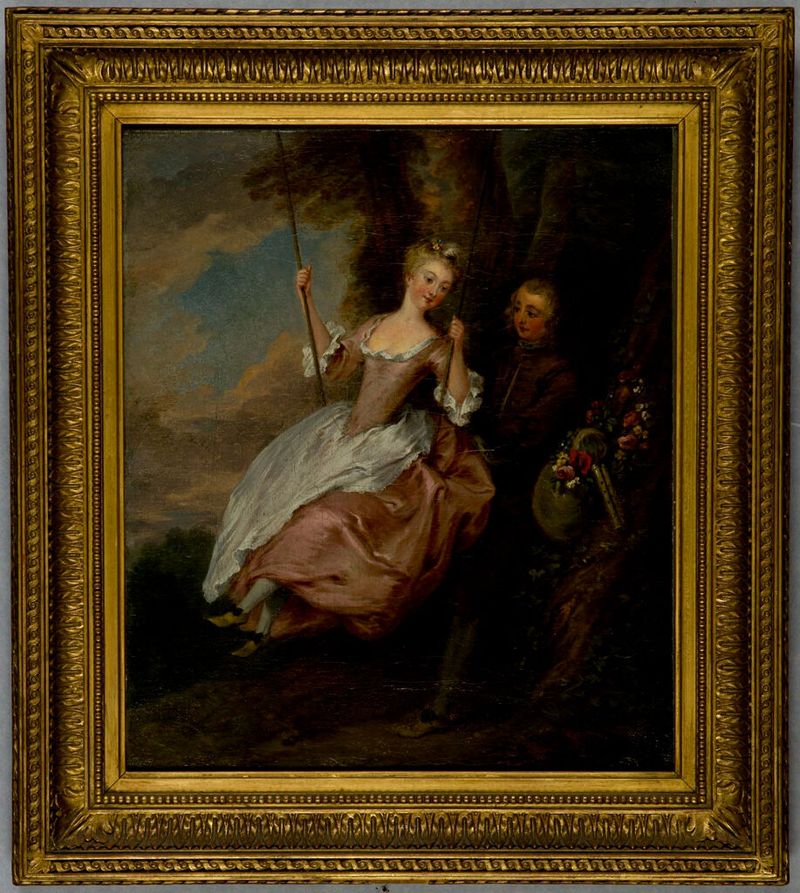
The Swing
Unidentified artist

Geoffrey Chaucer (1340?-1400)
Unidentified artist

Portrait of Michelangelo after the "Strozzi" original in the Uffizi Gallery
Unidentified artist
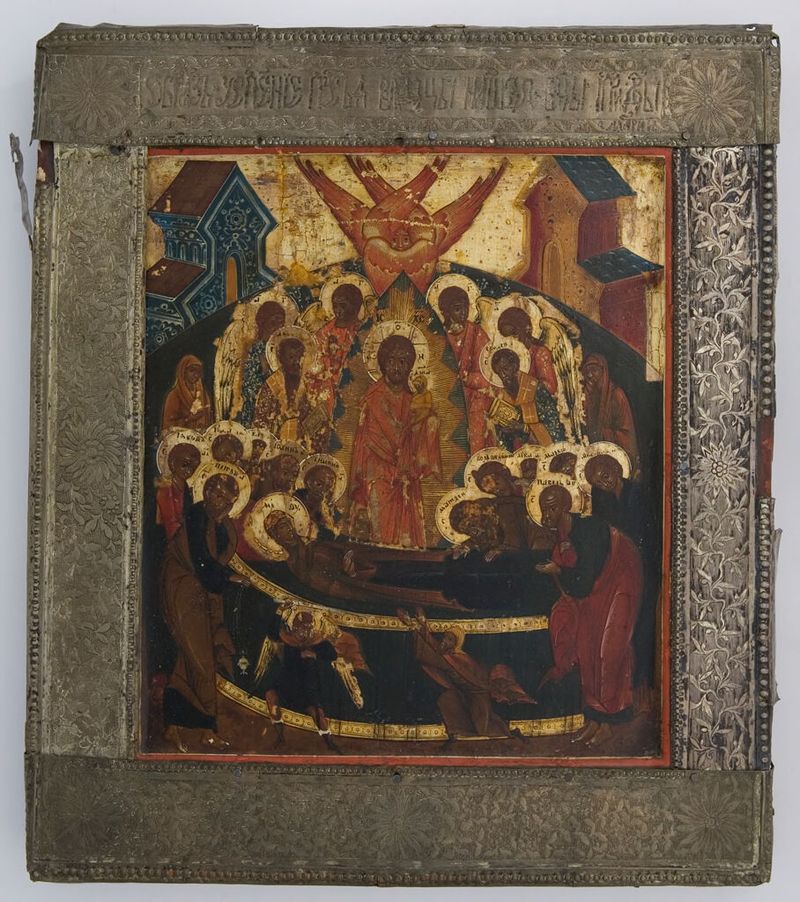
Dormition of the Virgin
Unidentified artist

Charles I (after a van Dyck painting in the Staatliche Museen, Gemaldegalerie, Dresden)
Unidentified artist

Madonna and Child
Unidentified artist

John Winthrop, the Younger (1606-1676)
Unidentified artist

Crucifix with the Virgin and Saint John the Evangelist, Christ the Redeemer, and a Praying Woman
Unidentified artist
More Religious Art
Browse all →
The Return of the Prodigal Son
Rembrandt van Rijn

The Garden of Earthly Delights
El Bosco

Count Orgaz’ funeral
El Greco

The Hundred Guilder Print: the central piece with Christ preaching, the plate arched
Rembrandt van Rijn

The Descent from the Cross
Rogier van der Weyden

The return of the prodigal son
Rembrandt van Rijn