
Saint-Servan — History & Facts
In Saint-Servan, a subtle dialogue unfolds between the vibrancy of life and the inevitability of decay. Look to the foreground to discover the soft, muted tones of weathered buildings, their textures revealing years of exposure and wear. The cool blues and warm ochres create a delicate balance, drawing the eye across the canvas. Notice the way light bathes this coastal town, casting gentle shadows that suggest both the charm of the scene and the passage of time.
Each brushstroke captures a fleeting moment, transmuting the ordinary into something transcendent. Within the layers of paint, the contrast between the lively colors and the signs of wear encapsulates a poignant narrative—one of beauty intertwined with the specter of decay. The crumbling structures speak to a forgotten history, a reminder of the transitory nature of existence. Yet, amidst this decay, a sense of serene beauty prevails, capturing the viewer's heart with the bittersweet essence of nostalgia. In 1895, Guillaumin painted this piece during a period of personal and artistic upheaval.
He was heavily involved in the Impressionist movement, seeking solace in the landscapes of Brittany while grappling with his own evolving style. This painting reflects not only his mastery of color but also an exploration of impermanence in a world undergoing rapid change, marking his place in the annals of art history.
More Artworks by Armand Guillaumin
Browse all →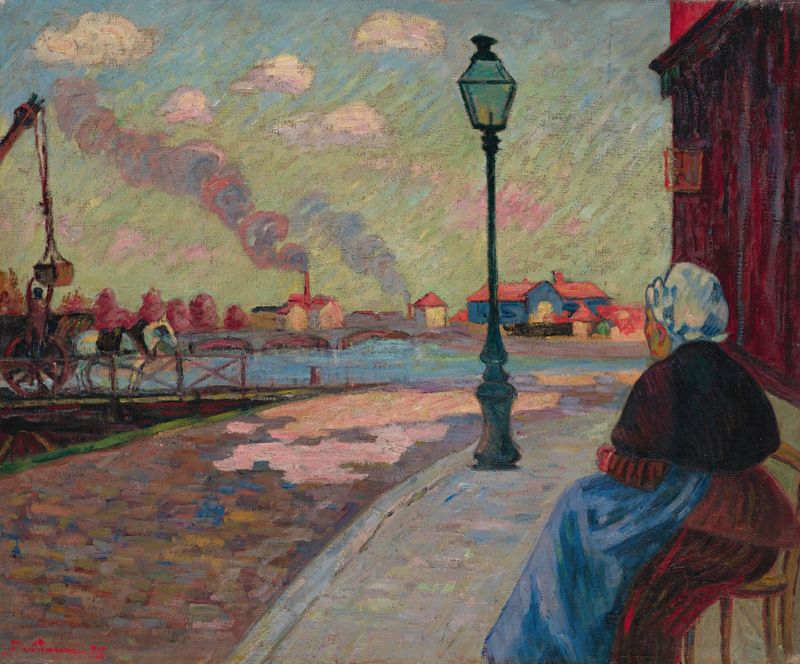
La Seine À Charenton
Armand Guillaumin
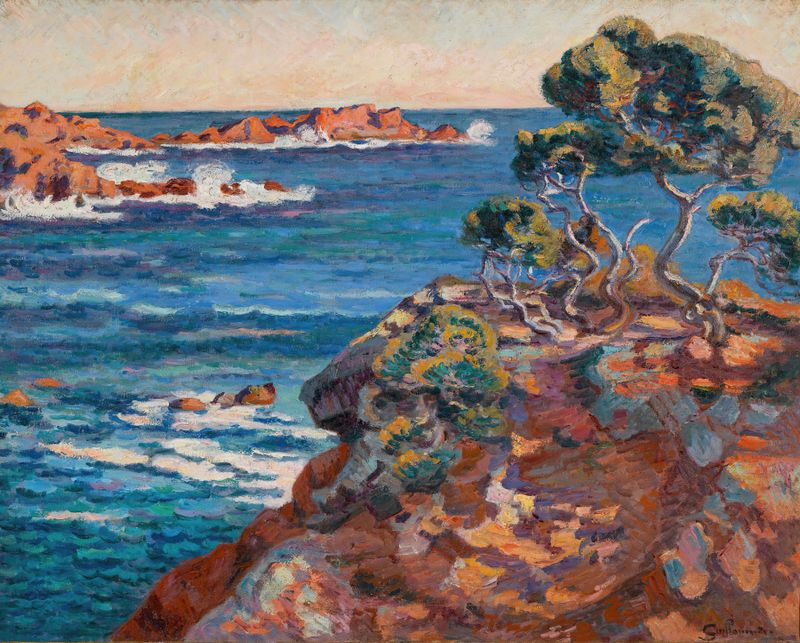
Bord De Mer À Agay
Armand Guillaumin
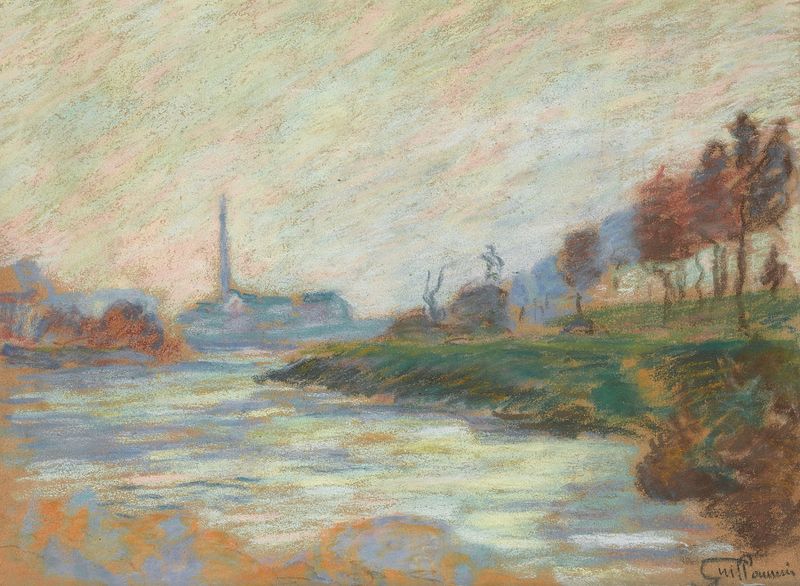
Confluent De La Marne Et De La Seine, Île De La France
Armand Guillaumin

Le Ravin de la folie, vue de Chateau Crozant
Armand Guillaumin
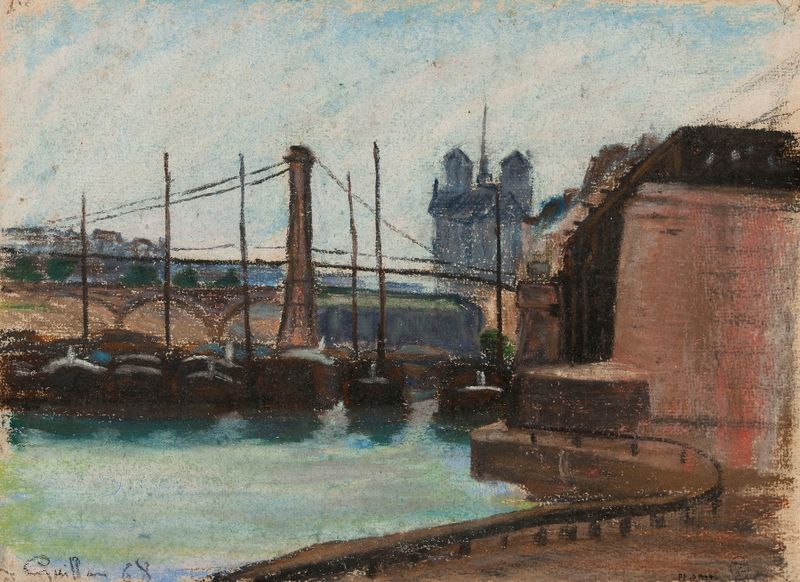
Le Pont d’Austerlitz
Armand Guillaumin

Paysage de Printemps
Armand Guillaumin
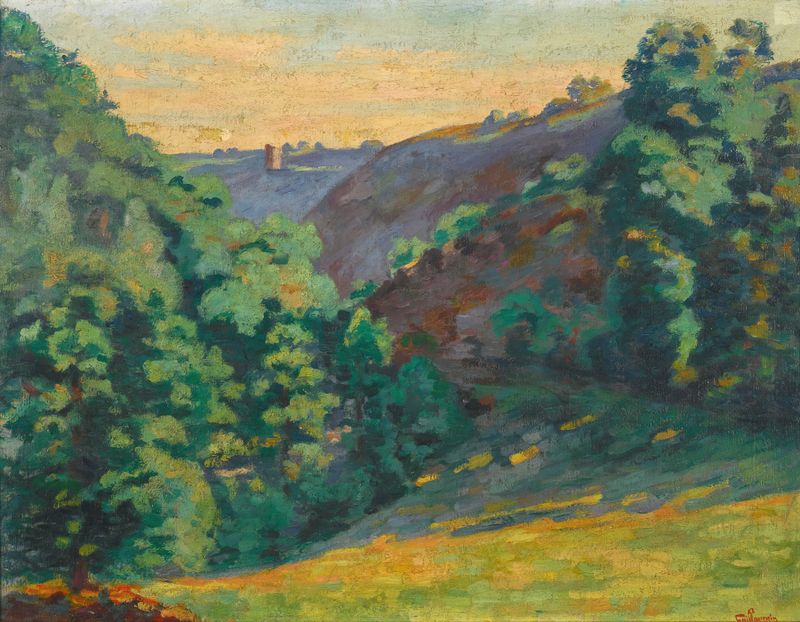
Crozant, Le Ravin De La Sedelle À La Folie
Armand Guillaumin
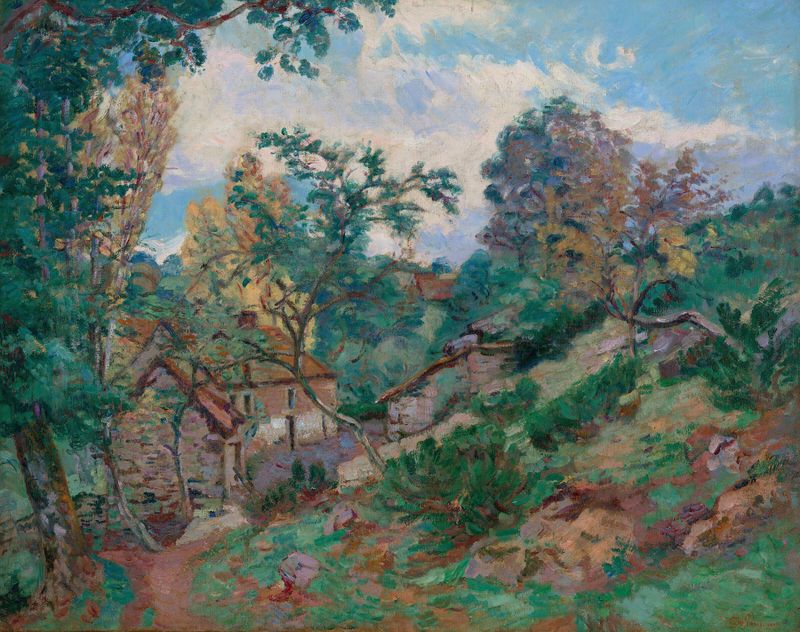
Paysage
Armand Guillaumin

La vallée de la creuse
Armand Guillaumin

L’Eglise Saint-Sulpice, Paris
Armand Guillaumin





