
Saint-Servan. Le Pourquoi Pas — History & Facts
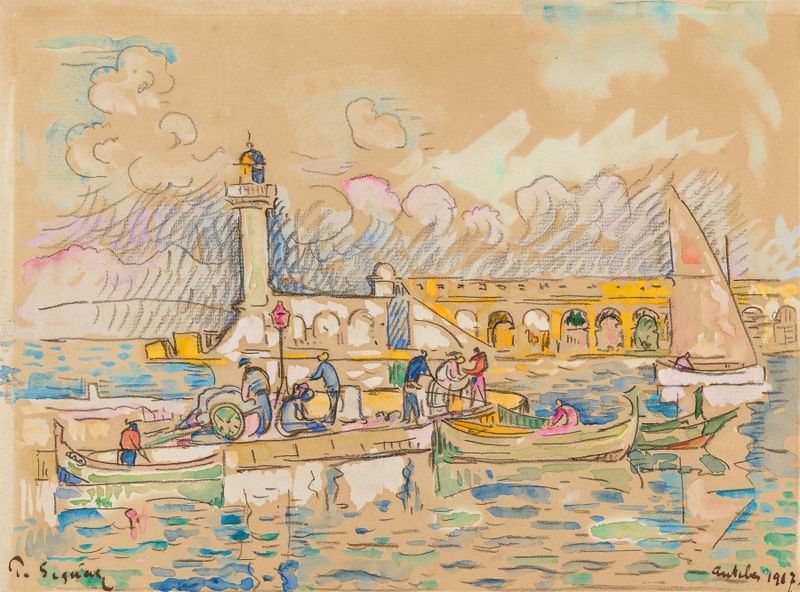
Did the painter know this moment would outlive them? The fragility of time invades the canvas, where emotions hang in the balance between permanence and transience. Look to the left at the vibrant hues that breathe life into a tranquil harbor scene. The soft strokes of blues and greens blend seamlessly with dappled sunlight, creating a sense of serene movement on the water’s surface. Notice how the brushwork captures the rhythm of the waves, each stroke a heartbeat, guiding the eye toward the delicate sailboats bobbing gently at anchor.
The composition draws you in, inviting contemplation of the quiet yet significant moments that define our lives. Hidden within this idyllic view is a profound tension between stillness and motion. The tranquil water mirrors the fleeting passage of time, while the boats, grounded and anchored, symbolize aspirations tethered yet longing for freedom. Each glimmering reflection hints at the complexities of existence, where the beauty of now contends with the inevitable change of tomorrow.
The suffusion of light serves not only to illuminate but also to cast shadows, reminding us of the fragility that underlies every joyful moment. In 1927, Signac painted this piece in Saint-Servan, a seaside town in Brittany, France, seeking solace amidst a world recovering from the upheaval of the Great War. At this time, the artist was deeply immersed in the Neo-Impressionism movement, exploring the interplay of color and light. The work reflects both a personal quest for stability and a broader reflection on the human experience, capturing a moment that resonates with the tension of beauty and impermanence.
More Artworks by Paul Signac
Browse all →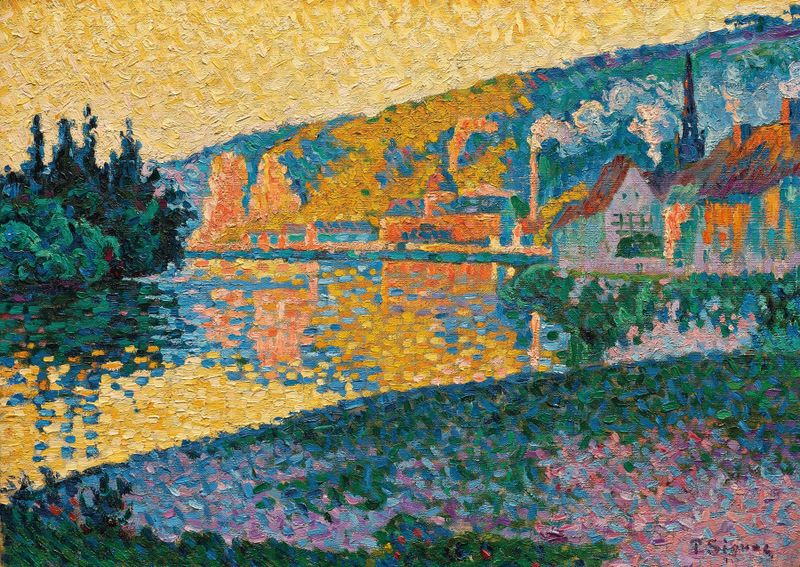
Les Andelys. Soleil couchant
Paul Signac
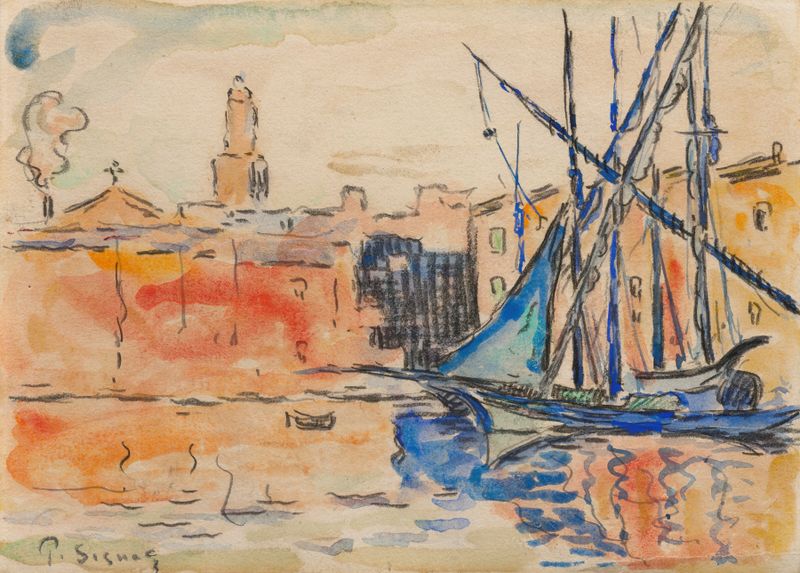
Saint-Tropez, le port
Paul Signac
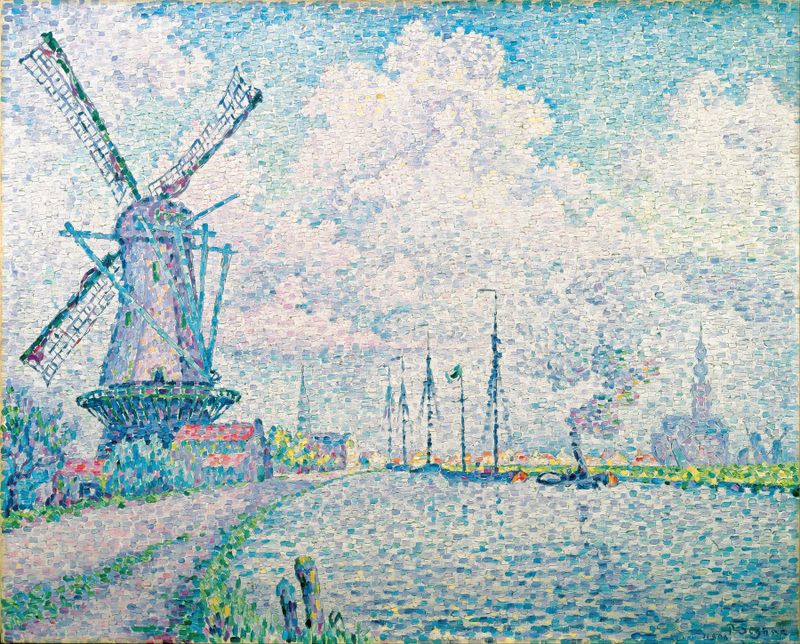
Canal of Overschie
Paul Signac
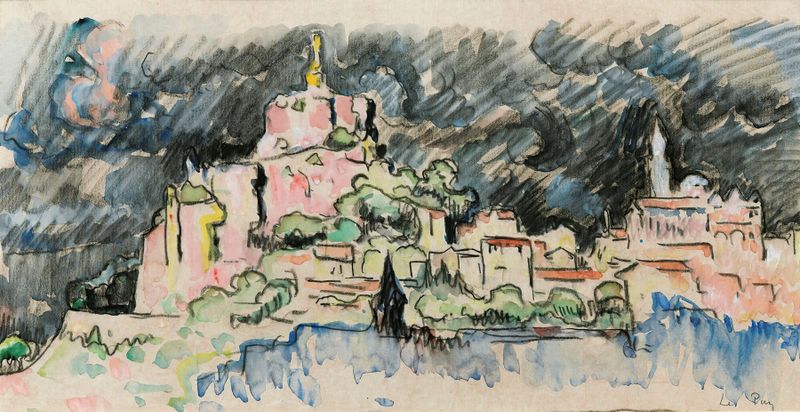
Le Puy-En-Velay, Ciel D’orage
Paul Signac
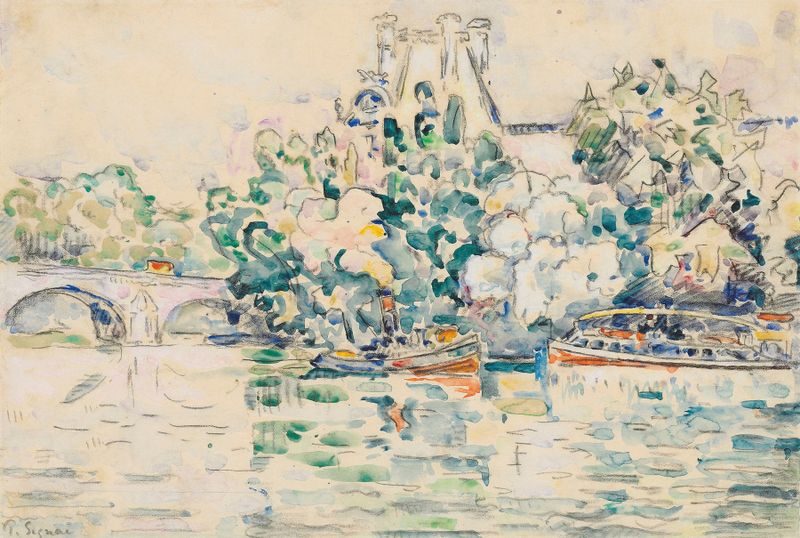
Paris, La Seine au Pont-Royal
Paul Signac
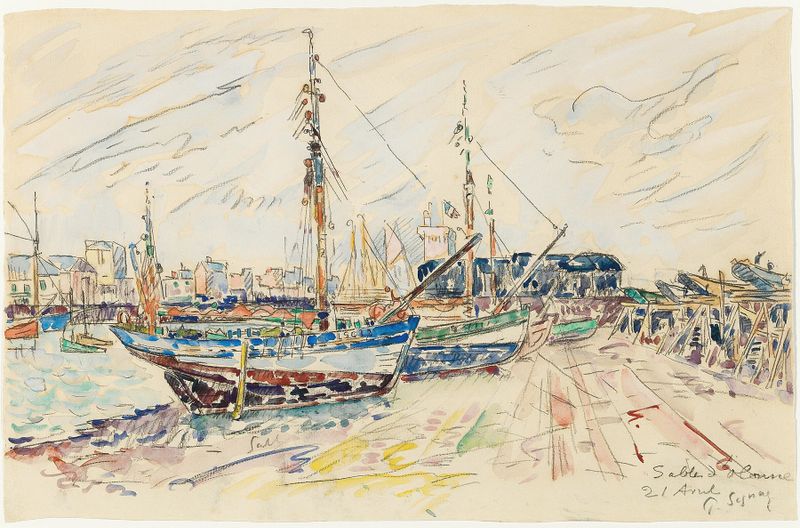
Sables d’Olonne
Paul Signac
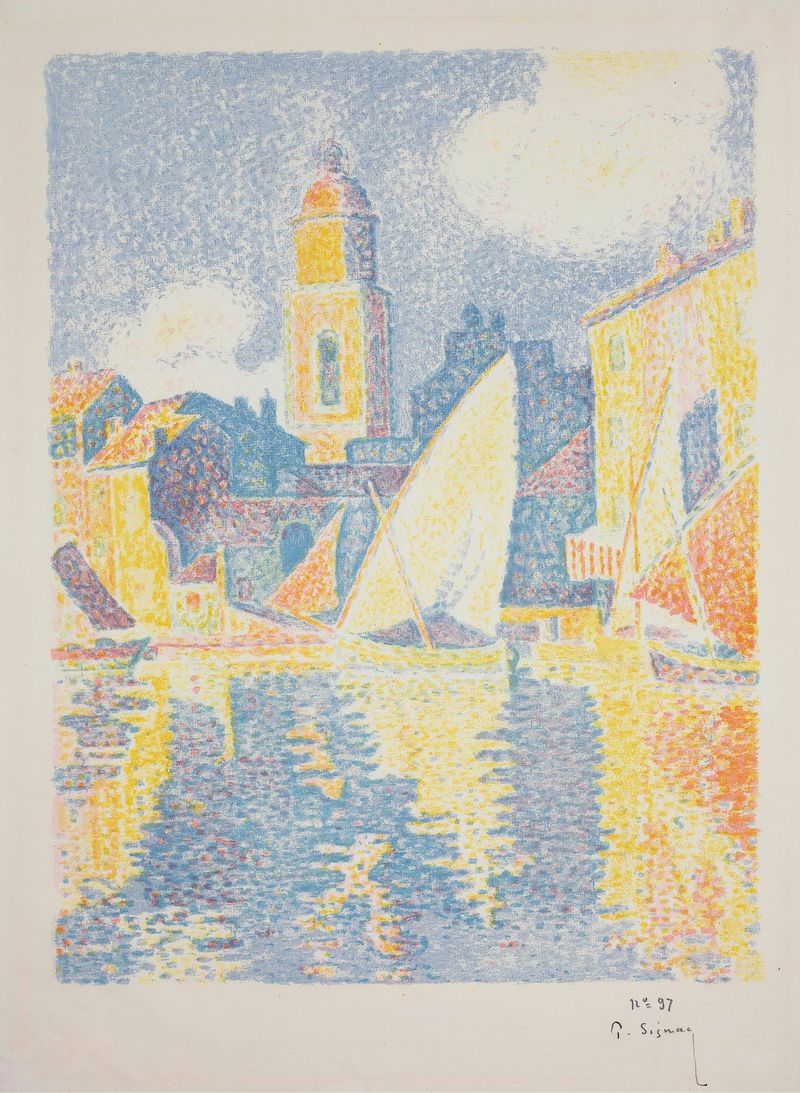
The Port of St. Tropez
Paul Signac
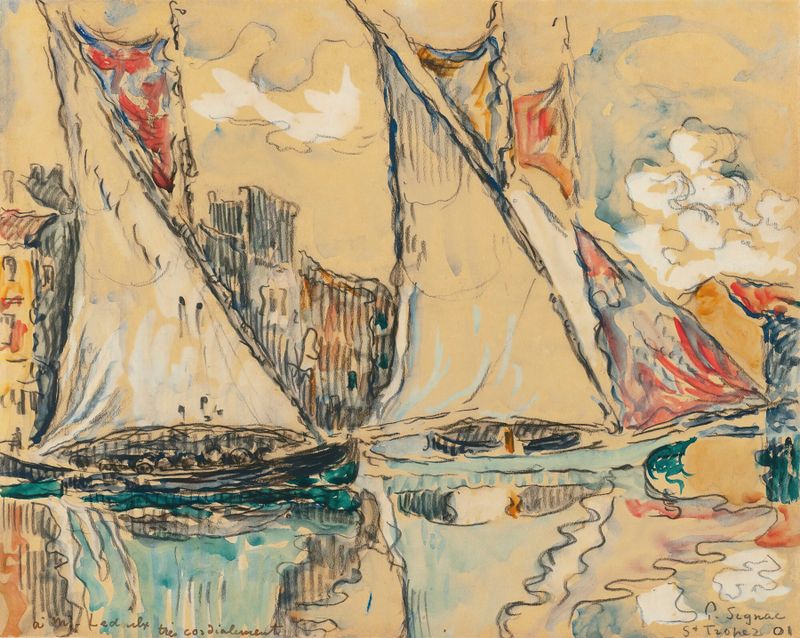
Saint-Tropez, Voiles Au Sec
Paul Signac
Antibes
Paul Signac

Saint-Tropez
Paul Signac





